Overview
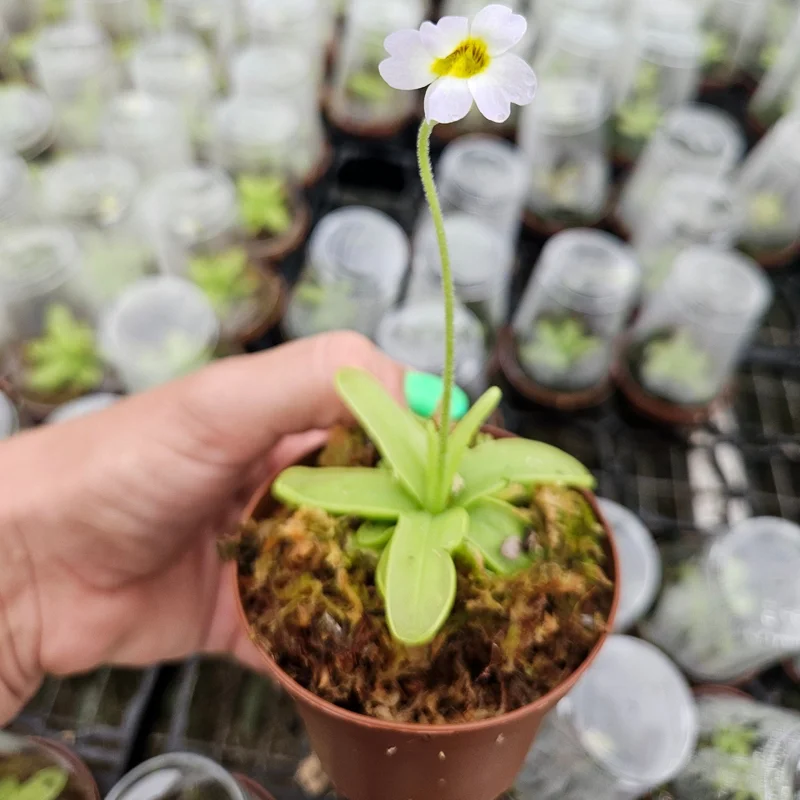
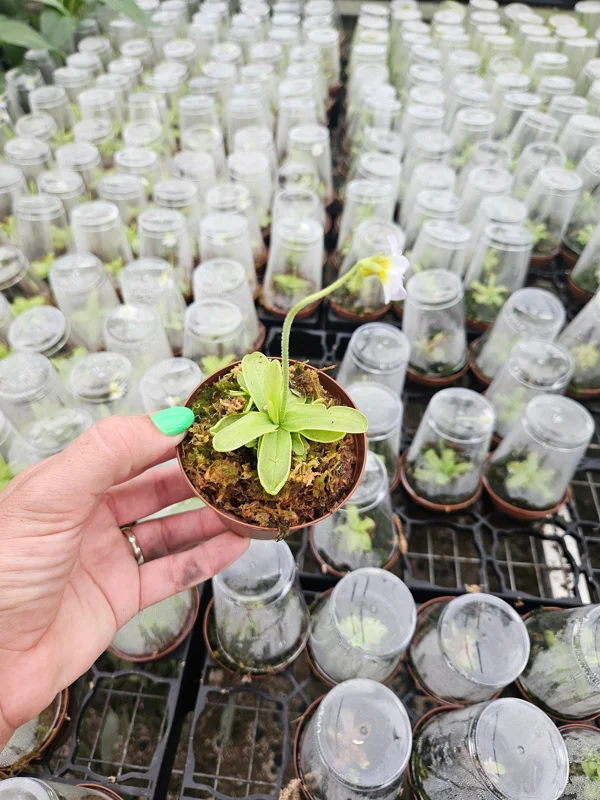
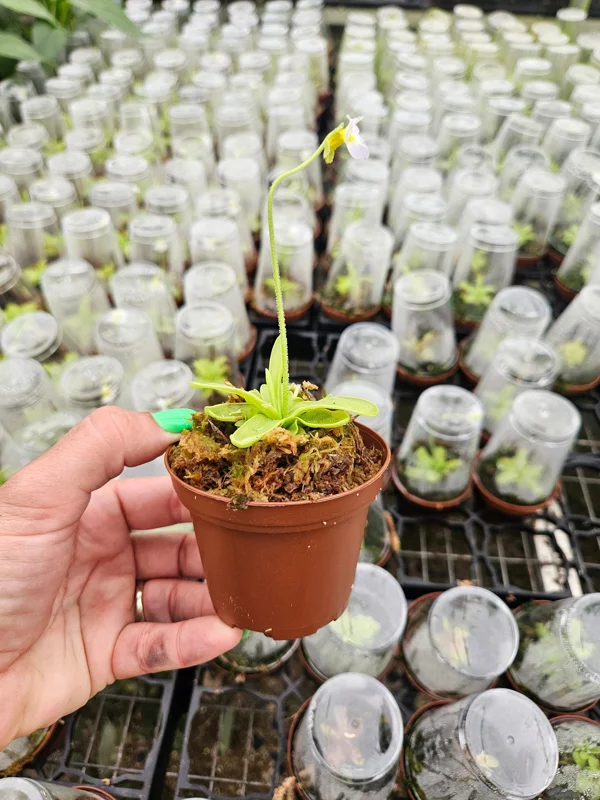
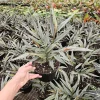
Welcome a captivating addition to your indoor plant collection with the butterwort live carnivorous plant, specifically the exquisite Pinguicula primuliflora. This unique botanical wonder is renowned for its sticky, dew-covered leaves that naturally trap small insects, offering an intriguing alternative to chemical pest control. Originating from boggy, humid environments, this particular butterwort variety is a charming and effective hunter, making it a fascinating conversation piece for any plant enthusiast. Housed in a convenient 3 inch pot, it arrives ready to display and begin its work, transforming your home into a miniature ecosystem. The Pinguicula primuliflora features delicate, rosette-forming leaves that develop a beautiful, almost iridescent sheen when well-hydrated, adding a touch of natural elegance to its carnivorous function. It’s a truly mesmerizing species for those seeking an unusual and beneficial houseplant.
The common name “butterwort” refers to the greasy or buttery feel of its leaves, which are actually covered in tiny glands that produce a sticky mucilage. This substance is irresistible to small gnats, fruit flies, and other tiny pests, making the plant an excellent natural solution for keeping unwanted insects at bay. Unlike some other carnivorous plants that require complex mechanisms, the butterwort’s method is elegantly simple yet highly effective. Its relatively compact size makes it an ideal choice for windowsills, desks, or terrariums, where its unique beauty and pest-controlling abilities can be fully appreciated. Embrace the natural wonder of the Pinguicula primuliflora care and enjoy the benefits of this living insect trap.
Key Benefits
Beyond its captivating appearance, the butterwort live carnivorous plant offers several key benefits that make it a superb choice for your home or office. Its natural pest control capabilities are a primary draw, effectively reducing populations of bothersome insects without the need for sprays or traps. This makes it a pet-friendly and eco-conscious option for maintaining a cleaner indoor environment.
- Natural Insect Control: The sticky leaves of the Pinguicula primuliflora are highly effective at trapping and consuming small flying insects like gnats, fruit flies, and even tiny mosquitoes, contributing to a healthier home environment.
- Unique Aesthetic Appeal: With its rosette-forming leaves and often delicate flowers, this butterwort adds an exotic and visually interesting element to any indoor plant display, serving as a natural conversation starter.
- Educational Value: Observing a carnivorous plant in action provides a fascinating educational opportunity for children and adults alike, teaching about plant adaptations and natural ecosystems.
- Compact Size: The relatively small stature of this butterwort, especially in its 3 inch pot, makes it ideal for smaller spaces such as desks, shelves, or terrariums, where it can be easily admired.
- Low Allergen Plant: Unlike some flowering plants, butterworts are generally considered low-allergen, making them a suitable choice for individuals with sensitivities.
- Air Purification: While not a primary air purifier, all live plants contribute to slightly improving indoor air quality by absorbing carbon dioxide and releasing oxygen.
- Stress Reduction: Tending to plants, especially unique ones like the butterwort plant for sale, can be a calming and rewarding hobby, promoting well-being and reducing stress.
Plant Care & Growing Tips
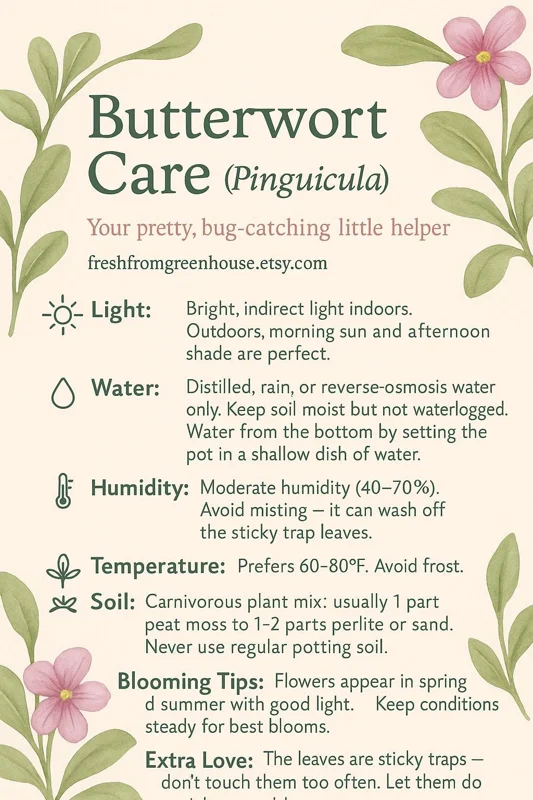
Caring for your butterwort live carnivorous plant, the Pinguicula primuliflora, is straightforward once you understand its specific needs. It thrives in conditions that mimic its natural boggy habitat. For optimal growth and health, bright, indirect light is paramount. Place your butterwort near a window that receives filtered sunlight, such as an east or west-facing window, or use a grow light if natural light is insufficient. Avoid harsh, direct afternoon sun, which can scorch its delicate leaves. Maintaining consistent moisture is crucial; use only distilled water, rain water, or reverse osmosis water, as tap water minerals can be detrimental to carnivorous plants. The tray method of watering is highly recommended: keep the pot sitting in a shallow dish of these purified waters, allowing the plant to absorb moisture from the bottom. The soil should always remain moist but not waterlogged.
The ideal temperature range for Pinguicula primuliflora is between 60-80°F (15-27°C), making it well-suited for typical indoor environments. It also appreciates moderate to high humidity, ideally between 40-70%. While misting is generally not recommended as it can wash off the sticky mucilage on the leaves, placing the plant on a pebble tray with water can help increase ambient humidity. The correct potting medium is vital for a healthy carnivorous plant soil mix. Never use standard potting soil, which is too rich in nutrients and can harm the plant. Instead, a specialized carnivorous plant mix, typically consisting of 1 part peat moss to 1-2 parts perlite or coarse sand, is ideal. This provides the necessary acidic, nutrient-poor, and well-draining environment. Fertilization is generally not required, as the plant obtains nutrients from the insects it catches. If insects are scarce, you can occasionally feed it a small, dead insect. Keep conditions steady for best blooms, which typically appear in spring and summer under good light.
Size & Details
This offering includes one healthy butterwort live carnivorous plant, Pinguicula primuliflora, presented in a 3 inch nursery pot. The plant typically forms a compact rosette, with a spread usually between 2-4 inches in diameter when mature. Its growth rate is moderate, and with proper care, it will gradually expand its rosette and produce new leaves. The plant will arrive established in its specialized carnivorous plant medium, ensuring a smooth transition to its new home. While exact height and leaf count may vary slightly due to natural growth, each plant is carefully selected to be a robust and representative specimen of the species. Expect your butterwort to arrive ready to start trapping insects and adding its unique beauty to your indoor garden. This species is known for its relatively modest size, making it a perfect fit for windowsills, terrariums, or as a fascinating desk companion.
Frequently Asked Questions
- Q: How big does this plant get? A: The butterwort live carnivorous plant typically forms a rosette that grows to about 2-4 inches in diameter, making it a compact and desk-friendly plant.
- Q: What size pot does it come in? A: This Pinguicula primuliflora is delivered in a standard 3 inch nursery pot, ready for display or placement into a decorative container.
- Q: Is this an indoor or outdoor plant? A: While it can tolerate outdoor conditions in very specific, humid, and mild climates, the Pinguicula primuliflora is primarily recommended as an indoor plant, where its specific care needs can be more easily met.
- Q: How much sunlight does it need? A: This butterwort thrives in bright, indirect light. Avoid direct, intense afternoon sun, which can harm the plant. Filtered light from an east or west-facing window is ideal.
- Q: Is this plant easy to care for? A: Yes, with an understanding of its specific requirements for water (distilled/rainwater) and proper carnivorous plant soil, it is considered a relatively easy carnivorous plant to care for, even for beginners.
- Q: What condition will it arrive in? A: Your butterwort plant for sale will arrive as a healthy, established live plant in its nursery pot, carefully packaged to ensure its safe transit.
- Q: Can I use tap water for my butterwort? A: No, you should only use distilled water, rainwater, or reverse osmosis water for your Pinguicula primuliflora. Tap water contains minerals that can build up and harm the plant over time.
- Q: How often should I water it? A: Keep the pot sitting in a shallow tray of purified water (the tray method), allowing the plant to absorb water from the bottom. The tray should rarely be allowed to dry out completely.
- Q: Does it need to be fed insects? A: If your indoor environment has small flying insects, the plant will catch them naturally. If not, you can occasionally place a small dead insect (like a dried bloodworm) on its leaves, but it doesn’t require constant feeding.
- Q: Will it survive winter in my zone? A: As an indoor houseplant, the Pinguicula primuliflora is not subject to outdoor USDA hardiness zones. Maintain consistent indoor temperatures between 60-80°F (15-27°C) for year-round health.






Reviews
There are no reviews yet.