Overview
Cultivate your own delicious and aromatic fruit with this calamansi live plant. Also known as Calamondin, this hybrid citrus is a popular choice for both seasoned gardeners and beginners, celebrated for its ornamental appeal and prolific fruit production. Originating from the Philippines, the Citrus mitis (Calamansi) plant produces small, round, intensely tart fruits that are a staple in many cuisines. This young, healthy plug plant is carefully nurtured to ensure a strong start, allowing you to easily transplant and grow your very own calamondin citrus tree. Whether you’re looking to add a touch of exotic beauty to your home or eager to harvest fresh citrus, this plant offers a rewarding growing experience.
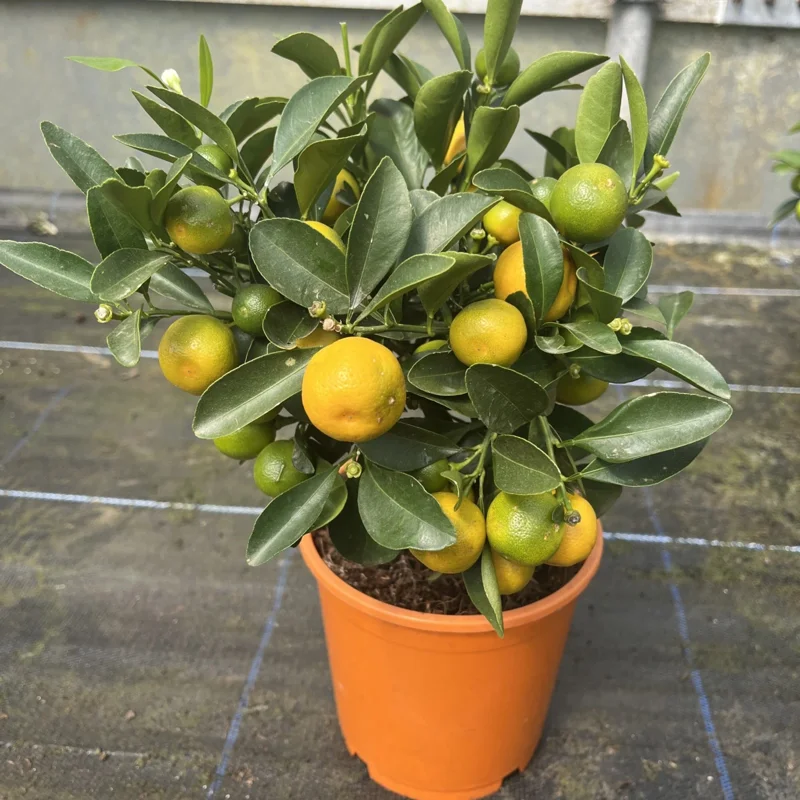
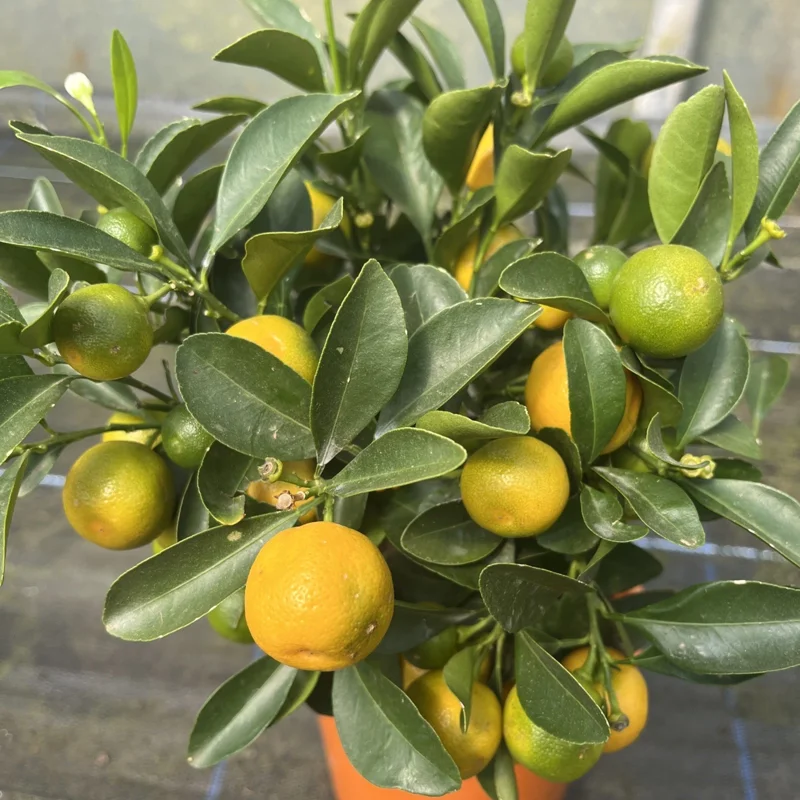
The calamansi live plant is a versatile and attractive addition to any space. It thrives in various environments, making it suitable for growing in containers indoors or outdoors in warmer climates. Its glossy green leaves and fragrant white flowers contribute to its aesthetic appeal, while the small, vibrant orange fruits provide a continuous harvest. This particular plant is a plug, ensuring it has a robust root system ready for successful establishment in your chosen pot or garden bed. Prepare to enjoy the delightful flavor and aromatic presence of your homegrown Calamansi.
Key Benefits
Growing a calamansi live plant offers numerous advantages, from its aesthetic charm to its practical culinary uses. This versatile citrus tree is an excellent choice for anyone looking to enhance their home or garden with a productive and beautiful plant.
- Abundant Fruit Production: Enjoy a steady supply of small, tart, and flavorful calamansi fruits, which are perfect for drinks, marinades, desserts, and sauces. The plant often bears fruit year-round in ideal conditions.
- Ornamental Appeal: With its glossy evergreen leaves, fragrant white blossoms, and bright orange fruits, the calamondin citrus tree is a stunning decorative plant for patios, balconies, or sunny indoor spaces.
- Fragrant Blooms: The delicate white flowers emit a sweet, pleasant fragrance that can perfume your home or garden, attracting beneficial pollinators if grown outdoors.
- Culinary Versatility: The juice of calamansi fruits is prized for its unique sweet and sour flavor, offering a distinct taste that enhances a wide array of dishes and beverages.
- Container Friendly: This citrus variety adapts well to container living, making it ideal for those with limited garden space or for bringing indoors during colder months.
- Relatively Easy Care: Compared to some other citrus varieties, the calamansi live plant is known for being quite resilient and forgiving, making it a good choice for gardeners of all experience levels.
- Health Benefits: Calamansi fruits are rich in Vitamin C and antioxidants, contributing to a healthy lifestyle.
Plant Care & Growing Tips
Proper care is essential for a thriving calamansi live plant. These plants prefer warm, humid environments and consistent moisture. When planting your plug, choose a well-draining pot with ample space for root growth and use a high-quality potting mix specifically formulated for citrus plants or a general-purpose mix amended with perlite and peat moss for good drainage and moisture retention. Ensure the pot has drainage holes to prevent waterlogging, which can be detrimental to citrus roots.
Sunlight requirements: The calamondin citrus tree thrives in bright light. Aim for at least 6-8 hours of direct sunlight per day. If growing indoors, place it near a south-facing window or supplement with a grow light. Outdoors, a spot with full sun to partial shade is ideal, especially in regions with intense afternoon sun. Watering schedule: Water thoroughly when the top inch of soil feels dry to the touch. Avoid letting the plant sit in standing water, but also don’t let the soil dry out completely. Reduce watering slightly during cooler months. Soil type: A slightly acidic, well-draining soil is best. The USDA Hardiness Zone for this plant is 13 (> 60 °F), indicating it prefers warmer climates and should be protected from frost. If you want to grow calamansi indoors, ensure consistent temperatures above 60°F. Fertilization: Feed your calamansi live plant with a balanced citrus-specific fertilizer during its active growing season (spring through fall), following the product’s instructions. Look for signs of nutrient deficiency, such as yellowing leaves, and adjust feeding as needed. Pruning can be done to maintain shape and encourage bushier growth.
Size & Details
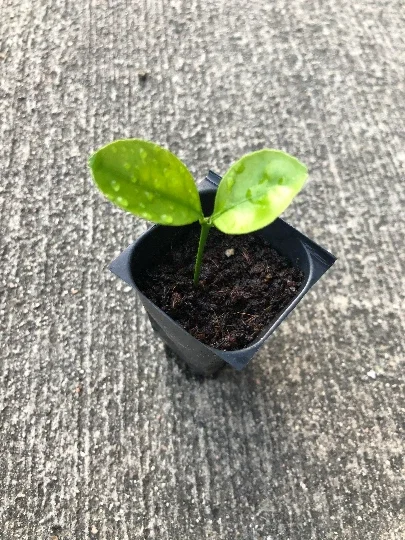
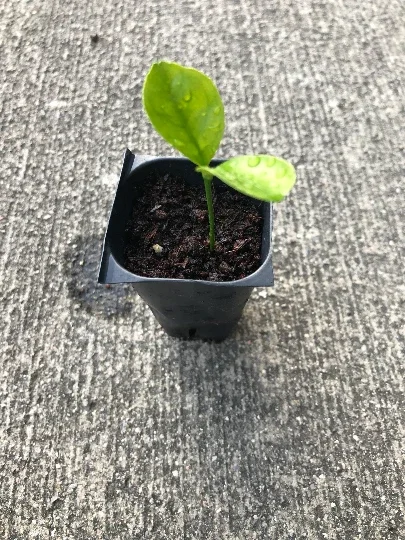
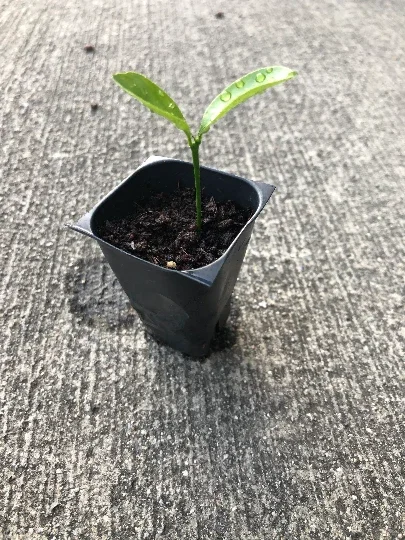
This offering is for one (x1) calamansi live plant, provided as a healthy plug plant. Plug plants are young plants with an established root system, making them ideal for transplanting into larger pots or garden beds. The exact size of the plug can vary but typically allows for robust growth once planted. Given proper care, this plant will grow into a compact bush or shrub, reaching a mature height of approximately 6 to 10 feet if grown in the ground, and a smaller, more manageable size in containers. It is known for its relatively fast growth rate, and with optimal conditions, you can expect fruit production within 1-2 years.
The calamondin citrus tree is suitable for USDA Hardiness Zone 13 and above, meaning it thrives in subtropical and tropical climates where temperatures rarely drop below 60°F. In colder regions, it is best grown in a container and brought indoors during winter months. This plant is of the Citrus genus and is an exotic fruit tree, primarily chosen for its ornamental value and delicious fruit. It requires medium watering and can tolerate both partial shade and full sun, though full sun generally leads to better fruit production. This particular plant is unbranded, focusing on the quality of the specimen itself.
Frequently Asked Questions
- Q: How big does this calamansi live plant get? A: If planted in the ground in ideal conditions, a calamondin citrus tree can grow to be 6-10 feet tall. When grown in a container, its size will be more constrained and can be maintained with regular pruning, typically reaching 3-5 feet.
- Q: What size pot does it come in? A: This is a plug plant, meaning it comes with an established root system but is a very young plant. It will need to be transplanted into a larger pot, typically starting with a 4-6 inch pot, and then gradually moved to larger containers as it grows.
- Q: Is this an indoor or outdoor plant? A: The calamansi live plant is versatile. It can be grown outdoors in USDA Hardiness Zone 13 and above (subtropical/tropical climates). In colder regions, it is best grown indoors in a sunny location or moved indoors during winter.
- Q: How much sunlight does it need? A: For optimal growth and fruit production, this calamondin citrus tree requires at least 6-8 hours of direct sunlight daily. If growing indoors, place it near a south-facing window or use supplemental grow lights.
- Q: Is this plant easy to care for? A: Yes, the calamansi live plant is considered relatively easy to care for compared to some other citrus varieties, making it a good choice for beginners. Consistent watering, adequate sunlight, and proper fertilization are key to its success.
- Q: What condition will it arrive in? A: Your calamansi live plant will arrive as a healthy plug plant with an established root system, carefully packaged to ensure its safe transit and ready for you to pot.
- Q: Can I use calamansi in cooking? A: Absolutely! Calamansi fruits are highly valued in cooking for their tart, unique flavor. They are commonly used in juices, marinades for meats and fish, desserts, and as a souring agent in various dishes.
- Q: How long until it blooms and produces fruit? A: With proper care, a young calamondin citrus tree typically begins to bloom and produce fruit within 1-2 years of planting. In ideal conditions, it can bear fruit almost continuously.
- Q: When is the best time to plant this calamansi live plant? A: If growing outdoors, spring to early summer is generally the best time to plant, allowing the plant to establish before colder weather. For indoor growing, it can be potted year-round.
- Q: Will it survive winter in my zone? A: The calamansi live plant is cold-sensitive. It thrives in USDA Hardiness Zone 13 and above. If you live in a colder zone, you must bring the plant indoors before temperatures drop below 60°F.


Reviews
There are no reviews yet.