Overview
Ignite your taste buds and elevate your gardening experience with our premium selection of cayenne long slim red chili pepper live plants. This exceptional offering includes three robust, approximately 75-day-old plants, carefully nurtured to ensure they arrive healthy and ready to flourish in your garden. The Cayenne Long Slim variety is renowned for its elongated, slender red fruits that pack a significant but manageable heat, making them a favorite among chili enthusiasts and home cooks alike. These vibrant pepper plants are perfect for adding a touch of spice and color to your outdoor spaces, whether in a dedicated vegetable patch or decorative containers. Growing your own super hot pepper plants allows for the freshest ingredients right at your fingertips, providing an unparalleled flavor to your dishes.
Our red chili pepper plants are a fantastic choice for those looking to explore the world of spicy gardening. They are known for their prolific yield and relatively straightforward care, making them suitable for both novice and experienced gardeners. The plants produce beautiful green foliage before the peppers ripen to a brilliant red, offering ornamental appeal in addition to their culinary value. Prepare to enjoy a continuous harvest of these versatile peppers, perfect for drying, making hot sauces, or adding a kick to your favorite meals.
Key Benefits
Investing in these cayenne long slim red chili pepper live plants brings a multitude of advantages to your garden and kitchen. They offer a rewarding growing experience and a bountiful harvest.
- Abundant Harvest: Each of these super hot pepper plants is a prolific producer, ensuring you have a steady supply of fresh cayenne peppers throughout the growing season for all your culinary needs.
- Exceptional Flavor & Heat: The Cayenne Long Slim variety delivers a classic, sharp heat and distinct flavor that enhances salsas, stir-fries, and any dish requiring a spicy kick.
- Garden Versatility: These plants thrive in various settings, from in-ground garden beds to patio containers, making them adaptable to different garden sizes and styles.
- Vibrant Visual Appeal: Beyond their taste, the bright red, slender peppers create a stunning visual contrast against the lush green foliage, adding an attractive element to your garden.
- Freshness Guaranteed: By growing cayenne peppers at home, you ensure the freshest possible ingredients for your cooking, free from pesticides and picked at peak ripeness.
- Easy to Grow: These 75-day-old plants are already well-established, simplifying the planting process and significantly reducing the time to your first harvest.
- Health Benefits: Cayenne peppers are known for their capsaicin content, which is associated with various health benefits, including boosting metabolism and reducing pain.
Plant Care & Growing Tips
Successful cayenne pepper plant care is relatively simple, ensuring a bountiful harvest of these delightful peppers. These cayenne long slim red chili pepper live plants prefer a warm climate and specific conditions to thrive. For optimal growth and fruit production, select a location that receives at least 6-8 hours of direct sunlight per day. If growing indoors, a south-facing window or supplemental grow lights will be beneficial. Ensure good air circulation to prevent fungal diseases, especially in humid conditions.
Watering is crucial for healthy pepper plants. Keep the soil consistently moist but never waterlogged. Allow the top inch of soil to dry out slightly between waterings. Overwatering can lead to root rot, while underwatering can stress the plant and reduce fruit yield. Good drainage is essential, so if planting in containers, choose pots with drainage holes. For soil, a rich, well-draining potting mix is ideal. Amend garden soil with compost to improve fertility and drainage. These plants perform best in soil with a pH between 6.0 and 6.8.
Cayenne peppers are warm-season crops and are sensitive to frost. Plant outdoors after all danger of frost has passed and night temperatures consistently stay above 50°F (10°C). They thrive in temperatures between 70-85°F (21-29°C). Fertilize your red chili pepper plants every 2-4 weeks with a balanced fertilizer or one higher in phosphorus and potassium once flowering begins to encourage fruit set. Watch out for common pests like aphids and spider mites, and treat promptly with organic pest control methods if necessary. Proper cayenne pepper plant care will reward you with a continuous supply of spicy peppers.
Size & Details
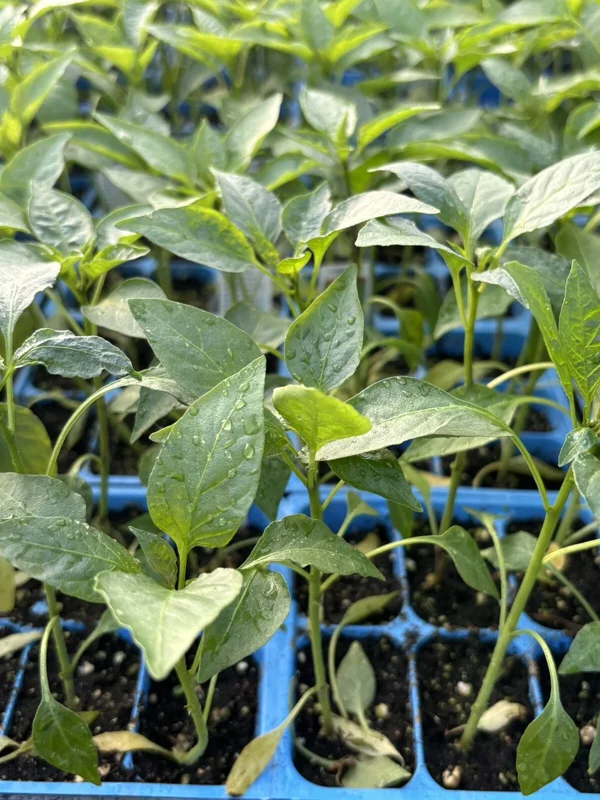
This offering includes a lot of three healthy cayenne long slim red chili pepper live plants. Each plant is approximately 75 days old, indicating a well-established root system and significant vegetative growth, making them ready for transplanting into your garden or larger pots. While specific dimensions can vary, these plants typically stand several inches tall upon arrival and are actively growing. The Cayenne Long Slim variety is known to reach a mature height of 2-3 feet and a similar spread, producing numerous slender, red peppers that can grow 4-6 inches long. The growth rate is moderate, with peppers typically ready for harvest around 70-80 days after transplanting.
These super hot pepper plants will arrive carefully packaged to minimize stress during transit. They are shipped in their vegetative growth stage, ensuring they are robust enough to adapt to their new environment. Expect a continuous harvest from mid-summer until the first frost. For optimal results, provide ample space for each plant to grow, ensuring good air circulation and light exposure. This trio provides a fantastic foundation for any gardener interested in growing cayenne peppers for fresh use or preservation.
Frequently Asked Questions
- Q: How big do these cayenne long slim red chili pepper live plants get? A: At maturity, these plants typically reach a height of 2 to 3 feet and can spread similarly wide, depending on growing conditions and care.
- Q: What size pot does it come in? A: The plants are approximately 75 days old and are shipped in a suitable nursery pot to ensure their health during transit. We recommend transplanting into a larger pot, at least 2-3 gallons, or directly into the garden upon arrival.
- Q: Is this an indoor or outdoor plant? A: While primarily an outdoor plant for optimal fruit production, it can be grown indoors in a sunny location or with supplemental grow lights, especially in cooler climates. It thrives in warm, sunny outdoor conditions.
- Q: How much sunlight does it need? A: For the best yield of red chili pepper plants, they require at least 6-8 hours of direct sunlight per day. Partial shade may be tolerated in extremely hot climates, but full sun is preferred.
- Q: Is this plant easy to care for? A: Yes, these super hot pepper plants are considered relatively easy to care for, making them suitable for gardeners of all experience levels. Consistent watering and adequate sunlight are key for successful cayenne pepper plant care.
- Q: What condition will it arrive in? A: Your plants will arrive healthy and well-rooted, carefully packaged to protect them during shipping. They are approximately 75 days old and in their vegetative growth stage, ready for planting.
- Q: Can I use cayenne long slim red chili peppers in cooking? A: Absolutely! These peppers are perfect for adding heat to a wide variety of dishes, including salsas, hot sauces, stir-fries, and spice rubs. They can also be dried and ground into cayenne pepper powder.
- Q: How long until it produces peppers? A: Since these plants are already 75 days old, you can expect fruit production to begin relatively quickly, typically within 2-4 weeks after transplanting, with a full harvest ready in about 70-80 days from transplant.
- Q: When is the best time to plant these chili peppers? A: The best time to plant these live pepper plants outdoors is after all danger of frost has passed in your region, usually in late spring or early summer, when soil temperatures have warmed up.
- Q: Will it survive winter in my zone? A: Cayenne pepper plants are tender perennials and are typically grown as annuals in most USDA hardiness zones. In zones 9-11, they may survive winter if protected, but in colder zones, they will need to be brought indoors or replanted each year.



Reviews
There are no reviews yet.