Overview
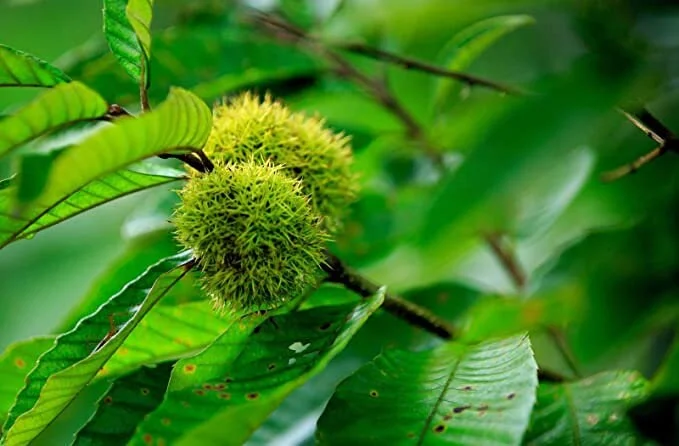
Cultivate your very own nut-producing giant with this Chinese Chestnut Tree live plant. Arriving 6 to 12 inches tall in a sturdy 4-inch pot, this young tree is ready to establish itself in your garden. The Chinese Chestnut Tree, scientifically known as Castanea mollissima, is renowned for its delicious, sweet nuts and its impressive, spreading canopy. Unlike its American counterpart, the Chinese Chestnut possesses a natural resistance to the devastating chestnut blight, making it a reliable and rewarding choice for growers across the United States. This versatile tree is not just a source of food; it also offers significant ornamental value, providing dense shade and a handsome structure to any landscape. Whether you’re looking to create an orchard, enhance wildlife habitats, or simply enjoy the beauty of a majestic tree, the Chinese Chestnut Tree live plant is an excellent addition. Its adaptability to various soil conditions and its drought tolerance once established make it a relatively easy tree to grow, suitable for a range of climates.
Key Benefits
The Chinese Chestnut Tree live plant offers a multitude of benefits, making it a popular choice for both home gardeners and commercial growers. Its robust nature and abundant yields contribute to its widespread appeal, ensuring a rewarding experience for those who choose to plant it.
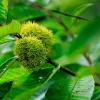
- Abundant Nut Production: This tree is a prolific producer of large, sweet chestnuts, which are highly prized for human consumption and provide a vital food source for wildlife. You can look forward to harvesting a delicious crop once the tree matures.
- Blight Resistance: Unlike many other chestnut species, the Chinese Chestnut is naturally resistant to chestnut blight, ensuring a healthier and longer-lived tree that will thrive for decades. This resistance makes planting Chinese Chestnut tree a reliable choice.
- Excellent Shade Tree: With an impressive mature height and spread of 40-60 feet, this tree develops a dense and handsome canopy, providing ample shade for your yard or patio during hot summer months. It’s perfect for creating a cool, inviting outdoor space.
- Edible Landscaping: Integrate this tree into your edible landscape design, enjoying both its aesthetic beauty and its practical yield of nuts. It adds a unique dimension to sustainable gardening practices.
- Hardy and Adaptable: The Chinese Chestnut Tree is known for its hardiness, thriving in USDA Zones 4-8, and its ability to tolerate drought once established. This makes growing Chinese Chestnut relatively straightforward in a variety of conditions.
- Wildlife Attractor: The nuts produced by this tree are a favorite food source for deer, squirrels, and other wildlife, making it an excellent choice for those looking to support local ecosystems and attract diverse animal life to their property.
- Year-Round Interest: From its spring blossoms to its summer foliage, autumn nuts, and winter structure, the Chinese Chestnut offers visual interest throughout the seasons.
Plant Care & Growing Tips
Proper Chinese Chestnut tree care is essential for ensuring a healthy and productive tree. While generally hardy, providing the right conditions from the start will promote vigorous growth and abundant nut yields. These trees are quite versatile, but they perform best when their specific needs are met.
For optimal growth, the Chinese Chestnut Tree requires full sun, meaning at least 6-8 hours of direct sunlight per day. Choose a planting site that receives ample sun exposure throughout the day. When it comes to watering, young trees need consistent moisture to establish their root system. Water thoroughly once or twice a week, especially during dry periods, ensuring the soil remains moist but not waterlogged. Once established, the tree becomes more drought-tolerant but will still benefit from occasional deep watering during prolonged dry spells. The ideal soil for growing Chinese Chestnut trees is moist, well-drained, and acidic, with a pH between 5.5 and 6.5. Avoid heavy clay soils that retain too much water, as this can lead to root rot. Amending the soil with organic matter like compost can improve drainage and fertility. These trees are hardy in USDA Zones 4-8, tolerating a wide range of winter temperatures.
Fertilization can encourage faster growth, especially for young trees. In early spring, apply a balanced, slow-release fertilizer designed for trees and shrubs, following the manufacturer’s instructions. Avoid over-fertilizing, which can burn the roots. Pruning should focus on removing dead, damaged, or crossing branches to maintain a strong central leader and an open canopy. This also helps improve air circulation and light penetration. While generally resistant to blight, keep an eye out for common pests and diseases. Good horticultural practices, such as proper spacing and sanitation, can help prevent issues. Regularly inspect leaves and bark for any signs of trouble and address them promptly. Remember that patience is key when planting Chinese Chestnut tree, as it may take several years for the tree to begin producing nuts.
Size & Details
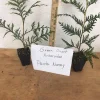
This offering is for one Chinese Chestnut Tree live plant, currently measuring approximately 6 to 12 inches tall. It arrives actively growing in a 4-inch nursery pot, complete with an established and healthy root system. This size is ideal for transplanting directly into your garden or a larger container. At maturity, expect your Chinese Chestnut Tree to reach an impressive height and spread of 40-60 feet, forming a majestic, spreading canopy. The growth rate is moderate, allowing the tree to establish itself well over time. The nuts typically begin to appear within 5-7 years after planting, with full production achieved in 10-15 years. This tree will be shipped as a potted plant, ensuring minimal transplant shock and a smooth transition to its new home. Its robust nature makes it a valuable addition to any long-term landscape plan, particularly for those interested in edible landscape trees.
Frequently Asked Questions
- Q: How big does this Chinese Chestnut Tree live plant get? A: This young plant is 6-12 inches tall upon arrival. At maturity, a Chinese Chestnut Tree can reach an impressive height and spread of 40-60 feet, creating a substantial canopy.
- Q: What size pot does it come in? A: Your Chinese Chestnut Tree live plant will arrive in a 4-inch nursery pot, providing a healthy root system ready for transplanting.
- Q: Is this an indoor or outdoor plant? A: The Chinese Chestnut Tree is an outdoor plant, intended for planting in your garden or orchard. It requires full sun exposure to thrive.
- Q: How much sunlight does it need? A: This tree requires full sun, meaning at least 6-8 hours of direct sunlight daily for optimal growth and nut production.
- Q: Is this plant easy to care for? A: Yes, once established, the Chinese Chestnut Tree is relatively easy to care for. It’s known for its hardiness and drought tolerance, making Chinese Chestnut tree care manageable for most gardeners.
- Q: What condition will it arrive in? A: Your plant will arrive as a live, actively growing specimen in a 4-inch pot with a well-established root system, ready for planting.
- Q: Will it survive winter in my zone? A: Chinese Chestnut Trees are hardy in USDA Zones 4-8, making them suitable for a wide range of climates and able to withstand cold winters in these zones.
- Q: How long until it produces nuts? A: You can typically expect your Chinese Chestnut Tree to begin producing nuts within 5-7 years after planting, with full production achieved around 10-15 years.
- Q: Can I use the nuts for cooking? A: Absolutely! The Chinese Chestnut produces delicious, sweet nuts that are excellent for roasting, baking, or eating fresh. They are a wonderful addition to your kitchen and an ideal output for edible landscape trees.
- Q: What is the best way of planting Chinese Chestnut tree? A: Choose a site with full sun and well-draining, acidic soil. Dig a hole twice as wide as the root ball and just as deep. Place the tree, backfill with soil, and water thoroughly.





Reviews
There are no reviews yet.