Overview
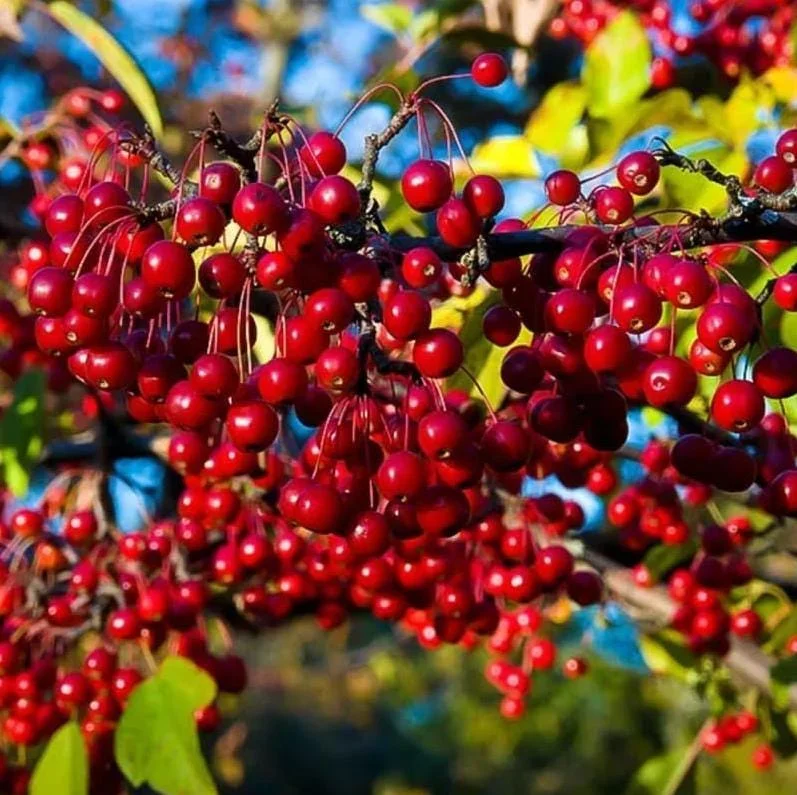
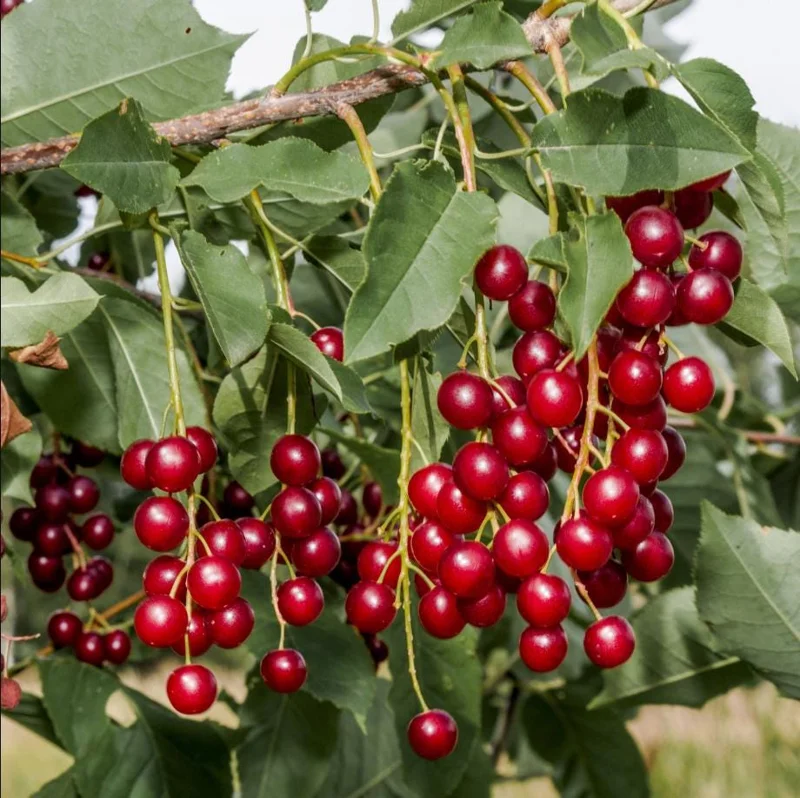
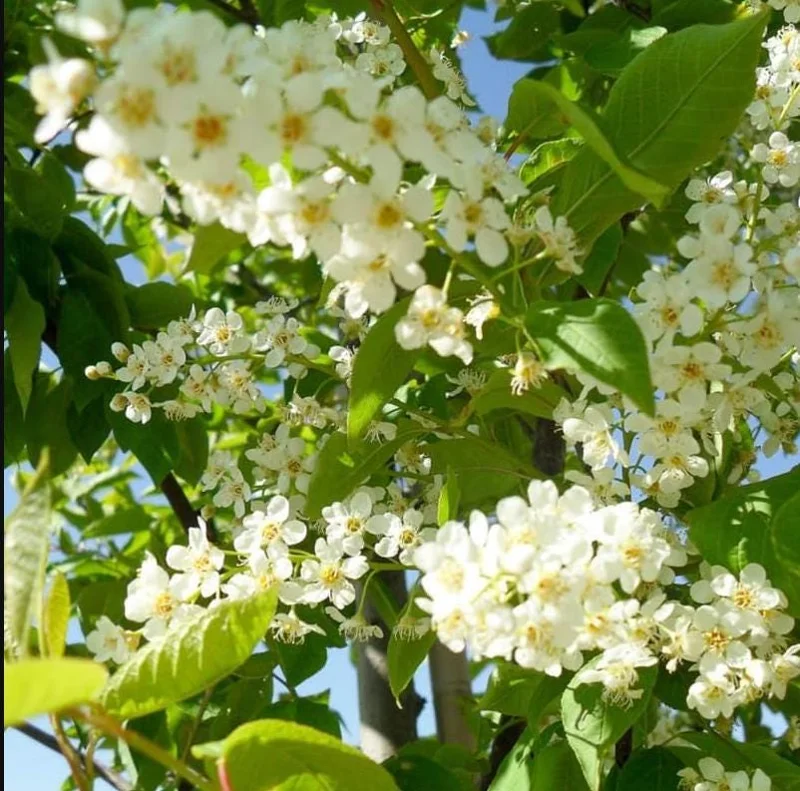
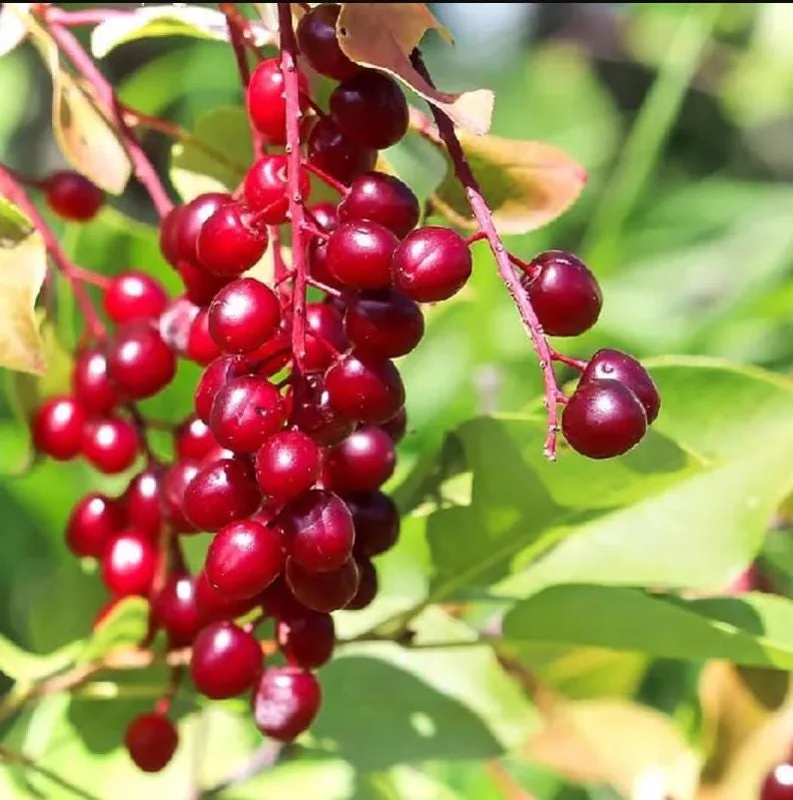
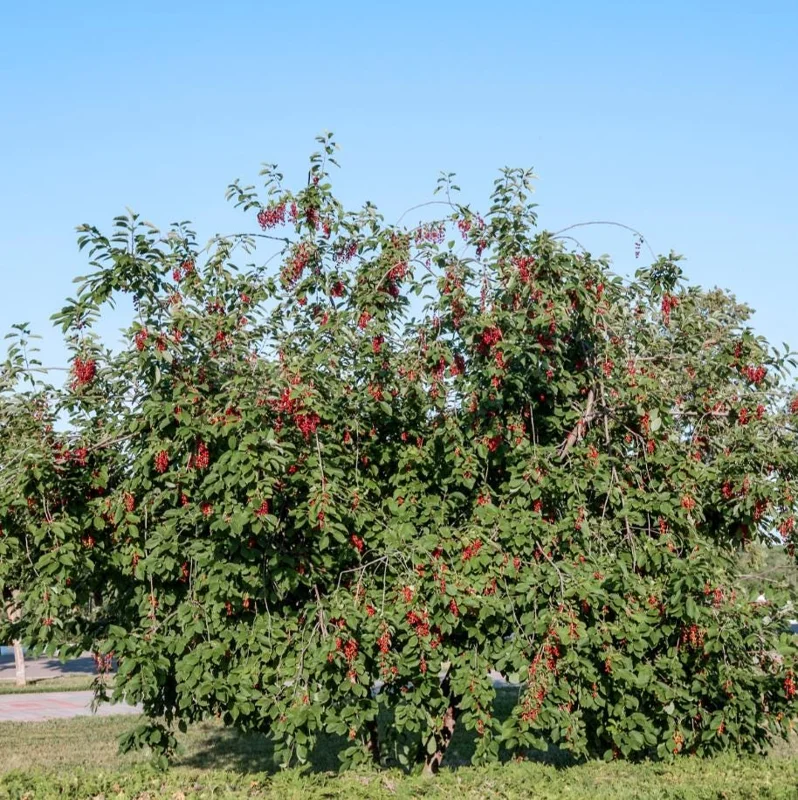
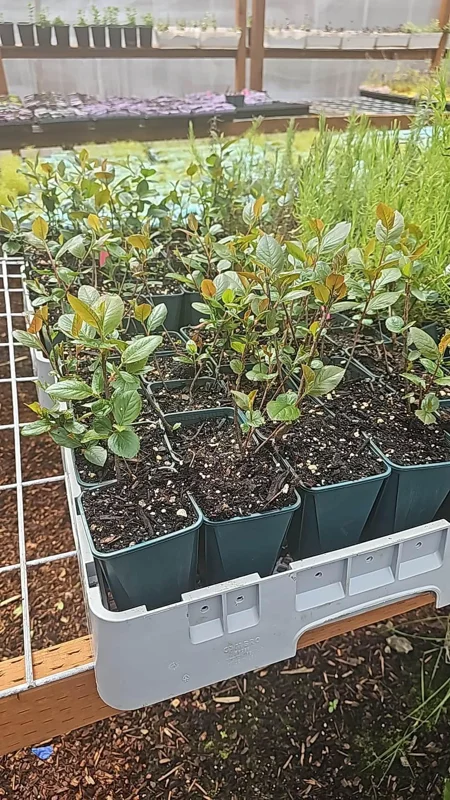
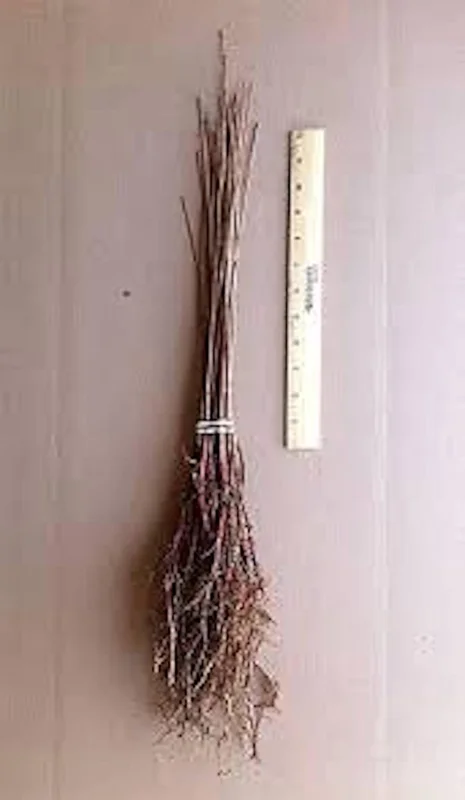
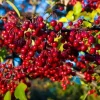
Experience the joy of growing your own native fruit-bearing tree with this chokecherry live plant. Also known as red chokecherry tree or Prunus virginiana, this deciduous shrub or small tree is a fantastic addition to any home garden, offering both aesthetic appeal and practical benefits. Known for its clusters of white flowers in spring, followed by dark red to purple berries in late summer, the chokecherry is a resilient and beautiful specimen. These plants are shipped as young, healthy specimens, typically 4-8 inches tall in a 5-inch pot, ready for planting and establishment in your landscape. They are perfect for creating naturalized areas, providing food for local wildlife, or simply enjoying their seasonal beauty.
A chokecherry live plant is an excellent choice for gardeners looking for a low-maintenance yet rewarding tree. Its adaptability to various soil conditions and its extreme cold hardiness make it suitable for a wide range of climates. Beyond its ornamental value, the chokecherry is celebrated for its edible fruit, which can be used in jams, jellies, pies, and sauces. This native plant also plays a crucial role in supporting local ecosystems, attracting pollinators and birds. Opting for a prunus virginiana plant means investing in a piece of nature that will flourish and contribute to your garden’s biodiversity for years to come.
Key Benefits
Adding a chokecherry live plant to your garden offers numerous advantages, enhancing both its beauty and ecological value. This robust tree provides a unique combination of ornamental features and practical uses.
- Edible Fruit Production: Enjoy clusters of dark red to purple berries that mature in late summer. These tart fruits are perfect for making delicious jams, jellies, syrups, and pies, offering a bounty for your kitchen.
- Wildlife Attraction: The berries are a significant food source for birds and other wildlife, while the spring flowers attract pollinators like bees and butterflies, enriching your garden’s ecosystem.
- Ornamental Appeal: Featuring attractive white flower clusters in spring, lush green foliage throughout the summer, and often vibrant fall colors, the red chokecherry tree provides year-round visual interest.
- Native Plant Benefits: As a native species, prunus virginiana plant is well-adapted to local conditions, requiring less intervention and contributing to biodiversity.
- Cold Hardiness & Drought Tolerance: Extremely resilient, this plant can withstand very cold temperatures and, once established, is remarkably drought-tolerant, making it an easy-care option.
- Pollinator Support: The fragrant spring blooms are a magnet for various pollinators, playing a vital role in supporting local bee and butterfly populations.
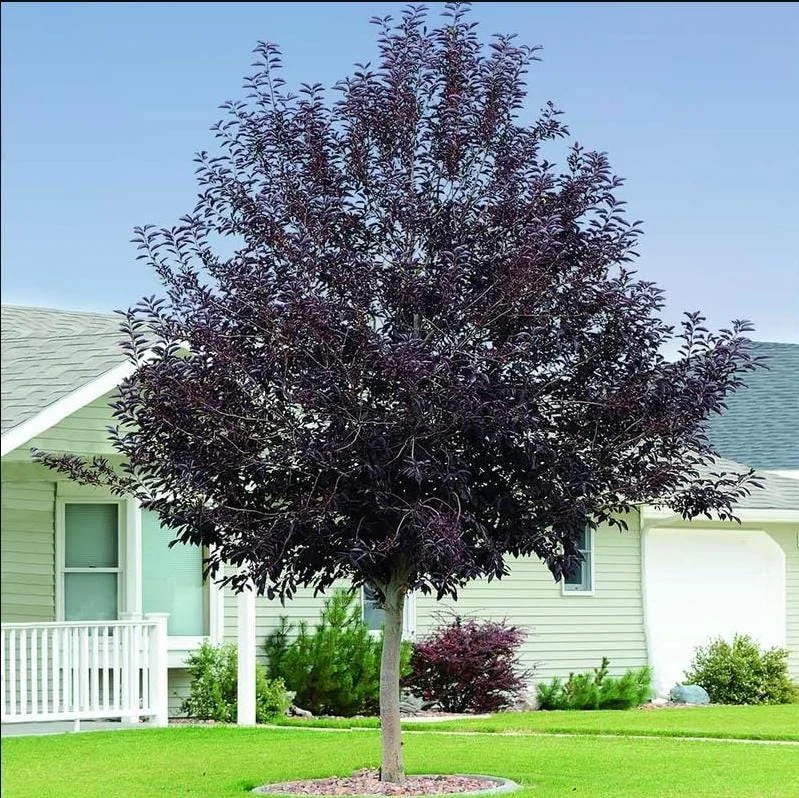
- Versatile Landscaping: Suitable for hedges, windbreaks, naturalized areas, or as a specimen tree, the chokecherry live plant fits into diverse garden designs.
Plant Care & Growing Tips
Caring for your chokecherry live plant is relatively straightforward, especially once it’s established. This hardy native tree thrives with minimal fuss when given the right conditions. For optimal growth, plant your chokecherry in a location that receives full sun to partial shade. Full sun (at least 6 hours of direct sunlight daily) will encourage the best flowering and fruit production. While it tolerates some shade, too much shade can lead to sparse fruiting and leggy growth. Ensure the planting site has good air circulation to prevent fungal issues.
When it comes to soil, the chokecherry is quite adaptable, thriving in a range of soil types from sandy to clay, as long as it is well-draining. Avoid locations where water tends to pool. During its first year after planting, regular watering is crucial to help the young plant establish a strong root system. Keep the soil consistently moist but not waterlogged. Once established, the red chokecherry tree becomes remarkably drought-tolerant and will only require supplemental watering during prolonged dry spells. Fertilization is generally not necessary in rich soils, but if your soil is poor, a balanced slow-release fertilizer applied in early spring can be beneficial. Pruning can be done in late winter or early spring to remove dead, damaged, or crossing branches, and to maintain a desirable shape and size. The cold hardy chokecherry is known for its resilience.
Size & Details
This offering is for a young chokecherry live plant, typically ranging from 4 to 8 inches in height, shipped in a convenient 5-inch nursery pot. This size is ideal for transplanting, allowing the plant to quickly establish itself in your garden or a larger container. The growth rate of the prunus virginiana plant is moderate, generally adding 1-2 feet per year once established, eventually reaching a mature height of 10-25 feet with a similar spread, depending on growing conditions and pruning. It will arrive as a healthy, actively growing plant, carefully packaged to ensure its safe journey to your home. Expect flowers in spring and ripe, edible berry plant fruits in late summer, usually within a few years of planting.
Frequently Asked Questions
- Q: How big does this chokecherry live plant get? A: A chokecherry live plant typically grows to a mature height of 10-25 feet with a spread of 8-15 feet, depending on growing conditions and whether it is allowed to grow as a multi-stemmed shrub or a single-trunk tree.
- Q: What size pot does it come in? A: This red chokecherry tree is shipped in a 5-inch nursery pot, and the young plant stands approximately 4-8 inches tall, ready for transplanting.
- Q: Is this an indoor or outdoor plant? A: The chokecherry is an outdoor plant, best suited for garden beds, landscapes, or large outdoor containers where it can receive adequate sunlight and space to grow.
- Q: How much sunlight does it need? A: For best results, your prunus virginiana plant should receive full sun (at least 6 hours of direct sunlight daily), though it can tolerate partial shade.
- Q: Is this plant easy to care for? A: Yes, the chokecherry is considered an easy-care plant. It is very cold hardy and drought-tolerant once established, making it suitable for beginners.
- Q: What condition will it arrive in? A: Your chokecherry live plant will arrive as a healthy, actively growing plant, carefully packaged to minimize stress during transit.
- Q: Can I use the berries from this edible berry plant? A: Absolutely! The berries are edible and commonly used for making jams, jellies, pies, and sauces. They are quite tart when fresh.
- Q: When is the best time to plant a chokecherry? A: The best time to plant is in spring or fall when temperatures are moderate, allowing the plant to establish its root system before extreme heat or cold.
- Q: Will this cold hardy chokecherry survive winter in my zone? A: Yes, the chokecherry is extremely cold-hardy, thriving in a wide range of USDA zones, typically from zone 2 to 7.
- Q: What’s the minimum temperature this plant can tolerate? A: This cold hardy chokecherry can tolerate very low temperatures, well below freezing, making it suitable for cold winter climates.





Reviews
There are no reviews yet.