Overview
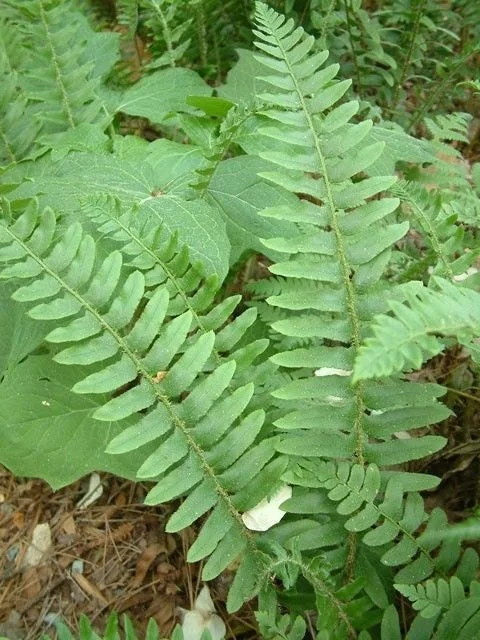
Introduce lasting greenery and elegant texture to your garden with this offering of 5 Christmas fern bare root plants. The Christmas fern, scientifically known as Polystichum acrostichoides, is a beloved native perennial celebrated for its evergreen fronds that provide visual interest throughout all seasons, even winter. Unlike many other ferns that lose their foliage, the Christmas fern bare root maintains its lush appearance, making it a reliable choice for year-round beauty. These bare root specimens are ready to be planted and establish themselves, promising a resilient and beautiful addition to your landscape. They are particularly well-suited for shaded areas where other plants might struggle, creating a serene and naturalistic feel.
The common name “Christmas fern” comes from its ability to stay green through the winter, often used in holiday decorations. This particular variety, Polystichum acrostichoides, is a North American native, indicating its robust nature and adaptability to various climates within its hardiness zones. When you plant these bare roots, you’re not just adding a plant; you’re cultivating a piece of natural heritage that will enhance your garden’s biodiversity and aesthetic appeal for years to come. Their unique frond structure and vibrant green color make them a standout, even among other shade-loving plants, ensuring your garden remains captivating.
Key Benefits
The Christmas fern bare root offers numerous advantages for any gardener looking to enhance their outdoor space with minimal effort and maximum impact. Its enduring beauty and robust nature make it an excellent choice for a variety of landscape designs.
- Evergreen Foliage: Enjoy vibrant green fronds throughout the entire year. These ferns retain their leaves even through the coldest months, providing continuous visual interest when many other plants have died back. This makes them invaluable for winter garden appeal.
- Shade Tolerant: Perfectly suited for those challenging shaded areas in your garden where other plants struggle. The Polystichum acrostichoides thrives in partial to full shade, brightening up dim corners and under tree canopies.
- Drought Tolerant: Once established, the drought tolerant fern requires minimal watering, making it a low-maintenance option for busy gardeners or regions with water restrictions. Its resilience helps it withstand periods of dryness.
- Versatile Landscaping: Ideal for use as groundcover, edging along pathways, or as an accent plant in woodland gardens. Its tidy growth habit and attractive texture complement a wide range of garden styles.
- Hardy & Resilient: Known for its ability to adapt to a wide range of conditions, from dry to moist soil. This makes it a very accommodating and hardy garden fern, suitable for various garden environments.
- Erosion Control: Its fibrous root system helps stabilize soil on slopes and banks, making it an excellent choice for erosion control in naturalized settings. The dense foliage also helps suppress weeds.
- Native Plant: Being a native species, it supports local ecosystems and wildlife, contributing to a healthy and balanced garden environment. This also means it’s naturally adapted to local conditions.
Plant Care & Growing Tips
Caring for your Christmas fern bare root plants is relatively straightforward, as they are known for their resilience and adaptability. To ensure successful establishment and vigorous growth, understanding their preferred conditions is key. These ferns thrive in partial to full shade. While they can tolerate some morning sun, direct afternoon sun should be avoided, as it can scorch their delicate fronds. When selecting a planting site, look for areas under deciduous trees or on the north side of buildings where they will receive dappled light throughout the day. Adequate moisture is important during the initial establishment phase, but once mature, they become quite tolerant of drier conditions, embodying the characteristics of a drought tolerant fern.
The ideal soil for Polystichum acrostichoides is well-draining, rich in organic matter, and slightly acidic to neutral. While they are adaptable, improving heavy clay soils with compost or peat moss will promote better root development and drainage. Dig a hole wide enough to accommodate the spread of the bare roots and deep enough so that the crown of the plant is at soil level. Gently spread the roots out before backfilling with soil, ensuring good soil-to-root contact. Water thoroughly after planting to settle the soil around the roots. For ongoing care, moderate watering is generally sufficient, especially during dry spells, though established plants are quite forgiving. Fertilization is rarely necessary; a light application of a balanced, slow-release granular fertilizer in spring can be beneficial but is not critical for this naturally robust hardy garden fern.
These ferns are hardy in USDA Zones 4-9. They are frost tolerant, and while their leaves may lay flat in winter, they will remain green. Pests and diseases are generally not a major concern for Christmas ferns, contributing to their low-maintenance appeal. Deer tend to leave them alone, making them a good choice for gardens in areas with deer populations. Regular removal of old or damaged fronds can help maintain the plant’s tidy appearance, but otherwise, they require little intervention once established. This makes the evergreen fern for shade an excellent choice for both novice and experienced gardeners seeking a reliable and beautiful shade plant.
Size & Details
This offering includes 5 individual Christmas fern bare root plants, ready for planting upon arrival. Each bare root specimen is carefully harvested and prepared to ensure optimal health and successful transplantation into your garden. When mature, Christmas ferns typically reach a height of 1-3 feet and spread 2-3 feet wide, forming attractive clumps of evergreen foliage. Their growth rate is moderate, allowing them to establish well within the first year and gradually expand their presence in subsequent seasons.
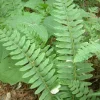
These ferns are shipped in a bare root form, meaning they are dormant and without soil, which minimizes transplant shock and allows for easy handling and planting. This method ensures that the plants are in their most resilient state for shipping. Expect the fronds to emerge and grow steadily once planted in suitable conditions, showcasing the classic fiddleheads that unfurl into the distinctive, stocking-shaped leaves of Polystichum acrostichoides. Planting them in fall or early spring will give them the best opportunity to establish before the heat of summer or the deep cold of winter.
Frequently Asked Questions
- Q: How big do these Christmas fern bare root plants get? A: Once mature, Christmas fern bare root plants typically reach a height of 1 to 3 feet and spread 2 to 3 feet wide. They form attractive, dense clumps of evergreen fronds, providing substantial groundcover or an accent in your shade garden.
- Q: Is this an indoor or outdoor plant? A: The Christmas fern (Polystichum acrostichoides) is an outdoor plant. It is a hardy perennial best suited for garden beds, woodland areas, or shaded landscapes, thriving in USDA Zones 4-9.
- Q: How much sunlight does the Christmas fern need? A: This evergreen fern for shade prefers partial to full shade. It can tolerate some morning sun but should be protected from direct afternoon sun, which can scorch its fronds and inhibit its growth.
- Q: Is this plant easy to care for? A: Yes, the Christmas fern is considered very easy to care for. It’s a low-maintenance plant that is adaptable to various soil conditions and becomes quite drought-tolerant once established, making it an excellent hardy garden fern.
- Q: What condition will the bare roots arrive in? A: The 5 Christmas fern plants will arrive as bare roots, meaning they are dormant and shipped without soil. This is a common and effective way to ship perennial plants, ensuring they are ready for planting upon arrival.
- Q: When is the best time to plant these bare roots? A: The ideal time to plant Christmas fern bare root plants is in the spring or fall. Planting during these cooler seasons allows the roots to establish before extreme summer heat or winter cold.
- Q: Will these ferns survive winter in my zone? A: Yes, these ferns are hardy in USDA Zones 4-9. They are frost-tolerant and their leaves remain green throughout winter, though they may lie flat against the ground during very cold periods, making them a reliable evergreen fern for shade.
- Q: What kind of soil does this drought tolerant fern prefer? A: The Christmas fern prefers well-draining soil that is rich in organic matter. It can adapt to a range of soil types, from somewhat dry to moist, but good drainage is crucial to prevent root rot.
- Q: Do these ferns spread aggressively? A: No, Christmas ferns are clump-forming and spread slowly by producing new fronds from a central rhizome. They are not considered aggressive spreaders, maintaining a tidy appearance in your garden.
- Q: Are these ferns deer resistant? A: Yes, Christmas ferns are generally considered deer resistant. Deer typically avoid browsing on their fronds, making them a good choice for gardens in areas with deer populations.




Reviews
There are no reviews yet.