Overview
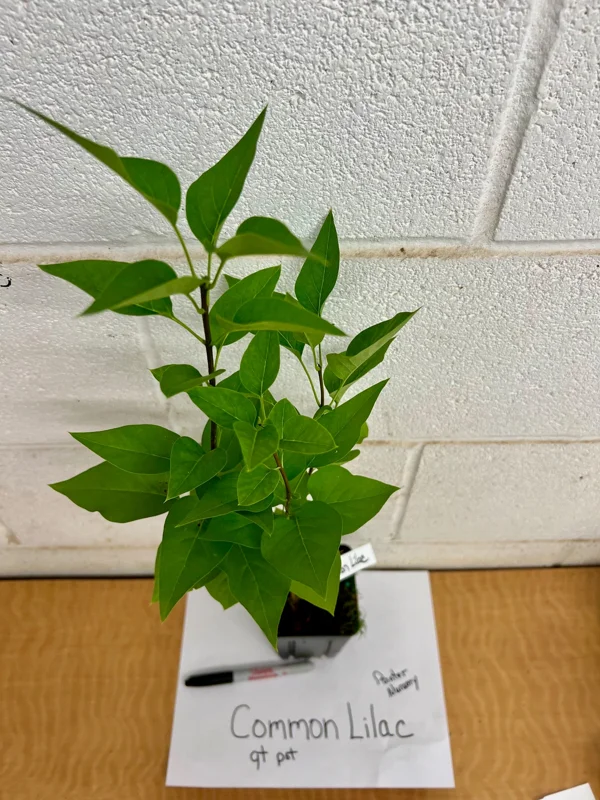
Introduce a touch of classic garden charm with our common lilac live plant. This beloved deciduous shrub, scientifically known as Syringa vulgaris, is celebrated for its intoxicatingly fragrant flowers that bloom in clusters during May. Often referred to as an ‘old-fashioned lilac’, it brings a nostalgic elegance and vibrant purple hues to any landscape. Our common lilac live plant is robust and easy to care for, making it an ideal choice for both novice and experienced gardeners. Currently standing 6 to 12 inches tall and delivered in a 4-inch pot, this young plant is ready to establish itself in your garden and provide years of enjoyment. Its resilience and striking appearance ensure it remains a popular choice for creating beautiful outdoor spaces.
The common lilac live plant is not just a treat for the eyes but also for the nose, with its strong, sweet perfume filling the air each spring. It is a wonderfully versatile plant, suitable for a variety of uses from creating dense privacy screens to serving as a stunning focal point in a mixed shrub border. This particular offering provides a healthy, young specimen, ensuring a successful start in its new home. Prepare to transform your garden into a fragrant sanctuary with this enduring and beautiful shrub.
Key Benefits
The common lilac live plant offers a multitude of advantages for any garden, enhancing both its aesthetic and sensory appeal. Its hardiness and beauty make it a standout choice.
- Exquisite Fragrance: One of the most cherished qualities of the lilac is its intensely sweet and memorable perfume. The abundant clusters of purple flowers release a delightful scent that can carry across your entire garden, creating a truly immersive sensory experience each spring.
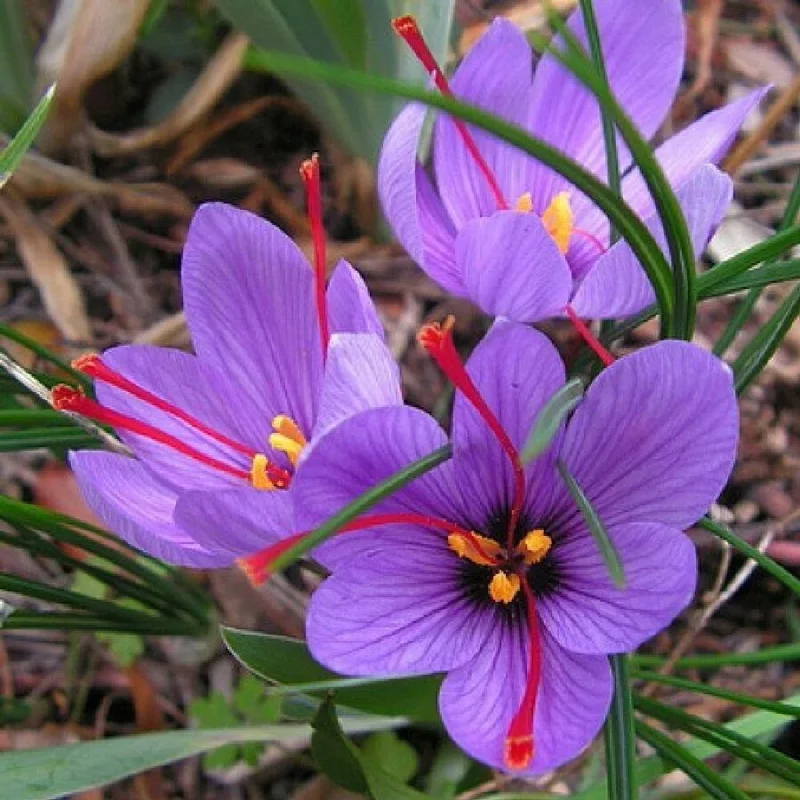
- Stunning Spring Blooms: The vibrant purple flowers of the common lilac live plant are a visual spectacle. Blooming in May, these showy flowers provide a burst of color after the long winter, signifying the arrival of warmer weather and garden vitality.
- Exceptional Hardiness: This plant is remarkably robust and can withstand a wide range of climates, thriving in USDA Zones 3-7. Its ability to tolerate cold winters and various soil conditions makes it a reliable addition to many landscapes.
- Low Maintenance: Once established, the common lilac care requirements are minimal. It thrives with little intervention, making it perfect for gardeners who appreciate beauty without extensive upkeep. Regular pruning after flowering is often sufficient to maintain its shape and promote vigorous blooming.
- Versatile Landscaping Use: The fragrant lilac shrub is incredibly versatile. It can be used effectively as a specimen plant, drawing attention to its beauty, or planted in masses to create dramatic visual impact. It also excels as a privacy screen, hedge, or as part of a mixed shrub border.
- Attracts Pollinators: The nectar-rich flowers of the lilac are a magnet for beneficial insects such as bees and butterflies, contributing to the biodiversity and health of your garden ecosystem.
- Long-Lived Beauty: Lilacs are known for their longevity, often thriving for decades. Investing in an outdoor lilac tree means enjoying its beauty and fragrance for many years to come, becoming a cherished part of your garden’s history.
Plant Care & Growing Tips
Ensuring your common lilac live plant flourishes requires understanding its basic needs related to sunlight, soil, and watering. Lilacs are generally forgiving, but optimal conditions will lead to the most spectacular blooms. This plant thrives in full sun, meaning it needs at least 6 hours of direct sunlight per day. Adequate sunlight is crucial for prolific flowering; too much shade will result in fewer blooms and a leggy plant. Position your lilac in a spot where it can receive ample morning sun, which also helps to dry dew from the leaves, reducing the chance of fungal diseases.
When it comes to watering, the common lilac care routine should focus on consistency, especially during its establishment phase. While mature lilacs are somewhat drought-tolerant, young plants need regular moisture. Water deeply once or twice a week, allowing the top inch or two of soil to dry out between waterings. Avoid overwatering, as lilacs prefer well-drained soil and can suffer from root rot in waterlogged conditions. The ideal soil type is fertile, well-draining loam with a neutral to slightly alkaline pH. If your soil is heavy clay, amend it with organic matter like compost to improve drainage and aeration. For an outdoor lilac tree, ensuring proper soil conditions from the start is key to its long-term health.
Fertilization is typically not heavily required for lilacs, especially if planted in rich soil. However, a balanced granular fertilizer applied in early spring before new growth emerges can boost flowering. Pruning is best done immediately after flowering to shape the plant, remove spent blooms, and encourage new growth for the following year’s flowers. Avoid pruning in late summer or fall, as you risk removing the flower buds that have already formed for the next season. The lilac plant zones 3-7 indicates its cold hardiness, making it suitable for many temperate regions. Monitor for common pests like lilac borers or powdery mildew, and address them promptly with appropriate organic or chemical treatments.
Size & Details
This offering includes one healthy common lilac live plant, which measures approximately 6 to 12 inches in height from the top of the soil. It is carefully rooted and shipped in a 4-inch nursery pot, providing a strong foundation for transplanting into your garden. At this size, the plant is young but well-established, ready to adapt to its new environment and begin its growth journey. Common lilacs are known for their moderate to fast growth rate, typically adding 1 to 2 feet in height per year under optimal conditions. When mature, this fragrant lilac shrub can reach an impressive height of 8 to 12 feet with a similar spread, forming a robust and stately presence in your landscape.
The plant is delivered as a live, actively growing specimen, ensuring it arrives in good condition for planting. While it may not bloom in its first year, you can expect its first fragrant flowers within 1-3 years as it matures. Its ultimate size and bloom density will depend on factors such as sunlight, soil quality, and pruning practices. The outdoor lilac tree is a long-term investment, providing decades of beauty and fragrance. Its cold hardiness makes it a reliable choice for gardens within USDA Zones 3-7, where it can withstand freezing temperatures and thrive.
Frequently Asked Questions
- Q: How big does this plant get? A: This common lilac live plant is currently 6 to 12 inches tall in a 4-inch pot. When mature, it typically reaches heights of 8 to 12 feet with a similar spread, creating a substantial shrub or small tree.
- Q: Is this an indoor or outdoor plant? A: This is an outdoor lilac tree. Common lilacs are hardy deciduous shrubs that require outdoor conditions, including cold winters, to thrive and produce their signature blooms.
- Q: How much sunlight does it need? A: For optimal flowering, the common lilac care requires full sun exposure, meaning at least 6 hours of direct sunlight per day. Less sun may result in fewer and smaller blooms.
- Q: Is this plant easy to care for? A: Yes, common lilacs are known for being extremely hardy and low maintenance once established. They thrive with little care, making them an excellent choice for gardeners of all skill levels.
- Q: What condition will it arrive in? A: Your fragrant lilac shrub will arrive as a live, healthy plant in a 4-inch nursery pot, actively growing and ready for planting. We take care to ensure safe and secure packaging.
- Q: How long until it blooms? A: While your young lilac may not bloom in its first year, you can typically expect to see its first fragrant flowers within 1 to 3 years after planting, as it matures and establishes itself.
- Q: Will it survive winter in my zone? A: Yes, this lilac plant zones 3-7 is highly cold-hardy and is well-suited to survive winters in USDA Zones 3 through 7, requiring the cold period for proper dormancy and future blooming.
- Q: What’s the best time to plant this lilac? A: The best time to plant your common lilac is in early spring or early fall. This allows the plant to establish its root system before the extreme heat of summer or the deep cold of winter.
- Q: Can I grow this in a container? A: While young lilacs can be grown in containers temporarily, due to their mature size, they are best planted directly into the ground where their roots have ample space to grow and spread.
- Q: What type of soil does it prefer? A: The common lilac thrives in well-drained soil that is rich in organic matter. A neutral to slightly alkaline pH is ideal. Avoid heavy, waterlogged soils.













Reviews
There are no reviews yet.