Overview
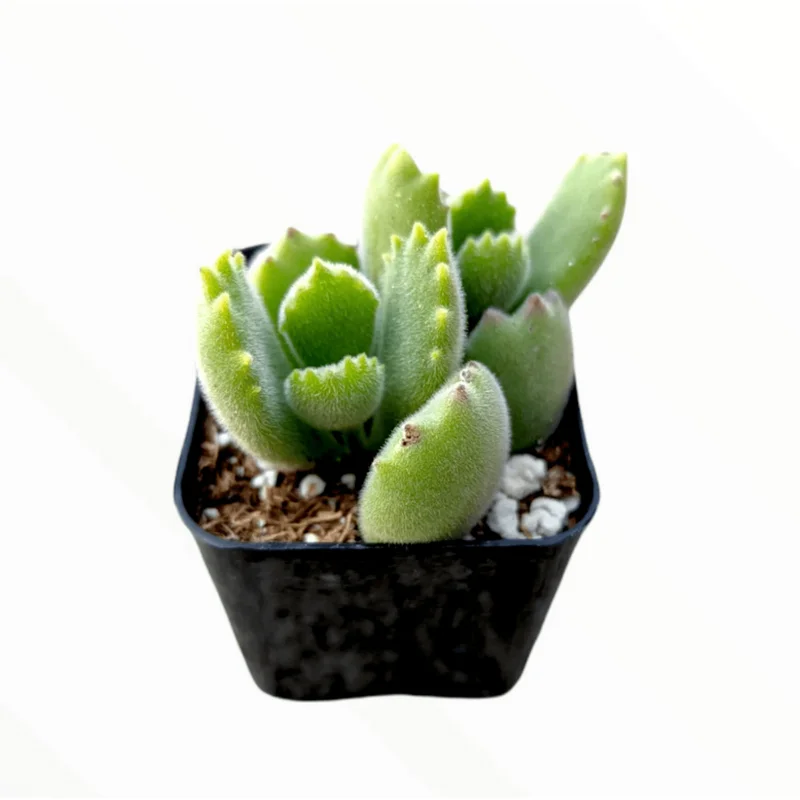
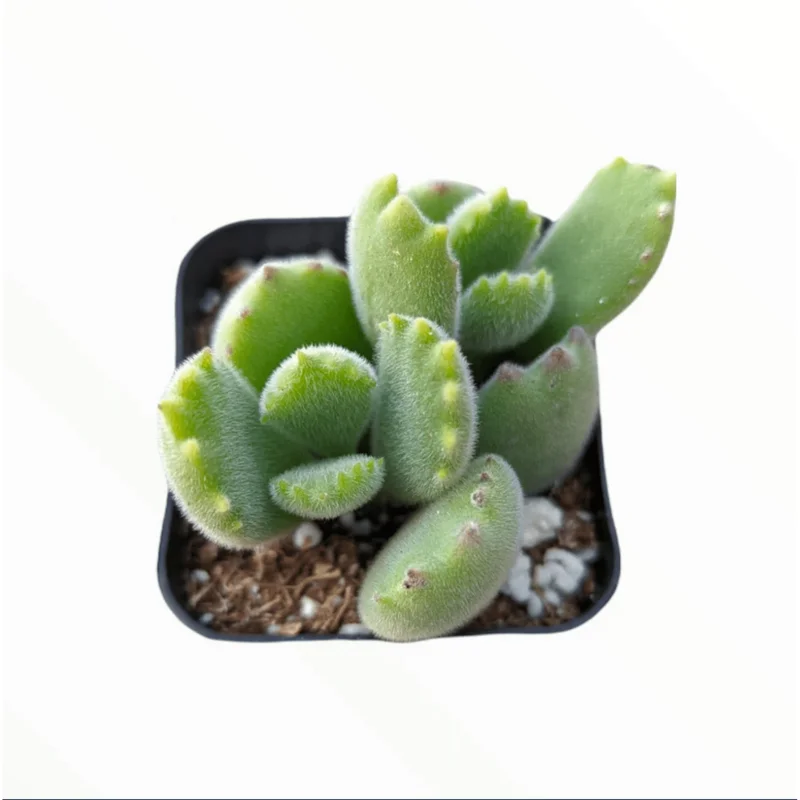
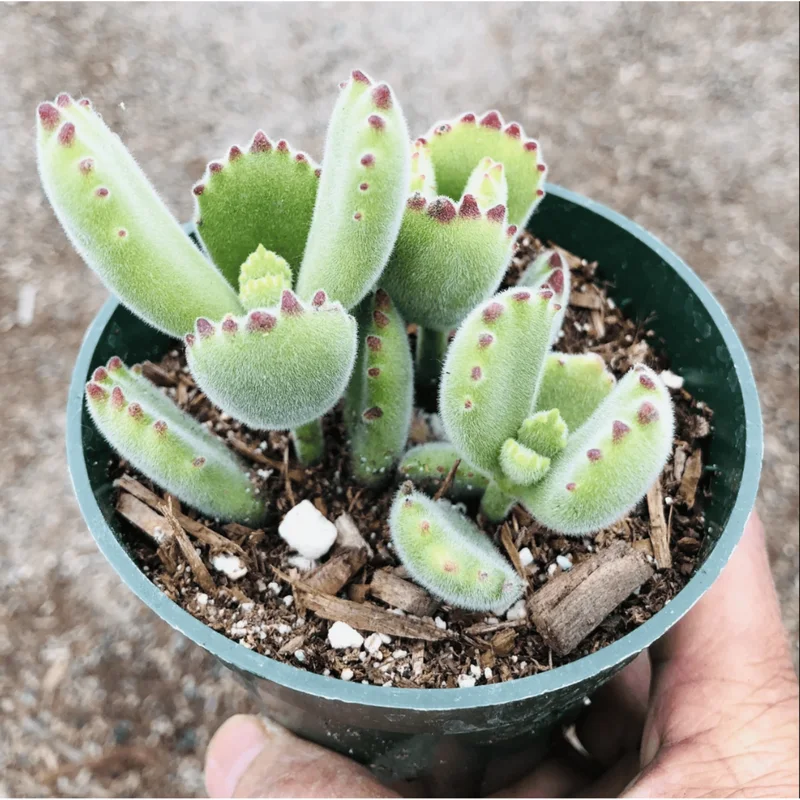
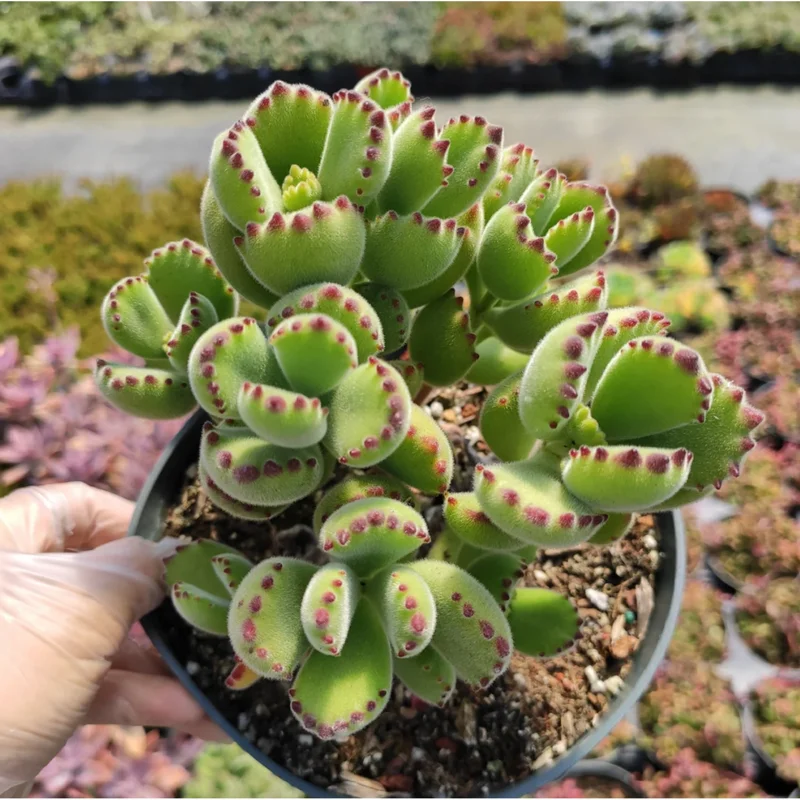
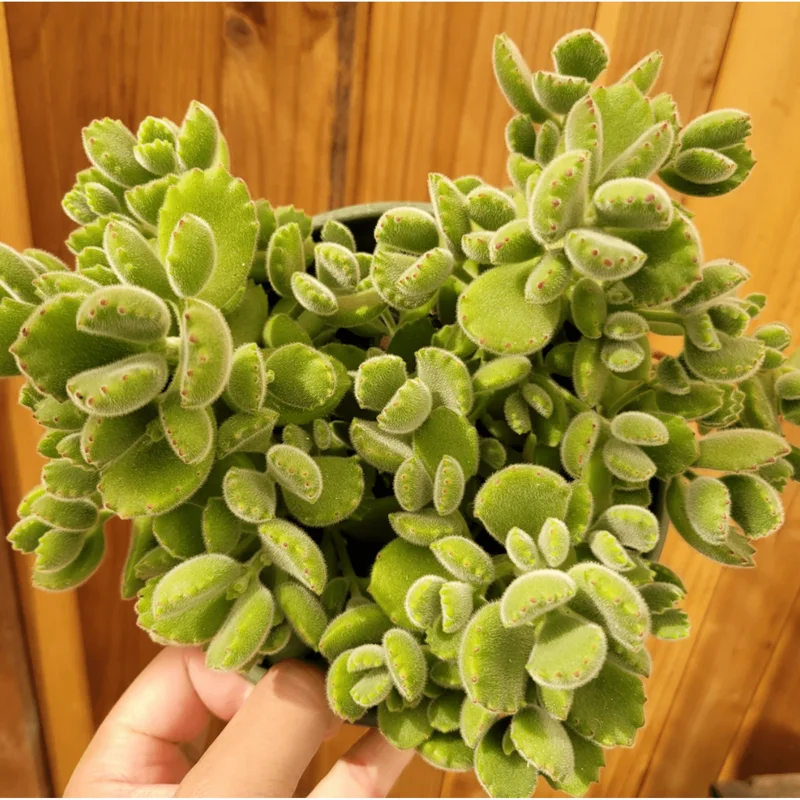
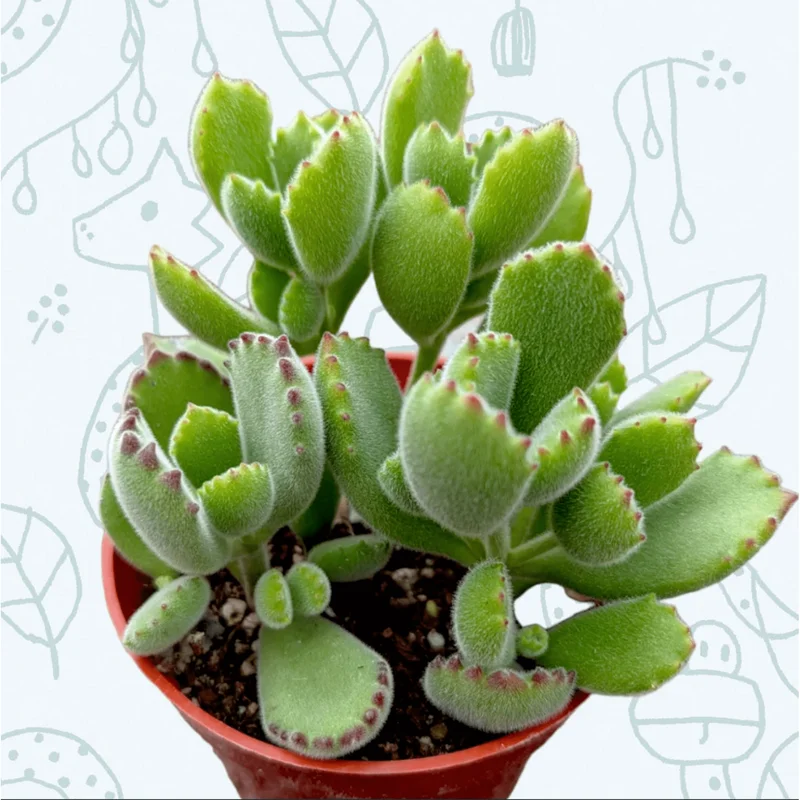
Introduce a touch of whimsical charm to your plant collection with the exquisite Cotyledon Tomentosa Bear’s Paw succulent. This perennial succulent plant, belonging to the Crassulaceae family, is renowned for its unique foliage that strikingly resembles tiny bear paws. Each fleshy, green leaf is densely covered in soft, white hairs, giving it a fuzzy texture, and features distinctive red, claw-like tips. Originating from the Cape Province of South Africa, this unique succulent plant thrives in warm, dry, and sunny conditions, making it a fantastic addition to various home and garden environments. Its peculiar form and high ornamental value make it a captivating focal point whether placed on a desk, shelf, or as part of a succulent arrangement.
The Cotyledon Tomentosa Bear’s Paw succulent is a much-branched plant with green stems, fertile fleshy leaves that are decussate and ovoid. While its primary appeal lies in its foliage, it also produces delicate yellow florets from July to September, adding another layer of beauty. This species is celebrated for its beautiful leaf shape and color, offering a distinct aesthetic that stands out amongst other succulents. It’s a truly peculiar and cute plant that promises to bring joy and a unique natural element to your space.
Key Benefits
The Cotyledon Tomentosa Bear’s Paw succulent offers numerous advantages for both seasoned plant enthusiasts and newcomers. Its distinctive appearance and straightforward care requirements make it a highly desirable plant.
- Unique Ornamental Appeal: The primary benefit of the Cotyledon Tomentosa Bear’s Paw succulent is its incredibly charming and unique appearance. The fuzzy, paw-shaped leaves with red tips create a whimsical and eye-catching display, making it a conversation starter and a delightful addition to any decor.
- Drought-Tolerant Nature: Like most succulents, the Bear’s Paw plant care is notably low-maintenance due to its excellent drought tolerance. This makes it an ideal choice for busy individuals or those who may occasionally forget to water their plants.
- Versatile Placement: This succulent is suitable for both indoor and outdoor environments, provided the conditions are right. It can thrive as a potted houseplant, on a sunny patio, or as part of a rock garden, offering flexibility in its placement.
- Compact Size: The relatively compact growth habit of this plant makes it perfect for small spaces, windowsills, office desks, or as part of a mixed succulent planter. Its 2-inch pot size makes it easy to integrate into existing arrangements.
- Easy Propagation: The Cotyledon Tomentosa can be easily propagated through cuttings, allowing you to expand your collection or share this beautiful plant with friends and family.
- Visually Stimulating Texture: The dense white short hairs on its leaves provide a unique, soft texture that invites touch, adding a sensory dimension to its ornamental value. This makes it a fascinating fuzzy succulent indoor plant.
- Low Maintenance for Beginners: If you’re looking for a succulent for beginners, the Bear’s Paw is an excellent choice. Its resilience and minimal care needs ensure that even those new to plant ownership can enjoy its beauty with success.
Plant Care & Growing Tips
Proper care is essential to ensure your Cotyledon Tomentosa Bear’s Paw succulent thrives and maintains its adorable appearance. This species prefers a warm, dry, sunny, and well-ventilated environment. During summer, excessively high temperatures can induce dormancy, so monitor its conditions carefully. It is also crucial to avoid cold temperatures and excessive humidity, which can be detrimental to its health.
For lighting, the Cotyledon Tomentosa Bear’s Paw succulent loves light and will grow vigorously and beautifully in a well-lit environment. Except for intense summer sun, it should be placed in a spot with good light and plenty of sunshine during spring, autumn, and winter. Prolonged shade will cause the plant to etiolate (stretch and lose its compact form), significantly reducing its ornamental value. When it comes to watering, all succulents, including the Bear’s Paw, are drought-tolerant and susceptible to waterlogging. Water according to the ‘dry and wet’ method, only watering when the soil is completely dry. During the active growing season, weekly watering might be appropriate, but strict control is needed in other stages to prevent root damage from overwatering. This careful approach to watering is key to successful Bear’s Paw plant care.
The right soil mix is vital for the health of your fuzzy succulent indoor plant. The soil must be loose, permeable, and well-draining to prevent water retention. It is recommended to change the soil every one to two years to prevent caking and replenish nutrients. You can prepare your own nutritious succulent soil mix or purchase specialized succulent potting soil. Propagation is straightforward and typically done through cuttings. Maintain good air circulation around the plant to prevent fungal issues and ensure healthy growth. This vigilance will help your unique succulent plant flourish.
Size & Details
This offering features a vibrant Cotyledon Tomentosa Bear’s Paw succulent provided as a live plant in a 2-inch nursery pot. This size is ideal for immediate display in small decorative planters, terrariums, or as part of a larger succulent collection. The plant typically reaches a mature height of 6-12 inches (15-30 cm) and a similar spread, though growth can vary based on environmental conditions and care. Its compact nature makes it an excellent choice for windowsills, office desks, or small outdoor garden spaces. The growth rate is moderate, allowing you to enjoy its development over time. Each plant is carefully selected to ensure health and vitality upon arrival, ready to bring its unique charm to your home or garden.
The distinctive leaves are typically 1-2 inches long. This succulent for beginners is shipped in its nursery pot, ensuring minimal transplant shock and providing a stable environment for its journey to your home. Expect a robust and healthy specimen, well-rooted and prepared to thrive in its new environment. The 2-inch pot is a perfect starting point for this delightful plant, allowing it to establish itself before requiring a larger container.
Frequently Asked Questions
- Q: How big does this plant get? A: The Cotyledon Tomentosa Bear’s Paw succulent typically grows to about 6-12 inches tall and wide at maturity, making it a compact and manageable plant for various spaces. Its 2-inch pot is a starter size, and it will grow larger over time.
- Q: What size pot does it come in? A: This Cotyledon Tomentosa Bear’s Paw succulent is provided as a live plant in a 2-inch nursery pot, perfectly sized for its initial growth stage and easy integration into your existing decor.
- Q: Is this an indoor or outdoor plant? A: The Bear’s Paw succulent is versatile and can thrive both indoors and outdoors. Outdoors, it prefers warm climates; indoors, it needs a bright, sunny spot.
- Q: How much sunlight does it need? A: This succulent requires plenty of bright light. It can tolerate full sun, especially in cooler months, but should be protected from intense, direct afternoon sun during hot summers to prevent dormancy or scorching. This is key for good Bear’s Paw plant care.
- Q: Is this plant easy to care for? A: Yes, the Bear’s Paw succulent is considered relatively easy to care for, making it an excellent succulent for beginners. It is drought-tolerant and requires minimal attention once established, provided its light and watering needs are met.
- Q: What condition will it arrive in? A: Your Cotyledon Tomentosa Bear’s Paw succulent will arrive as a healthy, well-rooted live plant in its 2-inch nursery pot, carefully packaged to ensure its safe journey to your home.
- Q: Is it shipped in soil? A: Yes, the plant is shipped securely in its growing medium within the 2-inch nursery pot, ensuring it remains hydrated and stable during transit.
- Q: What kind of soil does this fuzzy succulent indoor plant need? A: It requires well-draining soil, such as a specialized succulent and cactus mix. Good drainage is crucial to prevent root rot.
- Q: When is the best time to plant or repot? A: Repotting is best done in the spring or early summer, allowing the plant to establish itself during its active growing season.
- Q: Can this unique succulent plant survive cold temperatures? A: No, it is not frost-hardy. It prefers warm, dry conditions and should be brought indoors or protected when temperatures drop below 40-50°F (4-10°C).







Reviews
There are no reviews yet.