Overview
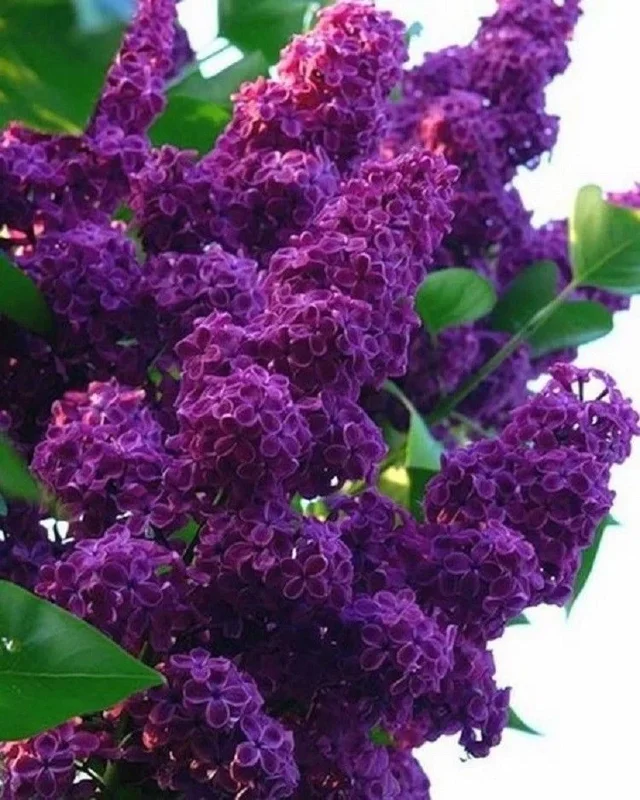
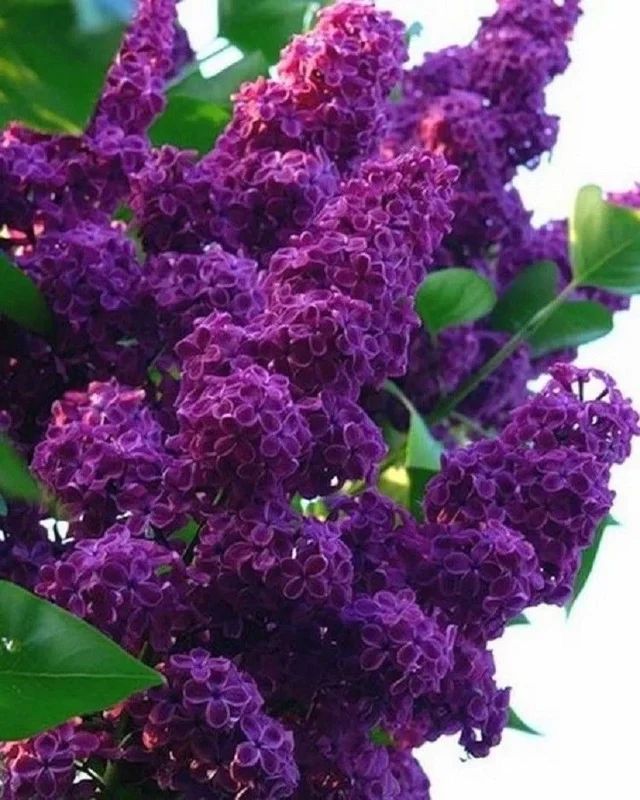
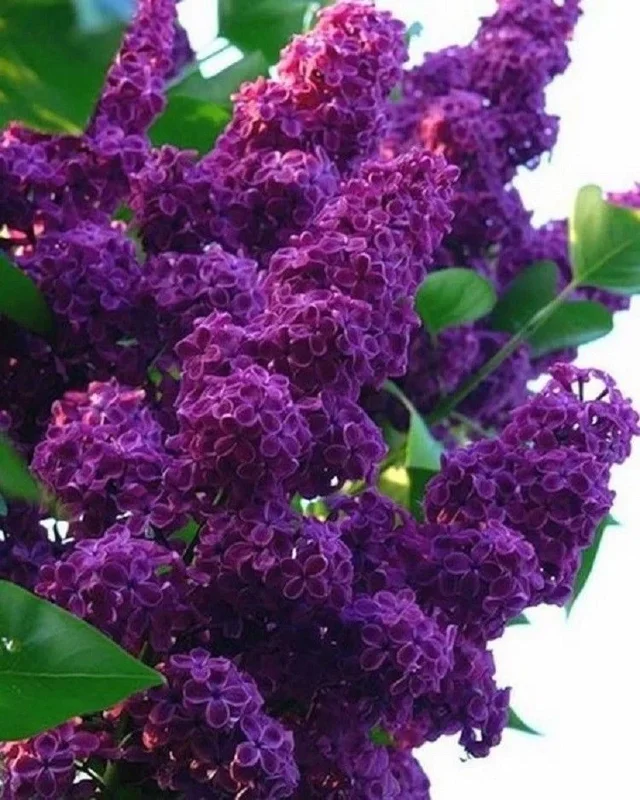
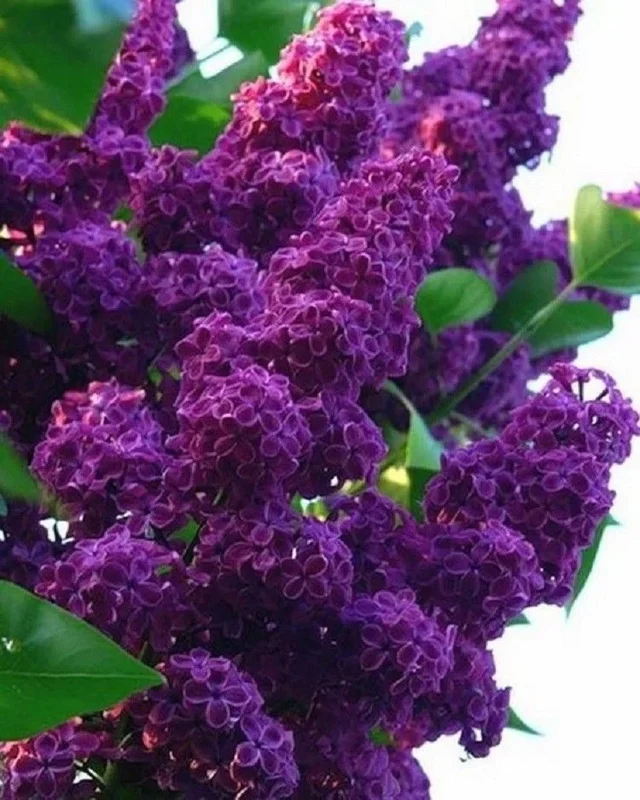
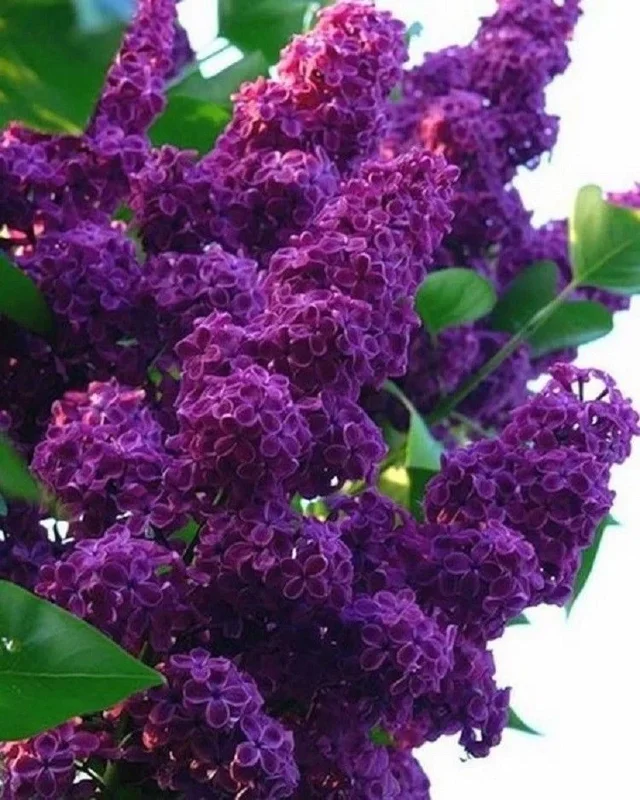
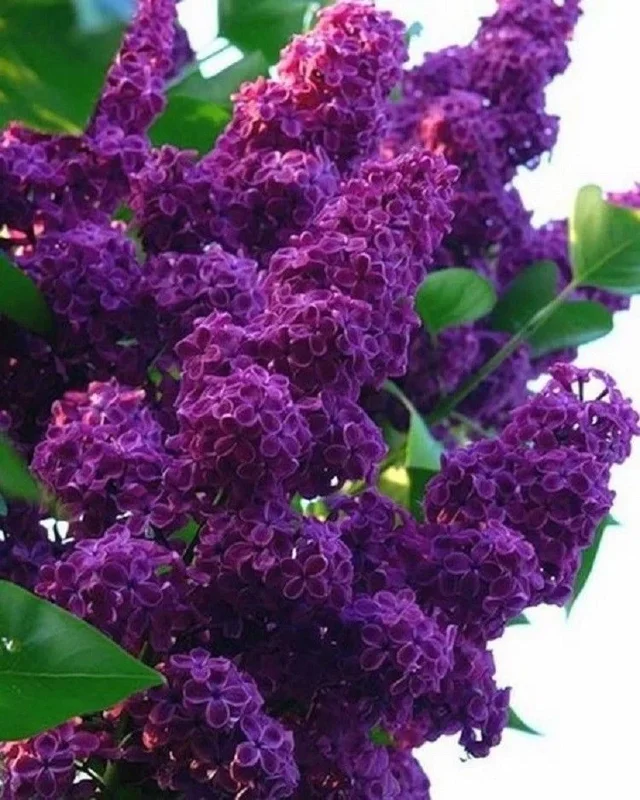
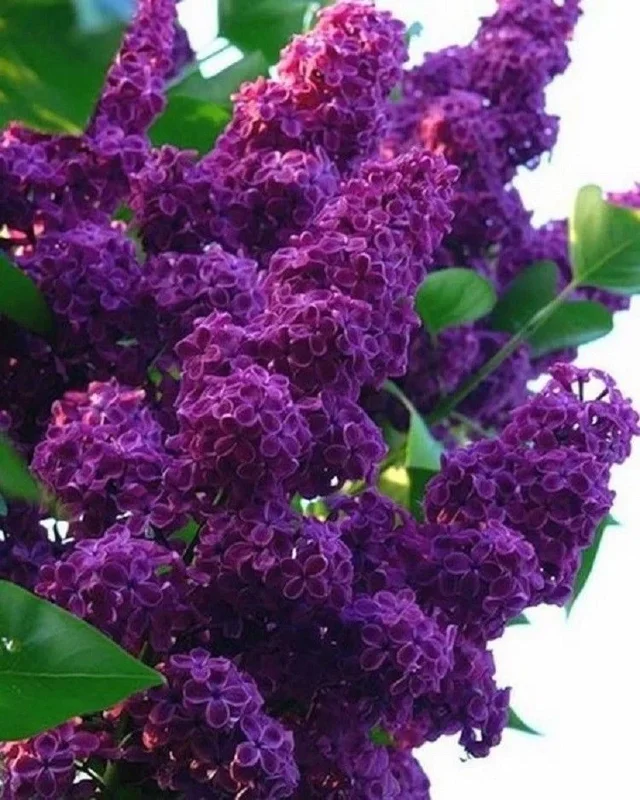
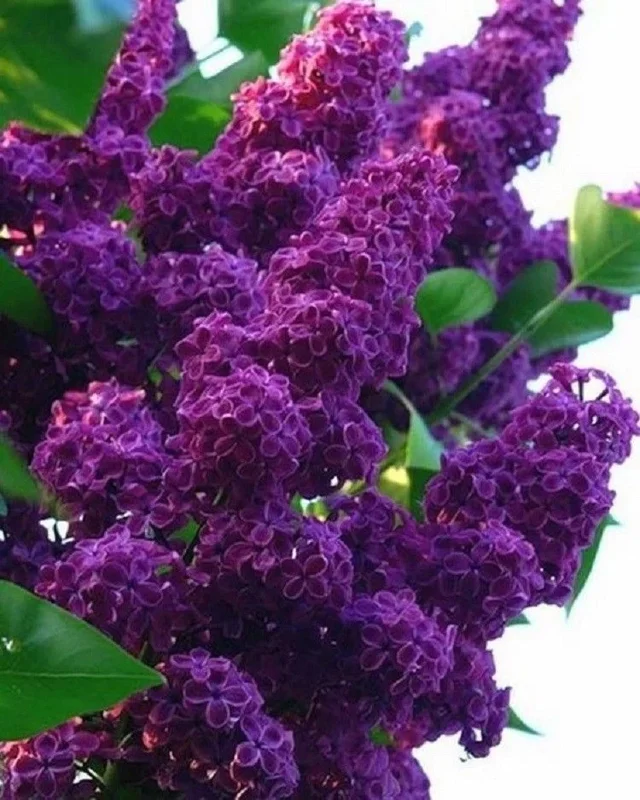
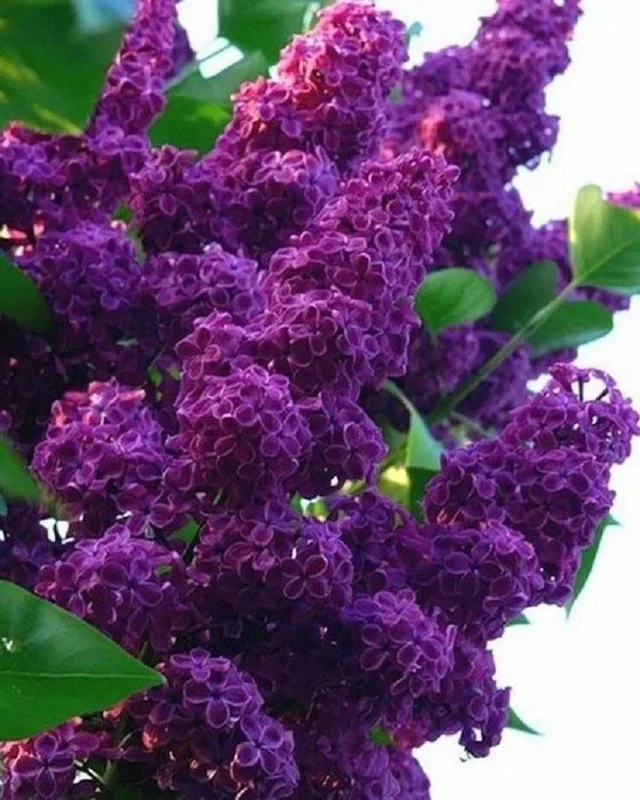
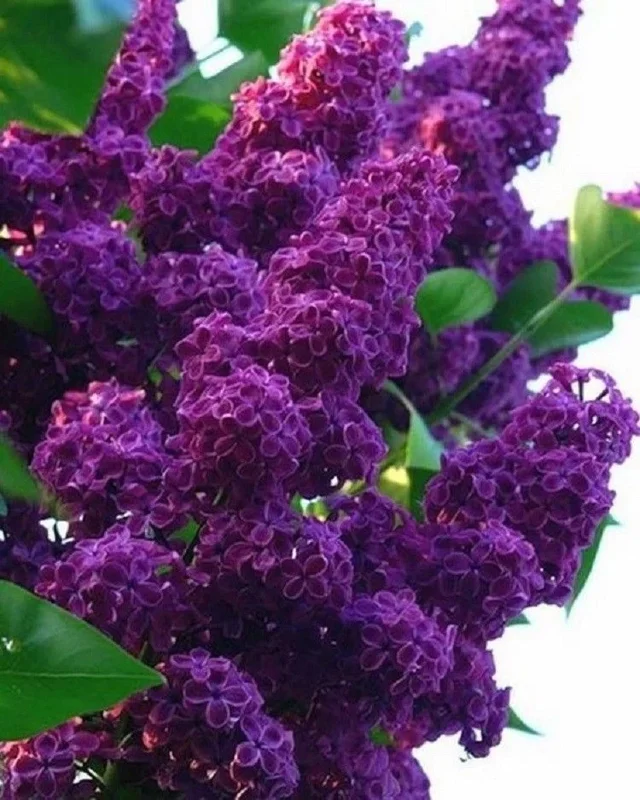
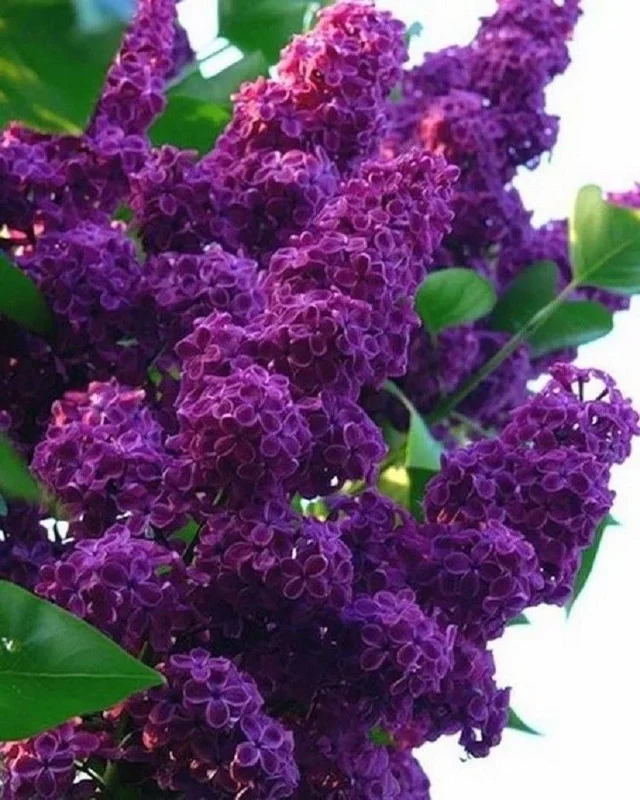
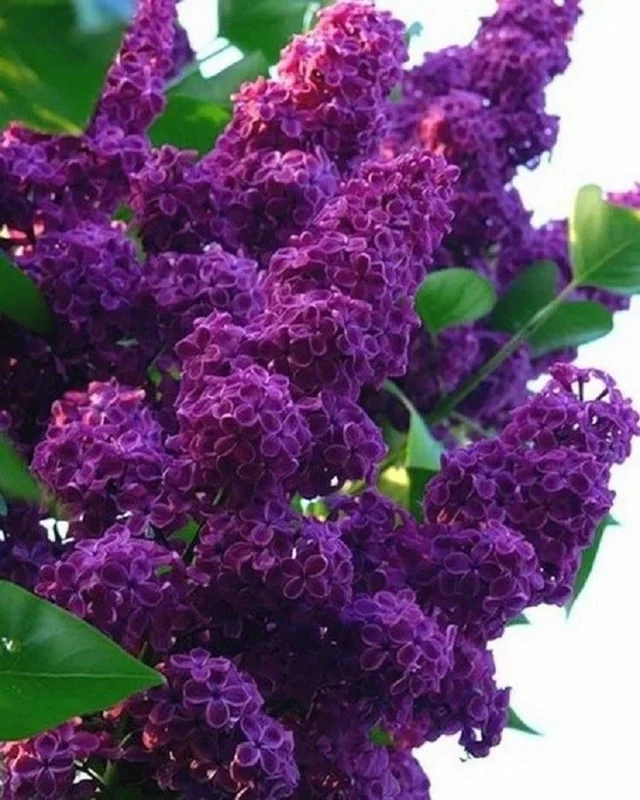
Transform your garden into a fragrant paradise with these exquisite dark purple lilac seeds. Lilacs (Syringa vulgaris) are renowned for their breathtaking beauty and intoxicating aroma, making them a beloved choice for gardens across the United States. This offering provides a generous count of 25 seeds, allowing you to cultivate multiple bushes or trees that will grace your outdoor space with their magnificent blooms. Growing lilacs from seed is a rewarding experience, offering the satisfaction of nurturing a plant from its very beginning. These perennial flowers are known for their resilience and ability to thrive in various climates, providing years of enjoyment once established. Create stunning floral displays and enjoy the captivating scent that only a lilac can provide.
The allure of a fragrant lilac seeds lies not just in its visual appeal but also in the rich, sweet perfume that fills the air during spring. These dark purple varieties offer a deep, luxurious hue that adds a touch of elegance and drama to any landscape. Whether you’re an experienced gardener or just starting, these seeds offer an accessible way to introduce one of nature’s most cherished flowering plants into your home garden. Prepare to be enchanted by the timeless charm and delightful fragrance of these beautiful lilacs.
Key Benefits
Investing in dark purple lilac seeds brings a multitude of benefits to your garden and home, enhancing both aesthetics and sensory experience:
- Stunning Visual Appeal: The deep, rich dark purple blooms provide a striking contrast against green foliage, creating a focal point in any garden design. These vibrant flowers are perfect for border plantings, hedges, or as stand-alone specimen trees.
- Intoxicating Fragrance: Lilacs are celebrated for their powerful, sweet aroma. Planting these seeds ensures your garden will be filled with a delightful natural perfume, especially during their blooming season, attracting beneficial pollinators like bees and butterflies.
- Perennial Longevity: As perennial plants, lilacs return year after year, growing larger and more robust with each passing season. This means less work for you and a continuous source of beauty and fragrance for many years to come.
- Versatile Landscaping: Lilac plants can be grown as large shrubs or small trees, offering flexibility in landscape design. They are excellent for creating privacy screens, windbreaks, or simply adding vertical interest to your garden.
- Low Maintenance Once Established: While initial care is important, mature lilac plants are relatively easy to maintain, requiring minimal intervention to flourish. They are quite hardy and can tolerate a range of conditions.
- Cut Flower Potential: The beautiful and fragrant flowers make excellent cut flower arrangements, allowing you to bring the beauty and scent of your garden indoors. A vase full of fresh lilacs can brighten any room.
- Attracts Pollinators: The sweet nectar of lilac flowers is a magnet for bees, butterflies, and other beneficial insects, contributing to a healthy and vibrant ecosystem in your garden.
Plant Care & Growing Tips
Successfully growing perennial lilac seeds requires attention to specific conditions, ensuring robust growth and abundant blooms. Lilacs thrive in full sun, meaning they need at least 6 hours of direct sunlight per day. Adequate sunlight is crucial for prolific flowering. While they can tolerate partial shade, too little sun will result in fewer, less vibrant blooms. When starting from seed, provide a warm, bright location indoors under grow lights or on a sunny windowsill until seedlings are established enough for transplanting outdoors after the last frost.
Watering should be consistent, especially for young seedlings and newly planted lilacs. Keep the soil evenly moist but never waterlogged. Once established, lilacs are quite drought-tolerant, but they will benefit from deep watering during prolonged dry spells. The ideal soil for lilacs is well-draining, fertile, and slightly alkaline (pH 6.5-7.0). Amending heavy clay soils with organic matter like compost can improve drainage and provide essential nutrients. Good drainage is paramount to prevent root rot.
Lilacs are hardy plants, generally thriving in USDA Zones 3-7, though some varieties can extend to Zone 8. They require a period of cold dormancy to produce flowers, so they are not well-suited for very warm, tropical climates. Fertilize established plants in early spring with a balanced fertilizer or one higher in phosphorus to encourage blooming. Avoid over-fertilizing with nitrogen, which can lead to lush foliage but fewer flowers. Pruning is best done immediately after flowering to shape the plant and remove spent blooms, which can help encourage more flowers the following year. Remove any dead, damaged, or crossing branches to maintain good air circulation and plant health. Understanding how to grow lilac from seed effectively means providing these foundational care elements from the outset.
Size & Details
This offering includes 25 high-quality lilac tree seeds, providing a solid foundation for establishing a beautiful lilac collection in your garden. When mature, lilac plants typically grow to a height of 8 to 15 feet and can spread 6 to 12 feet wide, depending on the variety and pruning practices. They have a moderate growth rate, often taking 3-5 years to reach flowering maturity from seed. The seeds should be cold stratified for optimal germination; this process mimics winter conditions and encourages the embryo to break dormancy. Once germinated, seedlings can be transplanted into larger pots and then into the garden when they are sturdy enough.
These seeds are for growing a perennial shrub or small tree that will produce large, conical clusters of dark purple flowers. The blooms typically appear in late spring to early summer, filling the air with their signature scent. The seeds are shipped in a protective packet to ensure viability upon arrival. Expect the plants to establish a strong root system in the first year, with significant growth and flowering beginning in subsequent years. With proper care, these lilac plants can live for decades, becoming a cherished part of your landscape.
Frequently Asked Questions
- Q: How big does this lilac plant get? A: Mature lilac plants typically reach heights of 8 to 15 feet and can spread 6 to 12 feet wide, depending on growing conditions and pruning habits. They can be maintained as large shrubs or trained into small trees.
- Q: Is this an indoor or outdoor plant? A: Lilacs are primarily outdoor plants that require a period of cold dormancy to flower. While you can start dark purple lilac seeds indoors, the mature plants should be grown outdoors in a suitable climate.
- Q: How much sunlight does it need? A: Lilacs thrive in full sun, requiring a minimum of 6 hours of direct sunlight per day for optimal growth and abundant flowering. Less sun will result in fewer blooms.
- Q: Is this plant easy to care for? A: Once established, lilacs are relatively easy to care for and are quite hardy. Initial care for seedlings and young plants is more intensive, but mature plants are low maintenance, making them suitable for gardeners of all experience levels.
- Q: What condition will the seeds arrive in? A: The fragrant lilac seeds will arrive in a protective packet, ensuring their viability and readiness for planting. We take care to package them securely for transit.
- Q: When is the best time to plant these seeds? A: It’s best to start lilac seeds indoors in late winter or early spring after they have undergone cold stratification. Transplant seedlings outdoors after the last danger of frost has passed in your region.
- Q: How long until it blooms? A: Lilac plants grown from seed typically begin to bloom within 3 to 5 years. The first year focuses on root and foliage development, with flowering becoming more prolific as the plant matures.
- Q: Will it survive winter in my zone? A: These perennial lilac seeds are suitable for USDA Hardiness Zones 3-7, meaning they are well-adapted to survive cold winters and require this dormancy period for flowering. They may struggle in warmer, frost-free climates.
- Q: What type of soil do lilacs prefer? A: Lilacs prefer well-draining, fertile soil that is slightly alkaline, with a pH between 6.5 and 7.0. Amending soil with organic matter can improve drainage and fertility.
- Q: Can I use these lilacs for cut flowers? A: Absolutely! The beautiful and highly fragrant blooms of these dark purple lilac seeds make them an excellent choice for cutting and bringing indoors to enjoy in floral arrangements.








Reviews
There are no reviews yet.