Overview
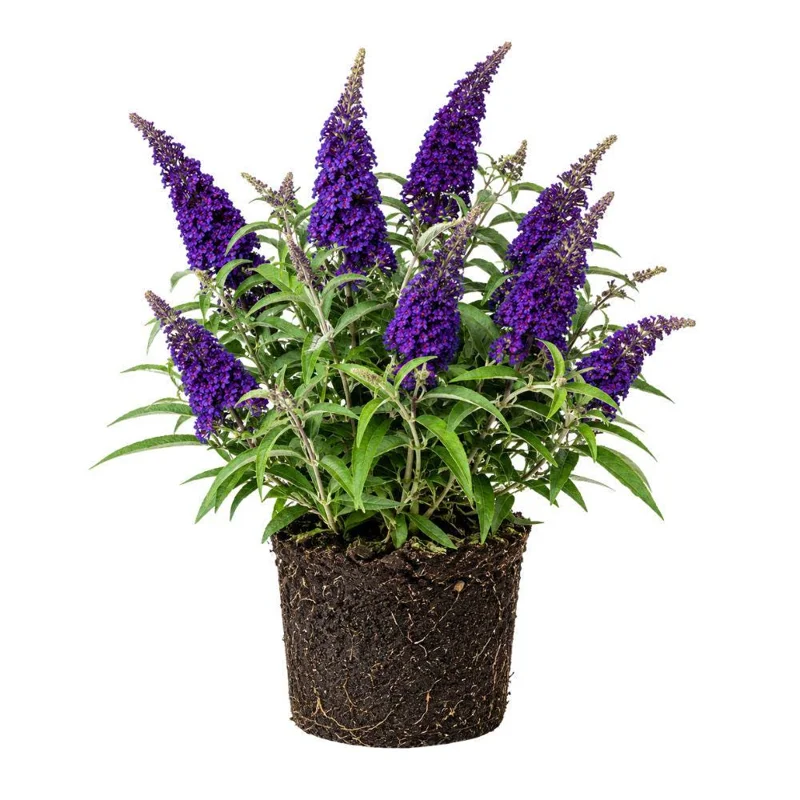
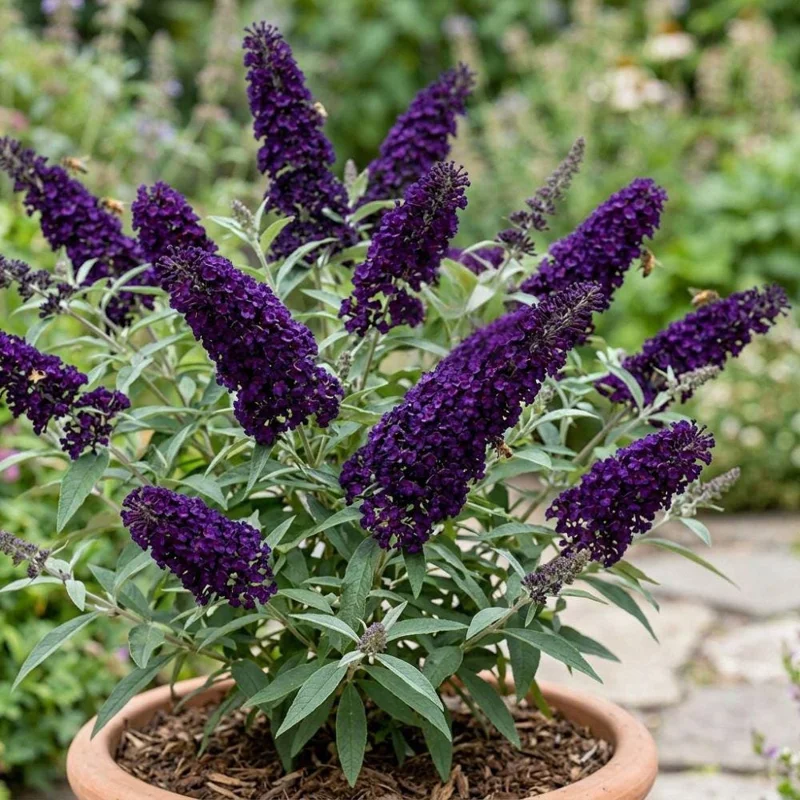
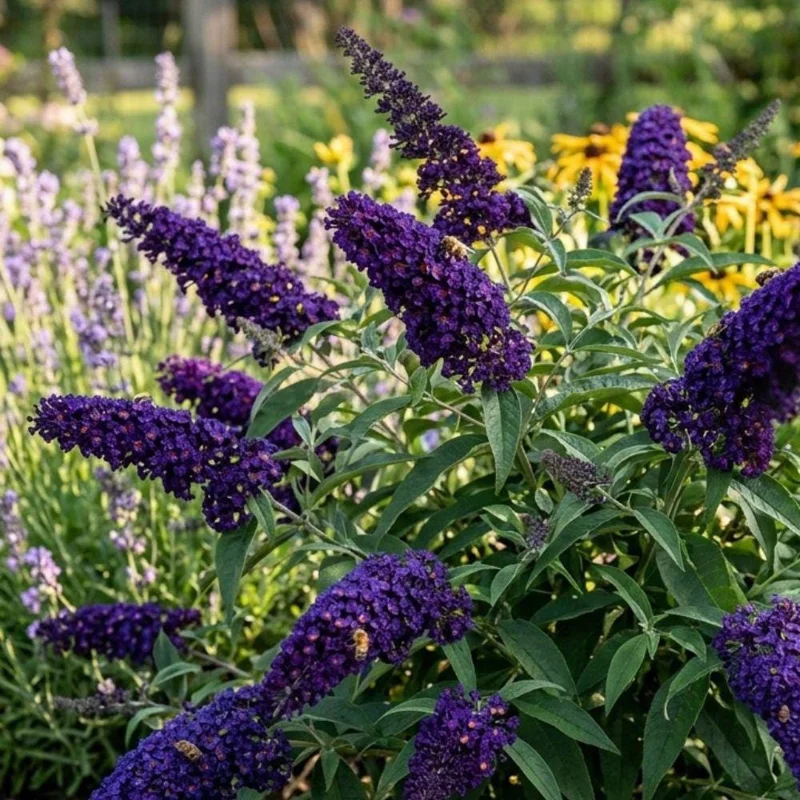
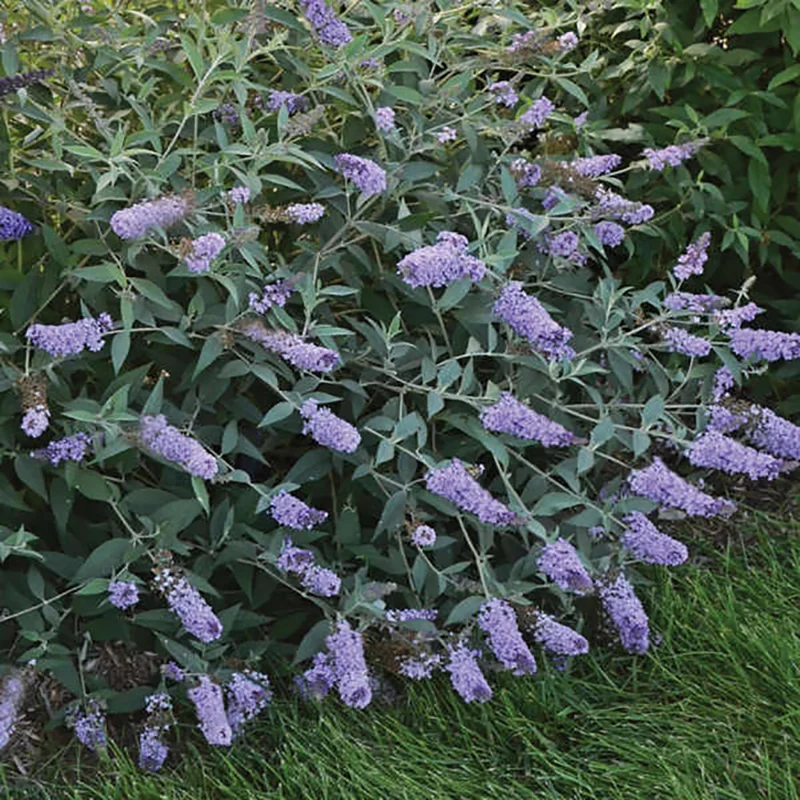
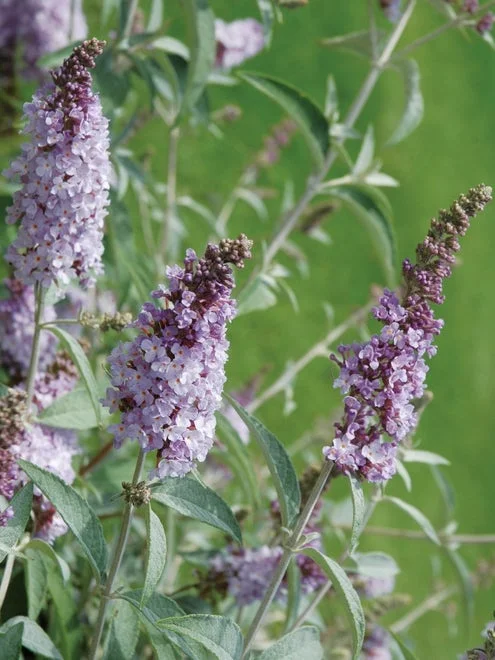
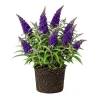
Introduce a splash of rich, captivating color to your outdoor space with the magnificent Deep Purple Buddleja live plant. Also known as the Butterfly Bush, this vibrant shrub is celebrated for its striking deep purple flower spikes that bloom profusely throughout the summer and into fall. A true showstopper, the Buddleja lavender bush is not only visually stunning but also plays a crucial role in supporting local ecosystems by attracting a myriad of pollinators, including butterflies, bees, and hummingbirds. This particular variety promises vigorous growth and abundant flowering, making it a highly desirable addition to any garden. Whether you’re looking to create a dedicated pollinator garden plant, enhance a border, or add a focal point to your patio, this live plant offers both aesthetic beauty and ecological benefits. It arrives as a young, healthy plug plant, ready to establish itself and bring joy to your landscape.
The Deep Purple Buddleja live plant thrives in a variety of settings, making it a versatile choice for many gardeners. Its impressive bloom power ensures a continuous display of color, transforming ordinary spaces into lively havens. Beyond its beauty, the plant is known for its relatively low maintenance requirements, making it an excellent option for those seeking a rewarding gardening experience without excessive effort. Its robust nature and adaptability allow it to flourish in sunny conditions, providing a reliable source of nectar for beneficial insects. Embrace the charm and ecological value of this exquisite vibrant flower bush, and watch your garden come alive with activity and color.
Key Benefits
The Deep Purple Buddleja live plant offers a wealth of advantages for any garden enthusiast, combining stunning aesthetics with practical benefits. Its ease of care and vibrant display make it a standout choice.
- Attracts Pollinators: This Deep Purple Buddleja live plant is a renowned magnet for butterflies, bees, and hummingbirds, making it an essential addition for creating a thriving pollinator garden and supporting local wildlife.
- Vibrant, Long-Lasting Blooms: Enjoy a prolonged display of spectacular deep purple flower spikes from summer through fall, providing continuous color and visual interest in your landscape.
- Easy to Grow: Known for its resilience and adaptability, this easy care butterfly bush is suitable for gardeners of all skill levels, requiring minimal fuss once established. It’s an ideal choice for beginner gardeners.
- Versatile Garden Use: Perfect for sunny garden beds, mixed borders, cottage gardens, or as a vibrant container plant on patios and decks, adding a touch of elegance wherever it’s placed.
- Compact Growth Habit: While providing abundant blooms, the plant generally maintains a manageable size, making it suitable for smaller gardens and urban spaces without overwhelming other plants.
- Drought Tolerant: Once established, the Buddleja lavender bush exhibits good drought tolerance, reducing the need for frequent watering and making it a sustainable choice for many climates.
- Deer Resistant: Generally, deer tend to avoid Buddleja plants, offering peace of mind for gardeners in areas where deer browse can be an issue.
Plant Care & Growing Tips
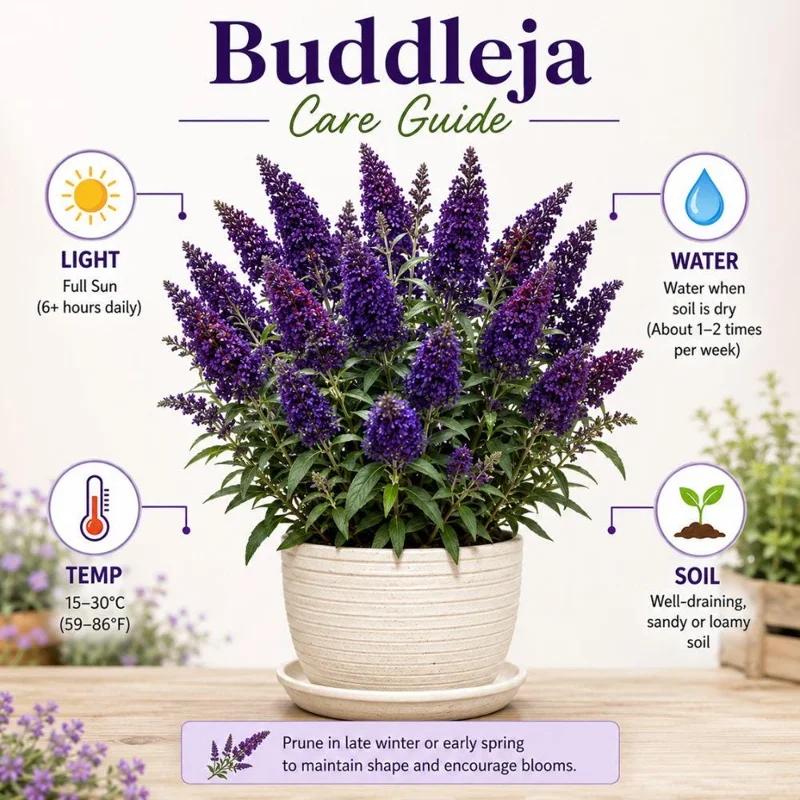
Caring for your Deep Purple Buddleja live plant is straightforward, ensuring a beautiful and thriving specimen with minimal effort. This resilient shrub prefers full sun, meaning it needs at least 6-8 hours of direct sunlight per day to produce the most abundant and vibrant blooms. Choose a location in your garden that receives ample sunshine. For watering, ensure the soil is consistently moist but not waterlogged during the establishment phase. Once mature, the plant becomes more drought-tolerant, but regular watering during dry spells will promote healthier growth and more prolific flowering. Avoid overhead watering to prevent fungal issues and direct water to the base of the plant.
The ideal soil for your Buddleja lavender bush is well-draining, moderately fertile soil. It can tolerate a range of soil types, including sandy, loamy, and clay soils, as long as good drainage is provided. Incorporating organic matter, such as compost, into the planting hole can improve soil structure and fertility. These plants are generally hardy in USDA zones 5-9, though specific hardiness can vary slightly by cultivar. In colder zones, some protection or mulching may be beneficial during winter. Fertilize in early spring with a balanced, slow-release granular fertilizer formulated for flowering shrubs to support vigorous growth and blooming. Pruning is best done in late winter or early spring before new growth emerges. Cut back the previous year’s growth to about 12-18 inches from the ground to encourage a bushier habit and more flowers. Deadheading spent blooms throughout the season will also encourage continuous flowering and maintain the plant’s tidy appearance. Watch for common pests like spider mites or aphids, and treat with insecticidal soap if necessary, though this easy care butterfly bush is generally quite resistant to serious pest problems.
Size & Details
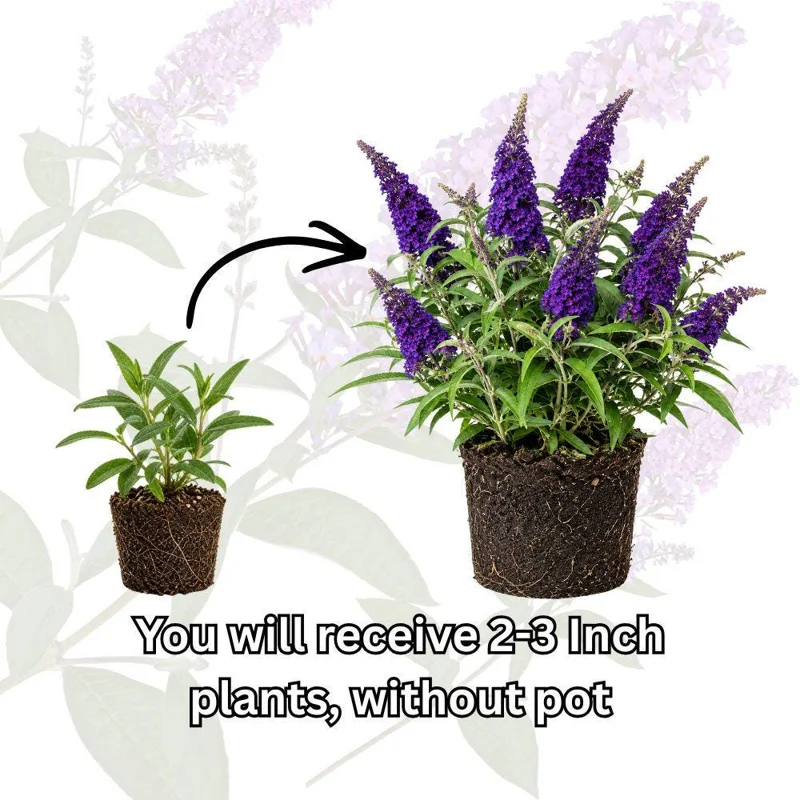
The Deep Purple Buddleja live plant will arrive as a healthy, young live plug plant, ready for transplanting into your garden or a larger container. While initial size will vary, these plants typically grow into a sizable shrub, reaching a mature height of 4 to 6 feet and spreading 3 to 5 feet wide, depending on growing conditions and pruning practices. The growth rate is generally moderate to fast, allowing you to enjoy a mature plant relatively quickly. Expect to see its characteristic deep purple flower spikes emerge from early summer and continue to grace your garden until the first hard frost of autumn. This shrub is an outdoor plant and is best suited for garden beds, borders, or large patio containers where it has ample space to thrive and attract pollinators. The plant’s overall vigor and bloom fullness can be influenced by factors such as sunlight, watering, soil conditions, and climate, as is natural for any live plant. While it is a young plant upon arrival, it possesses the genetic potential to develop into a robust and stunning vibrant flower bush.
Frequently Asked Questions
- Q: How big does this plant get? A: The Deep Purple Buddleja live plant typically grows to a mature height of 4 to 6 feet and spreads 3 to 5 feet wide. Its size can be managed with regular pruning, especially in late winter or early spring.
- Q: Is this an indoor or outdoor plant? A: This is primarily an outdoor plant. It thrives in full sun and is best suited for garden beds, borders, or large outdoor containers where it can attract pollinators effectively.
- Q: How much sunlight does it need? A: For optimal blooming and vigorous growth, the Buddleja lavender bush requires at least 6-8 hours of direct full sun exposure daily.
- Q: Is this plant easy to care for? A: Yes, the Deep Purple Buddleja live plant is considered an easy care butterfly bush, suitable for gardeners of all experience levels, including beginners. It’s relatively low maintenance once established.
- Q: What condition will it arrive in? A: Your Deep Purple Buddleja live plant will arrive as a young, live plug plant, carefully packaged to ensure its health during transit. Natural variations between individual plants are normal.
- Q: When is the best time to plant? A: The best time to plant this pollinator garden plant is in spring after the last frost, or in early fall. This allows the plant to establish its root system before extreme weather.
- Q: Will it survive winter in my zone? A: This plant is generally hardy in USDA Zones 5-9. In colder zones, it may die back to the ground but often regrows from the roots in spring, especially with protective mulching.
- Q: Does this plant attract butterflies? A: Absolutely! The Deep Purple Buddleja is famously known as the Butterfly Bush because its nectar-rich flowers are irresistible to butterflies, bees, and other beneficial insects.
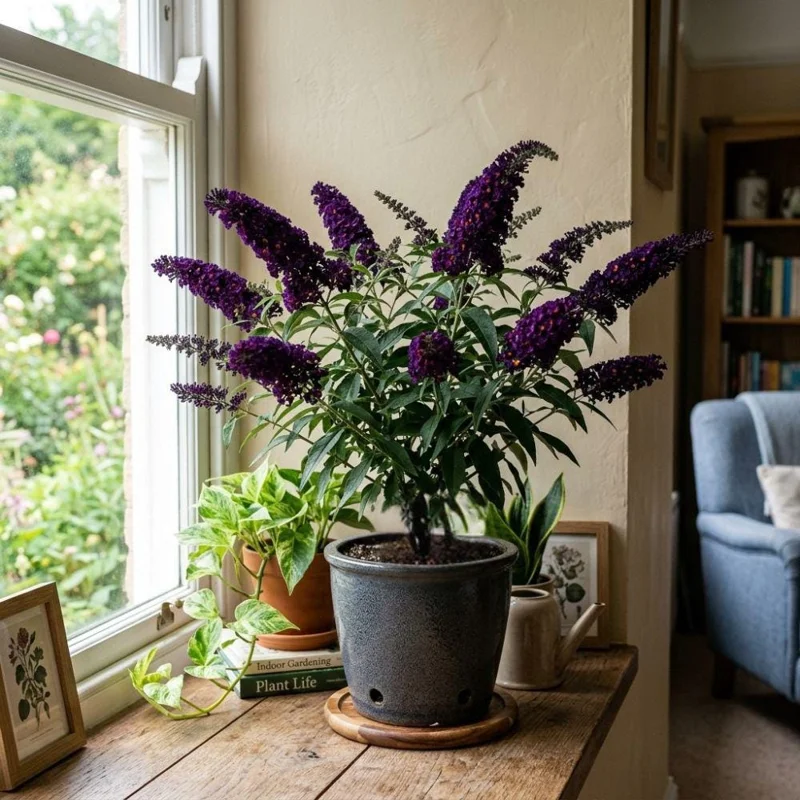
- Q: Can I grow it in a pot? A: Yes, this vibrant flower bush can be grown successfully in large patio containers, provided they have good drainage and are placed in a sunny location.
- Q: How often should I water it? A: During establishment, keep the soil consistently moist. Once mature, it is quite drought-tolerant, but water regularly during prolonged dry periods to encourage continuous blooming.



Reviews
There are no reviews yet.