Overview
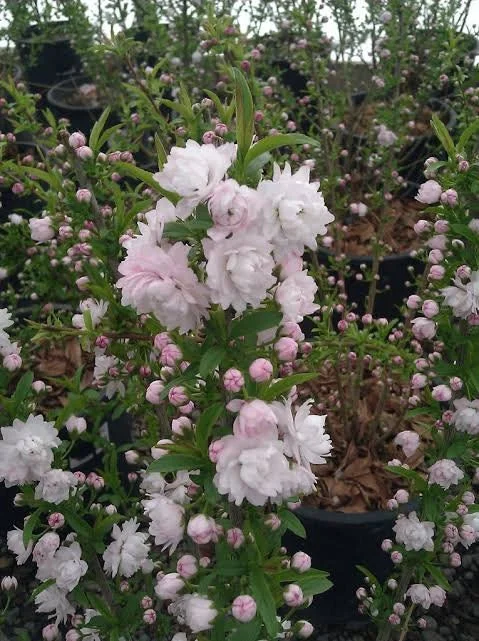
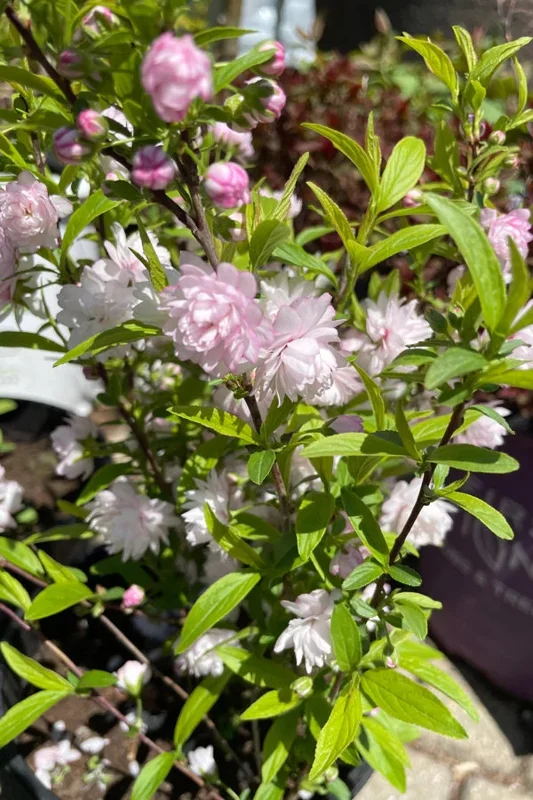
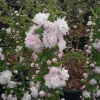
Introduce a burst of early spring elegance to your garden with the dwarf flowering almond live plant, scientifically known as Prunus glandulosa ‘Rosea Plena’. This charming ornamental shrub is celebrated for its profusion of delicate, double pink flowers that emerge before its leaves, creating a breathtaking display. Ideal for smaller spaces, borders, or as an accent plant, the dwarf flowering almond live plant offers a compact growth habit while delivering significant visual impact. Its vibrant blooms provide a much-needed splash of color when most other plants are still dormant, making it a standout feature in any landscape. This live plant is carefully cultivated to ensure health and vigor, ready to thrive in your outdoor space.
The ‘Rosea Plena’ cultivar is particularly prized for its fully double, rose-like flowers, which are more showy than the single-flowered varieties. Originating from China and Japan, this resilient shrub has been a favorite in gardens for centuries due to its easy care and reliable blooming. Whether you’re a seasoned gardener or just starting out, the dwarf flowering almond live plant is an excellent choice for adding early season beauty and structure to your garden design.
Key Benefits
The dwarf flowering almond live plant offers numerous advantages for any garden, combining aesthetic appeal with ease of maintenance. Its unique characteristics make it a valuable addition to diverse landscape settings.
- Spectacular Early Spring Blooms: Enjoy a magnificent display of double pink flowers that appear in early spring, often before the foliage, providing vibrant color when few other plants are in bloom. These blossoms are a welcome sign of spring’s arrival.
- Compact and Manageable Size: With its dwarf growth habit, this shrub is perfect for smaller gardens, urban landscapes, foundation plantings, or even large containers, making it versatile for various design needs. It typically reaches a height of 4-5 feet and a similar spread.
- Low Maintenance & Easy Care: Once established, the dwarf flowering almond live plant requires minimal attention, thriving with basic watering and occasional pruning. It’s a great choice for gardeners seeking beauty without extensive effort.
- Attracts Pollinators: While primarily ornamental, the early blooms can attract early-season pollinators like bees, contributing to the biodiversity of your garden environment.
- Versatile Landscape Use: Excellent as a specimen plant, in mixed borders, mass plantings, or as an informal hedge. Its charming flowers and neat form enhance any garden style.
- Hardy and Resilient: This plant is known for its hardiness and ability to tolerate a range of soil conditions, making it a robust choice for many regions.
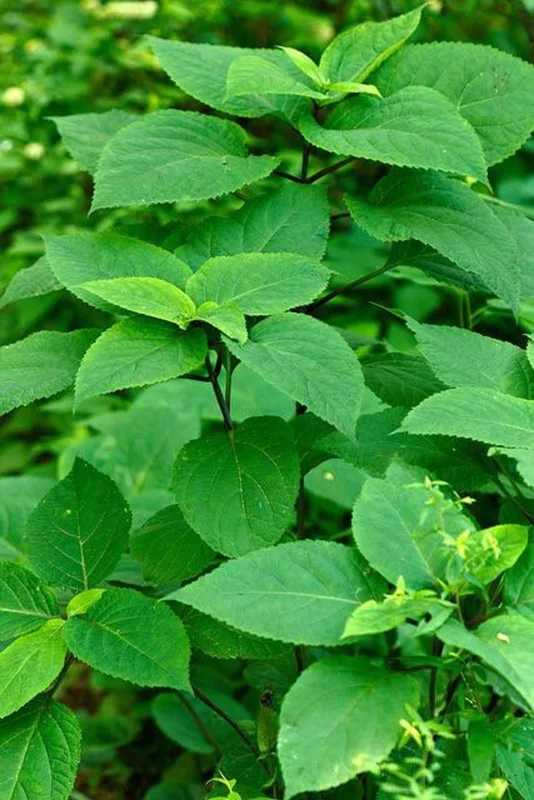
- Seasonal Interest: Beyond its stunning spring flowers, the delicate green foliage provides a pleasant backdrop throughout the growing season, adding continuous interest to your landscape.
Plant Care & Growing Tips
Caring for your dwarf flowering almond live plant is relatively straightforward, ensuring years of beautiful blooms. This shrub prefers a location with full sun to partial shade, meaning it should receive at least 6 hours of direct sunlight per day for optimal flowering. While it can tolerate some shade, too much will reduce the number of blossoms. Ensure good air circulation to prevent fungal issues. When planting, dig a hole twice as wide as the root ball and just as deep. Amend heavy clay soils with organic matter to improve drainage.
Watering is crucial, especially during the first growing season to help establish a strong root system. Keep the soil consistently moist but not waterlogged. Once established, the plant is moderately drought-tolerant but will benefit from regular watering during dry spells. Fertilize in early spring with a balanced, slow-release granular fertilizer formulated for flowering shrubs. Pruning should be done immediately after flowering to shape the plant and encourage new growth for the next season’s blooms. Avoid pruning in late summer or fall, as this can remove the flower buds that form on old wood.
The flowering almond bush is generally pest and disease resistant. However, keep an eye out for common issues like aphids or powdery mildew, especially in humid conditions or if air circulation is poor. Address these with appropriate organic or chemical controls as needed. Winter protection is usually not required in its hardiness zones, but a layer of mulch around the base can help insulate the roots and retain soil moisture year-round. Understanding how to care for a prunus glandulosa rosea plena ensures its longevity and prolific flowering.
Size & Details
This dwarf flowering almond live plant is shipped as a healthy, actively growing specimen, approximately 1ft tall from the base of the plant to the tip of its highest branch. It comes securely planted in a 6-inch nursery pot, providing ample space for its root system to develop during transit and immediately after planting. This size is ideal for transplanting directly into your garden or a larger decorative container.
Mature plants typically reach a height and spread of 4 to 5 feet, forming a dense, rounded shrub. The growth rate is moderate, allowing it to establish and fill out within a few growing seasons. Expect to see its spectacular double pink blooms in early spring, usually between March and April, depending on your climate. This dwarf ornamental almond is designed to bring immediate beauty and long-term enjoyment to your outdoor space.
Frequently Asked Questions
- Q: How big does this plant get? A: The dwarf flowering almond live plant typically reaches a mature height and spread of 4 to 5 feet, making it a compact and manageable shrub for most garden sizes.
- Q: Is this an indoor or outdoor plant? A: This is primarily an outdoor plant, well-suited for garden beds, borders, and landscape use. It requires a period of winter dormancy to produce its best blooms.
- Q: How much sunlight does it need? A: For optimal flowering, the prunus glandulosa rosea plena prefers full sun, meaning at least 6 hours of direct sunlight per day. It can tolerate partial shade, but blooming may be less prolific.
- Q: Is this plant easy to care for? A: Yes, the dwarf flowering almond live plant is considered relatively easy to care for. It’s quite hardy and adaptable once established, requiring basic watering and annual pruning after flowering.
- Q: What condition will it arrive in? A: Your plant will arrive as a healthy, 1ft tall live specimen, securely rooted in a 6-inch nursery pot, ready for planting. We ensure careful packaging to minimize transit stress.
- Q: How long until it blooms? A: If planted in the appropriate season, your dwarf flowering almond should bloom in the early spring following its planting, or even in the first spring if planted early enough.
- Q: What’s the best time to plant this shrub? A: The best time to plant a flowering almond bush is in early spring or early fall, allowing the roots to establish before extreme summer heat or winter cold.
- Q: Will it survive winter in my zone? A: The dwarf flowering almond live plant is hardy in USDA Zones 4-8, meaning it can tolerate winter temperatures down to -30°F (-34°C).
- Q: Can I grow this in a container? A: Yes, due to its compact size, the dwarf ornamental almond can be successfully grown in a large container. Ensure the container has good drainage and provide adequate winter protection in colder zones.
- Q: Is this a true almond tree? A: While it’s in the Prunus genus, which includes edible almonds, the dwarf flowering almond live plant is primarily grown for its ornamental flowers, not for edible nuts.





Reviews
There are no reviews yet.