Overview
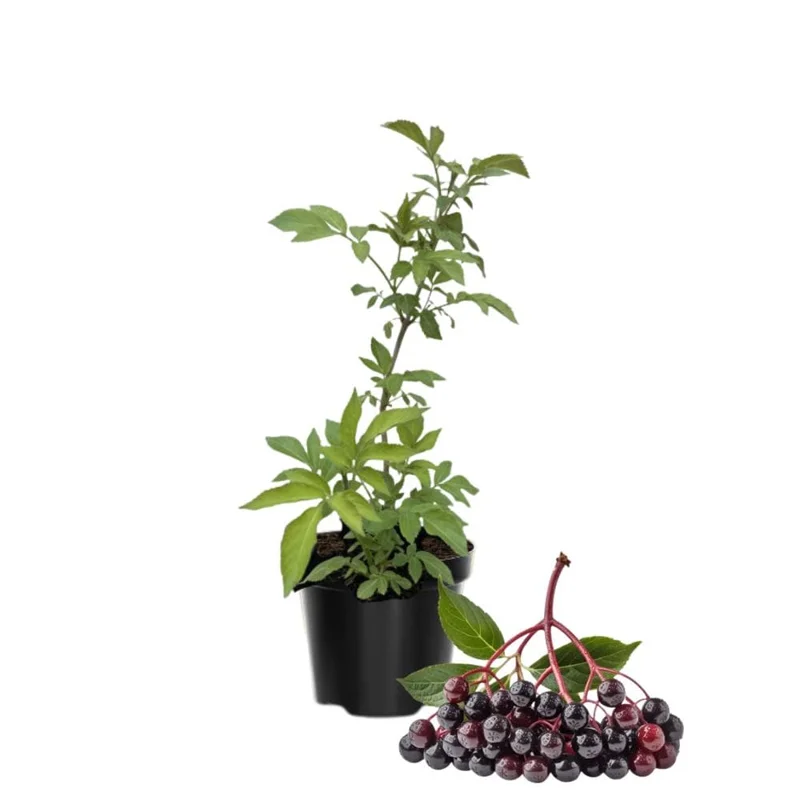
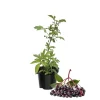
Transform your outdoor space with a vibrant elderberry live plant. This offering features a young, healthy Sambucus plant, measuring between 4 to 7 inches in height, ready to establish itself in your garden. Elderberry, scientifically known as Sambucus, is a popular deciduous shrub cherished for its attractive foliage, versatile growth habit, and the potential for beautiful berries (depending on variety and maturity). Ideal for both ornamental and edible landscapes, this hardy outdoor shrub is a fantastic addition for gardeners seeking a plant that combines beauty with resilience. Commonly found in home gardens and naturalized areas, the elderberry plant is a testament to nature’s bounty and adaptability.
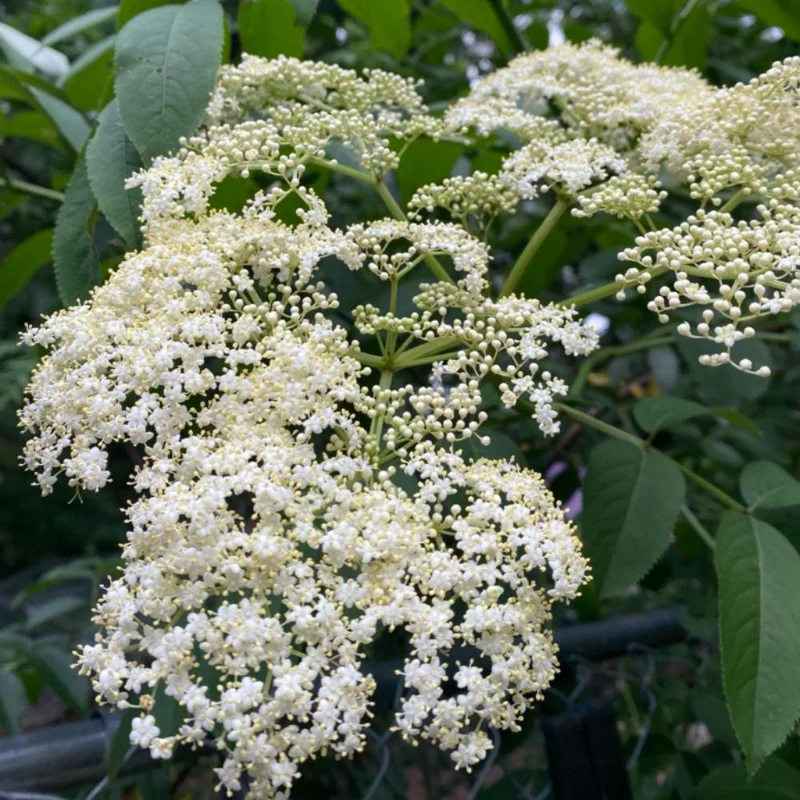
This starter plant provides an excellent foundation for growing a mature elderberry bush, which can eventually produce flowers and berries. While this particular listing focuses on the live plant itself, the potential for future harvests makes it a rewarding choice for those interested in growing their own food or attracting wildlife. Its ease of cultivation and ability to thrive in various conditions make it a beloved choice for a wide range of gardening enthusiasts. Investing in an elderberry live plant means bringing a piece of nature’s versatility into your personal outdoor sanctuary.
Key Benefits
The elderberry live plant offers a multitude of advantages for any garden. Its robust nature and attractive appearance make it a stand-out choice:
- Hardy and Adaptable: This sambucus shrub is incredibly resilient, thriving in a variety of climates and soil conditions. It’s an excellent choice for gardeners looking for a low-maintenance plant that can withstand diverse environmental challenges, enhancing the overall hardiness of your garden ecosystem.
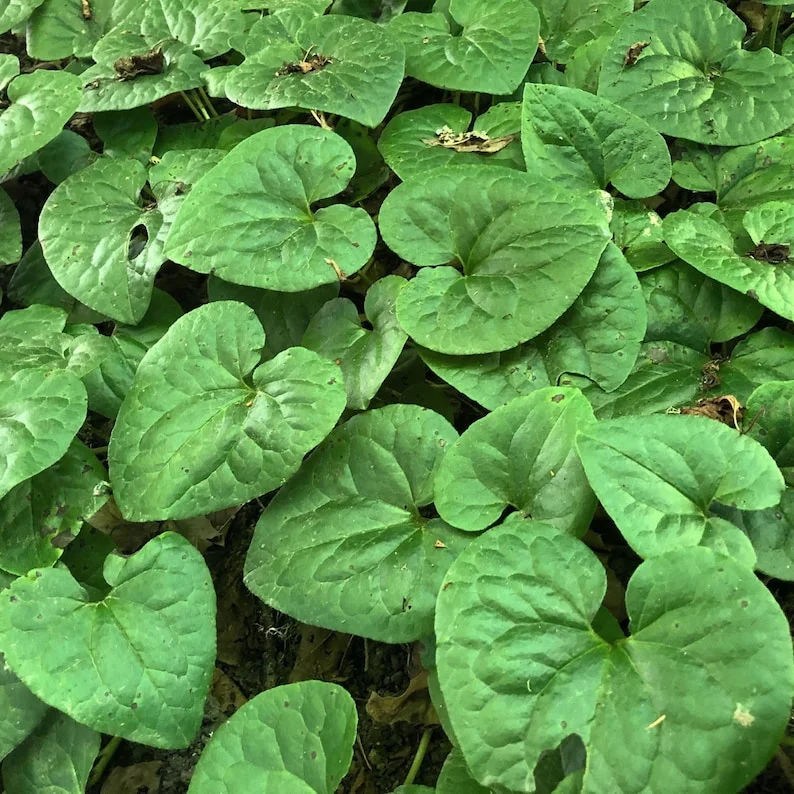
- Attractive Foliage: Enjoy lush, vibrant green leaves throughout the growing season. The natural growth form of the elderberry adds a touch of rustic beauty to any landscape, providing a dense and appealing backdrop for other garden elements.
- Versatile Landscaping Use: The elderberry can be integrated into various garden designs. Whether you’re planning a hedgerow, a mixed border, or even growing it in large containers, its adaptable nature allows for creative placement and function in your outdoor living space.
- Easy to Grow: Known for its straightforward care requirements, this elderberry live plant is suitable for gardeners of all experience levels. With basic outdoor care, including adequate sunlight and water, it will flourish, rewarding you with steady growth and vigor.
- Supports Biodiversity: Elderberry plants are excellent for attracting pollinators like bees and butterflies, as well as birds that feed on the berries. Planting an elderberry for garden use helps to create a more vibrant and biodiverse ecosystem.
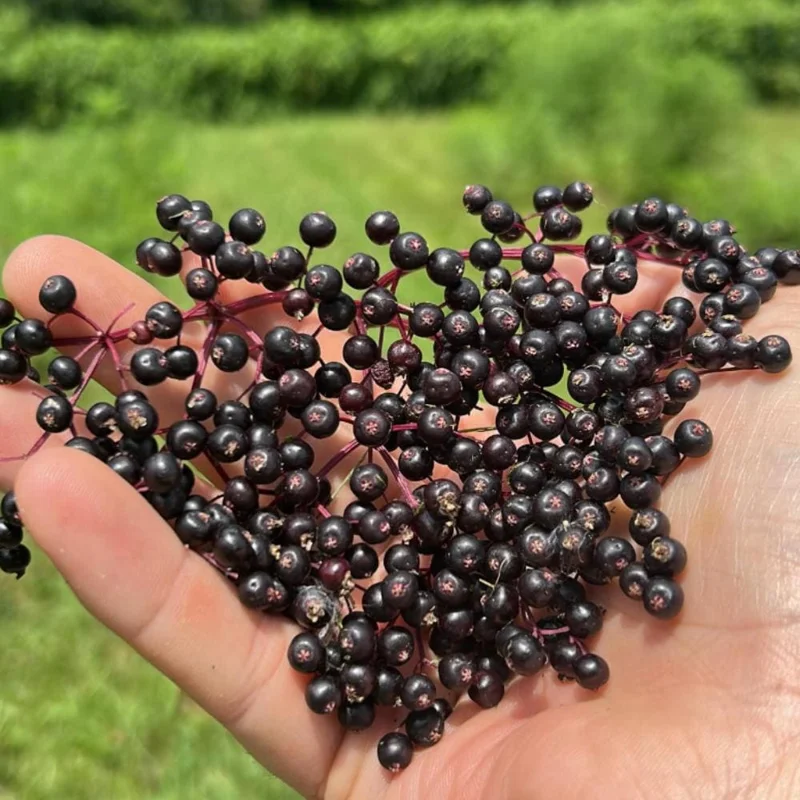
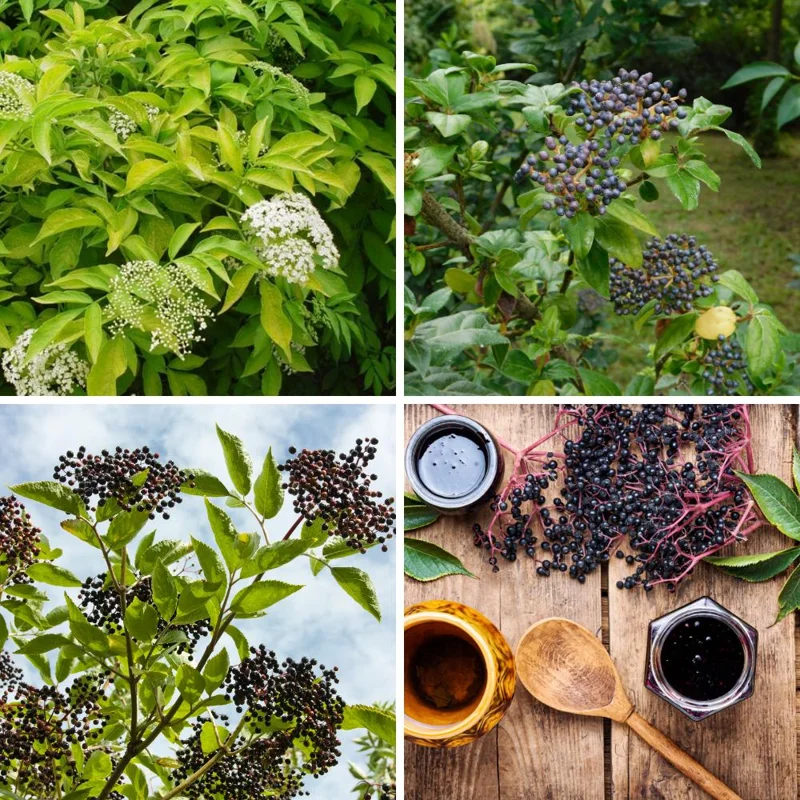
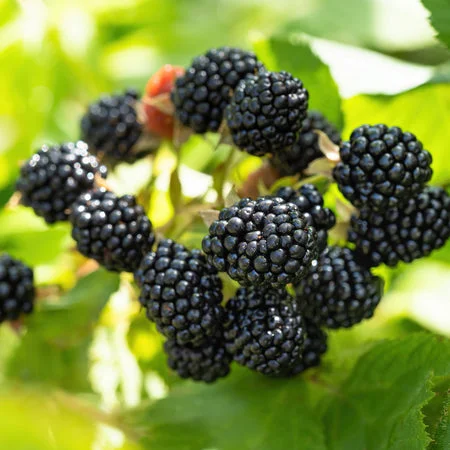
- Potential for Edible Harvests: While this is a young plant, mature elderberry bushes produce flowers and berries that can be used in teas, jams, jellies, and other culinary creations. This adds a valuable edible component to your garden landscape.
- Natural and Native Appeal: Incorporating elderberry into your garden can contribute to a naturalized or native-style landscape, connecting your outdoor space with the local environment and its indigenous flora.
Plant Care & Growing Tips
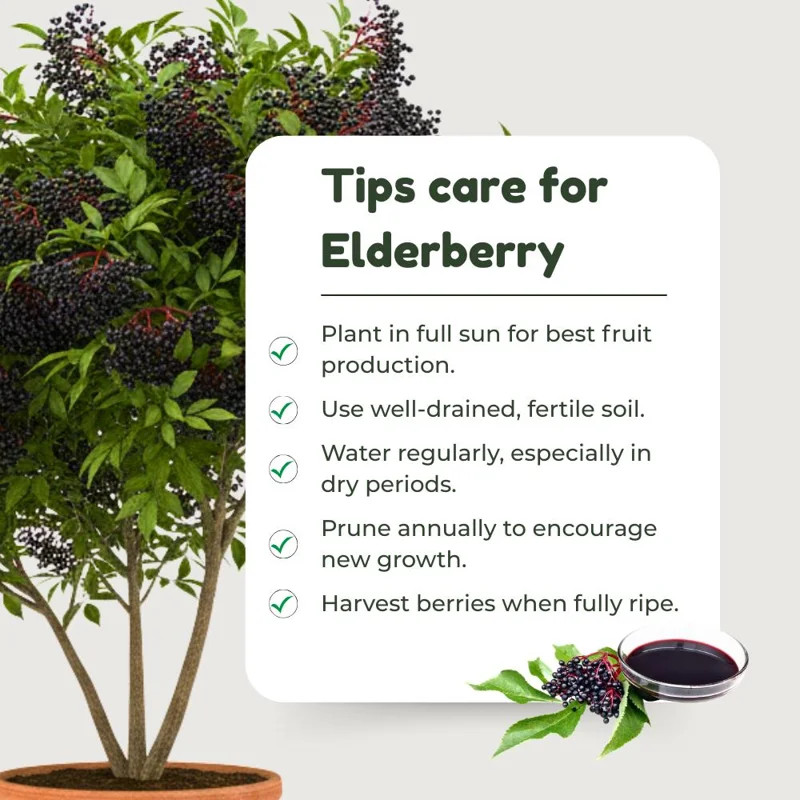
Caring for your elderberry live plant is relatively simple, making it a rewarding experience for gardeners. Elderberries are generally quite forgiving, but providing optimal conditions will ensure vigorous growth and health. They prefer a location with full sun to partial shade, meaning at least 4-6 hours of direct sunlight per day. While they can tolerate some shade, more sun typically leads to better flowering and fruiting. When considering elderberry plant care, proper site selection is crucial for long-term success.
For soil, elderberries are not overly particular but thrive in well-draining, fertile soil. A slightly acidic to neutral pH (6.0-7.0) is ideal. Amend heavy clay soils with organic matter like compost to improve drainage and aeration. Regular watering is important, especially during dry spells and in the plant’s first year of establishment. Aim to keep the soil consistently moist but not waterlogged. Once established, elderberry plants are quite drought-tolerant, but supplemental watering during prolonged dry periods will benefit them. Fertilize sparingly in early spring with a balanced, slow-release fertilizer if your soil is poor; otherwise, compost amendments usually suffice. This hardy outdoor shrub typically doesn’t require extensive feeding.
Pruning is beneficial for maintaining shape, encouraging new growth, and improving air circulation. The best time to prune is in late winter or early spring while the plant is dormant. Remove any dead, damaged, or crossing branches. You can also thin out older, less productive canes to encourage new growth from the base. Elderberries are cold-hardy and generally resistant to most pests and diseases. Monitor for common issues like aphids or powdery mildew, though these are rarely severe. With these basic care guidelines, your elderberry live plant will flourish and become a cherished part of your garden for years to come.
Size & Details
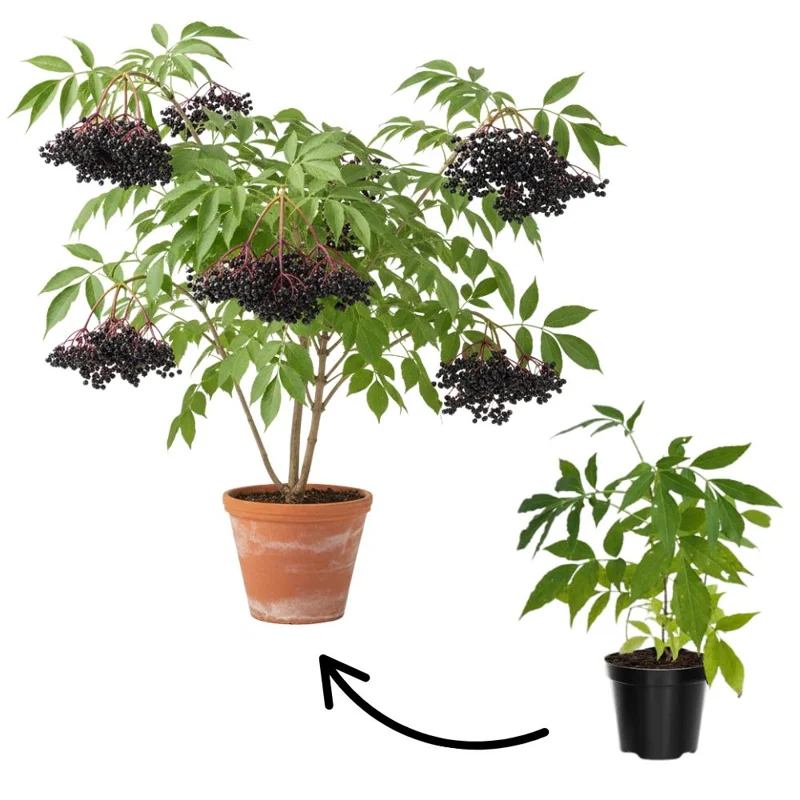
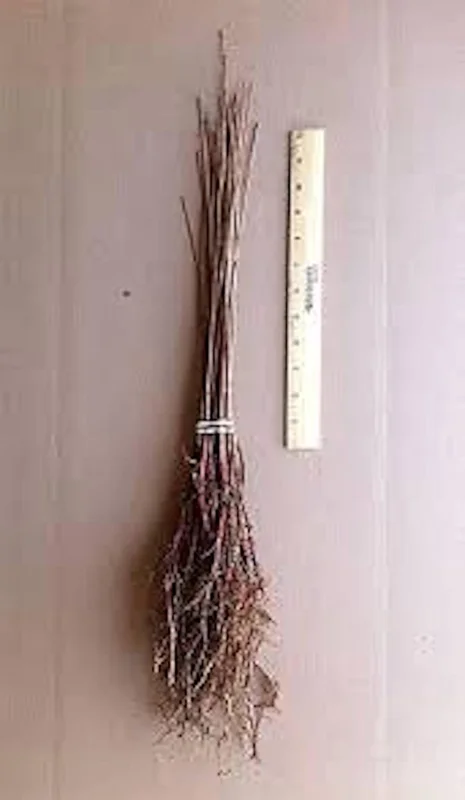
This offering is for one elderberry live plant, which measures approximately 4 to 7 inches in height from the soil line to the top of the foliage. It is shipped as a young starter plant, typically in a small nursery pot or carefully packaged with its root ball intact to ensure health during transit. Elderberry plants are known for their relatively fast growth rate once established, quickly developing into a substantial sambucus shrub. While the initial size is compact, with proper care, it will grow significantly within its first few seasons. The plant is ready for immediate planting upon arrival.
Expected mature size for most elderberry varieties ranges from 6 to 12 feet tall and wide, depending on the specific cultivar and growing conditions. It typically takes 2-3 years for an elderberry plant to reach a size where it begins to produce a significant harvest of flowers and berries. This young plant provides an excellent opportunity to nurture a robust shrub from its early stages, allowing it to adapt to your specific garden environment. It’s a fantastic choice for those looking to add a resilient and potentially productive plant to their landscape.
Frequently Asked Questions
- Q: How big does this elderberry live plant get? A: This particular offering is a 4-7 inch starter plant. Once mature, a typical elderberry live plant can grow to be 6 to 12 feet tall and wide, depending on the variety and growing conditions in your garden.
- Q: Is this an indoor or outdoor plant? A: The elderberry live plant is a hardy outdoor shrub. It is designed to be planted directly into your garden or a large outdoor container where it can receive adequate sunlight and space to grow.
- Q: How much sunlight does the sambucus shrub need? A: Elderberry plants thrive in full sun to partial shade. For the best growth and potential for flowers and berries, aim for at least 4-6 hours of direct sunlight per day.
- Q: Is this plant easy to care for? Is it good for beginners? A: Yes, the elderberry live plant is considered easy to grow and is an excellent choice for beginners. It is quite resilient and requires basic outdoor care, making elderberry plant care straightforward.
- Q: What condition will the elderberry plant arrive in? A: Your elderberry plant will arrive as a healthy, young starter plant, typically in a small nursery pot or with its root ball carefully protected. It will be packaged to ensure its well-being during shipment.
- Q: How long until my elderberry plant produces berries? A: While this is a young starter plant, a well-cared-for sambucus shrub typically begins to produce flowers and berries within 2-3 years after planting, reaching full production in subsequent years.
- Q: Will this elderberry for garden survive winter in my zone? A: Elderberries are very hardy and generally tolerate cold temperatures well. Most varieties are suitable for USDA hardiness zones 3-9, making them resilient in many climates.
- Q: What type of soil is best for an elderberry plant? A: Elderberries prefer well-draining, fertile soil with a slightly acidic to neutral pH. Amending with compost can improve soil quality and drainage for optimal growth.
- Q: Can I grow this elderberry in a container? A: While elderberries prefer to be planted in the ground, they can be grown in very large containers (e.g., 15-20 gallon) provided they have adequate drainage, regular watering, and sufficient space for root development.
- Q: Are elderberry plants deer resistant? A: Elderberries are generally considered to be somewhat deer resistant, though very hungry deer may browse them. Their foliage is not typically a preferred food source for deer.



Reviews
There are no reviews yet.