Overview
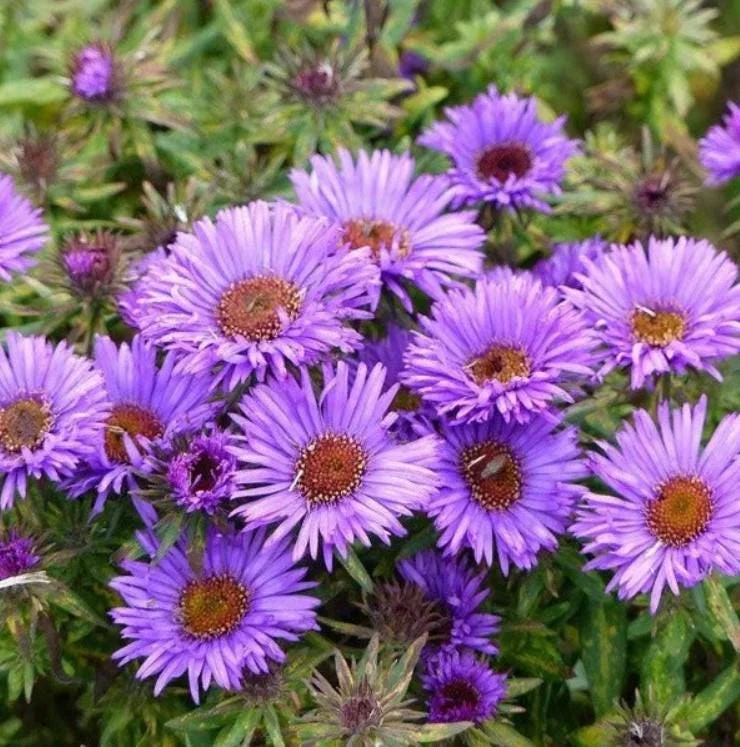
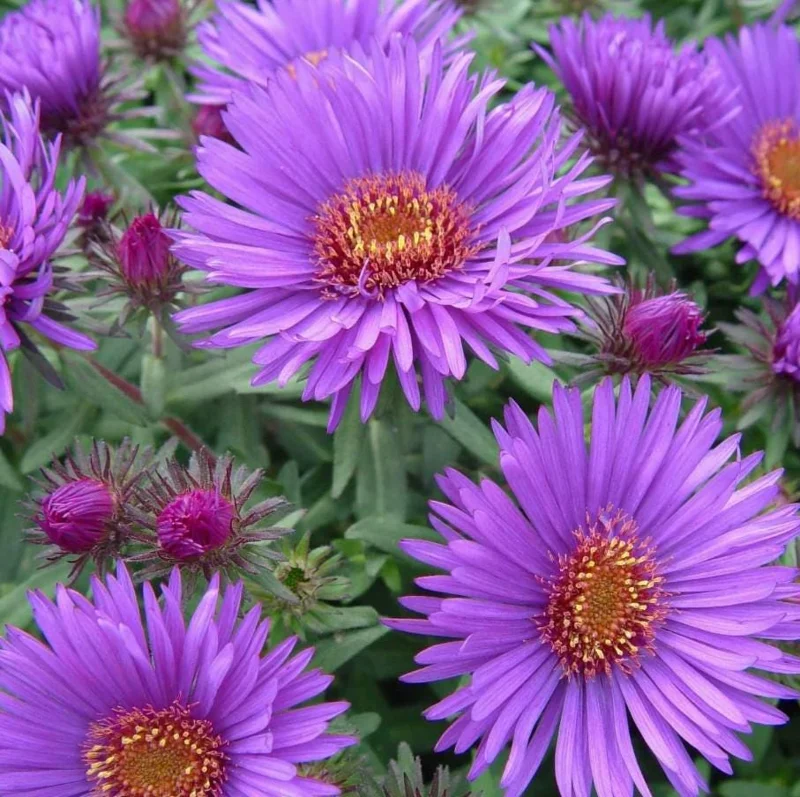
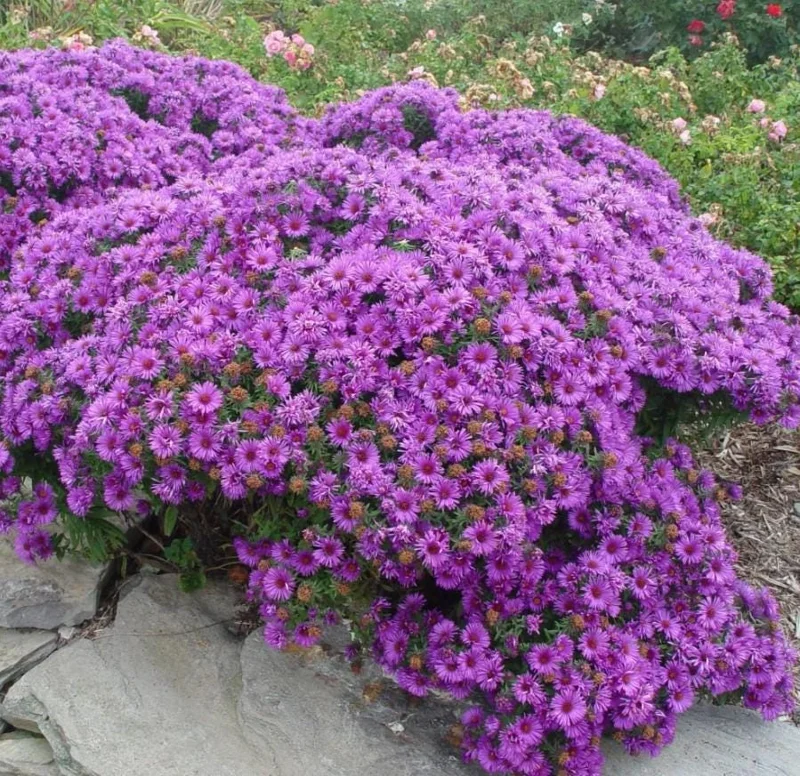
Introduce a splash of vibrant late-season color and ecological value to your landscape with the England Aster Lavender live plant. This captivating perennial, botanically known as Symphyotrichum novae-angliae, is offered as a healthy 2-6 inch tall plant plug, ready to establish in your garden. Renowned for its abundant lavender-purple blooms with bright golden centers, the England Aster is a natural magnet for butterflies, bees, and other beneficial pollinators, making it an essential addition to any wildlife-friendly space. Its robust nature and striking floral display make it a favorite for cottage gardens, wildflower borders, and naturalized areas, providing a spectacular show when many other plants are fading.
The England Aster Lavender live plant is a testament to enduring beauty and resilience. Native to North America, this species has adapted to a wide range of conditions, making it a reliable choice for gardeners across various climates. When you plant this hardy specimen, you’re not just adding a flower; you’re inviting a dynamic ecosystem into your backyard. As a significant source of nectar and pollen in late summer and fall, it plays a crucial role in supporting local pollinator populations, ensuring your garden remains a lively and thriving habitat.
Key Benefits
The England Aster Lavender live plant offers a multitude of advantages for both the gardener and the environment. Its ease of care combined with its aesthetic appeal makes it a standout choice for diverse garden designs.
- Spectacular Late-Season Blooms: Enjoy a profusion of beautiful lavender-purple flowers from late summer into fall, extending the visual interest and color in your garden when other plants are winding down. This makes it an invaluable source of continuous beauty.
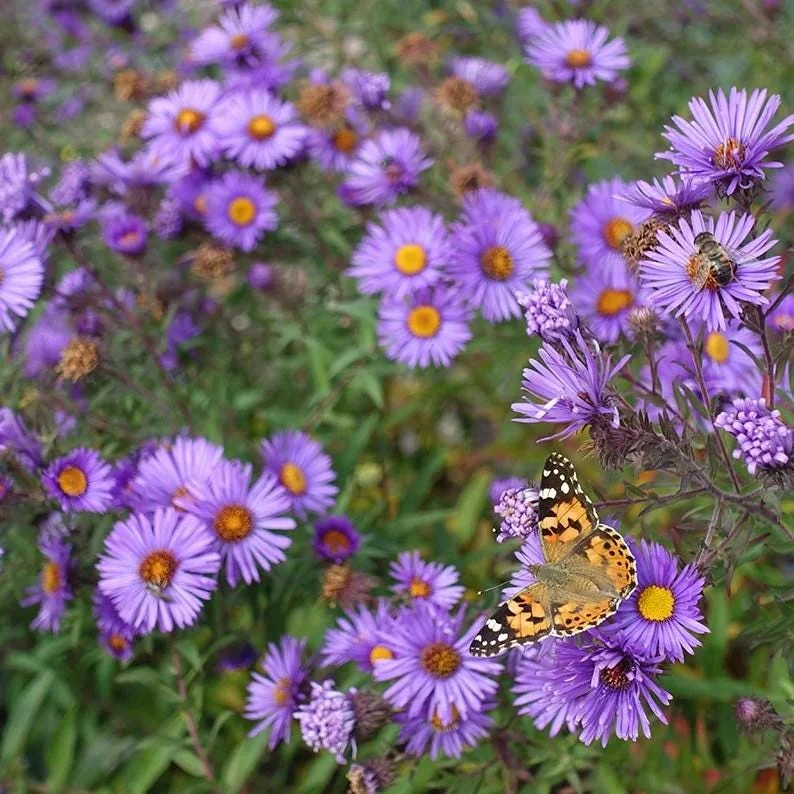
- Pollinator Magnet: The vibrant blooms and golden centers are irresistible to butterflies, bees, and other beneficial insects, making it an excellent choice for supporting local ecosystems and creating a thriving pollinator garden plant.
- Hardy and Resilient: As a hardy perennial flower, the England Aster is highly adaptable to various soil types and climates, tolerating cold winters and proving to be quite drought-tolerant once established.
- Versatile Landscape Use: Perfect for cottage gardens, wildflower meadows, borders, and naturalized areas, this plant adds structure and color wherever it’s placed. It also makes an excellent cut flower for indoor arrangements.
- Low Maintenance: Once established, the England Aster Lavender live plant requires minimal care, making it an ideal option for gardeners seeking beauty without constant upkeep. Regular deadheading can encourage more prolonged flowering.
- Native Plant Benefits: Being native to North America, it is well-suited to local conditions and contributes to biodiversity, supporting native wildlife and requiring less intervention.
Plant Care & Growing Tips
Caring for your England Aster Lavender live plant is straightforward, ensuring a dazzling display year after year. This hardy perennial thrives with minimal intervention once established, making it a rewarding addition to any garden. For optimal growth and abundant blooms, choose a location that receives full sun; while partial sun is tolerated, full sun encourages the most prolific flowering. Ensure good air circulation around the plants to prevent fungal issues, especially in humid climates. When planting, space individual plants approximately 18-24 inches (45-60 cm) apart to allow for mature growth.
The Symphyotrichum novae-angliae prefers well-drained, loamy soil, but it is remarkably adaptable and can tolerate clay or sandy soils. Aim for a soil pH that is neutral to slightly acidic. During its establishment phase, water regularly to keep the soil consistently moist but not waterlogged. Once mature, this plant becomes quite drought-tolerant, requiring less frequent watering. It is hardy in USDA zones 4–8, capable of tolerating cold winters and returning reliably each spring. Fertilize sparingly; a balanced, slow-release fertilizer in early spring is usually sufficient. Avoid over-fertilizing, as this can lead to leggy growth and fewer flowers. Common problems are generally few, but watch for powdery mildew in humid conditions, which can often be mitigated with good air circulation.
Maintenance for this late season blooms provider is relatively simple. Cut stems back to the ground in late fall or early spring to encourage vigorous new growth. To maintain plant vigor and prevent overcrowding, divide clumps every 2–3 years. This also provides an opportunity to expand your plantings or share with fellow gardeners. Deadheading spent blooms throughout the flowering season can encourage a longer, more continuous display of its beautiful lavender flowers. With these simple care practices, your England Aster will flourish, bringing joy and ecological benefits to your garden for many seasons.
Size & Details
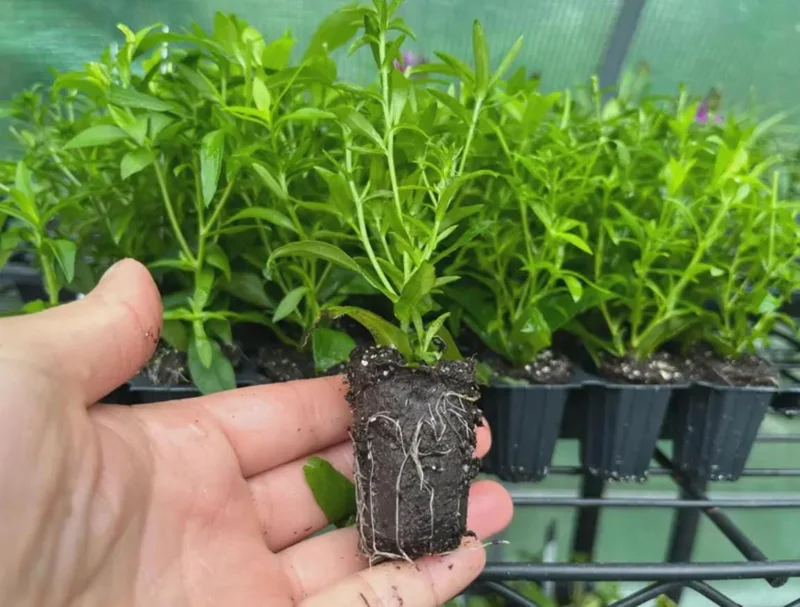
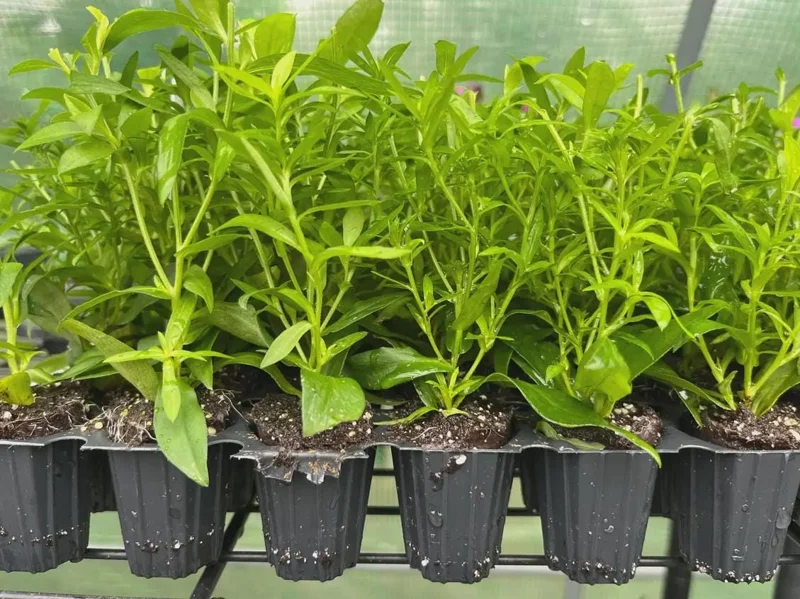
This offering is for an England Aster Lavender live plant plug, typically measuring 2-6 inches tall at the time of shipment. These young, healthy starter plants are carefully cultivated to ensure a strong root system, ready for transplanting into your garden or a larger pot. While exact dimensions vary slightly due to the natural growth of plants, you can expect a robust seedling poised for rapid establishment. The mature plant typically grows to a height of 3-6 feet (90-180 cm) and spreads 2-3 feet (60-90 cm) wide, forming an attractive, upright clump.
The plant is shipped as a live, rooted plug, ensuring a smooth transition to its new home. It will settle quickly and begin to grow, with blooming expected from late summer to fall (August–October) in its first full growing season. This Symphyotrichum novae-angliae is a vigorous grower, and with proper care, it will reach its mature size within 2-3 years, providing a substantial presence in your garden. The lavender blooms are a defining characteristic, providing a consistent and beautiful color throughout its flowering period.
Frequently Asked Questions
- Q: How big does this England Aster Lavender live plant get? A: This plant is shipped as a 2-6 inch tall plug. Once mature, the England Aster Lavender live plant typically grows 3-6 feet tall and spreads 2-3 feet wide, forming a substantial clump.
- Q: Is this an indoor or outdoor plant? A: The England Aster Lavender live plant is primarily an outdoor perennial, best suited for garden beds, borders, and naturalized landscapes. It thrives in temperate outdoor climates.
- Q: How much sunlight does it need? A: This hardy perennial flower prefers full sun for best blooming, meaning at least 6 hours of direct sunlight per day. It can tolerate partial sun, but flowering may be less prolific.
- Q: Is this plant easy to care for? Is it good for beginners? A: Yes, the England Aster is considered a low-maintenance and easy-to-care-for plant, making it an excellent choice for beginner gardeners. Once established, it is quite resilient.
- Q: What condition will the plant arrive in? Is it shipped in soil? A: The plant will arrive as a healthy, rooted plug. It is typically shipped with some soil or growing medium around the roots to keep it hydrated and protected during transit.
- Q: How long until it blooms? When is the best time to plant? A: The England Aster Lavender live plant typically blooms from late summer to fall (August–October). The best time to plant the plug is in spring after the last frost, allowing it ample time to establish before its blooming season.
- Q: Will it survive winter in my zone? What’s the minimum temperature? A: This Symphyotrichum novae-angliae is hardy in USDA zones 4–8, meaning it can tolerate cold winters and temperatures well below freezing, typically surviving down to -30°F to -20°F (-34°C to -29°C) in zone 4.
- Q: Can this plant attract pollinators? A: Absolutely! The England Aster is a renowned pollinator garden plant, attracting a wide variety of bees, butterflies, and other beneficial insects, especially during its late-season bloom.
- Q: What kind of soil does it prefer? A: It prefers well-drained, loamy soil but is adaptable to clay or sandy soils. A neutral to slightly acidic pH is ideal for this late season blooms provider.
- Q: Do I need to fertilize it often? A: No, the England Aster does not require heavy fertilization. A light application of a balanced, slow-release fertilizer in early spring is usually sufficient to support its growth and flowering.






Reviews
There are no reviews yet.