Overview
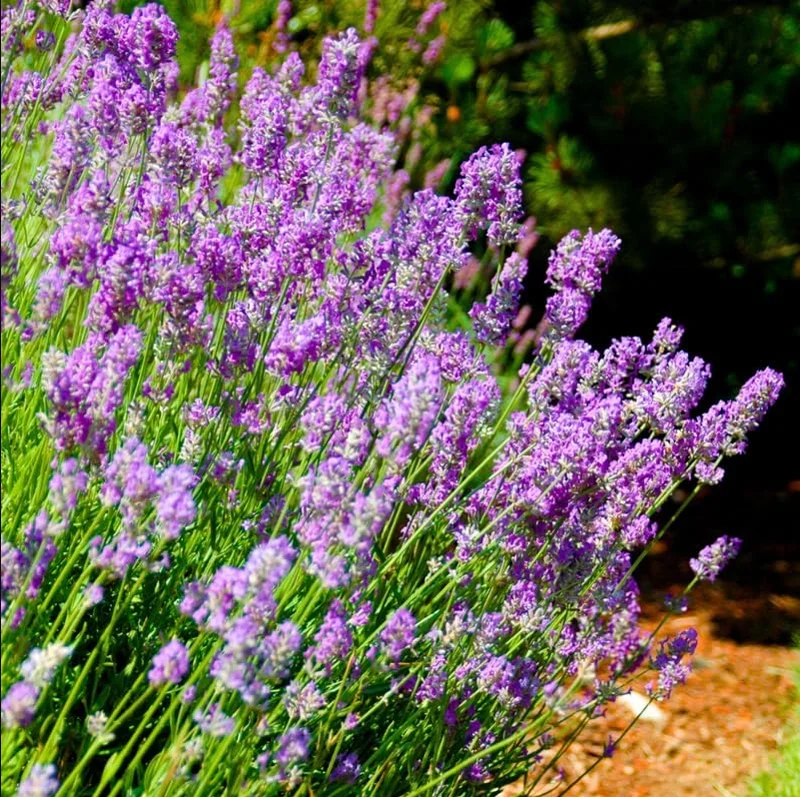
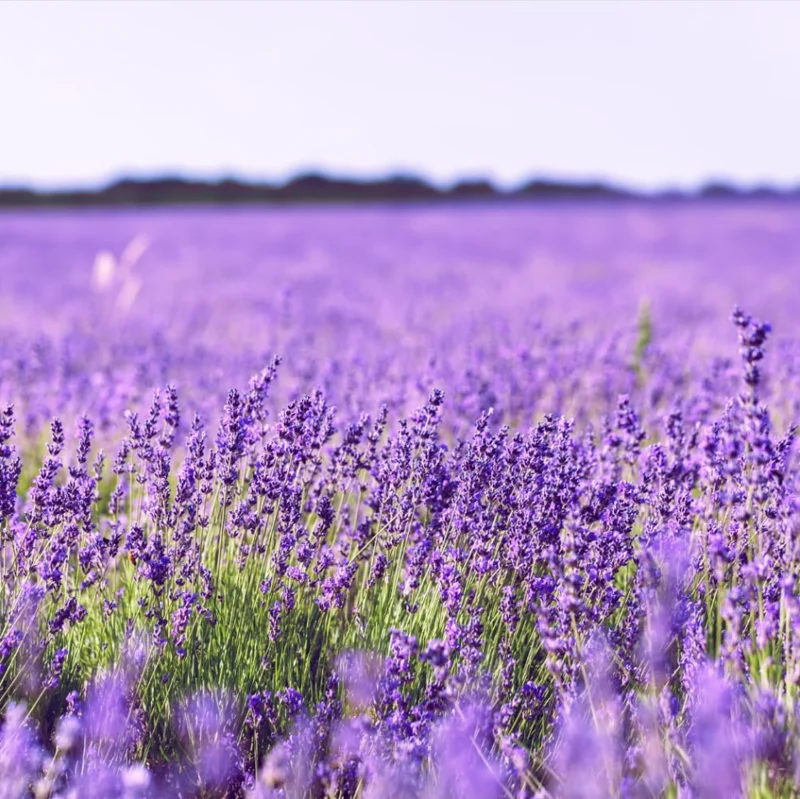
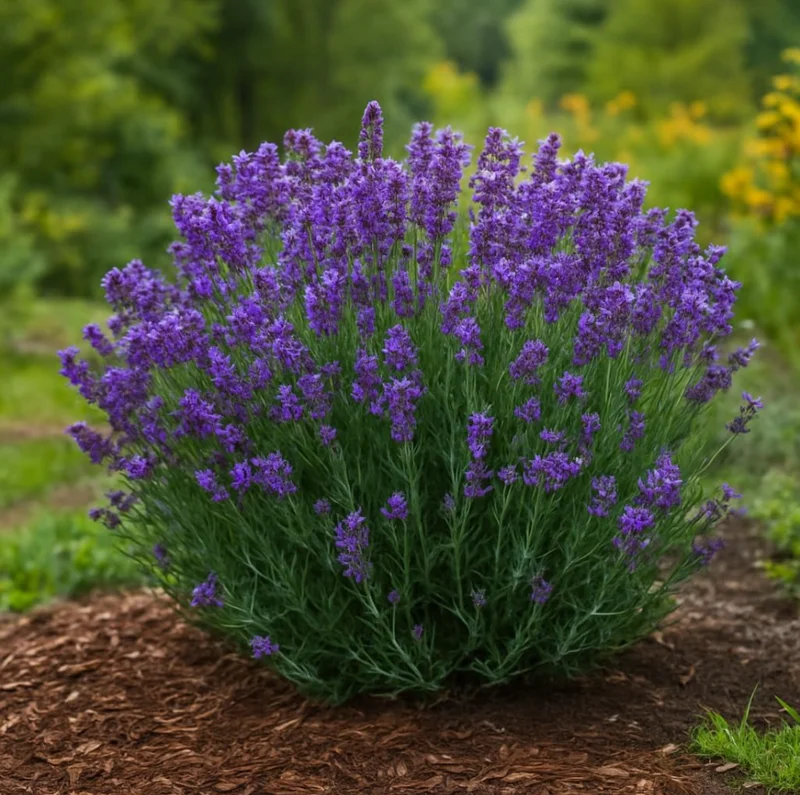
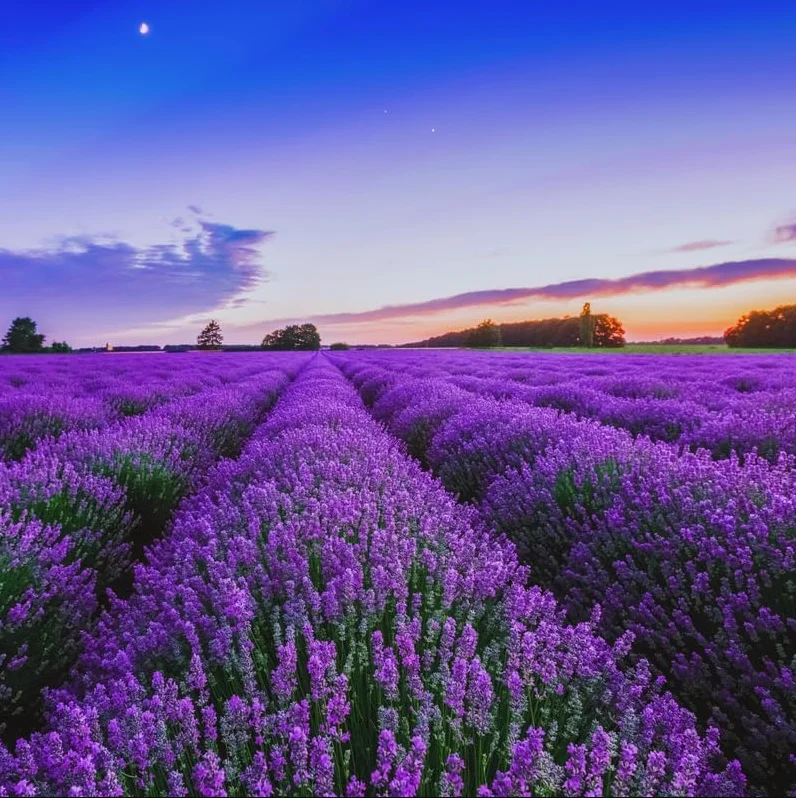
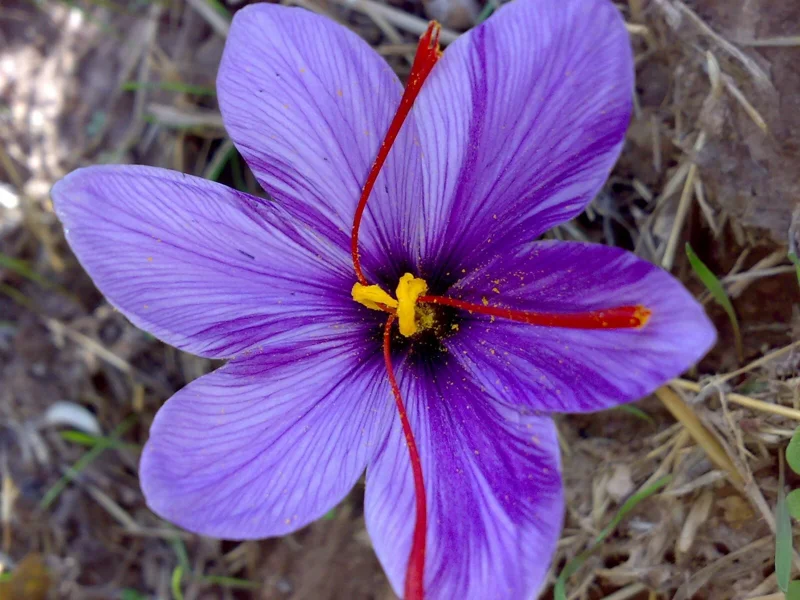
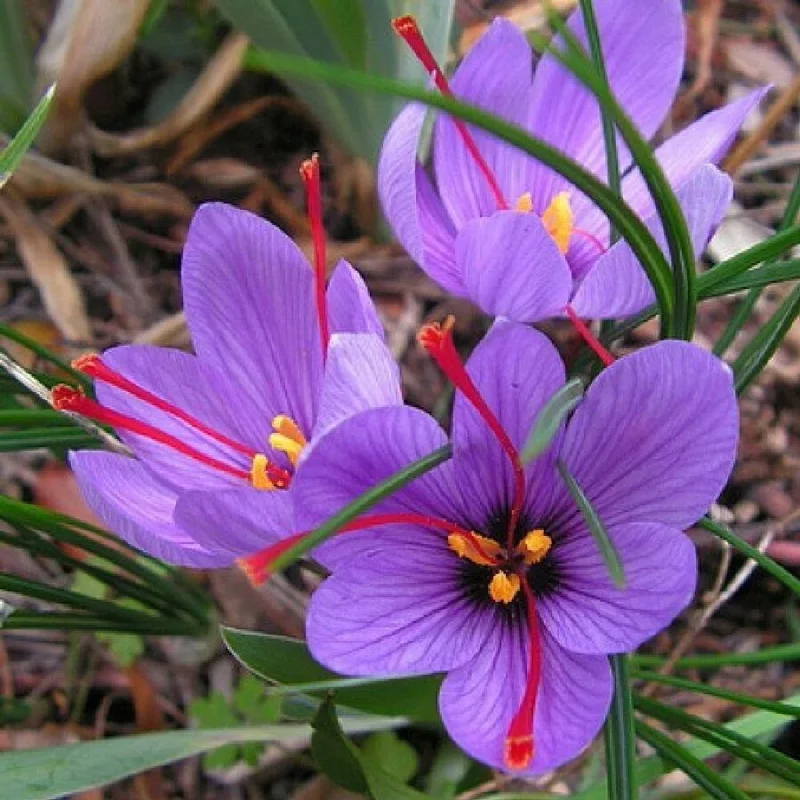
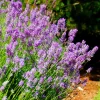
Transform your garden into a serene oasis with this beautiful English Lavender live plant. Known botanically as Lavandula angustifolia, English Lavender is a beloved perennial shrub celebrated for its intensely fragrant purple flowers and silvery-green foliage. This particular variety, often associated with the picturesque fields of Provence, offers a classic, soothing aroma that is perfect for aromatherapy, culinary uses, or simply enjoying in your outdoor space. A robust and drought-tolerant plant, it thrives in sunny locations and is an excellent choice for creating fragrant borders, rock gardens, or container displays. Whether you’re an experienced gardener or just starting, this English Lavender live plant provides an easy and rewarding way to add enduring beauty and natural fragrance to your home.
Key Benefits
The English Lavender live plant offers a multitude of benefits, making it a highly desirable addition to any garden:
- Aromatic Delight: Renowned for its strong, sweet fragrance, this lavender variety releases a calming scent that can reduce stress and enhance relaxation. The aroma is particularly potent when the flowers are in bloom or when brushed against.
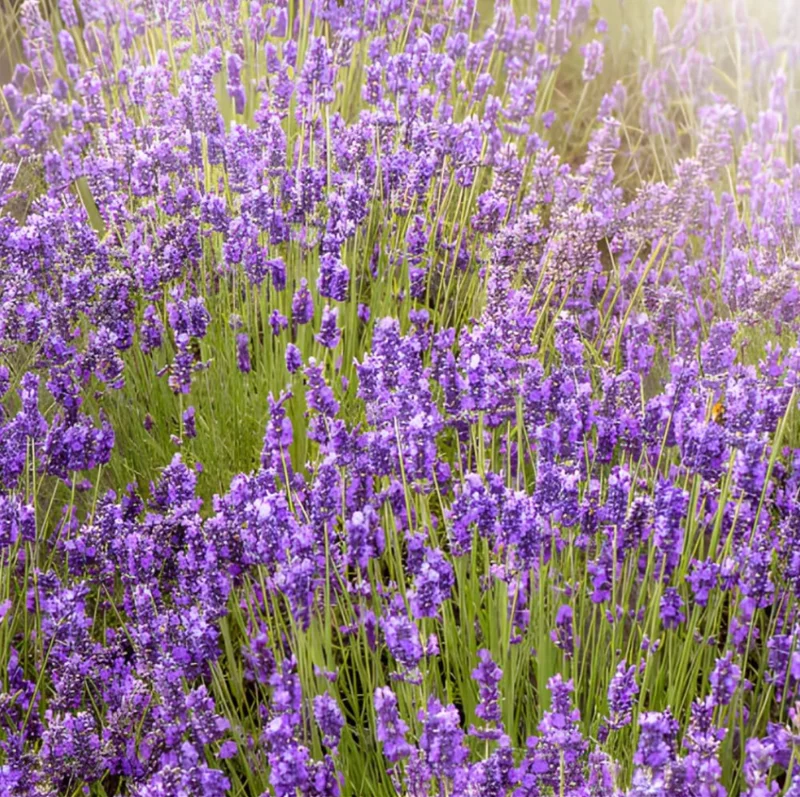
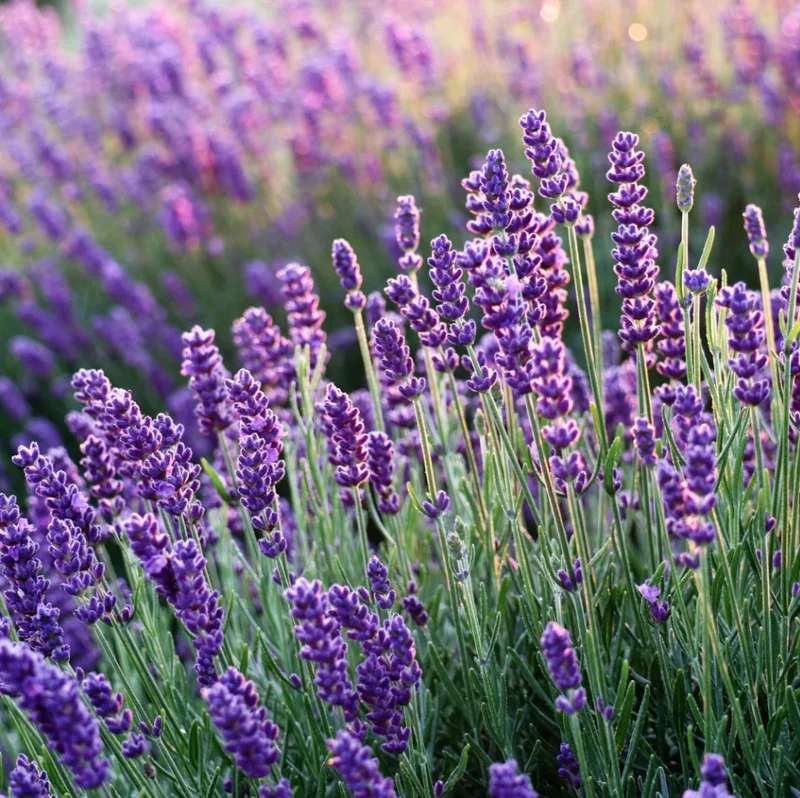
- Beautiful Blooms: Produces abundant spikes of vibrant purple flowers that create a stunning visual display from late spring through summer. These blooms are perfect for cutting and drying, retaining their color and fragrance for months.
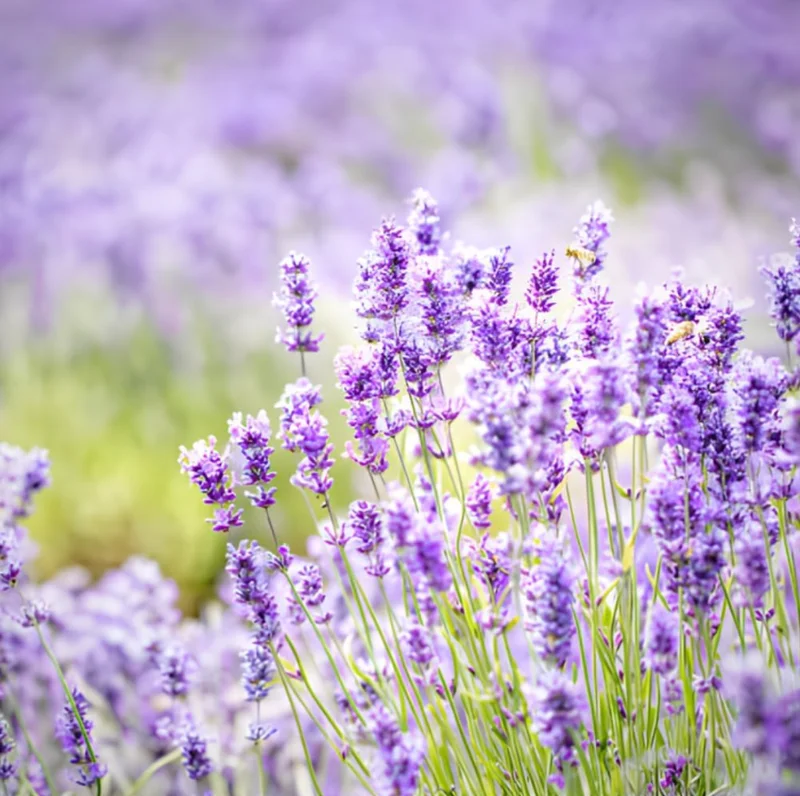
- Pollinator Magnet: The nectar-rich flowers are a favorite of bees, butterflies, and other beneficial pollinators, helping to support local ecosystems and improve garden biodiversity.
- Drought Tolerant: Once established, English Lavender live plant is highly resilient to dry conditions, making it an excellent choice for water-wise gardening and low-maintenance landscapes.
- Deer and Rabbit Resistant: The strong scent and somewhat bitter taste of lavender foliage naturally deter deer and rabbits, protecting your garden from unwanted browsing.
- Versatile Use: Ideal for a variety of garden applications, including mass plantings, borders, hedges, rock gardens, and container gardening. Its compact size also makes it suitable for smaller spaces and patios.
- Culinary and Medicinal Properties: The flowers and leaves of Provence lavender plant can be used in cooking for flavoring desserts, teas, and savory dishes, and are also utilized in herbal remedies for their calming and antiseptic properties.
Plant Care & Growing Tips
Caring for your English Lavender live plant is relatively straightforward, as it is a hardy and forgiving perennial. For optimal growth and prolific blooms, ensure it receives plenty of sunlight. Lavender thrives in full sun, meaning at least 6-8 hours of direct sunlight per day. In hotter climates, some afternoon shade can be beneficial to prevent scorching, but generally, the more sun, the better. This plant is well-suited for outdoor growing and is hardy in USDA zones 5-9, meaning it can withstand winter temperatures down to -20°F (-28°C).
When it comes to watering, less is often more. Lavender prefers dry conditions and is highly susceptible to root rot if overwatered. Allow the soil to dry out completely between waterings, especially after it has established. Newly planted lavender will need more frequent watering initially, but once settled, it can be quite drought-tolerant. The ideal soil type for growing lavender outdoors is well-draining, sandy, or gravelly soil with a neutral to slightly alkaline pH. Avoid heavy clay soils that retain too much moisture. Amending heavy soils with sand, grit, or compost can improve drainage significantly. Fertilization is rarely necessary; lavender actually prefers lean soil. If your soil is very poor, a light application of a balanced, slow-release fertilizer in early spring can be beneficial, but avoid high-nitrogen fertilizers which can promote foliage growth at the expense of flowers.
Pruning is crucial for maintaining a compact shape and encouraging abundant flowering. Prune your lavender in early spring, once new growth appears, by cutting back about one-third of the plant, focusing on shaping and removing any dead or woody stems. A light trim after the first flush of flowers can encourage a second bloom. Watch out for common problems like fungal diseases (often due to poor air circulation or overwatering) and root rot. Ensuring good drainage and proper spacing will help prevent these issues. With proper English lavender care, your plant will flourish, providing years of fragrant beauty.
Size & Details
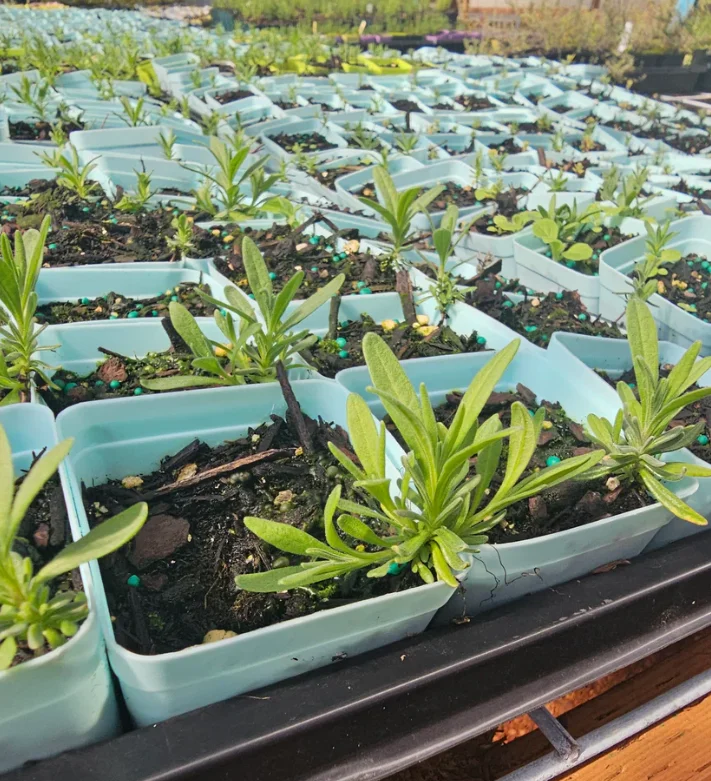
This English Lavender live plant arrives ready for planting, typically measuring 3-5 inches tall from the top of the soil and housed in a 3-inch nursery pot. It is a young, vigorous specimen, perfect for establishing in your garden or a larger container. English Lavender is a moderate grower, generally reaching a mature height and spread of 1.5 to 2 feet (18-24 inches). Its compact, bushy habit makes it ideal for various landscape designs, from formal hedges to informal cottage gardens. Expect to see its first flush of beautiful purple flowers in late spring to early summer, with potential for a second bloom later in the season if deadheaded. This plant ships as a well-rooted, healthy specimen, carefully packaged to ensure safe arrival.
Frequently Asked Questions
- Q: How big does this plant get? A: This English Lavender live plant typically grows to a mature size of 1.5 to 2 feet tall and wide, forming a compact, fragrant shrub.
- Q: What size pot does it come in? A: The plant arrives in a 3-inch nursery pot, ready for transplanting into your garden or a larger container.
- Q: Is this an indoor or outdoor plant? A: English Lavender live plant is primarily an outdoor plant, thriving in full sun and temperate climates. It can be overwintered indoors in very cold regions but generally prefers outdoor conditions.
- Q: How much sunlight does it need? A: This lavender variety requires full sun, meaning at least 6-8 hours of direct sunlight daily, to produce the most fragrant and abundant purple flowers.
- Q: Is this plant easy to care for? A: Yes, with proper conditions (full sun, well-draining soil, minimal watering), English Lavender is considered a low-maintenance and easy-to-care-for plant, especially once established.
- Q: What condition will it arrive in? A: Your fragrant purple flowers plant will arrive healthy, well-rooted, and carefully packaged to ensure it reaches you in excellent condition, ready for planting.
- Q: Can I use this lavender for culinary purposes? A: Yes, English Lavender (Lavandula angustifolia) is often used in culinary applications, perfect for teas, baked goods, and savory dishes.
- Q: When is the best time to plant? A: The best time to plant English Lavender is in spring after the last frost, or in early fall in warmer climates, to allow it to establish before extreme temperatures.
- Q: Will it survive winter in my zone? A: English Lavender is hardy in USDA Zones 5-9. If you are in these zones, it should successfully overwinter outdoors.
- Q: What does Provence lavender plant mean? A: While not a distinct botanical species, ‘Provence lavender’ often refers to English Lavender varieties that are commonly grown in the Provence region of France, known for their strong fragrance and beautiful purple blooms.




Reviews
There are no reviews yet.