Overview
Introduce an exotic touch to your indoor garden with the captivating fishbone cactus live plant. Known botanically as Epiphyllum anguliger, this unique succulent is cherished for its distinctive zig-zag or fishbone-shaped stems, which give it its common name. Unlike typical desert cacti, the fishbone cactus live plant is an epiphyte, meaning it naturally grows on other plants in humid, tropical environments, often found clinging to trees in its native Mexico. This particular order provides one healthy fishbone cactus live plant, measuring 3 to 5 inches tall and rooted in a convenient 2-inch pot, ready for you to transplant into your favorite hanging basket or decorative container. Its lush green foliage and unusual structure make it a fascinating specimen for both novice and experienced plant enthusiasts.
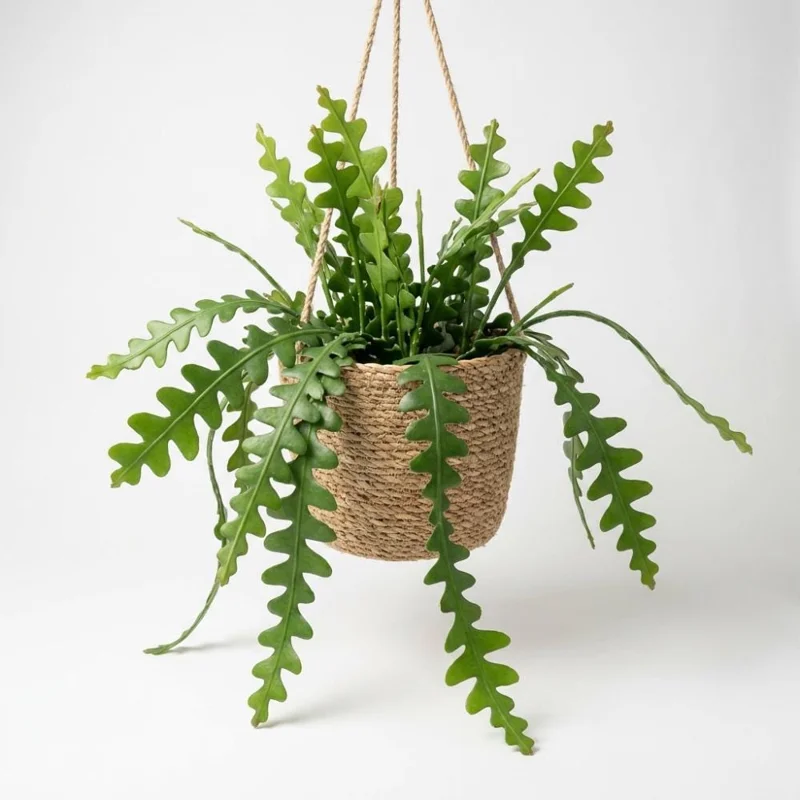
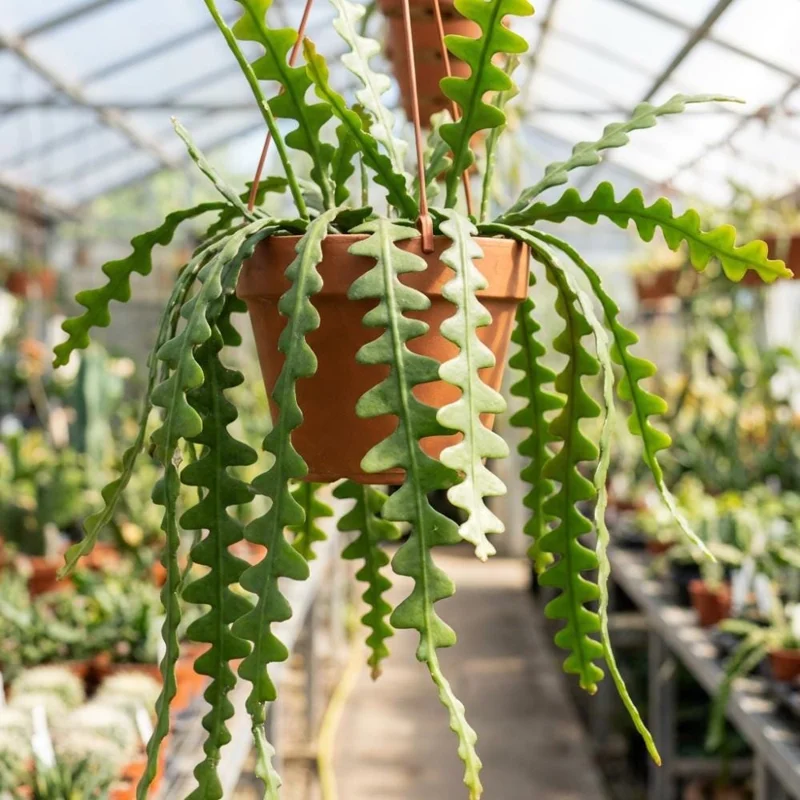
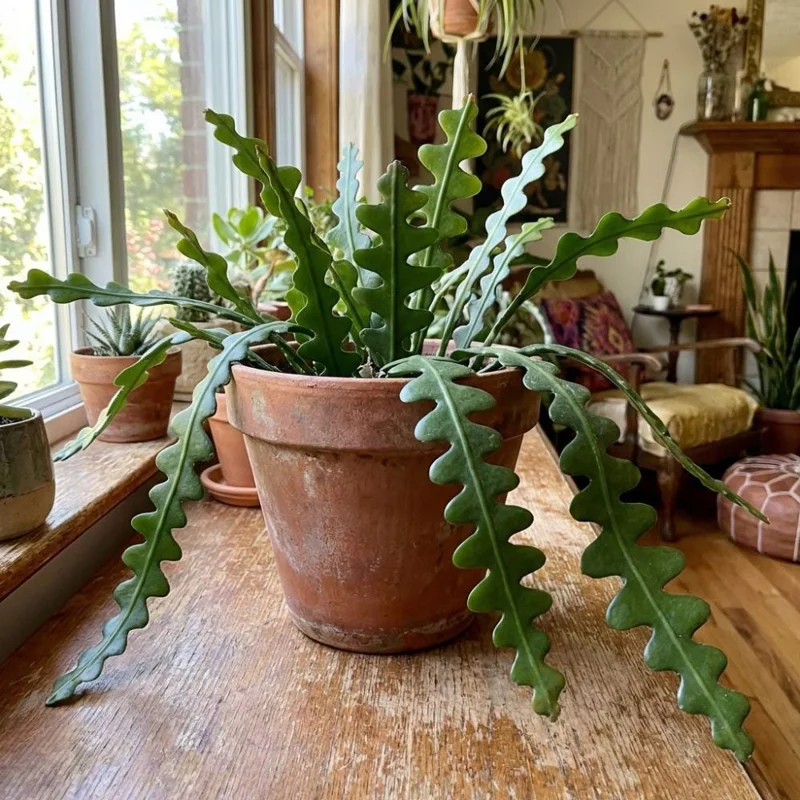
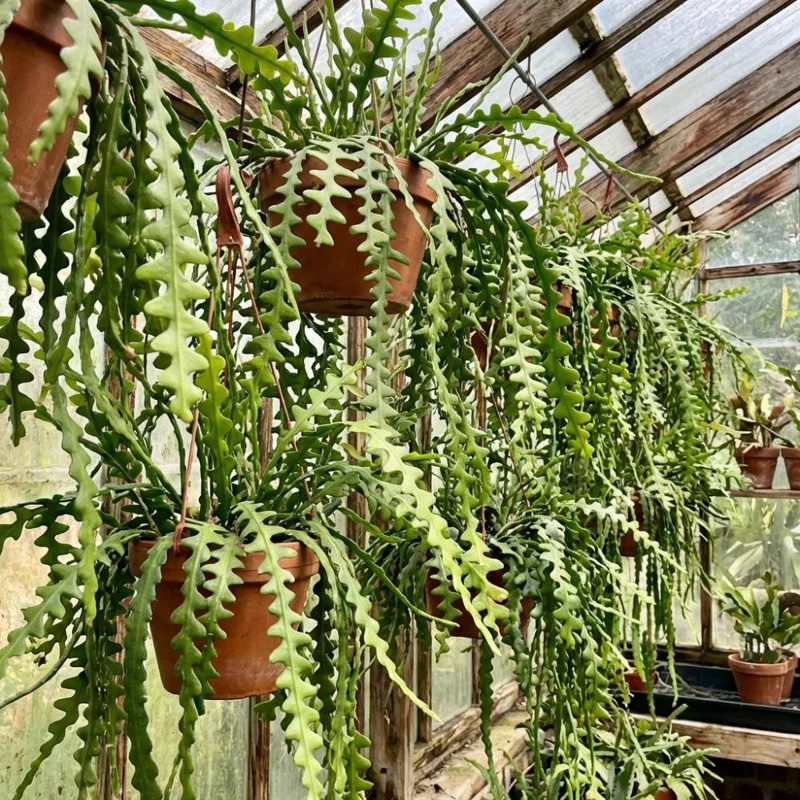
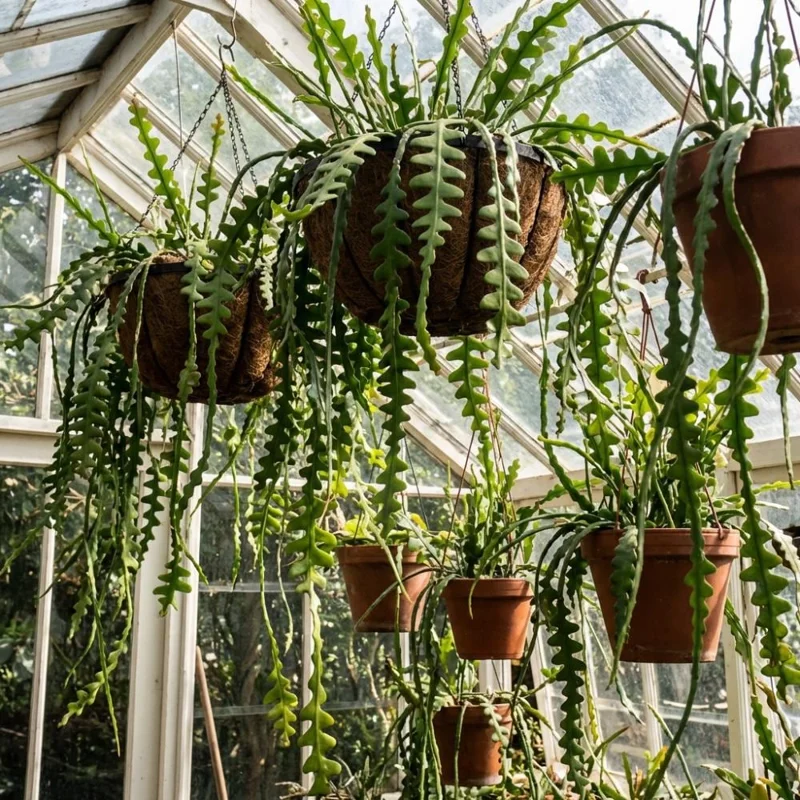
The fishbone cactus live plant is also widely recognized as the ric rac cactus or zig zag cactus due to its deeply lobed, wavy stems that resemble a fish skeleton or a ric-rac ribbon. These flat, broad stems are a vibrant green and remain smooth to the touch, providing a striking visual contrast to more spiny cacti. Often referred to as a tropical jungle cactus, it prefers conditions similar to its native habitat, thriving in bright, indirect light and appreciating higher humidity. When mature and given optimal conditions, it can produce beautiful, fragrant flowers, especially at night, earning it another common name: queen of the night cactus.
Key Benefits
The fishbone cactus live plant offers a multitude of benefits, making it an excellent choice for various indoor settings. Its unique aesthetic and relatively easy care requirements contribute to its growing popularity among houseplant lovers.
- Unique Ornamental Appeal: The most striking feature is its unusual, deeply lobed, zig-zag stems, which create an eye-catching display. This architectural foliage makes the fishbone cactus live plant a conversation starter and a focal point in any room.
- Low Maintenance: Despite its exotic appearance, this plant is surprisingly easy to care for. It tolerates a range of indoor conditions and doesn’t demand constant attention, making it suitable for busy individuals or beginner gardeners.
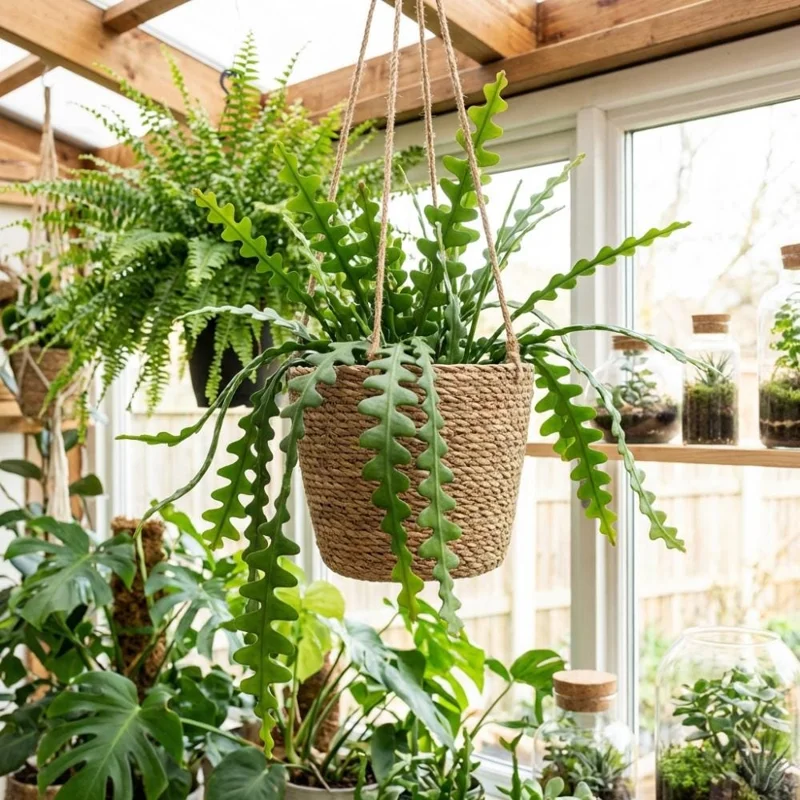
- Versatile Display Options: Its trailing growth habit makes it ideal for hanging baskets, allowing its distinctive stems to cascade gracefully. It can also be placed on shelves or in decorative pots, adding a touch of jungle charm to your home.
- Air Purifying Qualities: Like many houseplants, the Epiphyllum anguliger contributes to a healthier indoor environment by helping to filter airborne toxins and improve air quality.
- Potential for Beautiful Blooms: While primarily grown for its foliage, mature fishbone cactus live plant specimens can produce stunning, fragrant, nocturnal flowers, adding an extra layer of beauty to your collection.
- Pet-Friendly: Generally considered non-toxic to pets, making it a safer option for households with curious cats or dogs compared to many other houseplants.
- Drought Tolerant: As a succulent, it stores water in its stems, allowing it to withstand periods of dryness, which is a forgiving trait for those who sometimes forget to water.
Plant Care & Growing Tips
Caring for your fishbone cactus live plant, or ric rac cactus, is straightforward once you understand its preferences as a tropical epiphyte. Place this plant in a location where it receives bright, indirect light. Direct, harsh sunlight, especially during the hottest parts of the day, can scorch its delicate stems. An east or north-facing window is often ideal, or a spot a few feet away from a south or west-facing window. If grown outdoors in appropriate USDA zones, ensure it’s in a shaded area, perhaps under a tree canopy, mimicking its natural habitat.
When it comes to watering, the key is to allow the top inch or two of the soil to dry out completely between waterings. Overwatering is a common cause of issues for this plant, leading to root rot. Water thoroughly until it drains from the bottom, then discard any excess water. During the dormant winter months, reduce watering frequency. Use a well-draining soil mix; a standard succulent or cactus mix amended with some peat or coco coir and perlite works well. This provides the necessary drainage while retaining some moisture, which this tropical cactus appreciates more than desert varieties. The ideal temperature range for your fishbone cactus live plant is between 60-80°F (15-27°C), and it prefers moderate to high humidity. You can increase humidity by misting regularly, placing it near a humidifier, or using a pebble tray.
Fertilize your Epiphyllum anguliger during its growing season, typically spring and summer, with a balanced liquid fertilizer diluted to half strength, about once a month. Avoid fertilizing in fall and winter. Pruning can be done to maintain shape or encourage bushier growth; simply snip off unwanted stems with clean, sharp shears. Common problems include yellowing stems from overwatering or sunburn from too much direct light. Monitor for pests like mealybugs or spider mites, which can be treated with insecticidal soap. With proper care, your zig zag cactus will thrive and potentially reward you with stunning night-blooming flowers.
Size & Details
This order includes one fishbone cactus live plant. Each plant is carefully selected and measures approximately 3 to 5 inches in height, from the soil line to the tip of the longest stem. It arrives pre-potted in a small 2-inch nursery pot, providing a secure and established root system for its journey to your home. This compact size makes it perfect for immediate placement in a decorative container or for pairing with other small plants. The Epiphyllum anguliger has a moderate growth rate and, with proper care, can develop long, trailing stems, making it an excellent choice for hanging baskets where its unique foliage can truly shine. Mature plants can reach lengths of several feet, creating an impressive botanical display over time. This plant is shipped ready to thrive and adapt to its new environment.
Frequently Asked Questions
- Q: How big does this plant get? A: Your fishbone cactus live plant will arrive 3-5 inches tall. With proper care, its unique zig-zag stems can grow quite long, often several feet, making it an excellent choice for hanging baskets where it can trail beautifully.
- Q: What size pot does it come in? A: This fishbone cactus live plant is shipped in a 2-inch nursery pot, providing a healthy start for your new succulent. You can repot it into a larger decorative pot or hanging basket upon arrival.
- Q: Is this an indoor or outdoor plant? A: The Epiphyllum anguliger is primarily grown as an indoor houseplant in most regions. It can be grown outdoors in warm, humid climates within USDA Hardiness Zones 10-11, provided it receives adequate shade.
- Q: How much sunlight does it need? A: This ric rac cactus thrives in bright, indirect light. Avoid direct, harsh sunlight, which can scorch its stems. An east or north-facing window is ideal, or a spot with filtered light.
- Q: Is this plant easy to care for? A: Yes, the fishbone cactus live plant is considered relatively easy to care for and is suitable for beginners. Its main requirements are bright, indirect light and careful watering to avoid overwatering.
- Q: What condition will it arrive in? A: Your fishbone cactus live plant will arrive healthy and well-rooted in its 2-inch pot, carefully packaged to ensure its safety during transit. It will be ready for immediate enjoyment or transplanting.
- Q: Is the zig zag cactus pet-safe? A: Yes, the Epiphyllum anguliger is generally considered non-toxic to pets, making it a safer option for homes with cats and dogs. However, it’s always best to prevent pets from chewing on plants.
- Q: How often should I water my fishbone cactus live plant? A: Water only when the top 1-2 inches of soil are dry to the touch. This typically means once every 1-2 weeks, but can vary based on humidity and light conditions. Ensure good drainage.
- Q: Will my plant produce flowers? A: Mature fishbone cactus live plant specimens, given optimal growing conditions and care, can produce beautiful, fragrant flowers, especially during the night. Patience and consistent care are key.
- Q: What USDA zones is this plant suitable for? A: This variety typically thrives outdoors in USDA Hardiness Zones 10 through 11. In cooler climates, it should be grown as an indoor houseplant.








Reviews
There are no reviews yet.