Overview
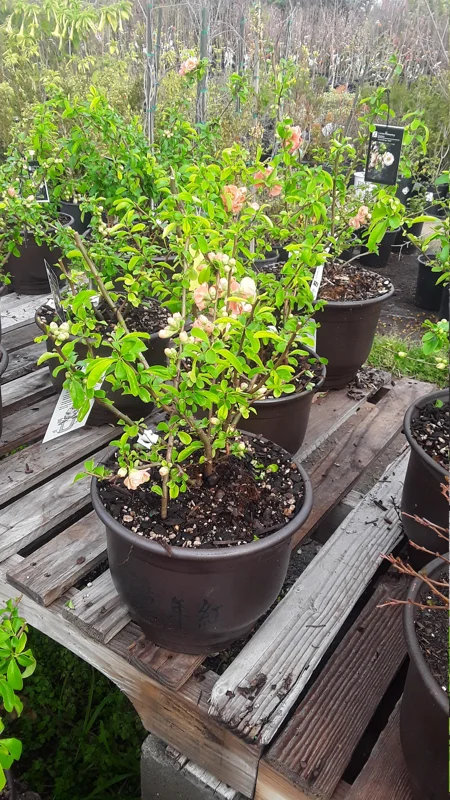
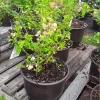
Introduce a touch of early spring splendor to your garden with the exquisite flowering quince live plant, scientifically known as Chaenomeles Speciosa. This deciduous shrub is highly prized for its spectacular blooms that emerge before its leaves, often in late winter or early spring, bringing much-needed color to the dormant landscape. Our flowering quince live plant is shipped in a 6-inch nursery pot, ensuring a healthy start for your outdoor garden. The Chaenomeles Speciosa is a versatile and resilient plant, celebrated for its ornamental value and ease of care, making it a fantastic addition for both seasoned gardeners and beginners alike. Its dense, thorny branches also make it an excellent choice for creating natural barriers or hedges, adding both beauty and function to your outdoor space.
The common name, ornamental quince shrub, truly captures its aesthetic appeal. Unlike its fruit-bearing relatives, this species is primarily grown for its showy flowers, which can range from fiery red and brilliant orange to delicate pink and pure white, depending on the cultivar. These vibrant blooms attract early pollinators, signaling the arrival of warmer weather. Beyond its captivating flowers, the flowering quince live plant offers interesting foliage and, in some varieties, small, tart, apple-like fruits that can be used for jellies and preserves, adding another layer of interest to this remarkable plant.
Key Benefits
Choosing a flowering quince live plant for your garden offers a myriad of advantages, enhancing both the aesthetic and ecological value of your outdoor environment. This resilient shrub is not only beautiful but also remarkably low-maintenance, providing long-lasting enjoyment.
- Spectacular Early Blooms: One of the most significant benefits of the flowering quince live plant is its ability to produce an abundance of vibrant flowers in late winter or early spring, often before other plants have even begun to bud. This makes it a crucial source of early season color and nectar for pollinators.
- Low Maintenance & Hardy: The Chaenomeles Speciosa is known for its robust nature, tolerating a wide range of soil conditions and being relatively pest and disease resistant. Once established, it requires minimal care, making it an ideal choice for busy gardeners.
- Versatile Landscaping: This ornamental quince shrub can be used in various landscape applications, including hedges, foundation plantings, border accents, or as a striking specimen plant. Its thorny branches also provide a natural deterrent, useful for property boundaries.
- Attracts Pollinators: The early blooms of the early spring flowering plant are a vital food source for early-emerging bees and other beneficial insects, contributing to a healthy garden ecosystem.
- Drought Tolerant: Once established, the flowering quince exhibits good drought tolerance, making it a sustainable choice for water-wise gardening in many regions.
- Seasonal Interest: Beyond its stunning flowers, the plant offers interesting foliage throughout the growing season and, for some varieties, small, decorative fruits that persist into fall.
- Adaptable to Pruning: The flowering quince live plant responds well to pruning, allowing gardeners to shape it for specific purposes, whether as a formal hedge or a more natural, sprawling shrub.
Plant Care & Growing Tips
Caring for your flowering quince live plant is straightforward, ensuring years of beautiful blooms and robust growth. This hardy shrub thrives with basic attention to its environmental needs. When it comes to sunlight, the chaenomeles speciosa care guide suggests planting in full sun to partial shade. For the most abundant flowering, a location that receives at least six hours of direct sunlight per day is ideal. While it can tolerate some shade, too little light may result in fewer blooms and a more leggy growth habit. Ensure the chosen spot has good air circulation to prevent fungal issues.
Watering is crucial during the establishment phase. After planting, water deeply and regularly to help the roots settle. Once established, the ornamental quince shrub is quite drought tolerant, but it will benefit from occasional watering during prolonged dry spells, especially in hot climates. Avoid overwatering, as quince prefers well-draining soil. Speaking of soil, this plant is adaptable to a variety of soil types, including clay, loam, and sandy soils, as long as they are well-drained. Amend heavy clay soils with organic matter to improve drainage and aeration. A slightly acidic to neutral pH is preferred, but it is generally tolerant of a wider range.
The early spring flowering plant is incredibly hardy, typically thriving in USDA zones 4-9. It can withstand cold winters and hot summers. Fertilization is not usually necessary for established plants, especially if grown in fertile soil. However, if your soil is poor or you notice slow growth, a balanced, slow-release granular fertilizer applied in early spring before new growth appears can be beneficial. Pruning is best done after flowering in spring to maintain shape and encourage new growth. Remove any dead, damaged, or crossing branches. You can also prune to control size or to encourage a more open structure. Watch out for common pests like aphids or scale, which can usually be managed with horticultural oil or insecticidal soap, if they appear.
Size & Details
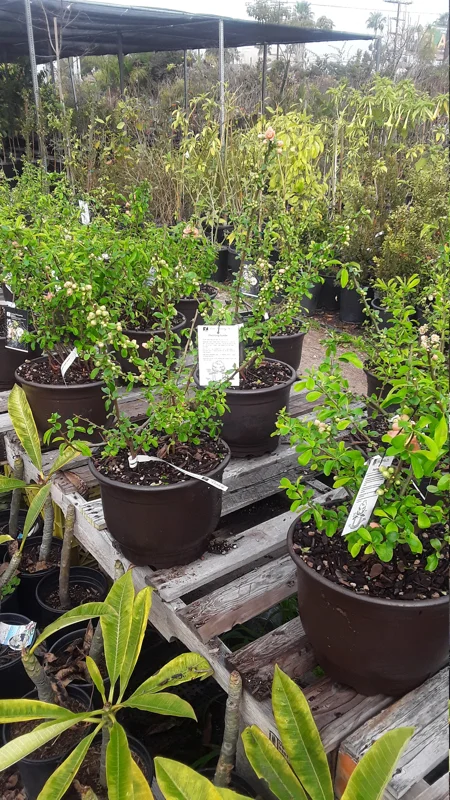
This flowering quince live plant is delivered in a 6 inch nursery pot, providing a well-established root system ready for transplanting into your garden. At the time of shipment, the plant typically stands approximately 12-18 inches tall, though exact measurements may vary. The Chaenomeles Speciosa is a moderately fast-growing shrub that, once mature, can reach a height of 6-10 feet with a similar spread, depending on the variety and pruning regimen. Its dense growth habit makes it an excellent choice for creating a natural barrier or an impressive focal point in the landscape. The plant is shipped as a live, actively growing specimen, carefully packaged to ensure its health and vitality upon arrival. Expect vibrant blooms to appear in late winter or early spring, with the possibility of small, tart fruits developing in late summer or fall on some cultivars. Proper planting and care will ensure your quince plant for sale thrives and becomes a cherished part of your garden for many years.
Frequently Asked Questions
- Q: How big does this flowering quince plant get? A: A mature flowering quince live plant typically grows to a height of 6 to 10 feet and can spread equally wide, depending on the specific variety and how it is pruned. Regular pruning can help maintain a desired size and shape.
- Q: What size pot does it come in? A: This flowering quince live plant is shipped in a 6 inch nursery pot, providing a healthy root ball and a good head start for planting in your garden.
- Q: Is this an indoor or outdoor plant? A: The flowering quince live plant (Chaenomeles Speciosa) is an outdoor shrub. It requires a period of winter dormancy and is best suited for garden planting in appropriate USDA hardiness zones.
- Q: How much sunlight does it need? A: For optimal flowering, your ornamental quince shrub should be planted in a location that receives full sun, meaning at least 6 hours of direct sunlight per day. It can tolerate partial shade, but blooming may be less prolific.
- Q: Is this plant easy to care for? A: Yes, the flowering quince live plant is considered low-maintenance and very hardy once established. It tolerates a range of soil conditions and is relatively pest and disease resistant, making chaenomeles speciosa care quite simple.
- Q: What condition will it arrive in? A: Your quince plant for sale will arrive as a healthy, actively growing live plant, carefully packaged to protect it during transit. It will be ready for immediate planting upon arrival.
- Q: How long until it blooms? A: Depending on the season of purchase and the plant’s maturity, your flowering quince live plant may bloom in its first spring after planting, or the following spring. It is an early spring flowering plant, so expect blooms in late winter or early spring each year.
- Q: When is the best time to plant? A: The best time to plant your flowering quince live plant is in early spring or fall, allowing the roots to establish before extreme summer heat or winter cold.
- Q: Will it survive winter in my zone? A: The Chaenomeles Speciosa is very cold hardy and typically thrives in USDA Zones 4-9, making it suitable for winter survival in a wide range of climates across the US.
- Q: What type of soil does it prefer? A: This shrub is adaptable but prefers well-draining soil. It can grow in various soil types, including sandy, loamy, or clay soils, as long as good drainage is provided.




Reviews
There are no reviews yet.