Overview
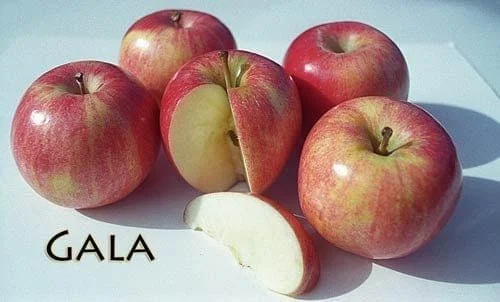
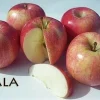
Cultivate your own orchard with a thriving Gala Apple Tree. Known for its crisp texture and sweet, aromatic flavor, Gala apples are a favorite worldwide. This offering is a live plant, carefully nurtured to reach 3 to 4 feet in height and shipped in a robust 3-gallon pot, providing a strong start for your home garden. The Gala Apple Tree is celebrated for its manageable size and consistent fruit production, making it an excellent choice for both experienced and novice gardeners. Its beautiful spring blossoms also add ornamental value to any landscape before yielding bountiful harvests of delicious fruit.
A key feature of this specific variety is its ‘low chill’ requirement, meaning it thrives in climates where winter temperatures do not consistently drop below freezing for extended periods. This makes it an ideal choice for many southern and coastal regions of the United States, expanding the possibilities for those wanting to plant an apple tree in less traditional apple-growing zones. Enjoy the satisfaction of picking your own fresh, homegrown apples right from your backyard, perfect for eating fresh, baking, or making cider.
Key Benefits
Adding a Gala Apple Tree to your garden offers numerous advantages beyond just delicious fruit. This versatile tree provides both aesthetic beauty and practical benefits.
- Delicious Homegrown Fruit: Enjoy an abundant supply of crisp, sweet, and juicy Gala apples, perfect for snacking, baking, and cooking. The flavor of a freshly picked apple is unparalleled.
- Low Chill Requirement: This specific variety is a low chill apple tree, making it suitable for regions with mild winters that might otherwise struggle to grow traditional apple varieties.
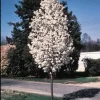
- Ornamental Appeal: Beyond its fruit, the tree provides beautiful white to pink blossoms in spring, enhancing your garden’s aesthetic and attracting pollinators.
- Health Benefits: Homegrown apples are a rich source of vitamins, fiber, and antioxidants, contributing to a healthy diet directly from your garden.
- Sustainable Gardening: Growing apple trees at home reduces your carbon footprint and connects you directly with your food source, promoting sustainable living.
- Educational Experience: Ideal for families, caring for a Gala Apple Tree offers a fantastic educational opportunity to learn about horticulture, fruit production, and environmental science.
- Long-Term Investment: A well-cared-for apple tree can provide decades of fruit, becoming a valuable and rewarding long-term asset to your property.
Plant Care & Growing Tips
Proper care is essential for a healthy and productive Gala Apple Tree. Apple trees require specific conditions to thrive and produce the best fruit. When you plant an apple tree, choose a location that receives at least 6-8 hours of direct sunlight daily for optimal growth and fruit development. Good air circulation is also important to prevent fungal diseases. Ensure your planting site has well-draining soil, as apple trees do not tolerate soggy roots. If your soil is heavy clay, amend it with organic matter like compost to improve drainage and fertility.
Water young apple trees regularly, especially during dry spells, to encourage deep root growth. Aim for consistent moisture without overwatering; the soil should be damp but not waterlogged. Once established, apple trees are more drought-tolerant but will benefit from deep watering during prolonged dry periods, particularly when fruit is developing. Fertilize your Gala Apple Tree in early spring with a balanced fertilizer formulated for fruit trees, following package directions. Pruning is crucial for maintaining tree health, shape, and fruit production. Annually prune in late winter or early spring to remove dead, diseased, or crossing branches, and to open the canopy for better light penetration and air circulation. This also helps manage the overall size of the tree and encourages better fruit yields.
Protect your young low chill apple tree from pests and diseases by regularly inspecting it for any signs of trouble. Common issues include aphids, codling moths, and apple scab. Organic pest control methods or appropriate horticultural sprays can be used if necessary. In terms of temperature, apple trees generally prefer cooler climates, but this Gala Apple Tree is specifically bred as a low chill apple tree, meaning it needs fewer hours below 45°F (7°C) during winter to set fruit compared to traditional varieties. This makes growing apple trees in warmer regions more feasible. Typically, Gala apples are suited for USDA hardiness zones 4-9, but the low chill characteristic extends its viability to the warmer end of this range.
Size & Details
This Gala Apple Tree is offered as a live plant, standing approximately 3 to 4 feet tall upon shipment. It arrives securely planted in a 3-gallon nursery pot, providing a robust root system ready for transplanting into your garden or a larger container. The substantial pot size ensures the tree has a good foundation for continued growth. Gala apple trees are semi-dwarf varieties, typically reaching a mature height of 10-15 feet with a similar spread, making them manageable for most home gardens. They begin bearing fruit within 2-5 years of planting, with peak production occurring as the tree matures.
The low chill requirement means this particular Gala Apple Tree needs approximately 500-600 chill hours, making it adaptable to a broader range of climates than many other apple varieties. When you plant an apple tree, consider its mature size and ensure adequate spacing from other plants or structures. The tree will ship with its roots protected and moist, ensuring a healthy transition to your space. Expect delicious, firm, and sweet apples to ripen in late summer to early fall, offering a delightful harvest season.
Frequently Asked Questions
- Q: How big does this plant get? A: This Gala Apple Tree ships at 3 to 4 feet tall in a 3-gallon pot. As a semi-dwarf variety, it typically matures to a height of 10-15 feet with a similar spread, making it suitable for most home gardens.
- Q: Is this an indoor or outdoor plant? A: The Gala Apple Tree is an outdoor plant. It requires full sunlight and the chill hours of a winter season to produce fruit, even as a low chill apple tree.
- Q: How much sunlight does it need? A: For optimal health and fruit production, your Gala Apple Tree needs at least 6-8 hours of direct sunlight per day. Choose a sunny spot in your yard.
- Q: Is this plant easy to care for? A: Growing apple trees requires some consistent care, including watering, pruning, and occasional pest management. However, with proper initial planting and consistent attention, it can be a rewarding experience for gardeners of all levels.
- Q: What condition will it arrive in? A: Your Gala Apple Tree will arrive as a live plant in a 3-gallon nursery pot, with its roots protected and well-hydrated to ensure a healthy transition to your garden.
- Q: When is the best time to plant this apple tree? A: The best time to plant an apple tree is typically in late fall after dormancy, or early spring before new growth begins, allowing the roots to establish before extreme weather.
- Q: What’s the minimum temperature this tree can tolerate? A: As a low-chill variety, this Gala Apple Tree is generally hardy in USDA Zones 4-9. It can tolerate winter temperatures down to about -20°F (-29°C) once established, provided it receives its adequate chill hours.
- Q: Can I grow this apple tree in a large container? A: While possible for a few years, a Gala Apple Tree will eventually outgrow most containers. For long-term health and best fruit production, it’s recommended to plant it directly into the ground.
- Q: How long until it produces fruit? A: You can typically expect your Gala Apple Tree to start producing fruit within 2 to 5 years after planting, with yields increasing as the tree matures.
- Q: What does ‘low chill’ mean for an apple tree? A: A ‘low chill’ apple tree, like this Gala Apple Tree, requires fewer hours of cold temperatures (below 45°F or 7°C) during winter to break dormancy and set fruit. This makes it suitable for regions with milder winters where traditional apple varieties might not thrive.



Reviews
There are no reviews yet.