Overview
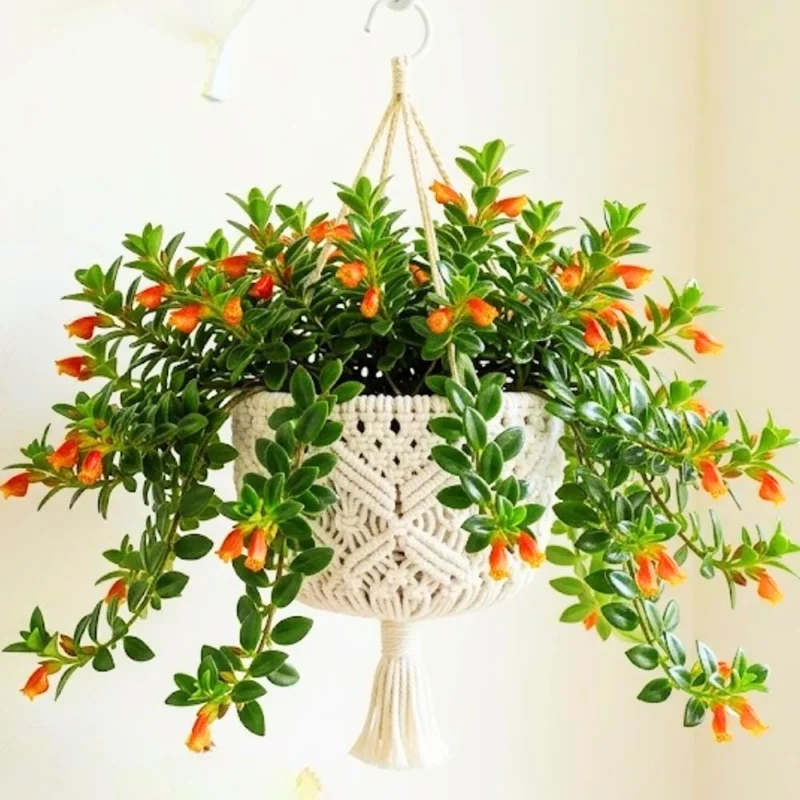
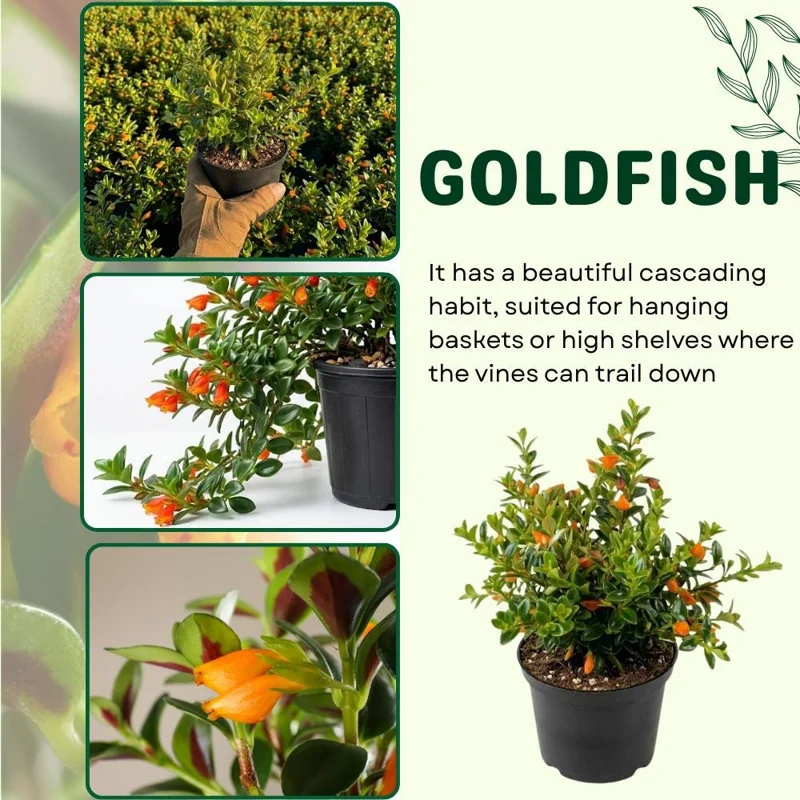
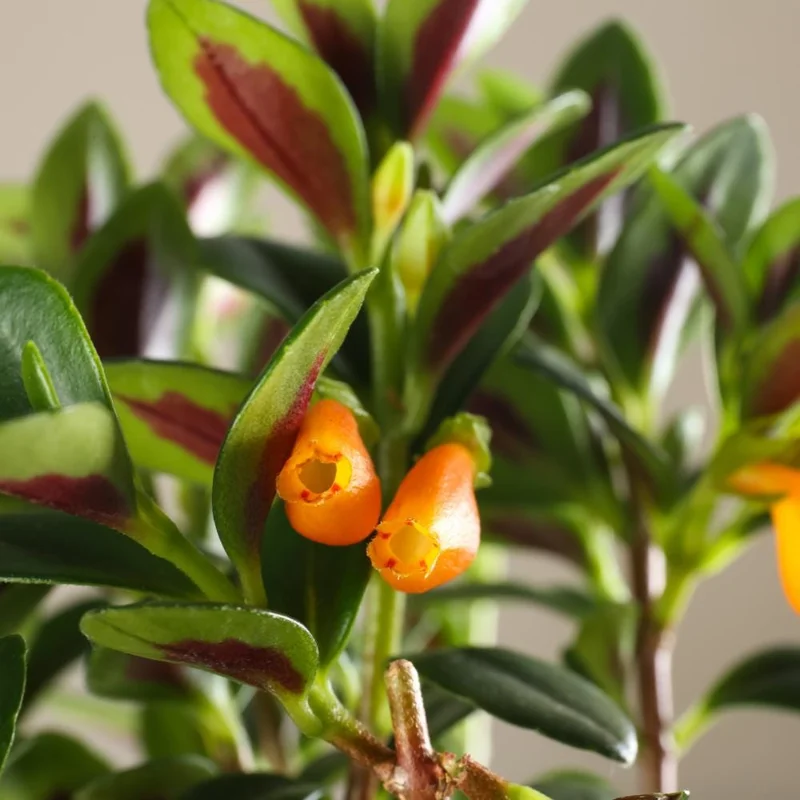
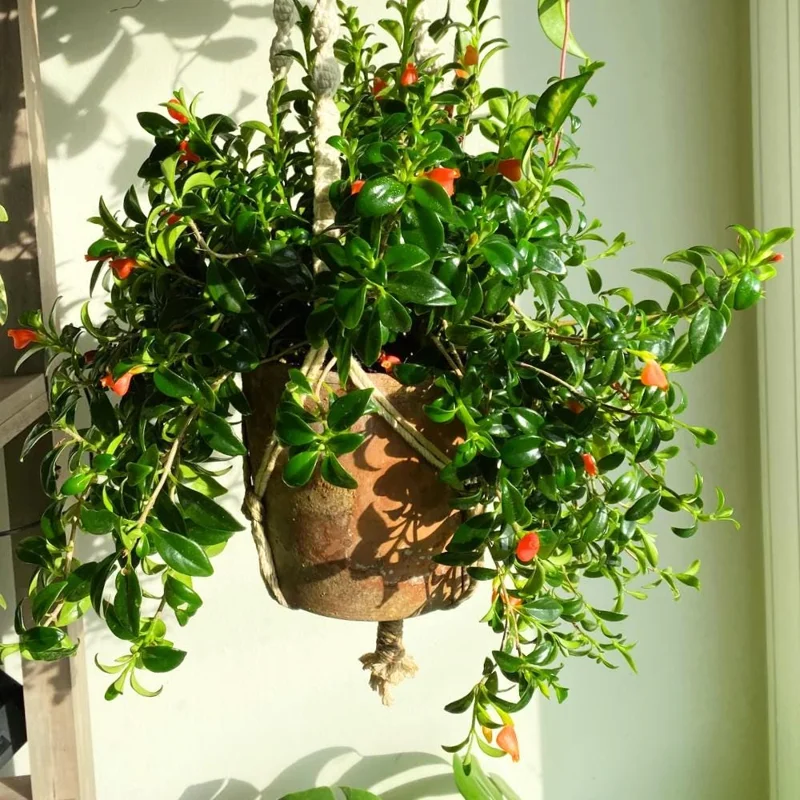
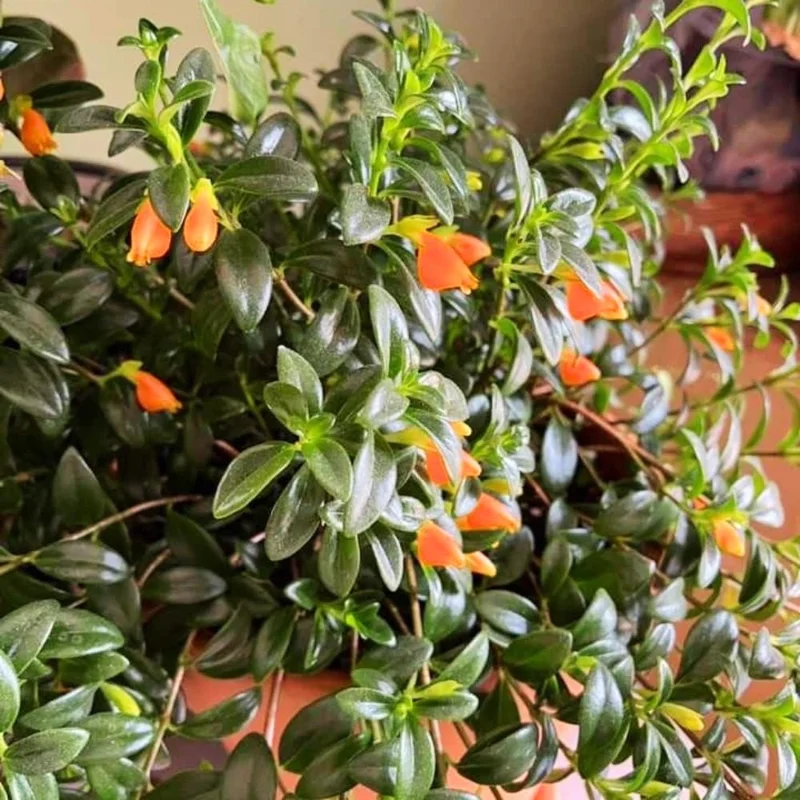
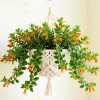
Introduce a splash of vibrant color and unique charm to your indoor space with the exquisite goldfish plant live. This ornamental houseplant, scientifically known as Nematanthus gregarius, gets its common name from its distinctive, bright orange, goldfish-shaped flowers that emerge profusely from its foliage. With its graceful, trailing stems and small, thick, glossy green leaves, the goldfish plant live is perfectly suited for hanging baskets, where its cascading beauty can be fully appreciated. Native to tropical regions, this plant is not only prized for its eye-catching blooms but also for its attractive decorative foliage, offering year-round visual interest. When provided with the right conditions, this plant flowers frequently, adding a continuous burst of cheerful color to any room. It’s an excellent choice for both novice and experienced plant enthusiasts looking to enhance their home with a resilient and beautiful specimen.
The goldfish flower plant is more than just a pretty face; it’s a conversation starter. Its unusual bloom shape captivates attention, making it a focal point in any indoor garden or living area. Easy to care for and adaptable, this trailing houseplant thrives in typical home environments, making it a popular choice for those seeking low-maintenance beauty. Its lush green leaves provide a perfect backdrop for the brilliant orange flowers, creating a stunning contrast that brightens up even the dullest corners. Whether you’re looking to add a touch of the tropics or simply want a plant that offers continuous visual delight, the goldfish plant live is an exceptional option that promises to deliver.
Key Benefits
The goldfish plant live offers numerous advantages for indoor gardeners, combining aesthetic appeal with relative ease of care. Its unique characteristics make it a standout choice for enhancing any living space:
- Unique and Vibrant Blooms: The most striking feature of this plant is its bright orange, goldfish-shaped flowers. These unusual and cheerful blooms are a fantastic conversation starter and add a distinctive tropical flair to any room, providing continuous visual interest.
- Ideal for Hanging Baskets: With its naturally trailing stems and dense foliage, the goldfish flower plant is perfectly suited for hanging baskets. This growth habit allows its beautiful flowers and leaves to cascade gracefully, creating a lush, living curtain that maximizes vertical space.
- Attractive Decorative Foliage: Beyond its stunning flowers, the trailing houseplant boasts small, thick, glossy green leaves. This attractive foliage provides a vibrant green backdrop, ensuring the plant looks appealing even when not in bloom, offering year-round beauty.
- Long-Lasting and Frequent Blooms: When provided with optimal conditions, the goldfish plant live is known for flowering frequently and producing long-lasting blooms. This consistent display of color ensures your home remains vibrant and lively for extended periods.
- Relatively Low Maintenance: Despite its exotic appearance, the goldfish plant care requirements are straightforward, making it an excellent choice for beginners and busy individuals. It adapts well to indoor environments and doesn’t demand constant attention.
- Air Purifying Qualities: Like many houseplants, the nematanthus plant contributes to a healthier indoor environment by helping to filter airborne toxins and improve air quality, creating a more pleasant and refreshing atmosphere.
- Versatile Decor Element: Its compact size and trailing habit allow it to fit seamlessly into various decor styles, from modern minimalist to bohemian. It can be placed in hanging baskets, on shelves, or as part of a plant arrangement, adding a touch of nature’s artistry.
Plant Care & Growing Tips
Proper goldfish plant care is essential to ensure your plant thrives and produces its characteristic vibrant blooms. This tropical beauty enjoys conditions that mimic its native habitat, offering a rewarding experience for those who provide it with adequate attention. Understanding its needs for light, water, and soil will lead to a healthy and flourishing goldfish plant live.
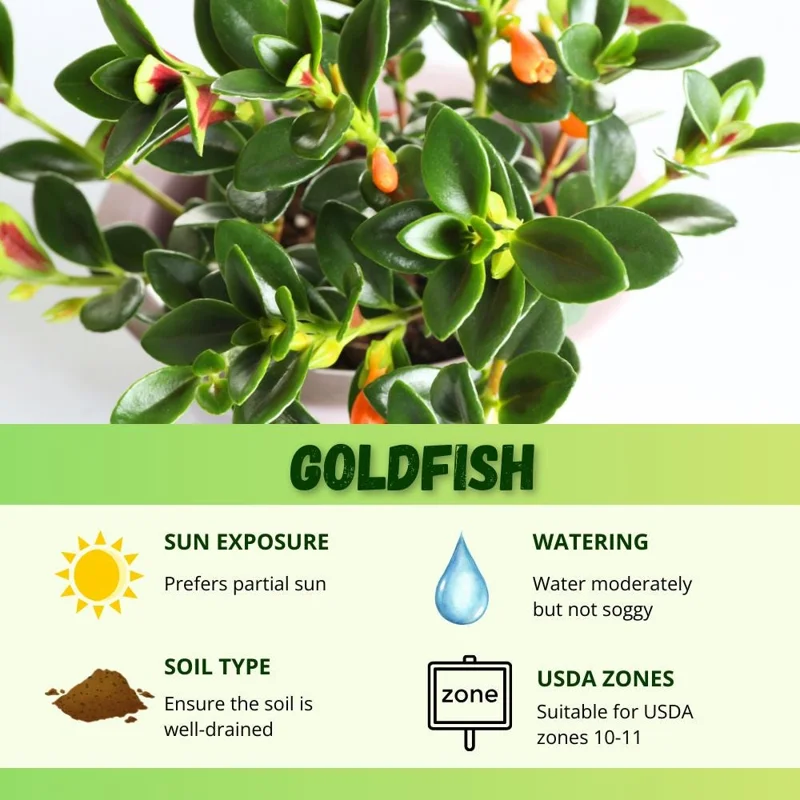
Light: The goldfish plant live prefers bright, indirect light. Placing it near an east or west-facing window where it receives gentle morning or late afternoon sun is ideal. Avoid direct midday sun, which can scorch its leaves and fade its vibrant flower colors. If natural light is insufficient, especially during winter months, supplemental grow lights can be beneficial to encourage consistent blooming. Insufficient light can lead to leggy growth and fewer flowers, while too much direct light can cause leaf burn.
Water: Water the plant when the top layer of soil feels dry to the touch. It’s crucial to keep the soil evenly moist but never soggy. Overwatering is a common mistake and can lead to root rot, which is detrimental to the plant’s health. Ensure your pot has good drainage holes. Reduce watering frequency during the cooler, darker winter months when the plant’s growth slows down. The goldfish flower plant also appreciates consistent humidity, so consider misting the leaves occasionally or placing the pot on a pebble tray filled with water.
Soil: Use a well-drained, light soil mix for your trailing houseplant. A standard potting mix amended with perlite or orchid bark to improve drainage works well. The soil should be slightly acidic to neutral. Good drainage is paramount to prevent waterlogging and maintain root health. Repotting should be done every 1-2 years, or when the plant becomes root-bound, typically in spring, to refresh the soil and provide more room for growth.
Temperature & Humidity: As a tropical plant, the nematanthus plant thrives in warm temperatures, ideally between 65-75°F (18-24°C). Avoid exposing it to temperatures below 50°F (10°C), as cold drafts can damage the plant. High humidity is also beneficial; aim for 50-60% relative humidity. Besides misting, a humidifier or grouping plants together can help maintain adequate humidity levels, which can significantly improve the health and blooming of your goldfish plant live.
Fertilization: During the growing season (spring and summer), feed your goldfish plant live every 2-4 weeks with a balanced liquid fertilizer diluted to half strength. Reduce or stop fertilization during the fall and winter months when the plant’s growth naturally slows. Over-fertilization can lead to salt buildup in the soil, which can harm the plant.
Pruning: Regular pruning helps maintain a bushy shape and encourages more blooms. Pinch back the stems after flowering to promote new growth and branching. You can also prune to control the plant’s size and remove any leggy or unhealthy stems. This also ensures a fuller, more attractive goldfish flower plant.
Size & Details
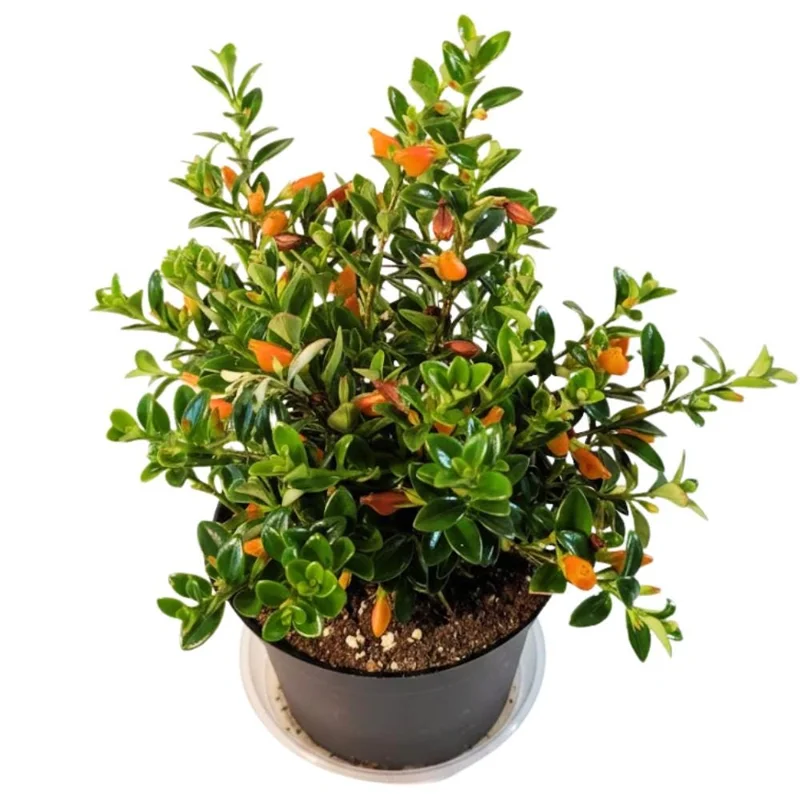
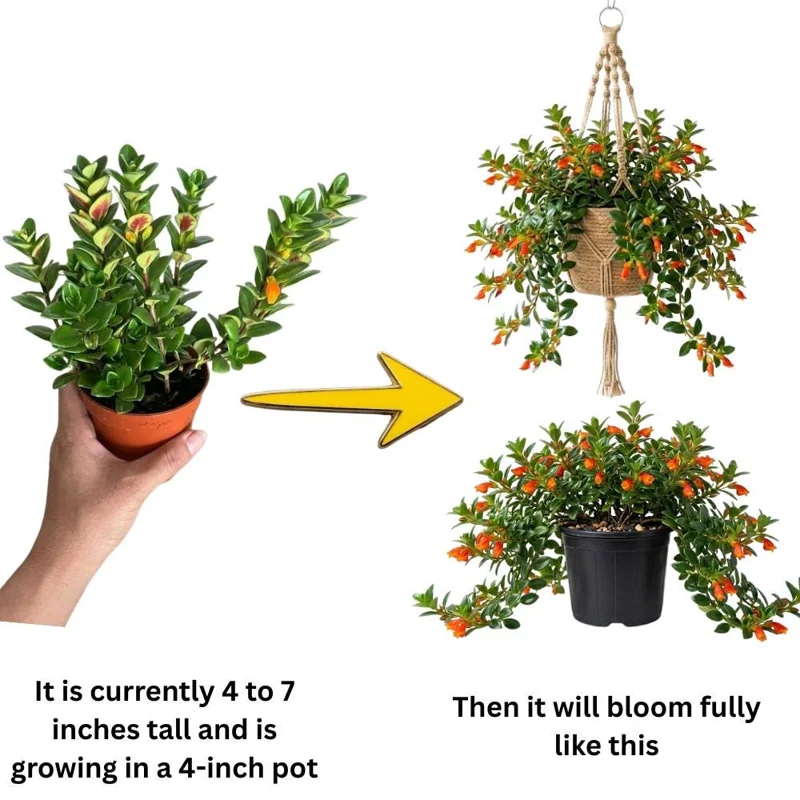
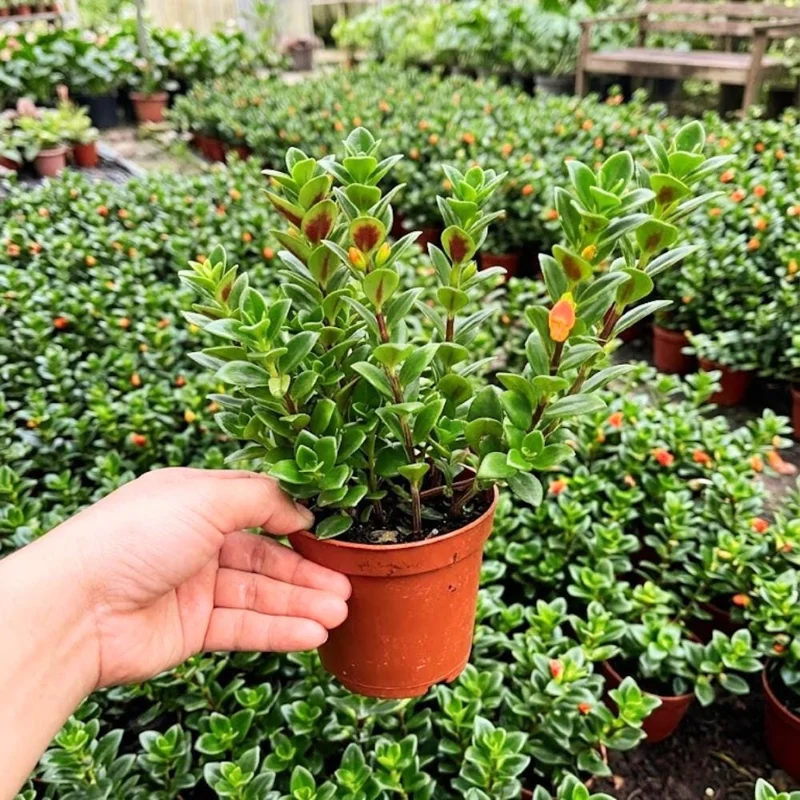
This offering is for a goldfish plant live that typically reaches a height of 7 inches upon arrival, measured from the base of the pot to the top of the foliage. As a trailing houseplant, its stems can eventually grow much longer, often reaching lengths of 1-3 feet or more when mature, creating a beautiful cascading effect ideal for hanging baskets or elevated shelves. The plant ships in a nursery pot, ready to be transplanted into your preferred decorative container or hung directly. Its growth rate is moderate, and with proper goldfish plant care, it will quickly establish itself and begin to produce its characteristic blooms.
The nematanthus plant is valued for its compact yet spreading nature. While the initial height is around 7 inches, its width can expand significantly as the stems trail outwards, easily spreading 12-18 inches or more. Expect vibrant orange flowers that are typically 1-2 inches in length, emerging from the leaf axils. This plant is commonly grown as a houseplant in all USDA Zones due to its tropical nature, though it can thrive outdoors in USDA Zones 10-11 where temperatures remain warm year-round. It’s a delightful addition for anyone seeking a manageable yet show-stopping plant.
Frequently Asked Questions
- Q: How big does this goldfish plant get? A: Upon arrival, the goldfish plant live is typically around 7 inches tall. Its trailing stems can grow quite long, often reaching 1-3 feet in length, making it perfect for hanging.
- Q: Is this an indoor or outdoor plant? A: While the goldfish plant live can grow outdoors in tropical USDA Zones 10-11, it is most commonly grown as an indoor houseplant in cooler climates, thriving in bright, indirect light.
- Q: How much sunlight does the goldfish flower plant need? A: This plant prefers bright, indirect light. Avoid direct midday sun, which can scorch its leaves. A few hours of gentle morning or late afternoon sun is ideal for optimal blooming.
- Q: Is this plant easy to care for? A: Yes, the goldfish plant care requirements are relatively straightforward, making it a good choice for both beginner and experienced plant enthusiasts. Consistent watering and adequate light are key.
- Q: What condition will the trailing houseplant arrive in? A: Your plant will arrive as a live, healthy specimen in a nursery pot, carefully packaged to ensure its safety during transit. It will be ready for you to place in its new home or repot.
- Q: How often should I water my nematanthus plant? A: Water your nematanthus plant when the top inch of soil feels dry to the touch. Keep the soil consistently moist but never soggy to prevent root rot.
- Q: How do I encourage more blooms on my goldfish plant? A: Provide bright, indirect light, consistent moisture, and fertilize during the growing season. Pruning after flowering also encourages new growth and subsequent blooms on your goldfish flower plant.
- Q: Is the goldfish plant pet-safe? A: The goldfish plant live is generally considered non-toxic to cats and dogs, making it a safer choice for households with pets. However, it’s always best to prevent pets from ingesting any plant material.
- Q: What kind of soil is best for this plant? A: A well-draining, light potting mix is best for the trailing houseplant. You can amend regular potting soil with perlite or orchid bark to improve drainage.
- Q: When is the best time to repot my goldfish plant? A: Repotting is best done in the spring every 1-2 years, or when you notice the plant has become root-bound, to provide fresh soil and more space for growth.


Reviews
There are no reviews yet.