Overview
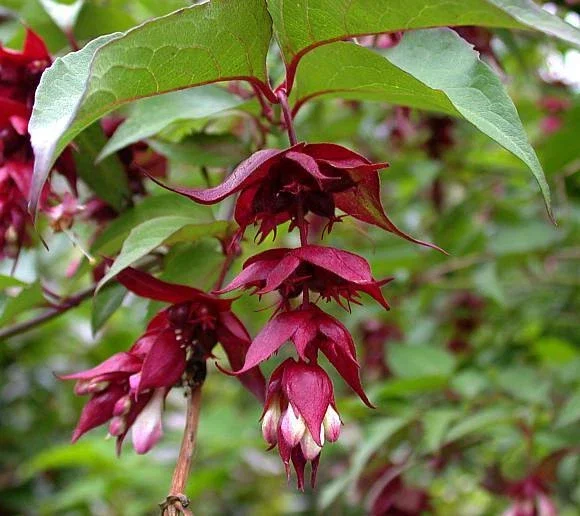
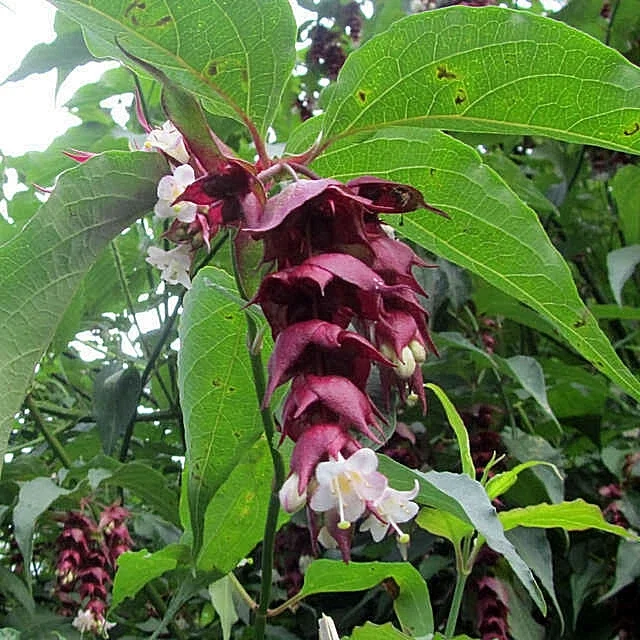
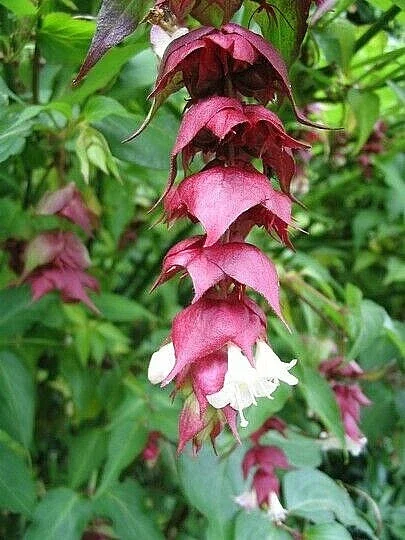
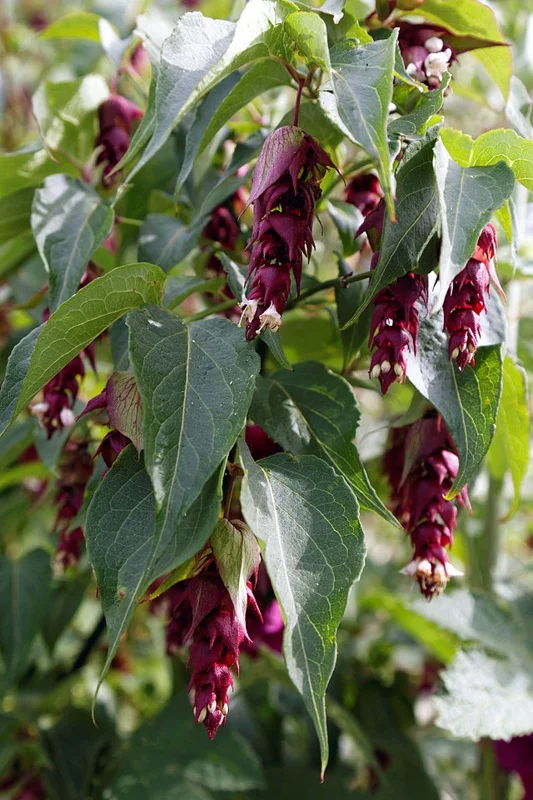
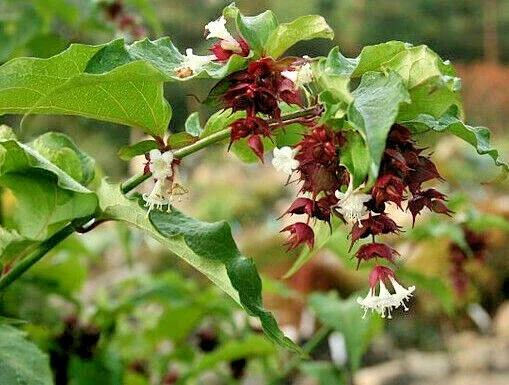
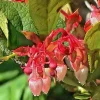
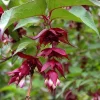
Cultivate the distinctive beauty of the Himalayan Honeysuckle Bush seeds (Leycesteria Formosa) in your garden. This unique perennial shrub, also known as Pheasant Berry, offers an exotic touch with its pendulous clusters of white and claret flowers, followed by dark purple berries. These Himalayan Honeysuckle seeds are an excellent choice for gardeners seeking a resilient and visually captivating plant. Leycesteria Formosa is celebrated for its rapid growth and adaptability, making it a rewarding addition to various garden styles. Its charming appearance and ease of cultivation make it a popular choice for borders, woodland gardens, or as a standalone specimen. Imagine the delight of watching this honeysuckle bush seeds transform into a flourishing plant, providing both aesthetic appeal and a food source for local wildlife.
Key Benefits
Growing Himalayan Honeysuckle seeds offers numerous advantages, enhancing your garden with both beauty and ecological value. This robust plant is an excellent choice for various landscapes and gardener skill levels.
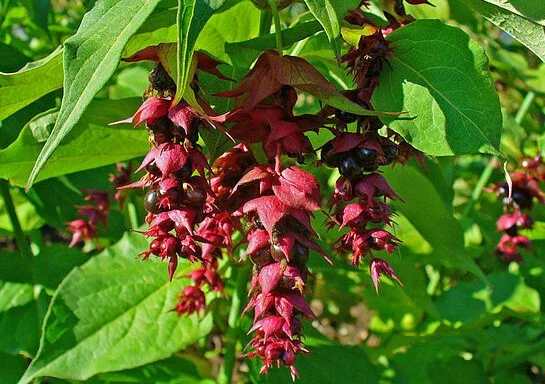
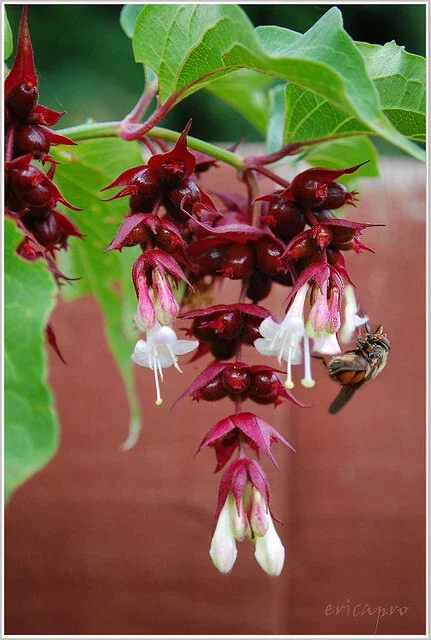
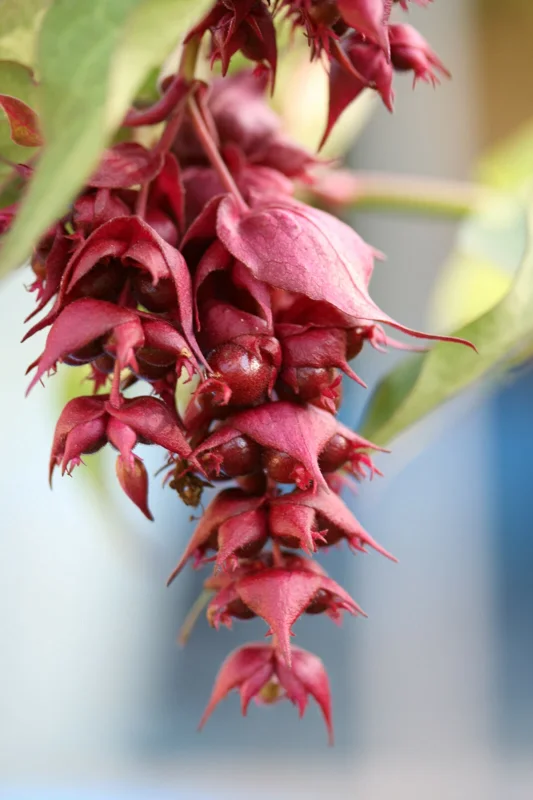
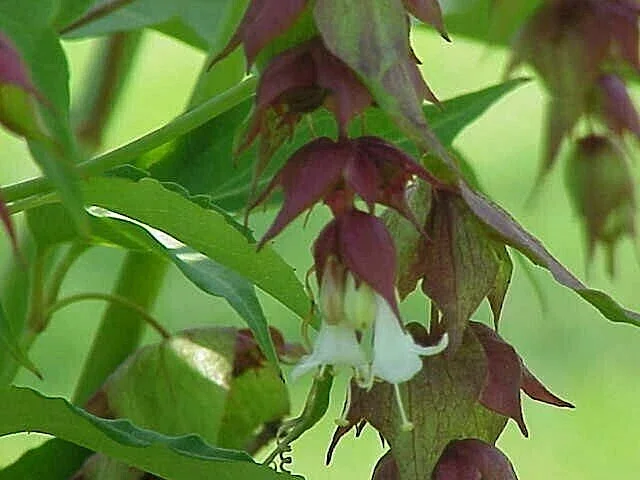
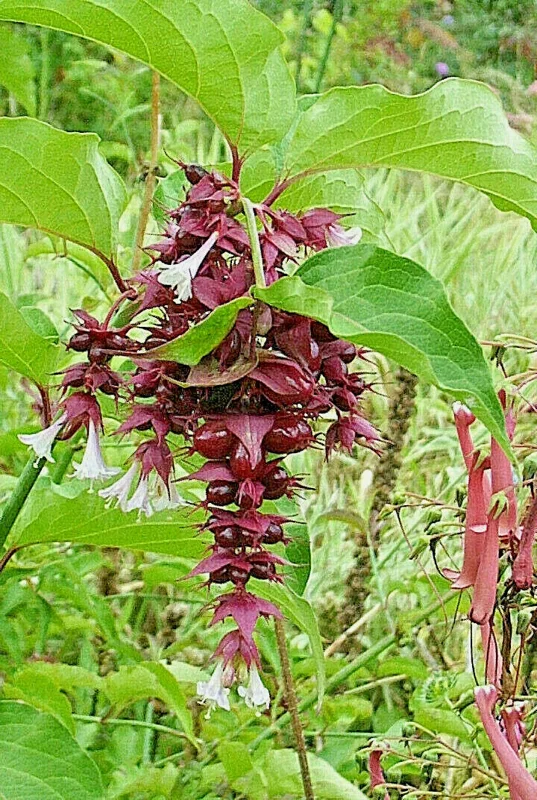
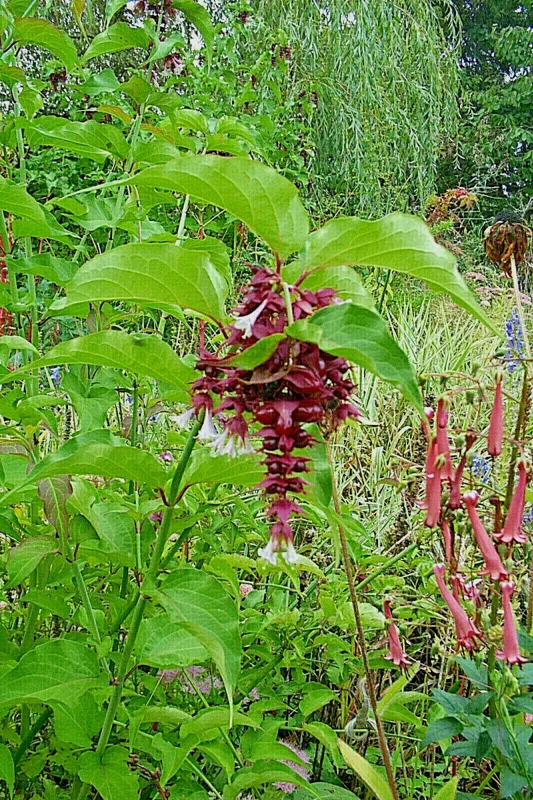
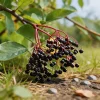
- Unique Ornamental Appeal: The Himalayan Honeysuckle features striking claret-colored bracts that enclose small white flowers, creating a truly distinctive visual display. These are followed by attractive, edible dark purple berries, providing continuous interest from summer through fall.
- Attracts Wildlife: The berries are a favorite food source for pheasants and other birds, while the flowers attract pollinators like bees and butterflies, contributing to a healthy garden ecosystem.
- Hardy and Resilient: As hardy perennial seeds, these plants are well-suited for a range of climates, particularly USDA Zones 7-10. They can withstand various conditions, making them a reliable choice for long-term garden enjoyment.
- Fast Growing: Leycesteria Formosa is known for its relatively fast growth rate, allowing you to establish a mature plant more quickly compared to other shrubs.
- Low Maintenance: Once established, the Himalayan Honeysuckle seeds require minimal care, making them an ideal option for gardeners who prefer an easy-to-manage landscape.
- Versatile Landscaping: Its clump-forming habit and semi-deciduous foliage allow it to be used effectively in mixed borders, as a screening plant, or in naturalized areas.
- Edible Berries: The dark purple berries are not only decorative but also edible, with a unique caramel-like flavor, appealing to both humans and wildlife.
Plant Care & Growing Tips
Cultivating Himalayan Honeysuckle seeds is a straightforward process, making it an ideal project for both novice and experienced gardeners. For best results, sow seeds in early spring after the last frost or indoors 6-8 weeks before the last frost date. These plants thrive in full sun to partial shade, preferring at least 6 hours of direct sunlight daily for optimal flowering and berry production. While adaptable, Leycesteria Formosa performs best in well-draining soil. A neutral soil pH is ideal, and a mix of loam, peat, sand, and silt will provide excellent growing conditions. Ensure the soil remains consistently moist but not waterlogged, especially during dry spells. Regular watering is crucial during the plant’s establishment phase, gradually reducing once it is mature and drought-tolerant.
The hardy perennial seeds will develop into a robust bush that is quite resilient. Fertilize sparingly in spring with a balanced slow-release fertilizer if your soil is poor. Pruning can be done in late winter or early spring to maintain shape and encourage new growth. Remove any dead or damaged stems and cut back older stems to the ground to rejuvenate the plant. The Himalayan Honeysuckle is generally pest and disease resistant, making it an easy plant seeds to grow. Protect young plants from harsh winter winds in colder zones. With proper care, your Leycesteria Formosa seeds will flourish, providing years of beauty and interest.
Size & Details
These Himalayan Honeysuckle seeds are sourced from the Leycesteria Formosa species, promising a hardy and vibrant addition to your garden. The plant typically grows as a clump-forming shrub, reaching mature heights of 5-8 feet with a similar spread. Its semi-deciduous foliage provides interest through multiple seasons, and it boasts a fast growth rate, allowing for quick establishment in your landscape. The seeds will arrive fresh and ready for planting. Expect flowering and berry production to begin within the first couple of years after germination, with the plant reaching its full splendor in 3-5 years. The common name, Himalayan Honeysuckle, points to its origin and the honeysuckle-like appearance of its flowers, although it is not a true honeysuckle vine. This offers a unique shrub form. The berries are a striking black, green, and red as they mature.
Frequently Asked Questions
- Q: How big does the Himalayan Honeysuckle Bush get? A: The Himalayan Honeysuckle Bush seeds will grow into a clump-forming shrub that typically reaches a height of 5 to 8 feet and can spread equally wide. Its fast-growing nature means it will establish itself relatively quickly in your garden.
- Q: Is this an indoor or outdoor plant? A: This is primarily an outdoor plant, ideally suited for garden beds, borders, or naturalized areas. It thrives in various outdoor climates, particularly within USDA Hardiness Zones 7-10.
- Q: How much sunlight does the Himalayan Honeysuckle need? A: For optimal growth and flowering, the Himalayan Honeysuckle prefers full sun, meaning at least 6 hours of direct sunlight per day. It can also tolerate partial shade, though flowering might be less abundant.
- Q: Is this plant easy to care for? A: Yes, the Himalayan Honeysuckle seeds are considered an easy plant to grow. Once established, it is relatively low maintenance, requiring moderate watering and occasional pruning to maintain its shape and health.
- Q: What condition will the Leycesteria Formosa seeds arrive in? A: The seeds will arrive fresh and ready for planting, ensuring you have the best start for cultivating your own Leycesteria Formosa seeds. Detailed planting instructions are often included to guide you.
- Q: How long until it blooms and produces berries? A: You can expect the Himalayan Honeysuckle to begin flowering and producing its distinctive berries within the first 1-2 years after germinating the seeds. It will reach full maturity and prolific blooming in 3-5 years.
- Q: Will the Himalayan Honeysuckle survive winter in my zone? A: This perennial is hardy in USDA Zones 7-10. In these zones, it will typically survive winter, though some foliage may be semi-deciduous. In colder zones, it may require winter protection or be treated as an annual.
- Q: What type of soil is best for these hardy perennial seeds? A: The Himalayan Honeysuckle prefers well-draining soil with a neutral pH. A good mix would include loam, peat, sand, and silt to provide the necessary nutrients and drainage.
- Q: Are the berries of the Himalayan Honeysuckle edible? A: Yes, the dark purple berries of the Leycesteria Formosa are edible and have a unique, slightly sweet, caramel-like flavor. They are also a favorite food source for birds.
- Q: Can I grow this plant from easy plant seeds in a container? A: While it is primarily a garden shrub, it can be grown in a large container if adequate drainage and space are provided. However, it will likely not reach its full potential size as it would in the ground.



Reviews
There are no reviews yet.