Overview
Bring the taste of the tropics to your home garden with the exquisite ice cream mango tree. This premium grafted live plant offers the unique opportunity to grow one of the most sought-after mango varieties, known for its exceptionally sweet, creamy, and fiberless flesh. Originating from Southeast Asia, the Mango (Mangifera indica) has become a beloved fruit worldwide, and the ‘Ice Cream’ cultivar stands out for its superior flavor profile and relatively compact growth habit, making it suitable for various growing environments. Our grafted mango tree is carefully nurtured to ensure robust health and accelerated fruit bearing, often within a few years of planting. Standing at 1 to 2 feet tall upon arrival, this young tree is ready to establish itself in your garden or a large container, promising bountiful harvests of delicious, aromatic fruit that truly lives up to its name.
The ‘Ice Cream’ mango variety is prized by enthusiasts for its rich, complex flavor, reminiscent of vanilla ice cream with hints of citrus and honey. Unlike many other mangoes, it boasts a remarkably smooth texture with virtually no fibrous strands, making every bite a pure delight. This tropical fruit tree not only provides delectable fruit but also adds ornamental value to your landscape with its lush, evergreen foliage. Whether you’re an experienced horticulturist or a budding gardener, growing an ice cream mango tree is a rewarding endeavor that culminates in the enjoyment of homegrown, superior-quality mangoes, far surpassing anything found in stores. Its adaptability to container culture also makes it a fantastic choice for those in cooler climates who wish to bring their plant indoors during colder months, ensuring year-round enjoyment of this magnificent fruit.
Key Benefits
Investing in an ice cream mango tree offers numerous advantages beyond just delicious fruit. This particular variety is chosen not only for its taste but also for its resilience and growth characteristics.
- Exceptional Flavor Profile: The primary benefit is the incredibly sweet, creamy, and fiberless flesh of the ‘Ice Cream’ mango. It’s often described as one of the best-tasting mangoes, offering a gourmet fruit experience right from your backyard. Enjoy the unique taste of this sweet mango fruit.
- Early Fruit Production: As a grafted mango tree, it is genetically mature and will typically begin producing fruit much sooner than a seedling-grown tree, often within 2-4 years after planting, allowing you to enjoy harvests sooner.
- Compact Growth Habit: The ‘Ice Cream’ mango generally maintains a more manageable size compared to other mango varieties, making it an excellent choice for smaller gardens or for growing in large containers on patios or balconies.
- High Yield Potential: With proper care, this tree can produce a generous amount of fruit, providing a continuous supply of fresh mangoes during its fruiting season.
- Ornamental Appeal: Beyond its fruit, the ice cream mango tree boasts attractive, glossy green leaves that add a lush, tropical aesthetic to any garden or indoor space.
- Nutritional Value: Mangoes are a fantastic source of vitamins A and C, fiber, and antioxidants, contributing to a healthy diet. Growing your own ensures pesticide-free, fresh nutrition.
- Adaptability: While tropical, this mango plant care can be adapted for non-tropical regions through strategic container growing, allowing you to move the plant indoors during cold weather.
Plant Care & Growing Tips
Proper mango plant care is crucial for a thriving ice cream mango tree and abundant fruit production. Mangoes are tropical plants and flourish in warm, humid conditions. For optimal growth, choose a location that receives at least 6-8 hours of direct sunlight per day. If growing in a container, select a large pot (at least 15-20 gallons) with excellent drainage. The ideal soil is well-draining, slightly acidic to neutral (pH 6.0-7.0), and rich in organic matter. A good quality potting mix designed for fruit trees or palms works well. When planting, ensure the graft union (the swollen area on the trunk where the scion was joined to the rootstock) remains above the soil line.
Watering is critical, especially for young trees. Keep the soil consistently moist but never waterlogged. Allow the top few inches of soil to dry out slightly between waterings. Reduce watering during cooler months or when the plant is dormant. Fertilize your grafted mango tree with a balanced slow-release fertilizer designed for tropical fruits, typically every 2-3 months during the growing season (spring and summer). Avoid high-nitrogen fertilizers as they can promote leafy growth at the expense of fruit production. Pruning should be done after fruiting to maintain shape, remove dead or diseased branches, and encourage new growth. Protect your tree from temperatures below 30°F (1°C); bring container-grown plants indoors or provide frost protection for in-ground trees.
Common pests like aphids, scale, and mealybugs can be managed with horticultural oil or insecticidal soap. Fungal diseases such as powdery mildew or anthracnose can be prevented with good air circulation and appropriate fungicides if necessary. Ensure your ice cream mango tree has adequate space for root development and air circulation. Regular monitoring for any signs of stress or disease will help you address issues promptly, ensuring a healthy and productive tree for many years to come. Understanding the specific needs for mango plant care will lead to a successful and rewarding growing experience.
Size & Details
This ice cream mango tree is a live, grafted plant, typically arriving 1 to 2 feet tall from the base of the root ball to the top of the foliage. Grafting ensures that the tree will produce fruit true to the ‘Ice Cream’ variety and often results in earlier fruiting compared to seed-grown trees. It is shipped in a nursery pot, ready for immediate planting in the ground or transplanting into a larger container. The growth rate is moderate, and with proper care, it can quickly establish itself and begin to produce its luscious sweet mango fruit. Mature trees can reach heights of 10-20 feet in the ground if unpruned, but can be maintained at a smaller, more manageable size (6-10 feet) through regular pruning, making them suitable for container growing.
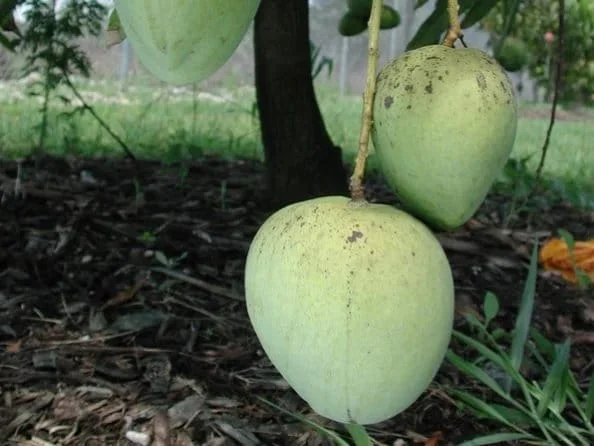
Expect your grafted mango tree to begin flowering and setting fruit within 2-4 years under ideal conditions. The fruit typically matures in late spring to summer, depending on your specific climate and growing conditions. Each fruit is medium-sized, with a smooth skin that turns from green to a yellowish-red blush when ripe. The internal flesh is a vibrant orange-yellow, incredibly juicy, and completely fiberless. This tree is a valuable addition for anyone desiring high-quality, homegrown tropical fruit.
Frequently Asked Questions
- Q: How big does this ice cream mango tree get? A: In the ground, an ‘Ice Cream’ mango tree can reach 10-20 feet tall, but it can be easily maintained at 6-10 feet with regular pruning. When grown in a large container, its size will be naturally restricted, making it more compact and manageable.
- Q: What size pot does it come in? A: The grafted mango tree typically arrives in a standard nursery pot, usually a 1-gallon or 3-gallon size, providing a healthy root system for transplanting.
- Q: Is this an indoor or outdoor plant? A: In USDA Zones 9-11, it can be grown outdoors year-round. In cooler climates, it should be grown in a container and brought indoors when temperatures drop below 40°F (4°C) to protect it from frost.
- Q: How much sunlight does it need? A: This tropical fruit tree requires at least 6-8 hours of direct sunlight per day to thrive and produce fruit. Choose a sunny location outdoors or a bright, south-facing window indoors.
- Q: Is this plant easy to care for? A: While it requires specific conditions, mango plant care is considered moderately easy for those familiar with tropical fruit trees. Consistent watering, appropriate fertilization, and protection from cold are key.
- Q: What condition will it arrive in? A: Your 1 to 2 feet tall ice cream mango tree will arrive as a healthy, live potted plant, carefully packaged to ensure its safety during transit. It will be ready for immediate planting or repotting.
- Q: When is the best time to plant? A: The best time to plant your grafted mango tree is in the spring or early summer after all danger of frost has passed, allowing it ample time to establish before cooler weather.
- Q: Will it survive winter in my zone? A: If you are in USDA Zones 9-11, it can survive winter outdoors. For zones below 9, it is essential to grow it in a container and provide indoor protection during cold winter months to prevent damage from frost.
- Q: How long until it blooms and fruits? A: As a grafted tree, it is genetically mature and typically begins to flower and produce sweet mango fruit within 2-4 years of planting, provided it receives proper care and ideal growing conditions.
- Q: What kind of soil is best for this tree? A: The ice cream mango tree prefers well-draining soil that is rich in organic matter and slightly acidic to neutral (pH 6.0-7.0). A good quality citrus or palm potting mix is often suitable for container growing.





Reviews
There are no reviews yet.