Overview
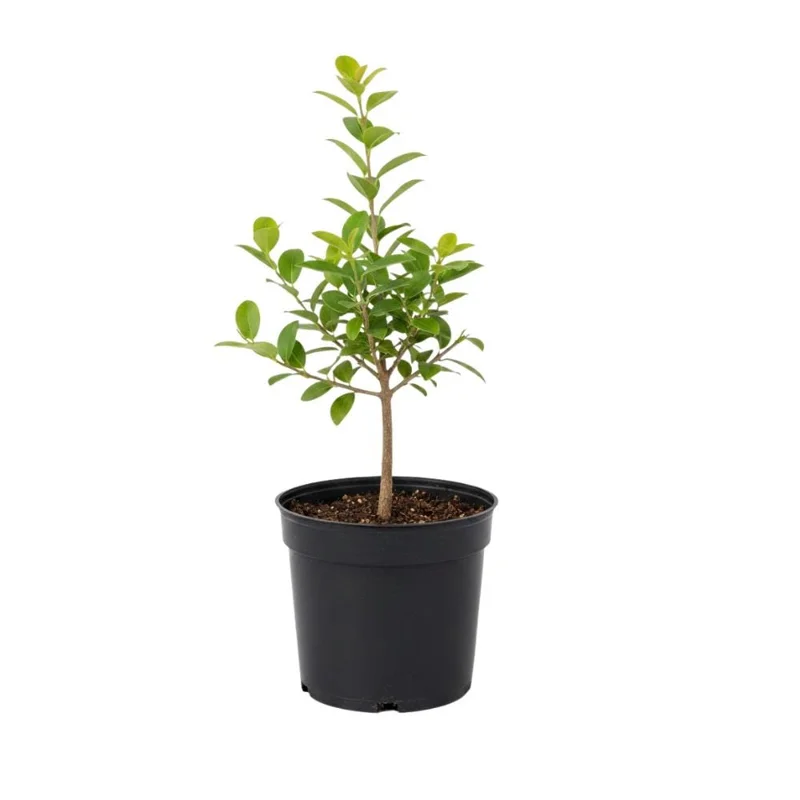
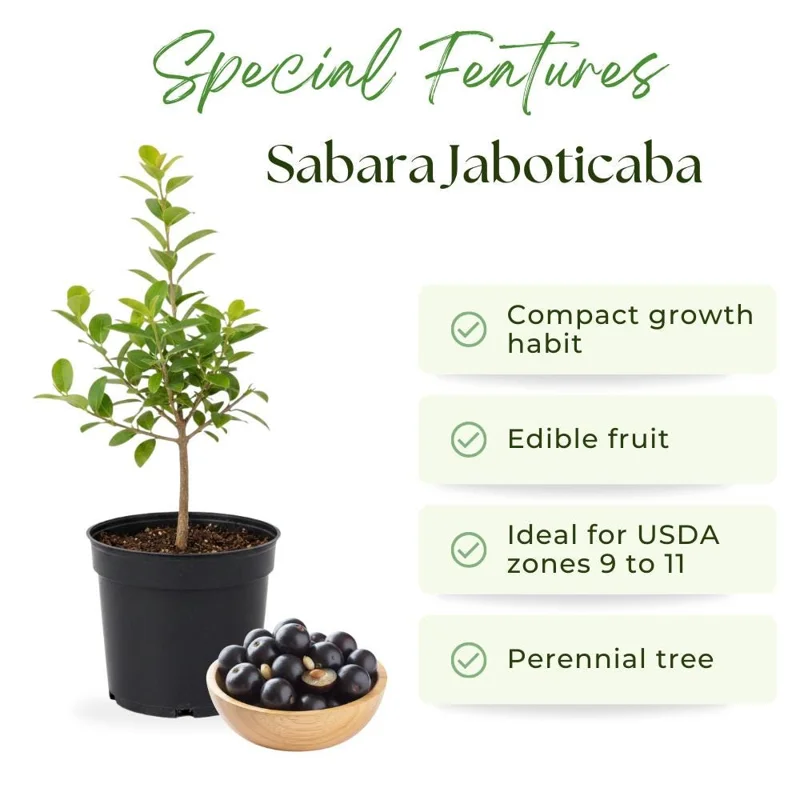
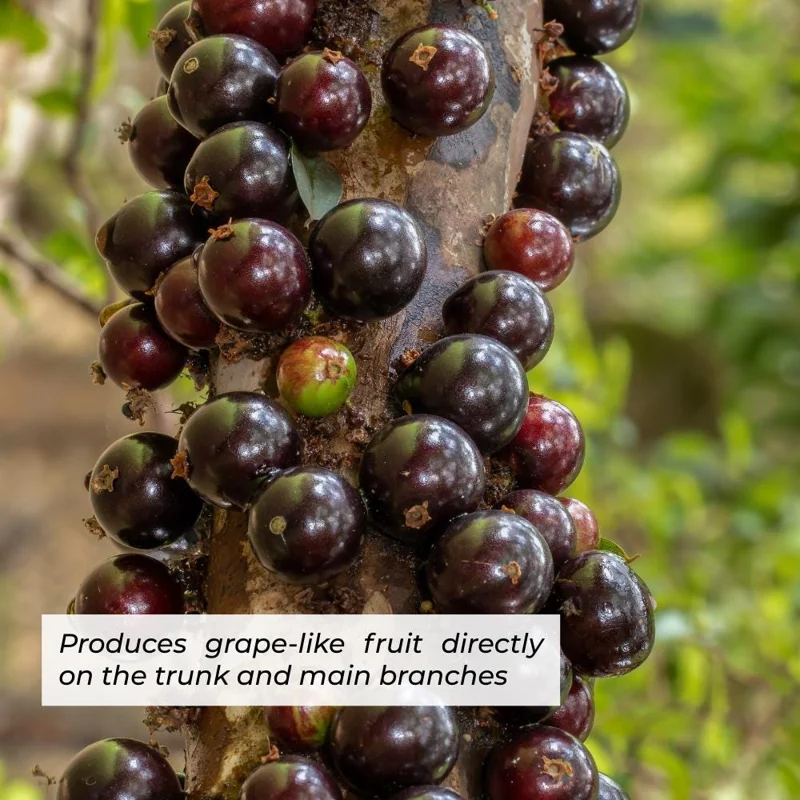
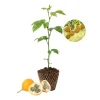
Discover the unique beauty and delicious fruits of the Jaboticaba live fruit tree. Also known as the Brazilian Grape Tree, this fascinating plant (Myrciaria cauliflora) is celebrated for its distinctive growth habit where fruits ripen directly on the trunk and branches. Our Sabara variety offers sweet, juicy, black grape-like fruits that are perfect for fresh eating, jams, or juices. This particular specimen is a young, vigorous Sabara black grape plant, typically standing 4 to 7 inches tall, and is an excellent choice for both novice and experienced gardeners looking to cultivate an unusual and rewarding edible plant. Its compact size makes it suitable for container growing, allowing you to enjoy this tropical delight even in cooler climates by bringing it indoors during colder months. The glossy green foliage provides year-round visual appeal, enhancing any growing space.
Key Benefits
Cultivating a Jaboticaba live fruit tree offers a multitude of advantages, from its unique aesthetic to its delicious harvest. This adaptable plant is a fantastic choice for those seeking both ornamental beauty and edible rewards.
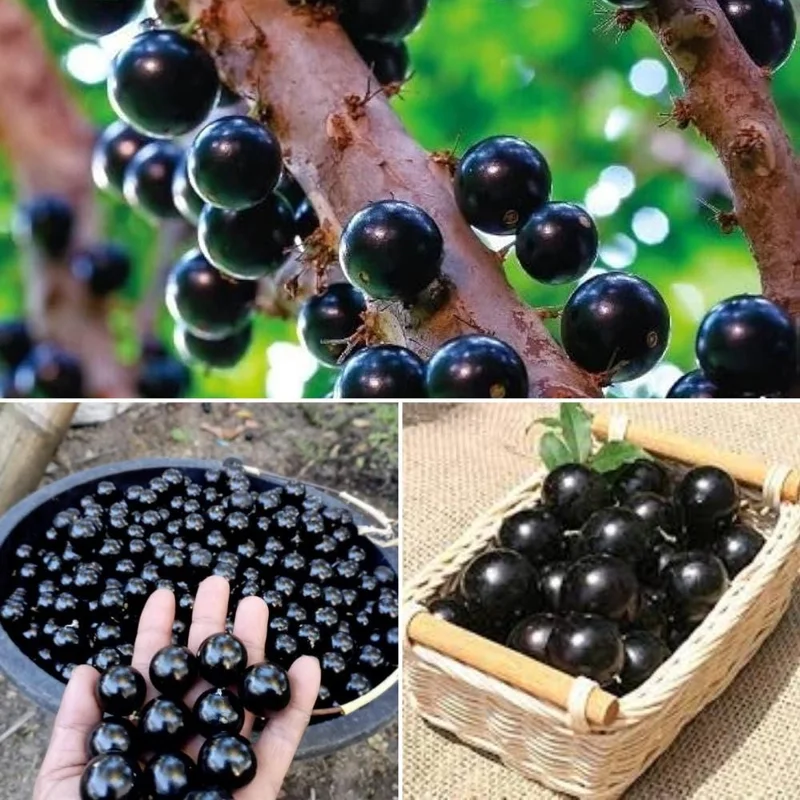
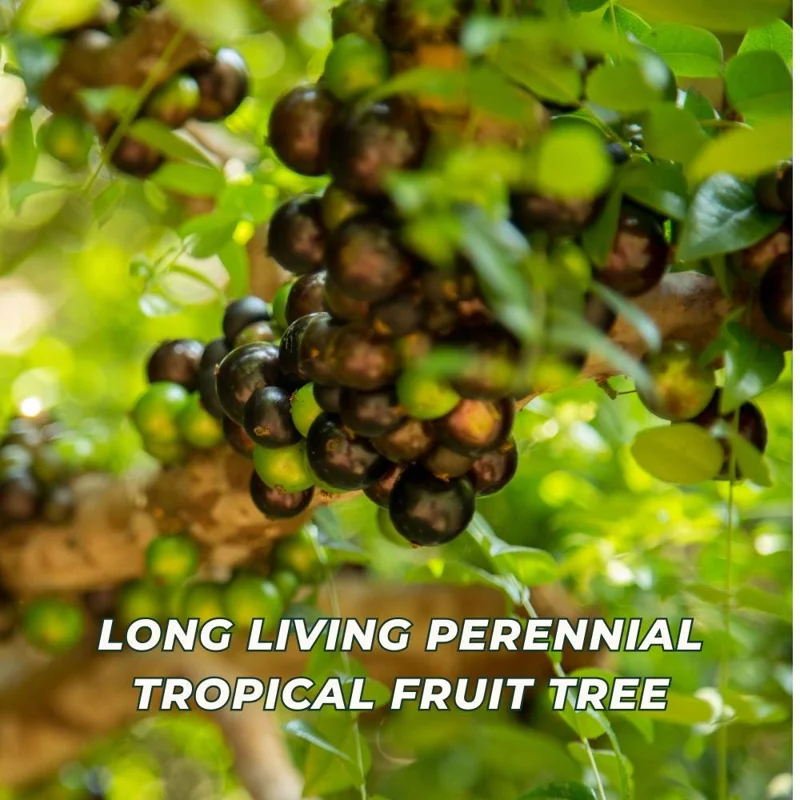
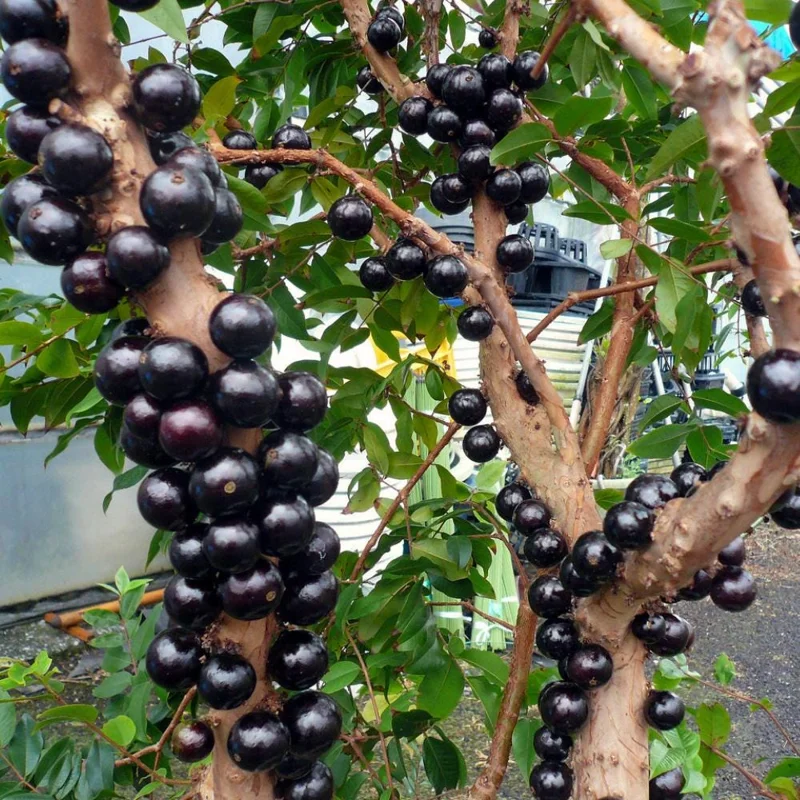
- Unique Fruiting Habit: The most striking feature is its cauliflory, where fruits emerge directly from the trunk and main branches. This creates a stunning visual spectacle and makes harvesting incredibly easy. Enjoy fresh, sweet, grape-like fruits right off the tree.
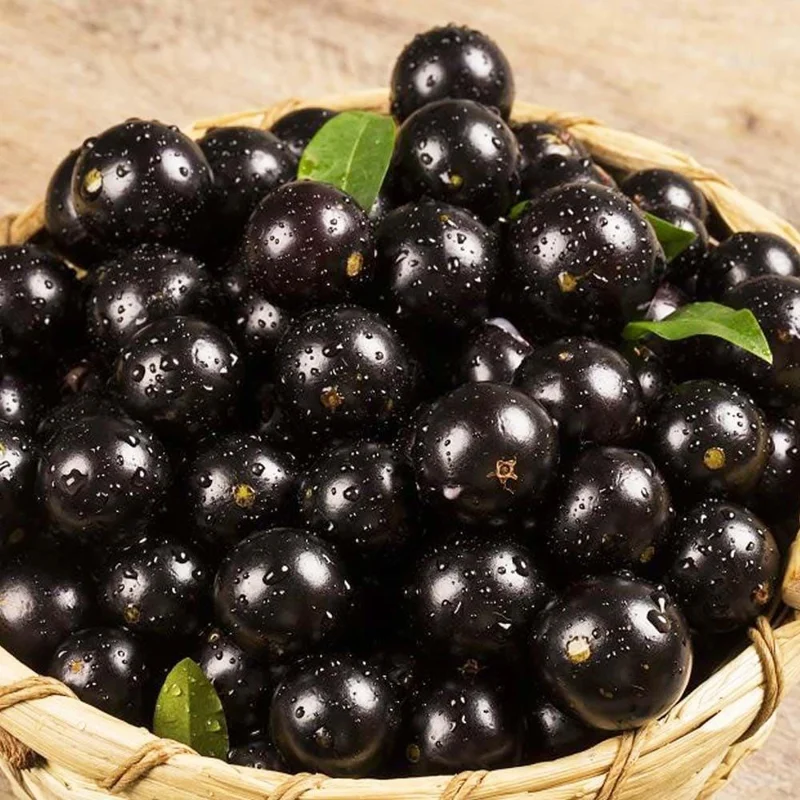
- Edible & Delicious Fruit: The Sabara black grape plant produces small, round, purplish-black fruits with a sweet, slightly acidic pulp. These are delicious eaten fresh, but can also be used to make jellies, jams, wines, and liqueurs, offering a versatile culinary ingredient.
- Year-Round Appeal: With its attractive glossy green leaves and unique trunk fruiting habit, this tree provides visual interest throughout the year, even when not in fruit. It’s an excellent specimen plant for patios, edible gardens, or as a container plant indoors.
- Adaptable Growth: While preferring warm climates, the Jaboticaba live fruit tree can be successfully grown in containers, allowing it to be moved indoors during winter in colder regions. This flexibility makes it accessible to a wider range of gardeners.
- Low Maintenance: Once established, Jaboticaba trees are relatively low-maintenance. They are generally resistant to most pests and diseases, requiring consistent watering and occasional feeding to thrive. This makes it an ideal edible fruit tree for busy gardeners.
- Long Lifespan: Jaboticaba trees are known for their longevity, often living for decades or even centuries, becoming a cherished part of your garden for generations.
Plant Care & Growing Tips
Caring for your Jaboticaba live fruit tree is straightforward, ensuring a healthy and productive plant. This plant thrives with consistent attention to its environmental needs. It performs best in USDA hardiness zones 9–11, preferring warm, stable environments. If you reside in a cooler zone, container growing is highly recommended so the plant can be moved indoors during colder periods, protecting the delicate foliage and encouraging continued growth. The Sabara black grape plant thrives in full sun to partial shade, especially in bright outdoor or patio settings. In very hot climates, some afternoon shade can prevent leaf scorch. When grown indoors, provide it with the brightest light possible, ideally near a south-facing window or under grow lights.
Water regularly to keep the soil evenly moist, as this trunk fruiting tree prefers consistent moisture and does not tolerate drying out completely. However, ensure good drainage to prevent root rot. A well-draining potting mix is crucial for container-grown plants. For optimal growth and fruiting, fertilize every 2-3 months during the growing season with a balanced, slow-release fertilizer formulated for fruit trees. Protect your plant from strong winds and sudden temperature drops. While generally robust, keep an eye out for common pests like aphids or scale, treating them promptly with organic pest control methods if necessary. Pruning is usually minimal, focused on shaping the tree and removing any dead or diseased branches to maintain its health and encourage fruiting.
Understanding Jaboticaba plant care is key to a successful harvest. Providing the right conditions for your edible fruit tree will lead to bountiful fruit production and a beautiful specimen plant. Consistent moisture and appropriate light are the two most critical factors for this unique plant.
Size & Details
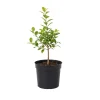
This offering is for one Jaboticaba live fruit tree, a Sabara variety, carefully grown and established in a 4-inch nursery pot. Each plant stands approximately 4 to 7 inches tall, measured from the soil line to the top of the foliage. This compact size makes it ideal for immediate placement in a slightly larger container or for integration into your edible garden landscape. The plant is shipped in its nursery pot, ensuring minimal transplant shock upon arrival. Jaboticaba trees are slow-growing, especially in their early years, but with proper care, they will gradually mature into a beautiful and productive trunk fruiting tree. Expect the plant to continue growing steadily, eventually reaching a mature height of 10-20 feet if planted in the ground, or a more manageable size in a container.
Frequently Asked Questions
- Q: How big will this Jaboticaba live fruit tree get? A: This young plant is 4-7 inches tall. If planted in the ground in ideal conditions, it can eventually reach 10-20 feet tall. In a container, its size will be more constrained, making it manageable for patios or indoor spaces.
- Q: Is this an indoor or outdoor plant? A: The Sabara black grape plant can be grown outdoors in USDA zones 9-11. In colder climates, it is best grown in a container and moved indoors during the winter months to protect it from frost.
- Q: How much sunlight does the Jaboticaba live fruit tree need? A: It thrives in full sun to partial shade. In very hot climates, some afternoon shade is beneficial. When grown indoors, place it in a bright location, ideally near a south-facing window.
- Q: How often should I water my Jaboticaba plant? A: This edible fruit tree prefers consistently moist soil. Water regularly, ensuring the soil remains evenly moist but not waterlogged. Allow the top inch of soil to dry slightly between waterings.
- Q: Is this Jaboticaba live fruit tree good for beginners? A: Yes, with proper attention to its watering and light needs, Jaboticaba plants are relatively easy to care for and are a rewarding choice for beginner gardeners interested in unique fruit trees. Understanding basic Jaboticaba plant care is key.
- Q: What condition will my Jaboticaba plant arrive in? A: Your plant will arrive well-established in its 4-inch nursery pot, carefully packaged to ensure its safe journey. It will be a healthy young specimen, ready for its new home.
- Q: When can I expect fruit from my trunk fruiting tree? A: Jaboticaba trees can take several years to begin fruiting, typically 3-5 years from a young plant. Patience is key, but the unique growth and delicious fruit are well worth the wait.
- Q: What kind of soil does this Sabara black grape plant prefer? A: It prefers well-draining, slightly acidic to neutral soil. A good quality potting mix with added perlite or sand works well for container growing to ensure proper drainage.



Reviews
There are no reviews yet.