Overview
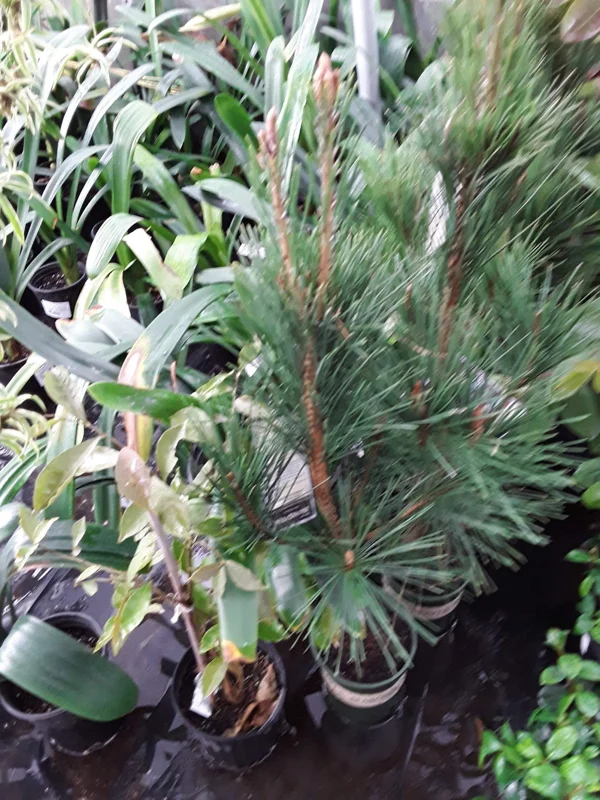
Introduce a touch of enduring natural elegance to your outdoor space with a japanese black pine live plant. This impressive evergreen, scientifically known as Pinus thunbergii, is a highly sought-after species renowned for its robust nature, striking appearance, and adaptability. Our japanese black pine live plant is currently 1-2 feet tall and comes securely rooted in a 3-gallon nursery pot, ready for planting. Originating from coastal areas of Japan and Korea, the Japanese Black Pine is celebrated for its tolerance to harsh conditions, including salt spray and strong winds, making it an excellent choice for a variety of landscapes. Whether you’re aiming to create a traditional Japanese garden, a windbreak, or a magnificent specimen tree, this pine offers unparalleled character with its dark green needles, rugged bark, and often asymmetrical growth habit. It’s also a favorite among bonsai enthusiasts for its inherent beauty and ability to be shaped into captivating forms.
The japanese black pine live plant is a long-lived tree that will mature into a stately presence in your garden. Its distinctive dark, rigid needles are arranged in bundles of two, providing a dense, attractive foliage that remains vibrant throughout the year. The bark starts out smooth and grayish, gradually developing a textured, fissured appearance with age, adding to its aesthetic appeal. This tree is not just a plant; it’s an investment in the future beauty and tranquility of your landscape, offering a focal point that will be admired for generations.
Key Benefits
The Japanese Black Pine offers numerous advantages for any gardener or landscape enthusiast. Its unique characteristics and hardiness make it a standout choice for various outdoor settings.
- Year-Round Visual Interest: As an evergreen, the japanese black pine live plant maintains its rich, dark green foliage throughout all seasons, providing consistent beauty and structure to your garden even in winter when deciduous trees are bare.
- Exceptional Hardiness: This species is remarkably resilient, tolerating a wide range of conditions including coastal environments, urban pollution, and varying soil types once established. It’s known for its ability to withstand strong winds and salt spray.
- Versatile Landscaping: Whether you desire a majestic specimen tree, a privacy screen, a windbreak, or a foundational plant for a Japanese-style garden, the Japanese Black Pine fits many roles. Its adaptable nature allows for creative landscaping designs.
- Bonsai Potential: The natural growth habit and responsiveness to pruning make the japanese black pine live plant an ideal candidate for bonsai. Its rugged charm translates beautifully into miniature, artistic forms, allowing for a creative outlet.
- Low Maintenance Once Established: After its initial planting and establishment period, this pine requires relatively little ongoing care, making it a good choice for those seeking a beautiful yet manageable tree.
- Drought Tolerance: Once mature, the Japanese Black Pine is quite drought-tolerant, reducing the need for frequent watering in drier climates or during periods of low rainfall.
- Wildlife Habitat: The dense foliage provides shelter and nesting opportunities for various bird species, contributing to local biodiversity.
Plant Care & Growing Tips
Caring for your japanese black pine live plant is straightforward, especially once it’s established. Understanding its basic needs will ensure its healthy growth and longevity. This tree thrives in full sun, meaning it requires at least 6 hours of direct sunlight per day. While it can tolerate some partial shade, optimal growth, needle density, and overall health are achieved in bright, open conditions. Ensure the planting site has good air circulation to prevent fungal issues.
When it comes to soil, the japanese black pine care is relatively unfussy but prefers well-draining soil. It can adapt to sandy, loamy, or even clay soils, provided there is no standing water. If your soil is heavy clay, amend it with organic matter like compost or sand to improve drainage. For newly planted trees, water regularly to keep the soil consistently moist but not waterlogged. Once established, it becomes quite drought-tolerant, though occasional deep watering during prolonged dry spells will be beneficial. Fertilization is generally not heavily required; a balanced, slow-release fertilizer in early spring can be applied if growth seems sluggish, but avoid over-fertilizing.
The Japanese Black Pine is hardy in USDA zones 5-9. It can withstand cold winters and hot summers within this range. Pruning is an important aspect of japanese black pine care, especially if you intend to shape the tree or manage its size. Candle pruning, which involves pinching back new growth (candles) in late spring, is a common technique used to control size and promote denser foliage. Remove dead, damaged, or crossing branches as needed. Watch out for common pests like pine needle scale or pine sawfly, and diseases such as pine wilt, though healthy, well-cared-for trees are generally resistant. Proper planting depth, avoiding planting too deep, is also crucial for its long-term health.
Size & Details
This japanese black pine live plant is currently supplied at a height of 1-2 feet from the base of the rootball to the tip of the leader, and it is shipped in a robust 3-gallon nursery pot. This size provides a well-developed root system, ensuring a strong start in your garden. The Japanese Black Pine is a moderate to fast-growing tree, typically adding 12-24 inches of height per year under ideal conditions. In its natural environment, it can reach impressive heights of 20-60 feet with a spread of 20-40 feet, developing a broad, irregular crown. When used for bonsai or carefully pruned, its size can be meticulously controlled. This tree is a long-term investment, offering decades of beauty and character to your landscape. Expect to see significant development in its form and bark texture as it matures, especially if you are practicing japanese black pine bonsai techniques.
Frequently Asked Questions
- Q: How big does this plant get? A: This japanese black pine live plant is 1-2 feet tall when shipped. In the landscape, it can grow to 20-60 feet tall and 20-40 feet wide, though its size can be managed through pruning, especially if grown as a black pine tree or for bonsai.
- Q: Is this an indoor or outdoor plant? A: The Japanese Black Pine is an outdoor tree, well-suited for landscaping in USDA Zones 5-9. It requires full sun and good air circulation, making it unsuitable for indoor living.
- Q: How much sunlight does it need? A: This tree thrives in full sun, requiring at least 6 hours of direct sunlight per day for optimal growth and health. Ensure it’s not overshadowed by larger structures or trees.
- Q: Is this plant easy to care for? A: Once established, the japanese black pine live plant is relatively low-maintenance and quite hardy. It tolerates various conditions, but consistent watering during establishment and proper pruning are key for its best appearance.
- Q: What condition will it arrive in? A: Your Japanese Black Pine will arrive securely packaged in its 3-gallon nursery pot, with its root system intact and ready for planting. We take great care to ensure the plant is healthy upon arrival.
- Q: When is the best time to plant? A: The best time to plant a pinus thunbergii is in early spring or early fall, allowing the roots to establish before extreme summer heat or winter cold.
- Q: Will it survive winter in my zone? A: The Japanese Black Pine is hardy in USDA Zones 5-9, meaning it can withstand winter temperatures down to -20°F (-29°C) in these regions. Protection may be needed in the colder parts of Zone 5 for young plants.
- Q: Can I use this for bonsai? A: Yes, the Japanese Black Pine is one of the most popular and classic choices for bonsai due to its naturally rugged appearance, strong growth, and responsiveness to training and pruning, making it excellent for japanese black pine bonsai.
- Q: What kind of soil does it prefer? A: This pine prefers well-draining soil and can adapt to sandy, loamy, or even clay soils, as long as they don’t retain too much water. Amending heavy soils with organic matter is recommended.
- Q: How often should I water it? A: For newly planted trees, water regularly to keep the soil consistently moist. Established trees are drought-tolerant but benefit from deep watering during extended dry periods, especially during hot summer months, as part of good japanese black pine care.




Reviews
There are no reviews yet.