Overview
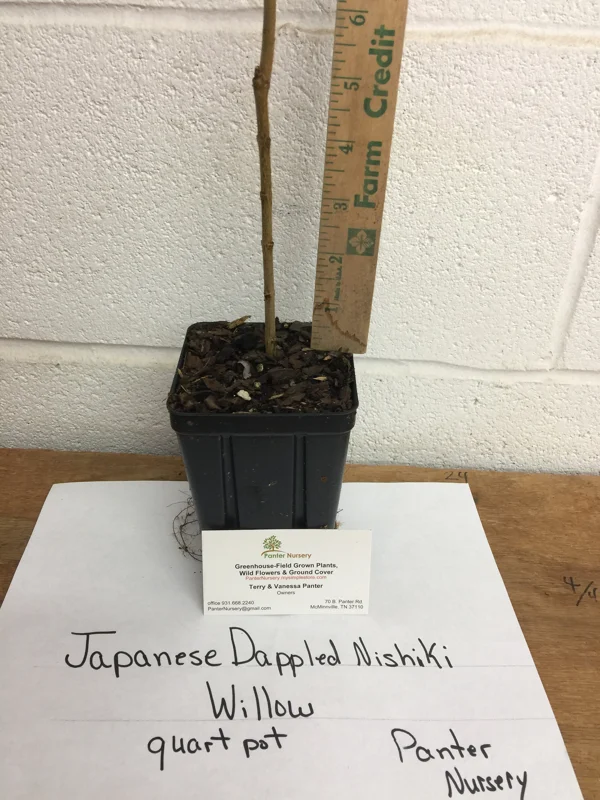
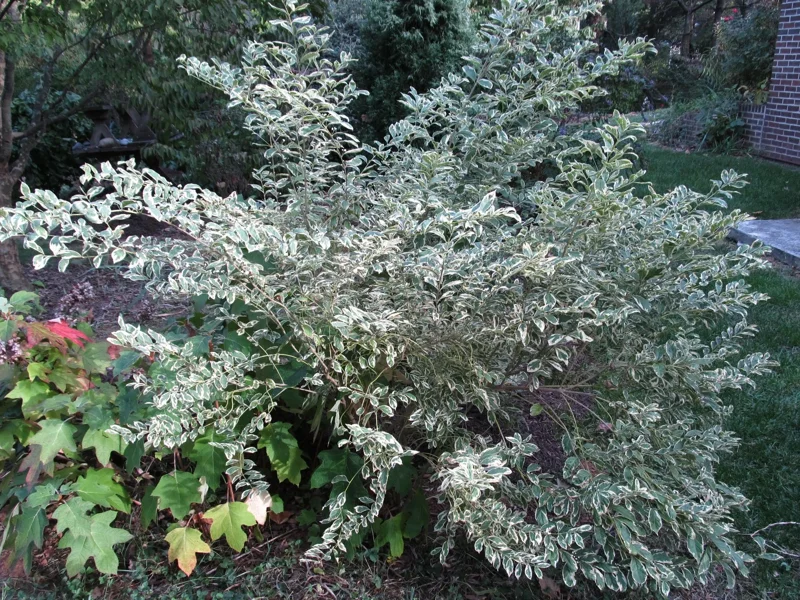
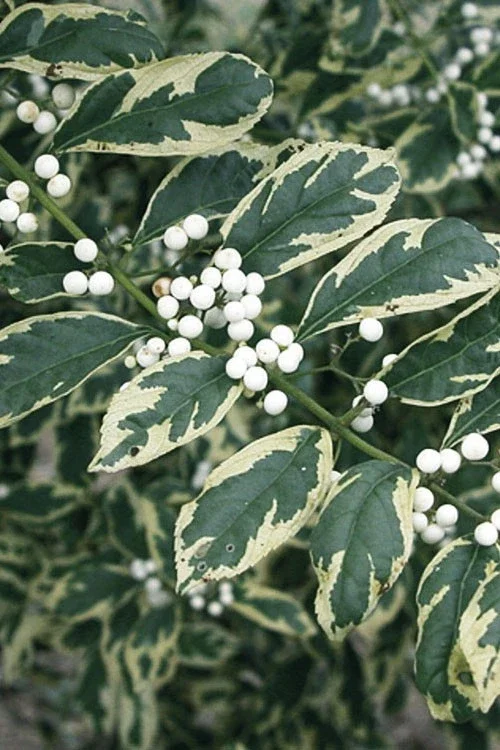
Introduce a touch of elegance and vibrant color to your garden with the exquisite Japanese Dappled Nishiki Willow Tree. This live plant, arriving at 6 to 12 inches tall in a 4-inch pot, is a stunning addition to any landscape. Known scientifically as Salix integra ‘Hakuro Nishiki’, this willow species is native to Japan and Korea and is cherished for its dynamic foliage. Its leaves emerge with a beautiful dappled (variegated) pattern, featuring shades of cream, green, and a delightful touch of pink, creating a captivating visual display throughout the growing season. Whether you’re looking to create a striking focal point or add texture to your garden, this unique willow offers year-round interest. It can be cultivated as a charming shrub or easily pruned into an elegant tree form, adapting beautifully to your garden’s design.
The Japanese Dappled Nishiki Willow Tree is classified within the basket willow category, known for its adaptability and relatively fast growth. Its striking appearance makes it a favorite among gardeners seeking something beyond the ordinary. The narrow leaves provide a delicate texture, contrasting beautifully with other plants in your garden. This hardy plant is suitable for a wide range of climates and soil types, making it a versatile choice for many outdoor settings. Experience the joy of watching its colors intensify from spring through fall, bringing a refreshing vibrancy to your outdoor living space. It’s an excellent choice for both novice and experienced gardeners.
Key Benefits
The Japanese Dappled Nishiki Willow Tree offers numerous advantages, transforming your garden with its unique characteristics and ease of care. Its ornamental value is unparalleled, making it a standout feature in any landscape:
- Stunning Variegated Foliage: Enjoy a spectacular display of cream, green, and pink-hued leaves that create a dynamic and ever-changing appearance, providing continuous visual interest from spring to autumn.
- Versatile Growth Habit: This plant can be maintained as a compact shrub or easily trained and pruned into an attractive small tree, offering flexibility in garden design and placement.
- Adaptable to Various Conditions: Thrives in a range of light conditions from partial shade to full sun and is tolerant of different soil types, making it a robust and resilient choice for many gardens.
- Low Maintenance: Once established, the Japanese Dappled Nishiki Willow Tree requires minimal care, primarily needing regular watering and occasional pruning to maintain its desired shape and size.
- Hardy in Multiple Zones: Resistant to cold temperatures, it is suitable for USDA Hardiness Zones 4-9, ensuring it can withstand diverse climatic conditions.
- Attractive to Wildlife: Its presence can attract beneficial insects and birds, contributing to a healthy garden ecosystem.
- Year-Round Appeal: Even in winter, its graceful form and branching structure add architectural interest to the dormant garden. Understanding proper Nishiki Willow care ensures a healthy, thriving plant.
Plant Care & Growing Tips
Proper care is essential to ensure your Japanese Dappled Nishiki Willow Tree flourishes and displays its best colors. This plant is known for its hardiness and adaptability, making it relatively easy to care for, even for beginner gardeners. It thrives in locations with partial shade to full sun. For the most vibrant pink coloration in its new growth, aim for at least 6 hours of direct sunlight per day. However, in hotter climates, some afternoon shade can prevent leaf scorch. It’s adaptable to various soil types but prefers consistently moist, well-draining soil. Avoid overly dry or waterlogged conditions, as these can stress the plant. Regular watering is crucial, especially during dry spells and in its first year after planting. More frequent watering will be needed during extreme heat to keep the soil consistently damp.
The Japanese Dappled Nishiki Willow Tree is hardy in USDA Zones 4-9. Fertilize in early spring with a balanced, slow-release granular fertilizer formulated for trees and shrubs to encourage vigorous growth and vibrant foliage. Pruning is key to maintaining its shape and promoting the best color. Since the brightest pink hues appear on new growth, annual pruning in late winter or early spring before new growth emerges is recommended. You can choose to prune it into a shrub form or train it as a small tree. If left unpruned, it can grow up to 8-10 feet tall and 6 feet wide. Watch out for common willow pests like aphids, although this variety is generally quite resilient. Maintaining good air circulation and appropriate watering practices will help prevent most fungal issues. For more detailed guidance, search for ‘Nishiki Willow care‘ resources online.
Understanding the specific needs of Salix integra ‘Hakuro Nishiki’ will ensure a healthy and beautiful specimen. This variety of variegated willow plant is generally robust, but consistent moisture is its most significant requirement. Mulching around the base of the plant can help retain soil moisture and regulate soil temperature, benefiting its overall health. If you are researching a dappled willow shrub, you’ll find this plant is often lauded for its ease of maintenance and stunning visual impact. Ensure you provide adequate space for its mature size if you plan to let it grow naturally.
Size & Details
This offering is for one Japanese Dappled Nishiki Willow Tree live plant, which arrives in a 4-inch nursery pot. The plant’s height will range between 6 to 12 inches tall upon arrival, providing a healthy young specimen ready for planting. While it starts compact, this willow is a moderately fast grower. If allowed to grow naturally without heavy pruning, it can reach a mature height of 8 to 10 feet and spread approximately 6 feet wide. However, its growth is easily manageable through pruning, allowing you to maintain it at a desired height and shape, whether as a smaller shrub or a tree form. The plant is shipped in its nursery pot, ensuring its roots are protected during transit and ready for a smooth transition to your garden. Expect vibrant new growth and the characteristic pink-tipped variegation to develop as the plant establishes itself in your landscape.
Frequently Asked Questions
- Q: How big does this plant get? A: If left unpruned, the Japanese Dappled Nishiki Willow Tree can reach 8-10 feet tall and 6 feet wide. However, it can be easily pruned to maintain a smaller, desired size.
- Q: What size pot does it come in? A: This dappled willow shrub is shipped as a live plant in a 4-inch nursery pot, with a height of 6 to 12 inches.
- Q: Is this an indoor or outdoor plant? A: The Japanese Dappled Nishiki Willow Tree is primarily an outdoor plant, thriving in garden beds or larger containers outdoors. It is not typically grown as a houseplant.
- Q: How much sunlight does it need? A: This plant performs best in partial shade to full sun. For the most vibrant pink coloration, provide at least 6 hours of direct sunlight daily, especially in cooler climates.
- Q: Is this plant easy to care for? A: Yes, the Japanese Dappled Nishiki Willow Tree is considered an easy-to-care-for plant, suitable for gardeners of all experience levels. Its primary needs are consistent moisture and occasional pruning.
- Q: Is it good for beginners? A: Absolutely! Its hardiness and adaptability make it an excellent choice for beginners looking to add unique foliage to their garden. Follow basic Nishiki Willow care guidelines for success.
- Q: What condition will it arrive in? A: Your variegated willow plant will arrive as a healthy, live plant in a 4-inch nursery pot, carefully packaged to ensure its well-being during shipment.
- Q: When is the best time to plant? A: The best time to plant your Japanese Dappled Nishiki Willow Tree is in spring or early fall, allowing it time to establish before extreme summer heat or winter cold.
- Q: Will it survive winter in my zone? A: This willow is hardy in USDA Zones 4-9, meaning it can tolerate cold winter temperatures within these zones.
- Q: What’s the minimum temperature it can withstand? A: Being hardy in Zone 4, it can generally withstand temperatures down to -30°F to -20°F (-34°C to -29°C) once established.





Reviews
There are no reviews yet.