Overview
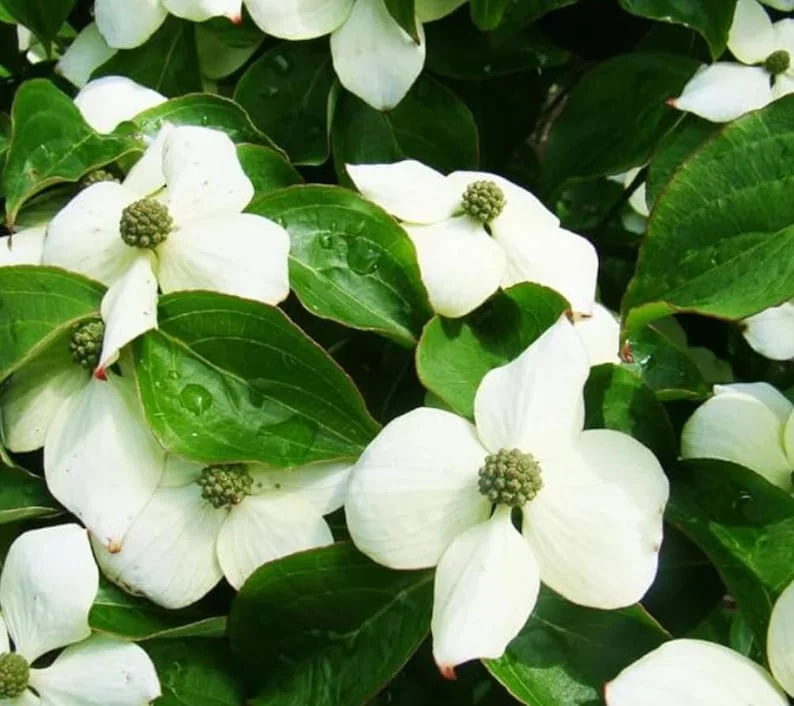
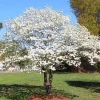
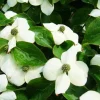
Transform your outdoor space with a beautiful Kousa Japanese Dogwood live plant. Known botanically as Cornus kousa, this exquisite deciduous tree is a favorite among gardeners for its year-round appeal. Unlike its North American cousin, the Kousa Dogwood typically blooms later in the spring, showcasing an abundance of star-like white bracts that persist for several weeks. These elegant ‘flowers’ eventually give way to distinctive, raspberry-like red fruits in late summer, providing visual interest and a food source for local wildlife. This Cornus kousa tree is offered as a healthy seedling, ready to establish itself and grow into a magnificent specimen in your landscape. It’s a fantastic choice for adding structure, seasonal color, and a touch of sophistication to any garden design.
The Kousa Japanese Dogwood is celebrated not only for its ornamental beauty but also for its hardiness and adaptability. It thrives in a variety of conditions, making it a reliable addition to many garden styles. As a young Kousa Dogwood seedling, it provides the perfect opportunity to nurture a tree from its early stages, allowing it to adapt to its new environment and flourish under your care. Expect a delightful display of foliage, flowers, and fruit that will enhance your garden for years to come.
Key Benefits
The Kousa Japanese Dogwood live plant offers numerous advantages for any landscape:
- Stunning Seasonal Display: Enjoy a breathtaking show of star-shaped white bracts in late spring to early summer, followed by unique, edible red berries in late summer and vibrant fall foliage, ensuring continuous visual appeal throughout the growing season.
- Attractive Edible Fruit: The distinctive, raspberry-like red fruits are not only ornamental but also edible, offering a sweet taste when fully ripe. They also attract birds, adding life and sound to your garden.
- Exceptional Hardiness: This tree is known for its robust nature and resistance to many common dogwood diseases, making it a low-maintenance and long-lived addition to your garden. Its resilience makes it a great choice for various climates.
- Year-Round Interest: Beyond its flowers and fruit, the peeling, mottled bark of mature Kousa Dogwoods provides architectural interest in the winter, ensuring your garden remains captivating even after the leaves have fallen.
- Versatile Landscape Use: The flowering dogwood tree can be used as a specimen tree, part of a mixed border, or even in naturalized settings, thanks to its graceful form and moderate size.
- Wildlife Attraction: The berries provide a valuable food source for birds and other small wildlife, helping to support local ecosystems and bringing nature closer to your home.
- Moderate Growth Rate: A steady growth rate allows you to enjoy its development without it becoming overly large too quickly, making it manageable for most garden sizes.
Plant Care & Growing Tips
Caring for your Kousa Japanese Dogwood live plant ensures it grows into a healthy, vibrant tree. This species prefers a location with full sun to partial shade. In hotter climates, some afternoon shade can protect the foliage from scorching. Aim for at least 4-6 hours of direct sunlight daily for optimal flowering and fruit production. When planting, dig a hole twice as wide as the root ball and just as deep. Ensure the top of the root ball is level with the surrounding soil. Water thoroughly after planting.
The ideal soil for a Cornus kousa tree is well-draining, acidic to neutral (pH 5.5-7.0), and rich in organic matter. Amend heavy clay soils with compost or peat moss to improve drainage and aeration. Consistent moisture is key, especially during the first few years of establishment and during dry spells. Water deeply once or twice a week, allowing the top few inches of soil to dry out slightly between waterings. Avoid overwatering, as this can lead to root rot. Mulching around the base of the tree with 2-4 inches of organic material will help retain soil moisture, regulate soil temperature, and suppress weeds.
The Japanese Dogwood care routine also includes minimal fertilization. A balanced, slow-release fertilizer can be applied in early spring, once the tree is established (usually after the first year). Pruning should be done in late winter or early spring while the tree is dormant, focusing on removing dead, damaged, or crossing branches. Shaping can also be done at this time to maintain its natural, graceful form. The Kousa Dogwood is generally cold-hardy, thriving in USDA zones 5-8, making it suitable for a wide range of climates. With proper care, your flowering dogwood tree will provide years of beauty.
Size & Details
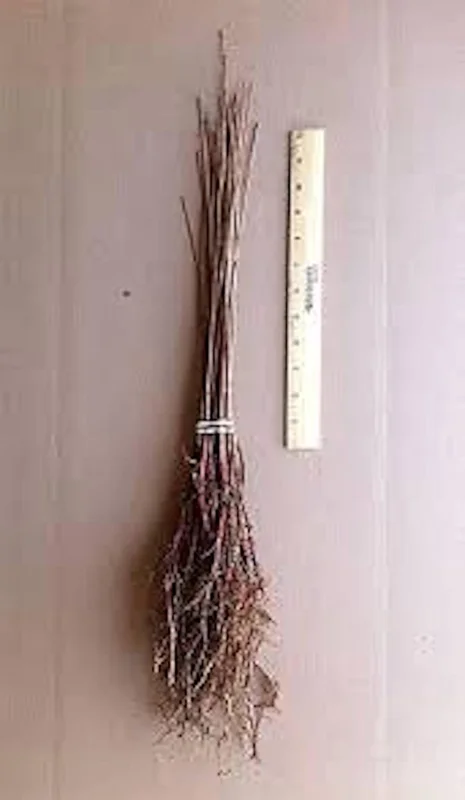
This offering is for one Kousa Japanese Dogwood live plant seedling, measuring approximately 6-12 inches tall from the base of the root system to the tip of the plant. It is provided in a quart-sized pot, ensuring a healthy and developed root system for successful transplanting. The young Kousa Dogwood seedling is in its early stages of growth, allowing you to shape its development from the beginning. Expect a moderate growth rate, typically adding 1-2 feet per year once established, eventually reaching a mature height of 15-25 feet with a similar spread.
The plant will be shipped in its nursery pot, carefully packaged to protect it during transit. Upon arrival, it is recommended to acclimate the plant to its new environment before permanent planting. This Cornus kousa tree will develop its characteristic white bracts in late spring and early summer, followed by the unique red berries. Its mature size makes it an excellent choice for a specimen tree or a prominent feature in a mixed border, providing long-term beauty for your landscape.
Frequently Asked Questions
- Q: How big does this Kousa Japanese Dogwood live plant get? A: This Kousa Japanese Dogwood live plant is currently a 6-12 inch seedling. Once mature, it typically grows to a height of 15-25 feet with a similar spread, forming a beautiful, broad-spreading tree.
- Q: What size pot does it come in? A: The seedling is shipped in a quart-sized nursery pot, providing a healthy root system ready for planting in your garden or a larger container.
- Q: Is this an indoor or outdoor plant? A: The Kousa Japanese Dogwood live plant is an outdoor deciduous tree. It requires a period of dormancy and is not suitable for long-term indoor cultivation. It thrives in garden settings.
- Q: How much sunlight does it need? A: This flowering dogwood tree prefers full sun to partial shade. In regions with intense summer heat, providing some afternoon shade can protect its foliage. Aim for at least 4-6 hours of direct sunlight daily.
- Q: Is this plant easy to care for? A: Yes, Japanese Dogwood care is generally considered moderate. Once established, it is quite hardy and relatively low-maintenance, especially compared to some other dogwood varieties.
- Q: What condition will it arrive in? A: Your Kousa Dogwood seedling will arrive as a healthy, live plant in its nursery pot, carefully packaged to minimize stress during shipping. It will be ready for acclimation and planting.
- Q: How long until it blooms? A: Kousa Japanese Dogwoods typically begin to flower within 3-5 years after planting, depending on growing conditions and care. As a seedling, it will need time to establish and mature.
- Q: When is the best time to plant a Kousa Japanese Dogwood? A: The best time to plant your Kousa Japanese Dogwood live plant is in spring or early fall, allowing the roots to establish before extreme summer heat or winter cold.
- Q: Will it survive winter in my zone? A: The Kousa Japanese Dogwood is cold-hardy and thrives in USDA Hardiness Zones 5-8. If you are within these zones, it should successfully overwinter with proper care.
- Q: Are the berries edible? A: Yes, the raspberry-like red fruits of the Cornus kousa tree are edible when fully ripe, offering a sweet and somewhat custardy flavor. They are also enjoyed by birds.





Reviews
There are no reviews yet.