Overview
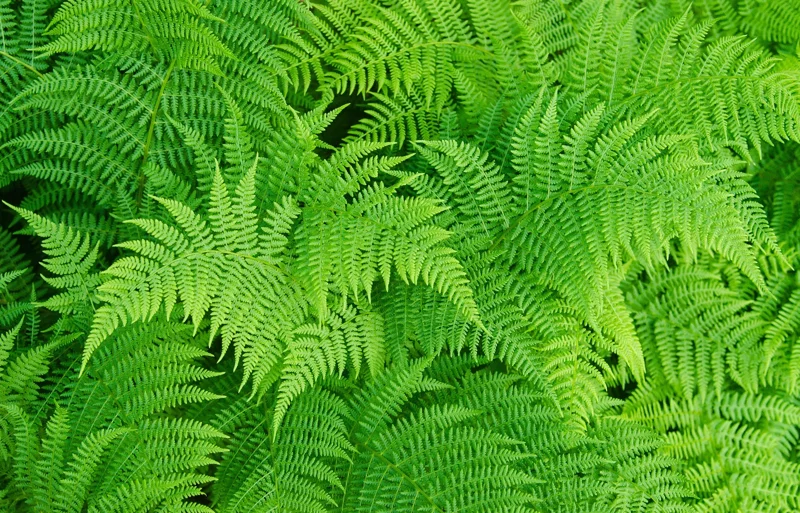
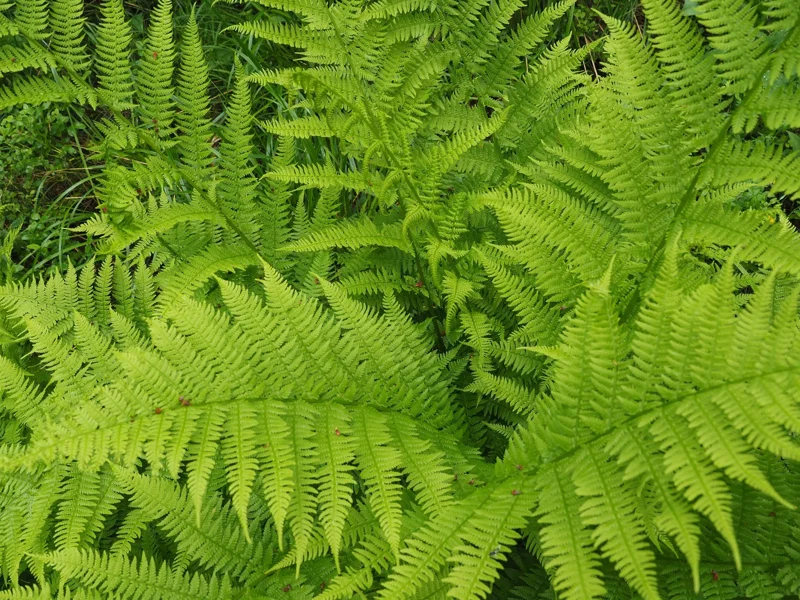
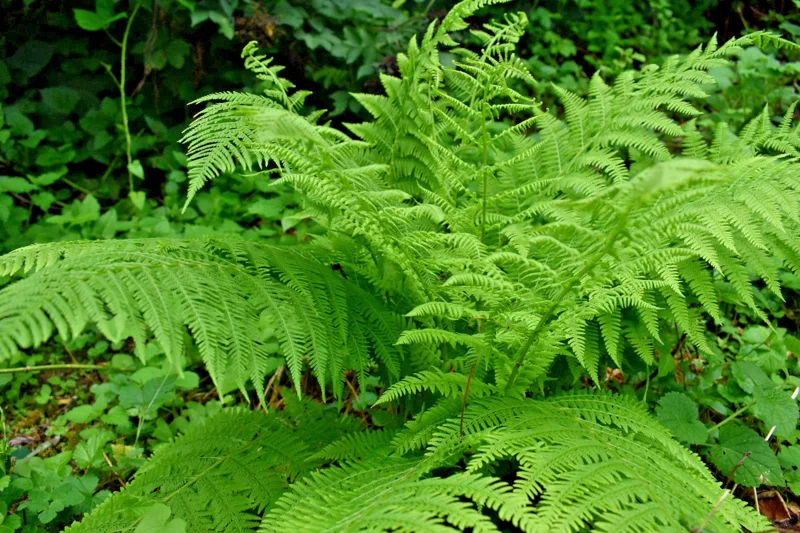
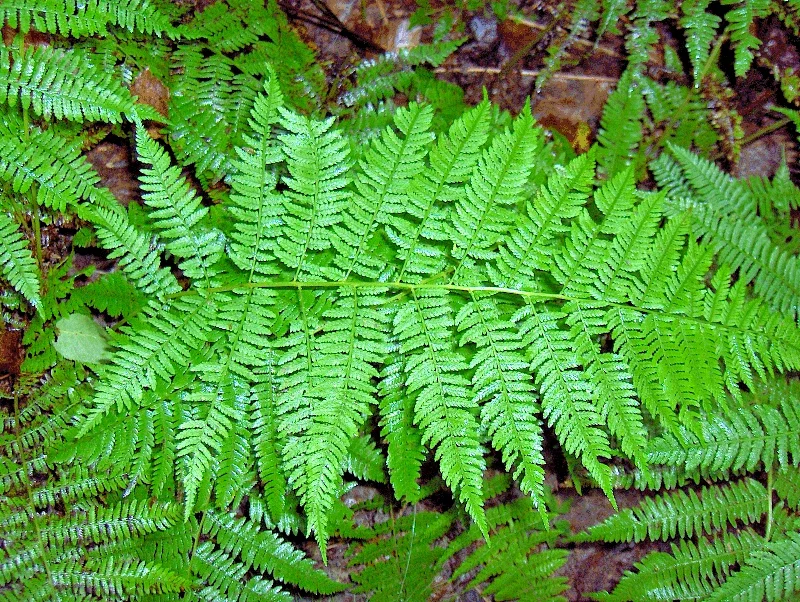
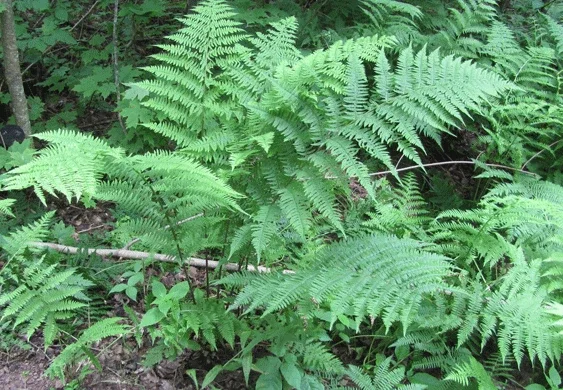
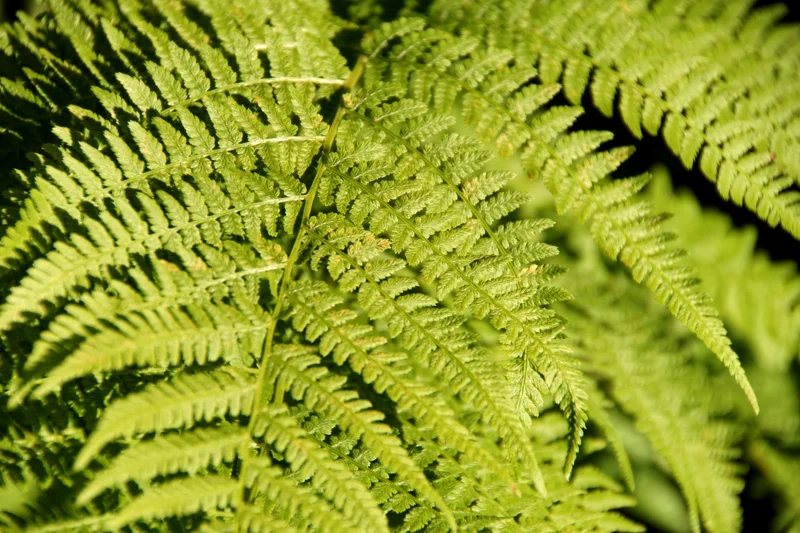
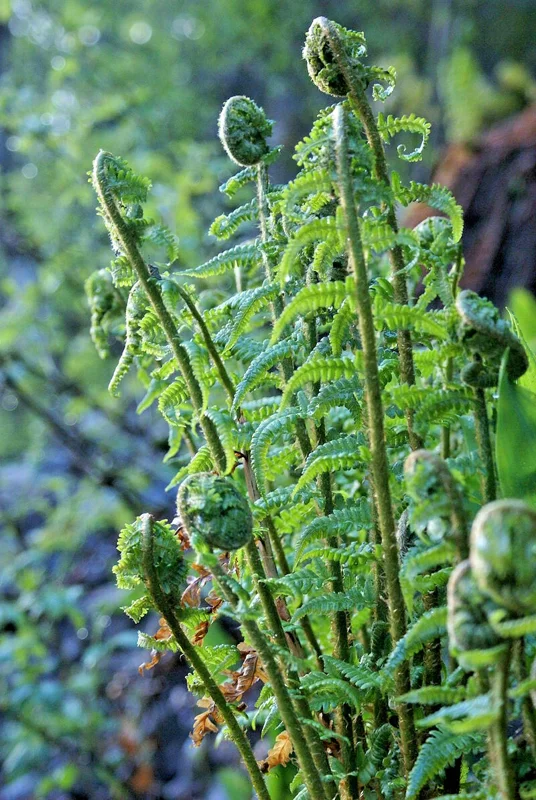
Embark on the rewarding journey of growing your own ferns with these premium lady fern spores. The Lady Fern (Athyrium filix-femina), also known as the western lady fern, is a beloved perennial known for its delicate, feathery fronds and robust nature. These spores offer a unique opportunity to cultivate this elegant plant from its earliest stages, allowing you to witness its captivating growth. Ideal for shaded areas in your garden, the Lady Fern creates a lush, verdant understory, bringing a sense of tranquility and natural beauty to your landscape. This decorative fern is not only beautiful but also remarkably resilient, making it a fantastic choice for gardeners seeking a plant that combines aesthetic appeal with ease of care. Growing Athyrium filix-femina from spores is a truly engaging experience that connects you deeply with the natural world.
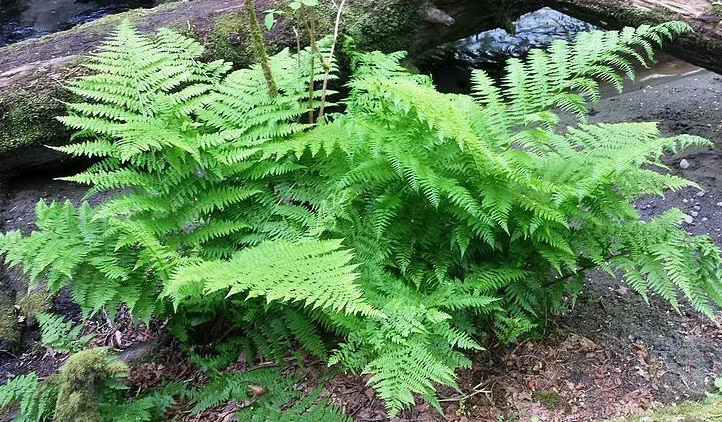
Originating from the United States, these lady fern spores are fresh and ready for propagation. The Lady Fern is celebrated for its ability to thrive in a variety of climates, particularly those that are cold and temperate, making it a versatile addition to many gardens. With its clumping growth habit, it forms attractive mounds of vivid green foliage that can reach an impressive height of up to 3 feet. Whether you’re an experienced fern enthusiast or a curious beginner, these cold hardy ferns offer a fascinating and fulfilling gardening project.
Key Benefits
The Lady Fern offers a multitude of benefits for any garden, enhancing both its aesthetic and ecological value. Its graceful appearance and adaptability make it a top choice for shaded landscapes.
- Elegant Foliage: The delicate, lacy fronds of the Lady Fern provide a soft, textural element to your garden, creating a serene and inviting atmosphere. Its vibrant green color remains attractive throughout the growing season.
- Cold Hardy Nature: As a truly cold hardy fern, it thrives in USDA Hardiness Zone 5 (-20 to -10 °F) and colder climates, ensuring its survival and beauty even after harsh winters. This resilience makes it a reliable choice for diverse environments.
- Shade Garden Essential: Perfectly suited for shaded and partially shaded areas, the Lady Fern brightens dark corners of the garden where many other plants struggle to grow. It fills these spaces with lush, verdant growth, enhancing the overall appeal of your landscape.
- Low Maintenance: Once established, these ferns require minimal care, making them an excellent option for gardeners who desire beauty without extensive upkeep. Regular watering and appropriate soil conditions are generally sufficient for healthy growth.
- Natural Habitat Creation: Planting Athyrium filix-femina can help create a more naturalized environment in your garden, providing shelter and a food source for local wildlife, contributing to biodiversity.
- Versatile Landscaping: Its clumping growth habit and moderate size make it suitable for various landscaping applications, including ground cover, borders, woodland gardens, and even large containers. The western lady fern adapts well to different design schemes.
- Easy Cultivation from Spores: While requiring patience, growing lady fern spores is a rewarding process that allows you to propagate numerous plants and observe their lifecycle from the very beginning. Learn how to grow ferns from spores and enjoy the journey.
Plant Care & Growing Tips
Successfully growing Lady Ferns from spores requires attention to specific environmental conditions, particularly during the germination and establishment phases. These cold hardy ferns prefer a consistent, moist environment to thrive. Begin by sterilizing your growing medium, which can be a mix of loam, peat, sand, and silt with an acidic pH. A good strategy for how to grow ferns from spores involves sowing them on the surface of a moist, sterile medium and covering the container to maintain high humidity. Place the container in a location with partial to full shade, imitating the fern’s natural woodland habitat. Avoid direct sunlight, which can dry out the delicate spores and young gametophytes.
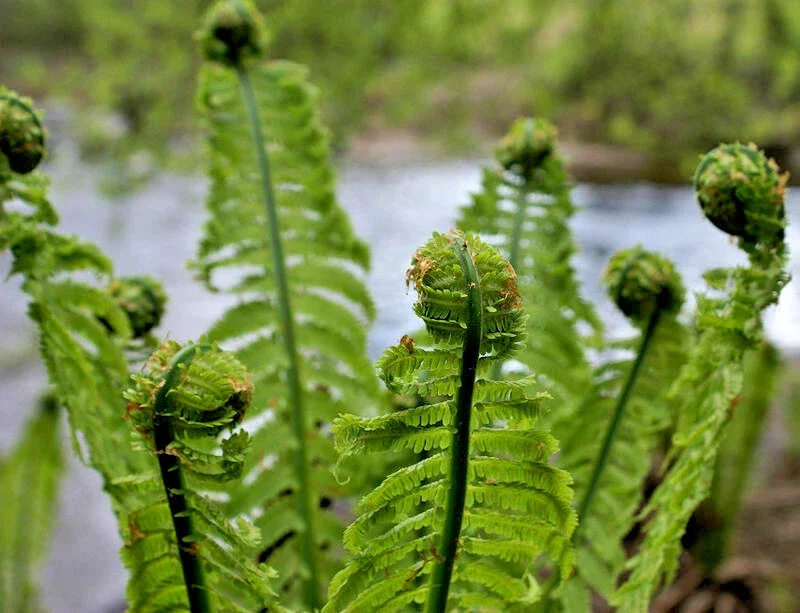
Once the prothallia (gametophytes) develop, and subsequently the sporophytes (young ferns), gradually acclimate them to slightly less humid conditions. Watering should be medium and consistent; the soil should remain damp but never waterlogged. These western lady fern plants prefer a cool, temperate climate, and are resistant to cold down to USDA Hardiness Zone 5. Fertilization is not typically required for young sporelings, but once established, a dilute, balanced liquid fertilizer can be applied sparingly during the growing season. Ensure proper drainage to prevent root rot. The Athyrium filix-femina is deciduous, meaning its foliage will die back in colder months, only to re-emerge in spring. While cultivating can be easy once established, the initial stages from spore to young plant require careful observation and consistent care.
Size & Details
These lady fern spores provide the foundation for growing robust and elegant ferns that can reach a substantial size. Mature Lady Ferns typically grow up to 3 feet tall, forming attractive, dense clumps of bright green foliage. The fronds are delicate and lacy, contributing to the plant’s graceful appearance. This perennial fern has a clumping growth habit, making it an excellent choice for ground cover or as a striking accent in woodland and shade gardens. The spores are fresh, ensuring optimal viability for your cultivation efforts.
When successfully germinated and grown, the Athyrium filix-femina is a long-lived plant, returning year after year to adorn your garden. It is best suited for outdoor planting and thrives in various soil types including loam, peat, sand, and silt, provided they are acidic and well-draining. The plant displays its best growth during spring, summer, and autumn, offering continuous interest throughout the warmer months. These cold hardy ferns are an investment in long-term garden beauty.
Frequently Asked Questions
- Q: How large will the Lady Fern grow? A: Once mature, the Lady Fern can typically reach heights of up to 3 feet tall, forming a beautiful, dense clump of foliage. Its size makes it a prominent feature in shaded garden areas.
- Q: Is this an indoor or outdoor plant? A: The Lady Fern is primarily an outdoor plant, ideally suited for shade gardens, woodland settings, and other outdoor landscapes. It thrives in cool, temperate climates.
- Q: How much sunlight does the Athyrium filix-femina need? A: This fern prefers partial to full shade and will not tolerate direct, harsh sunlight. Low to medium sun exposure is ideal for healthy growth and vibrant foliage.
- Q: Is this plant easy to care for once established? A: Yes, the Lady Fern is considered easy to cultivate once it becomes established in your garden. The initial stages of growing from lady fern spores require more careful attention and consistent moisture.
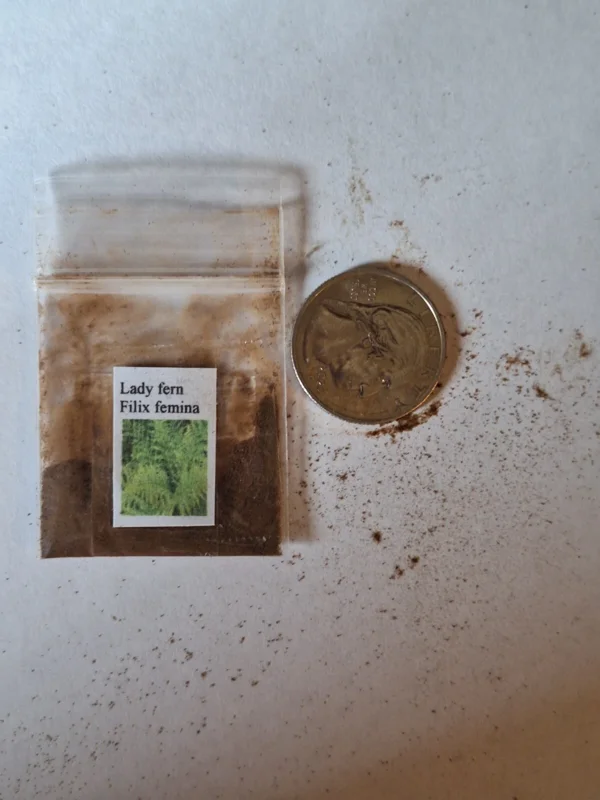
- Q: What condition will the spores arrive in? A: The spores are described as “Fresh New spore,” indicating they are viable and ready for planting upon arrival. Proper handling and immediate sowing are recommended.
- Q: When is the best time to plant lady fern spores? A: While spores can be sown at various times, many gardeners prefer to start them in late winter or early spring indoors, giving the young plants a head start before outdoor conditions are favorable.
- Q: Will these cold hardy ferns survive winter in my zone? A: Yes, the Lady Fern is known for its cold hardiness, thriving in USDA Hardiness Zone 5 (-20 to -10 °F) and above. Its deciduous nature allows it to withstand cold winters and re-emerge in spring.
- Q: What type of soil is best for growing Athyrium filix-femina? A: The western lady fern prefers acidic, well-draining soil types such as loam, peat, sand, and silt. Ensuring good drainage is crucial for its health.
- Q: What is the watering requirement for Lady Ferns? A: These ferns prefer medium watering, meaning the soil should be kept consistently moist but not waterlogged. Regular watering, especially during dry spells, is beneficial.
- Q: Can I really grow a fern from spores, and how to grow ferns from spores? A: Yes, growing ferns from spores is a common and rewarding practice. It involves sowing the microscopic spores on a sterile, moist growing medium in a humid environment, a process that requires patience and specific conditions for germination.





Reviews
There are no reviews yet.