Overview
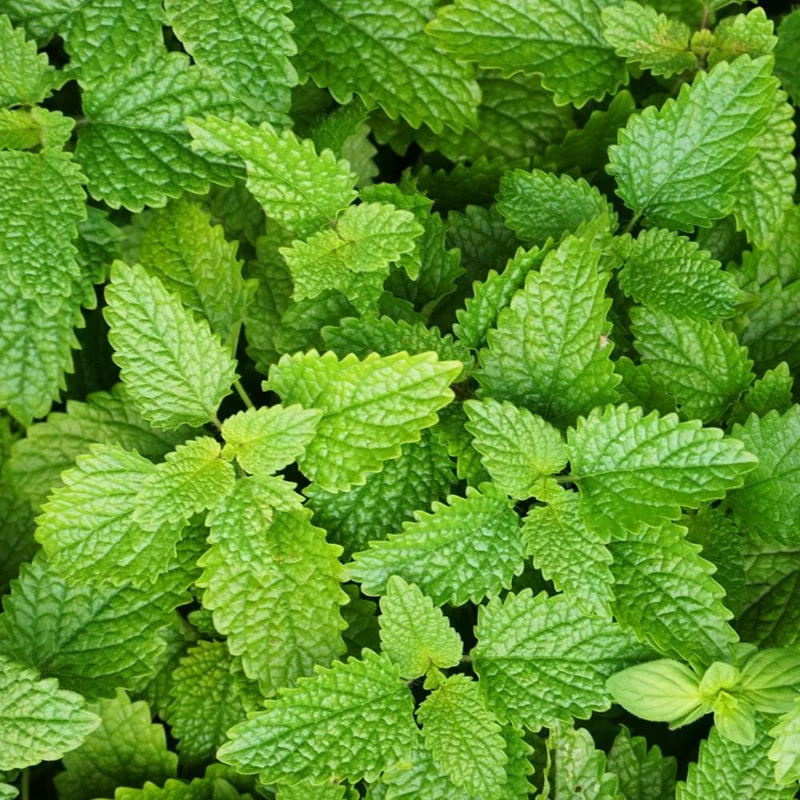
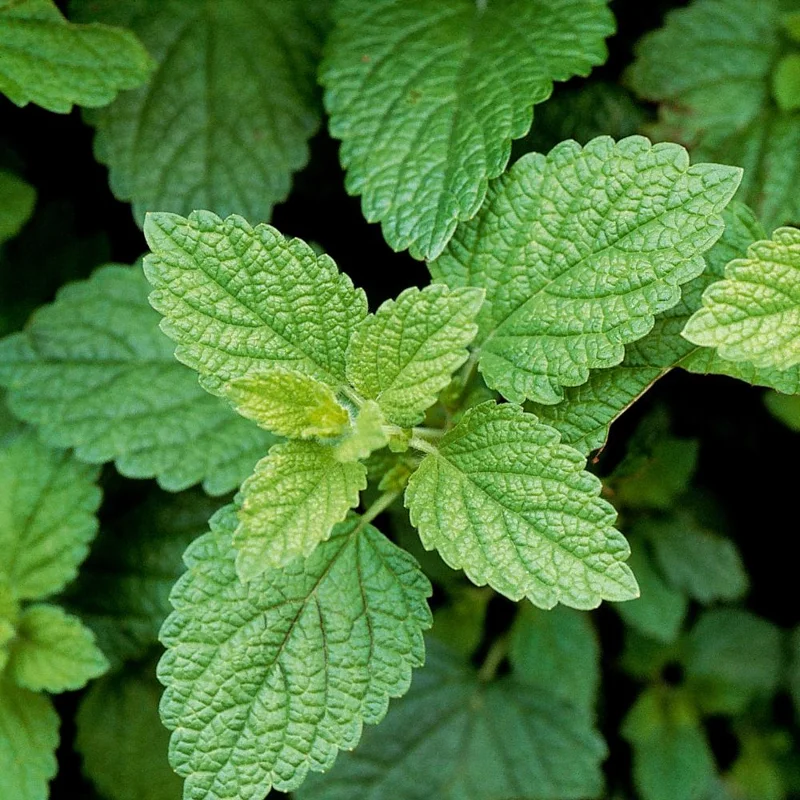
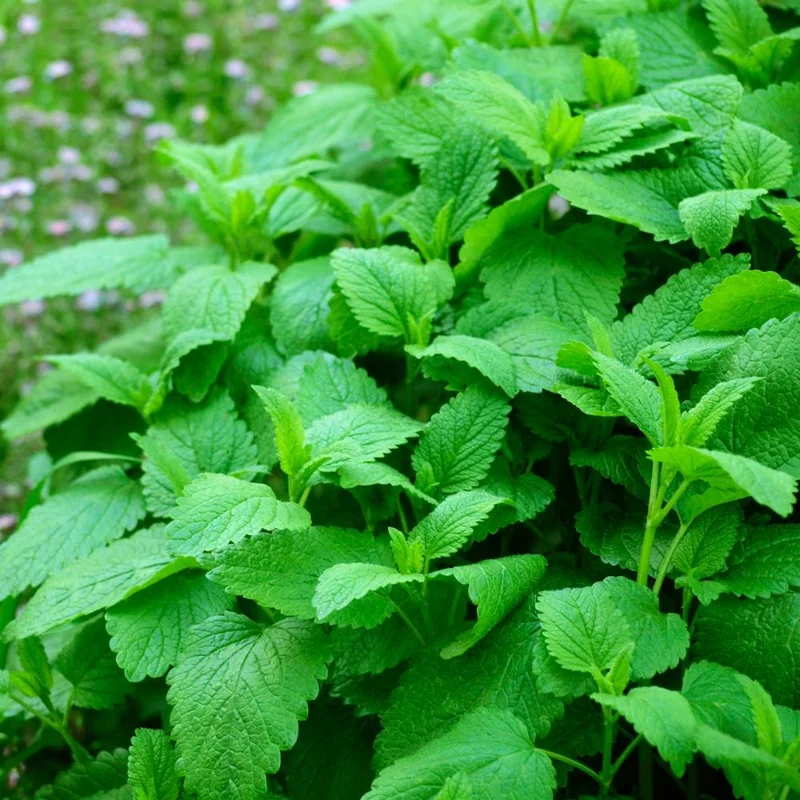
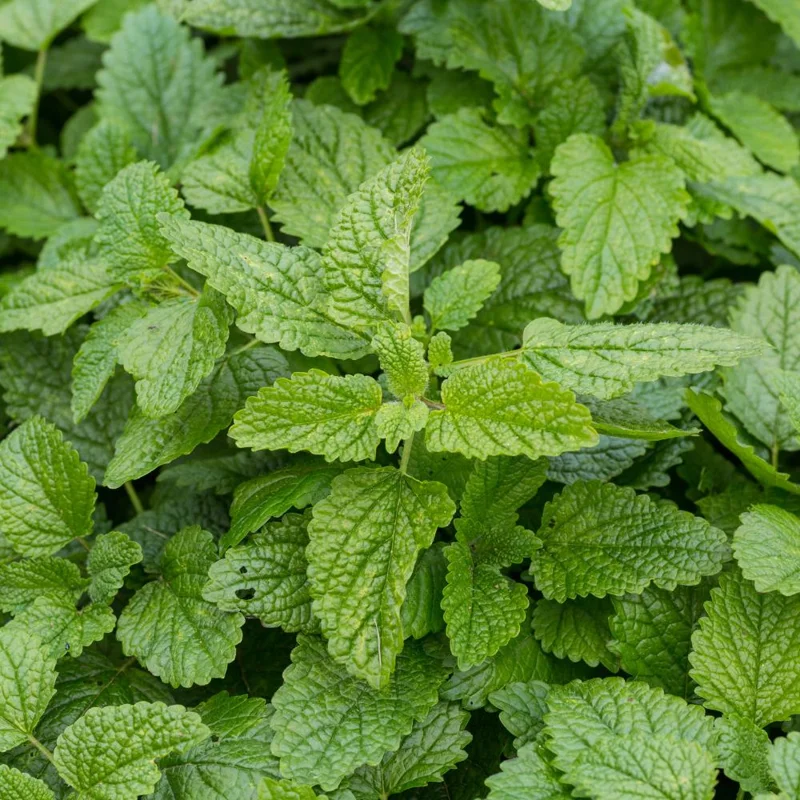
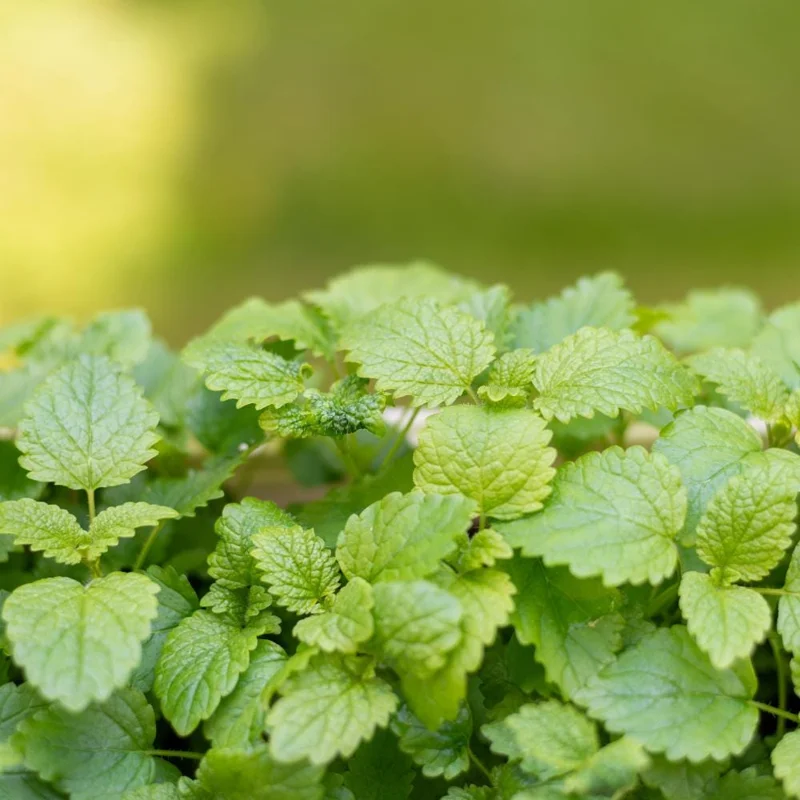
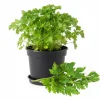
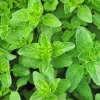
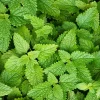
Introduce a touch of aromatic charm and culinary versatility to your garden with this beautiful lemon balm live plant. Known botanically as Melissa officinalis, lemon balm is a cherished perennial herb belonging to the mint family. This particular specimen arrives as a well-rooted plant, approximately 6-7 inches tall, ready to thrive in its new environment. Its bright green, slightly crinkled leaves release a wonderfully fresh, lemony scent when brushed or crushed, making it a favorite for both its fragrance and flavor. Ideal for herb gardens, container planting, or as an attractive border plant, this lemon balm live plant is a must-have for anyone looking to add a functional and delightful herb to their collection.
Lemon balm is more than just a pretty face; it’s a powerhouse of beneficial properties. Historically used for its calming effects and digestive aid, it’s also a fantastic addition to various culinary creations. Whether you’re a seasoned gardener or just starting out, learning how to grow lemon balm is straightforward, promising a rewarding experience with minimal effort. This robust plant adapts well to various conditions, offering lush foliage and a continuous supply of its aromatic leaves throughout the growing season.
Key Benefits
Adding a lemon balm live plant to your home or garden offers a multitude of advantages, from its delightful fragrance to its practical uses in the kitchen and beyond. Here are some of the key benefits you can expect from cultivating this wonderful herb:
- Aromatic Delight: The leaves emit a refreshing, citrusy fragrance that can uplift your spirits and naturally deter some garden pests. It’s perfect for creating a pleasant atmosphere in your garden or on your patio.
- Culinary Versatility: The edible leaves are excellent for flavoring teas, lemonades, salads, desserts, and even savory dishes. Enjoy fresh lemon balm in your favorite recipes for a bright, zesty kick.
- Medicinal Properties: Traditionally used for its calming and soothing effects, lemon balm is often brewed into a tea to help with relaxation, sleep, and digestive comfort. Many appreciate the natural benefits of this fragrant herb plant.
- Attracts Pollinators: Its small, delicate flowers, which appear in late spring to early summer, are highly attractive to bees, butterflies, and other beneficial pollinators, contributing to a healthy garden ecosystem.
- Low Maintenance: This hardy perennial is incredibly easy to care for, thriving with minimal intervention once established. It’s an ideal choice for both novice and experienced gardeners seeking an attractive and useful plant.
- Hardy & Resilient: Suitable for a wide range of climates, the lemon balm live plant is known for its resilience and ability to bounce back, providing years of enjoyment.
- Attractive Foliage: With its bright green, textured leaves, lemon balm adds a lovely visual element to any garden bed or container arrangement, making it an excellent edible garden plant.
Plant Care & Growing Tips
Caring for your lemon balm live plant is generally simple, making it a rewarding addition to any garden. This hardy herb prefers a location with full sun to partial shade. In hotter climates, partial shade during the intense afternoon hours will prevent the leaves from scorching and help maintain their vibrant green color. Aim for at least 4-6 hours of direct sunlight daily for optimal growth and fragrance. It’s a very adaptable plant, making it easy to find a suitable spot whether you’re growing it indoors in a bright window or outdoors in a garden bed.
When it comes to watering, lemon balm prefers consistently moist but not waterlogged soil. Water the plant thoroughly when the top inch or two of soil feels dry to the touch. During hot, dry spells, you may need to water more frequently. Ensure good drainage to prevent root rot. This plant is quite adaptable regarding soil type, thriving in well-drained soil, including sandy or rocky compositions. A good quality potting mix enriched with organic matter will provide an excellent foundation for healthy growth. Fertilize sparingly, perhaps once or twice during the growing season with a balanced liquid fertilizer, as excessive feeding can reduce the intensity of its essential oils. Understanding lemon balm plant care is key to a thriving herb.
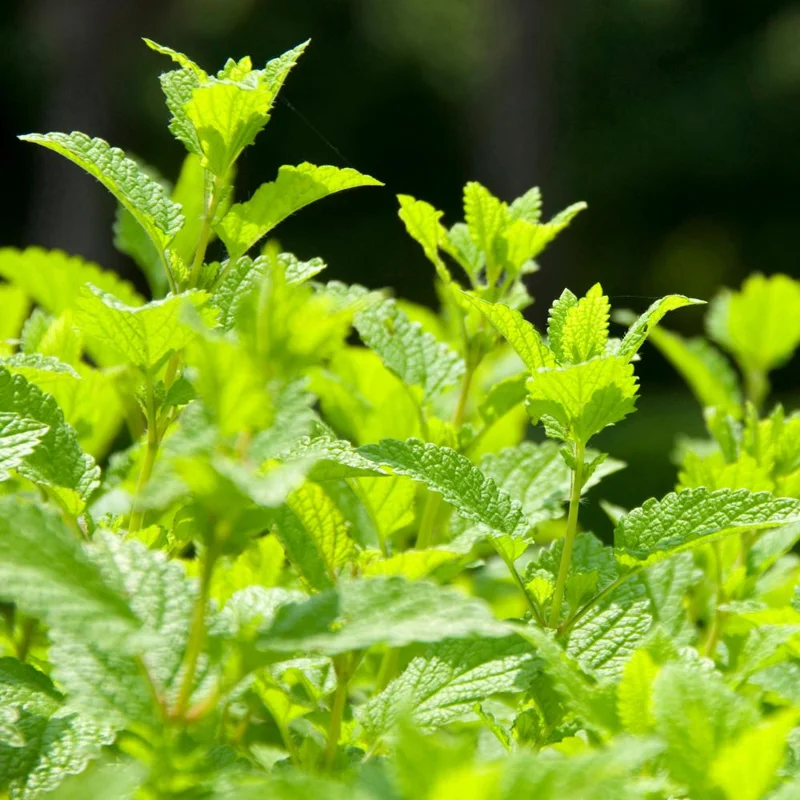
The lemon balm live plant is a very hardy perennial, suited for USDA Zones 3-9, meaning it can withstand cold winters and return vigorously each spring. It typically grows to a height of 10-22 inches, forming a bushy mound. Pruning regularly, especially after flowering, will encourage bushier growth and prevent the plant from self-seeding too aggressively. This also ensures a continuous supply of fresh, tender leaves. Keep an eye out for common garden pests, though lemon balm is generally quite resistant. Regular harvesting of the leaves also serves as a form of pruning, promoting new growth and ensuring your fragrant herb plant remains productive and healthy. Knowing how to grow lemon balm successfully will ensure a bountiful harvest.
Size & Details
This lemon balm live plant arrives well-rooted and stands approximately 6-7 inches tall from the base of the pot to the tip of its tallest leaves. It is a vigorous grower and, once established, can reach a mature height of 10-22 inches with a similar spread, forming a dense, attractive mound of foliage. This makes it an excellent choice for filling out garden beds, creating fragrant borders, or growing in containers on patios and balconies. It is shipped as a young, healthy plant, ready for immediate planting upon arrival.
Being a perennial, you can expect this edible garden plant to return year after year in suitable climates. Its growth rate is moderate to fast, especially in ideal conditions, allowing you to enjoy fresh harvests throughout the growing season. The plant will produce small, inconspicuous white or yellowish flowers which are highly attractive to pollinators. Regular harvesting of the leaves will encourage bushier growth and prevent the plant from becoming leggy. This robust herb is designed to provide a continuous supply of its fragrant leaves for all your culinary and aromatic needs.
Frequently Asked Questions
- Q: How big will my lemon balm live plant get? A: Your lemon balm live plant will arrive approximately 6-7 inches tall. Once established in your garden or a larger pot, it can grow to a mature height of 10-22 inches with a similar spread, forming a bushy and attractive plant.
- Q: Is this an indoor or outdoor plant? A: Lemon balm can thrive both indoors and outdoors. It is a hardy perennial for outdoor gardens in USDA Zones 3-9, but it can also be grown successfully indoors in a bright, sunny window as a potted herb.
- Q: How much sunlight does my lemon balm plant need? A: For optimal growth and fragrance, your lemon balm live plant prefers full sun to partial shade, meaning at least 4-6 hours of direct sunlight per day. In very hot climates, providing some afternoon shade can prevent leaf scorching.
- Q: Is this plant easy to care for? A: Yes, lemon balm is considered a very easy-to-care-for herb, making it ideal for beginners. It’s quite forgiving and resilient, especially when given proper sunlight and consistent watering. This makes lemon balm plant care relatively simple.
- Q: What condition will the plant arrive in? A: Your fragrant herb plant will arrive as a well-rooted, healthy specimen, typically in a nursery pot, ready for planting. We ensure it’s carefully packaged to withstand transit and arrive in excellent condition.
- Q: Can I use lemon balm in cooking? A: Absolutely! The leaves of this edible garden plant are perfect for culinary uses. They add a fresh, lemony flavor to teas, salads, desserts, chicken, fish, and various beverages.
- Q: When is the best time to plant lemon balm? A: While you can plant lemon balm almost any time of year indoors, the best time to plant it outdoors is in spring after the last frost, or in early fall in milder climates. This gives the plant time to establish before extreme temperatures.
- Q: Will this plant survive winter in my zone? A: This lemon balm live plant is a hardy perennial suitable for USDA Zones 3-9. In these zones, it will die back to the ground in winter but will regrow vigorously from its roots in the spring.
- Q: What type of soil does lemon balm prefer? A: Lemon balm is adaptable but thrives best in well-drained soil. It can tolerate a range of soil types, including sandy or rocky soil, but prefers a loamy soil enriched with organic matter.
- Q: How often should I water my lemon balm? A: Water your lemon balm when the top 1-2 inches of soil feel dry to the touch. Keep the soil consistently moist but avoid overwatering, as it can lead to root issues.


Reviews
There are no reviews yet.