Overview
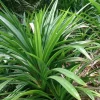
Cultivate your own aromatic and flavorful herbs with this robust lemongrass live plant. Known botanically as Cymbopogon citratus, lemongrass is a popular perennial grass celebrated for its distinct lemon scent and taste. This live plant comes in a 1-gallon pot, ensuring a healthy start for your gardening endeavors. Whether you’re an experienced gardener or just starting, a lemongrass live plant is a fantastic addition, offering both aesthetic appeal and practical utility. It’s an essential ingredient in many Southeast Asian cuisines, and growing your own means you’ll always have fresh, fragrant stalks readily available for your culinary creations.
Our Cymbopogon citratus plant is carefully nurtured to arrive at your doorstep in prime condition, ready to be planted in your garden or a larger container. This versatile herb thrives in warm climates and can be grown outdoors in suitable zones or as a potted plant indoors during colder months. Enjoy the beauty of its graceful, arching leaves and the delightful citrusy fragrance it imparts to your outdoor space or kitchen. This plant is not only a culinary powerhouse but also a beautiful ornamental grass.
Key Benefits
Beyond its culinary appeal, the lemongrass live plant offers a multitude of benefits for your home and garden. Here are some of the advantages of growing this wonderful herb:
- Culinary Versatility: Fresh lemongrass adds a unique, zesty flavor to soups, curries, teas, and stir-fries. Having a live plant means you can harvest fresh stalks whenever inspiration strikes, enhancing your dishes with authentic taste.
- Aromatic & Pest Repellent: The strong citrusy scent of lemongrass is not only pleasant to humans but also acts as a natural repellent for certain insects, including mosquitoes. Placing plants near patios or entryways can help deter unwanted pests.
- Ornamental Appeal: With its tall, slender, and arching leaves, lemongrass makes an attractive addition to garden beds, borders, or container arrangements. Its graceful form and vibrant green color add a tropical touch to any landscape.
- Easy to Grow: Lemongrass is relatively low-maintenance and forgiving, making it an excellent choice for both novice and experienced gardeners. It tolerates a range of conditions once established and requires minimal care.
- Potential Health Benefits: Traditionally, lemongrass has been used in herbal medicine for various purposes, including digestive aid and as a calming agent. While not a substitute for medical advice, enjoying lemongrass tea can be a soothing experience.
- Sustainable Sourcing: Growing your own culinary herb plant reduces reliance on store-bought herbs, which may have been transported long distances or treated with pesticides. Enjoy fresh, organic lemongrass right from your garden.
Plant Care & Growing Tips
Caring for your lemongrass live plant is straightforward, ensuring a bountiful harvest of fragrant stalks. Lemongrass thrives in full sun, needing at least 6-8 hours of direct sunlight per day to produce strong, flavorful leaves. If growing indoors, place it near a south-facing window or supplement with grow lights. It prefers warm temperatures and is sensitive to frost, so bring potted plants indoors when temperatures drop below 40°F (4°C). In USDA zones 9-11, it can be grown as a perennial outdoors year-round.
When it comes to watering, lemongrass prefers consistently moist but not waterlogged soil. Water deeply when the top inch of soil feels dry to the touch, and ensure good drainage to prevent root rot. A well-draining potting mix is crucial for container-grown plants. For in-ground planting, amend heavy clay soils with compost to improve drainage. Fertilize your Cymbopogon citratus plant every 4-6 weeks during the growing season (spring and summer) with a balanced liquid fertilizer to encourage vigorous growth. Regular harvesting of outer stalks will also promote new growth and keep the plant healthy and productive.
Pruning is minimal; simply remove any yellowing or dead leaves to maintain the plant’s appearance and health. While generally pest-resistant, keep an eye out for common garden pests like aphids or spider mites, especially in dry conditions. A strong spray of water or an insecticidal soap can usually address these issues. Overwintering outdoor plants in colder zones involves digging them up, potting them, and bringing them indoors, or heavily mulching the base in marginally cold areas to protect the roots. This ensures you can continue growing lemongrass for many seasons.
Size & Details
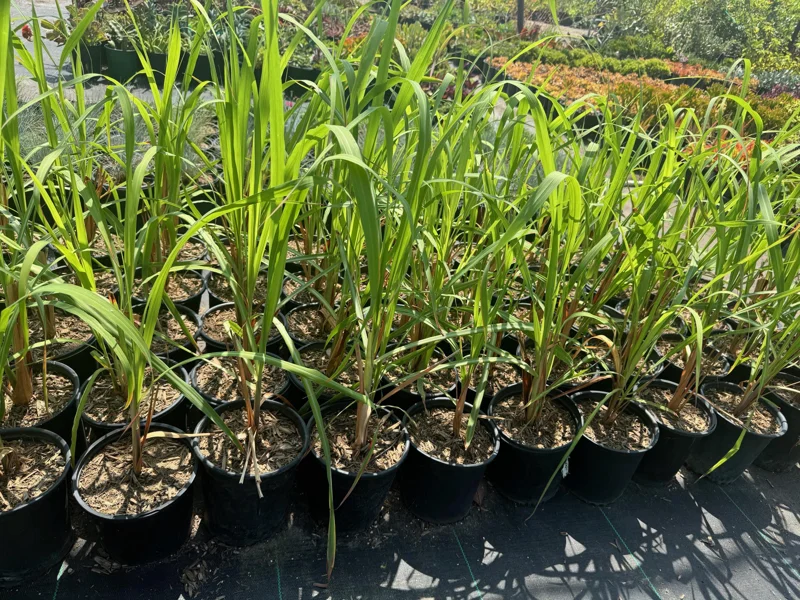
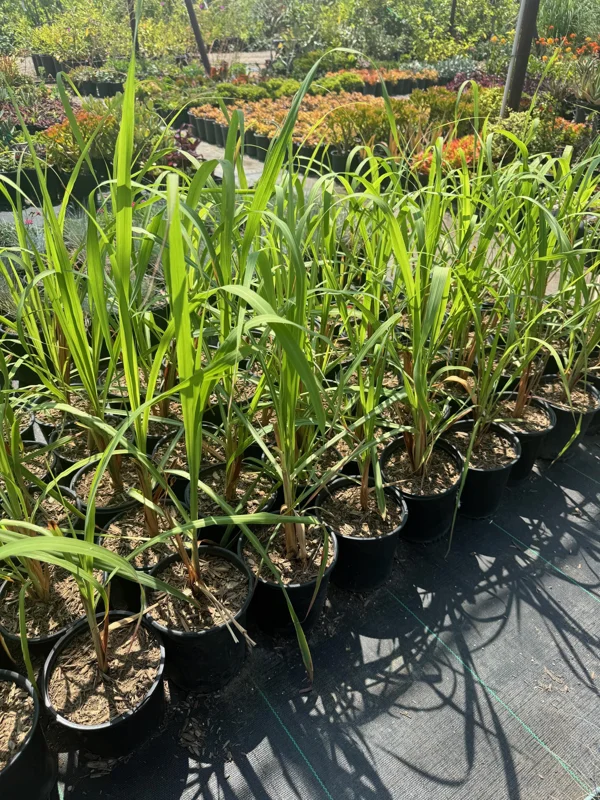
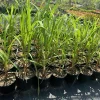
This offering is for one healthy lemongrass live plant, shipped in a 1-gallon nursery pot. The plant’s height typically ranges from 12-18 inches upon arrival, with the potential to grow much taller, often reaching 3-5 feet in mature outdoor conditions. The plant arrives well-established with a robust root system, ready for transplanting into a larger container or directly into your garden bed. Lemongrass is a fast-growing herb, and with proper care, you can expect to start harvesting stalks within a few weeks of planting. It forms dense clumps, expanding its width over time.
This buy lemongrass plant option provides a significant head start compared to growing from seed or smaller starts. The 1-gallon size ensures the plant has sufficient energy reserves for successful establishment in its new environment. It’s a great way to quickly introduce this wonderful herb into your culinary repertoire and garden. The plant will continue to grow and produce stalks throughout the warm season, offering a continuous supply of fresh lemongrass for your cooking and teas.
Frequently Asked Questions
- Q: How big does this lemongrass plant get? A: Upon arrival, the plant is typically 12-18 inches tall in its 1-gallon pot. When mature and planted in ideal conditions, a lemongrass live plant can grow up to 3-5 feet tall and form dense clumps several feet wide.
- Q: Is this an indoor or outdoor plant? A: Lemongrass can be grown both indoors and outdoors. In USDA Zones 9-11, it thrives outdoors as a perennial. In colder climates, it can be grown as an annual or brought indoors during winter as a potted plant.
- Q: How much sunlight does it need? A: This culinary herb plant requires full sun, meaning at least 6-8 hours of direct sunlight per day, to achieve its best growth and flavor. Insufficient light can lead to leggy growth and weaker flavor.
- Q: Is this plant easy to care for? A: Yes, lemongrass is considered easy to care for. It’s quite resilient and forgiving, making it suitable for gardeners of all experience levels. Consistent watering and adequate sunlight are key.
- Q: What condition will it arrive in? A: Your lemongrass live plant will arrive in a 1-gallon pot, well-packaged to protect it during transit. It will be a healthy, established plant with a strong root system, ready for planting.
- Q: Can I use lemongrass in cooking right away? A: Once the plant has settled into its new environment and shown some new growth, you can begin harvesting outer stalks. This usually takes a few weeks after planting the Cymbopogon citratus plant.
- Q: What’s the minimum temperature this plant can tolerate? A: Lemongrass is sensitive to frost and prefers temperatures above 40°F (4°C). If temperatures are expected to drop below this, it’s best to bring potted plants indoors or provide protection for outdoor plants.
- Q: What type of soil is best for growing lemongrass? A: Lemongrass thrives in well-draining, fertile soil. If planting in a pot, use a good quality potting mix. For garden beds, amend heavy soils with compost to ensure proper drainage.
- Q: When is the best time to plant lemongrass? A: The best time to plant your lemongrass live plant is in the spring after all danger of frost has passed, when soil temperatures have warmed up. This gives the plant ample time to establish before the peak growing season.
- Q: Is lemongrass pet-safe? A: While generally considered non-toxic to humans, the ASPCA lists lemongrass as toxic to dogs, cats, and horses, potentially causing stomach upset. It’s best to keep pets from ingesting it.



Reviews
There are no reviews yet.