Overview
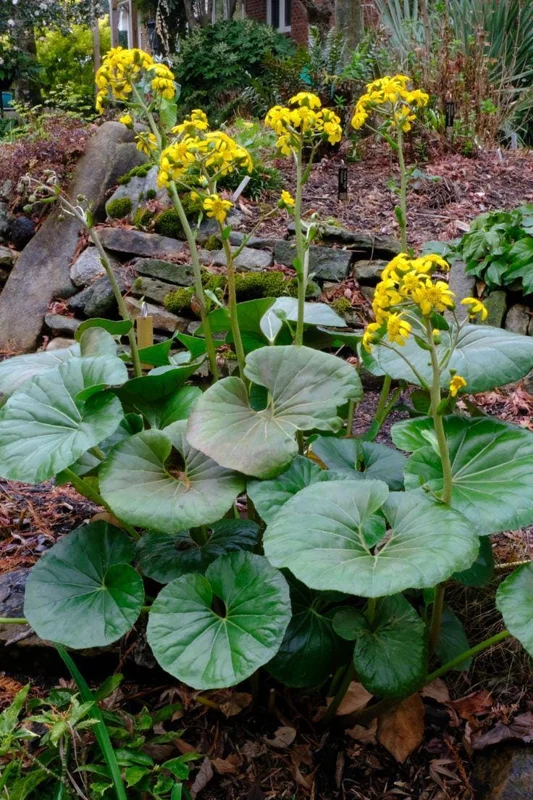
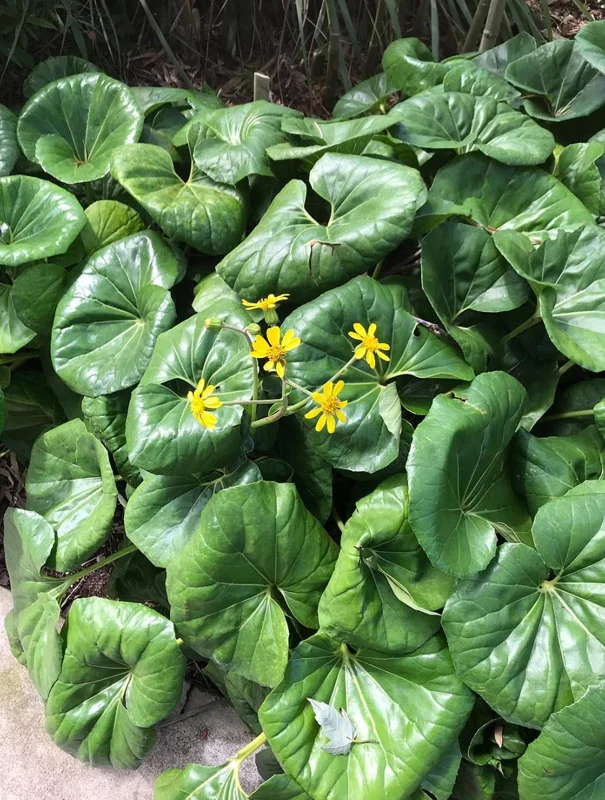
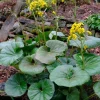
Transform your shaded garden into a lush, tropical oasis with the striking Leopard Plant live plant. Also known by its botanical name, Farfugium gigantea, this magnificent perennial is celebrated for its exceptionally large, round, and glossy green leaves that can grow up to 18 inches across. Each leaf is a work of art, creating a dramatic visual impact that instantly elevates any landscape. Native to Japan, the Leopard Plant thrives in damp, shady conditions, making it an ideal choice for challenging garden spots where other plants struggle. Its architectural form and vibrant foliage provide year-round interest, offering a refreshing burst of green even in cooler months. This robust and relatively low-maintenance specimen is perfect for creating a bold focal point, mass planting, or adding a touch of exotic elegance to your outdoor living spaces. Experience the grandeur and resilience of the Leopard Plant and watch your garden flourish with its unique charm.
Key Benefits
The Leopard Plant live plant offers a multitude of advantages for gardeners looking to enhance their outdoor spaces with unique and resilient foliage.
- Dramatic Foliage: The most striking feature of the Leopard Plant is its enormous, lustrous green leaves. These bold, dinner-plate sized leaves create an immediate tropical feel and provide unparalleled texture and visual interest in any garden setting. They maintain their vibrant color throughout the growing season, even into winter in milder climates.
- Shade Loving: Unlike many flowering plants, Farfugium gigantea thrives in partial to full shade, making it an excellent solution for dimly lit garden areas where other plants might not perform well. It brings life and vibrancy to challenging, darker spots in your landscape.
- Low Maintenance: Once established, this plant requires minimal care, making it perfect for both seasoned gardeners and beginners. It’s relatively pest-free and disease-resistant, allowing you to enjoy its beauty with little fuss.
- Architectural Form: With its strong, structural presence, the Leopard Plant serves as an excellent focal point or a dramatic backdrop for smaller, more delicate shade plants. Its unique form adds an architectural element to garden design.
- Year-Round Interest: In warmer climates, the evergreen foliage of the Leopard Plant provides continuous color and texture throughout the year, ensuring your garden remains vibrant even when other plants have faded.
- Versatile Use: Ideal for woodland gardens, borders, containers, or as a groundcover in shaded areas, the giant Leopard Plant adapts well to various landscape designs. Its bold presence makes it suitable for both formal and informal settings.
- Deer Resistant: Gardeners in areas with deer populations will appreciate that this plant is generally not favored by deer, helping to protect your landscape investment.
Plant Care & Growing Tips
Caring for your Leopard Plant live plant (Farfugium gigantea) is straightforward, making it a rewarding addition to your garden. This perennial thrives in specific conditions that mimic its native habitat. For optimal growth, plant your Farfugium gigantea care in a location that receives partial to full shade. While it can tolerate a little morning sun, direct afternoon sun will scorch its large leaves, leading to unsightly brown spots. A spot under deciduous trees or on the north side of a building is often ideal, providing protection from intense sunlight.
Consistent moisture is key for the Leopard Plant. The soil should remain evenly moist but never waterlogged. Overwatering can lead to root rot, so ensure good drainage. During dry spells, especially in warmer months, regular watering is essential. A layer of organic mulch around the base of the plant will help retain soil moisture, suppress weeds, and regulate soil temperature. The ideal soil type is rich, well-draining, and high in organic matter. Amending heavy clay soils with compost before planting will improve drainage and fertility. This plant is hardy in USDA zones 7-10, though some varieties can tolerate zone 6 with adequate winter protection. In colder zones, it can be grown in containers and brought indoors during winter or treated as an annual.
Fertilize your Leopard Plant in spring with a balanced, slow-release granular fertilizer or a liquid feed diluted to half strength. Avoid over-fertilizing, as this can lead to excessive leafy growth at the expense of plant health. Pruning is generally limited to removing any damaged or yellowing leaves to maintain its tidy appearance. Watch out for slugs and snails, which can be attracted to its lush foliage; organic slug baits or hand-picking can help manage these pests. With proper attention to light, water, and soil, your Leopard Plant live plant will flourish and provide years of stunning beauty.
Size & Details
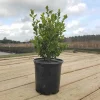
This Leopard Plant live plant (Farfugium gigantea) is provided in a 1-gallon nursery pot, ready for immediate planting. At the time of shipping, the plant typically stands approximately 8-12 inches tall, with a spread of 8-10 inches, depending on seasonal growth. Once established, this vigorous perennial can reach an impressive mature height of 2-3 feet and a similar spread, creating a substantial presence in the garden. The growth rate is moderate, allowing it to fill out its space within a few seasons. The large, rounded leaves are its most prominent feature, often growing up to 18 inches in diameter at maturity. Expect this robust plant to establish quickly and begin showcasing its dramatic foliage within its first year in your garden.
Frequently Asked Questions
- Q: How big does this plant get? A: The Leopard Plant live plant typically reaches a mature height and spread of 2-3 feet, with individual leaves growing up to 18 inches across, creating a truly magnificent display in your garden.
- Q: Is this an indoor or outdoor plant? A: While it can be grown in containers and brought indoors in colder climates, the Leopard Plant (Farfugium gigantea) is primarily an outdoor perennial, best suited for shaded garden beds.
- Q: How much sunlight does it need? A: This plant thrives in partial to full shade. It should be protected from direct afternoon sun, which can scorch its large leaves. Morning sun is generally acceptable.
- Q: Is this plant easy to care for? A: Yes, the giant Leopard Plant is considered low-maintenance once established. Its primary requirements are consistent moisture and shade, making it a great choice for gardeners of all skill levels.
- Q: What condition will it arrive in? A: Your Leopard Plant live plant will arrive securely packaged in a 1-gallon nursery pot, with its roots established and foliage intact, ready for planting.
- Q: Can I grow Farfugium gigantea in a container? A: Absolutely! The Leopard Plant makes an excellent container plant, especially in colder zones where it can be moved indoors during winter. Ensure the container has good drainage.
- Q: What’s the minimum temperature this plant can tolerate? A: This plant is generally hardy in USDA Zones 7-10. In zone 6, it may require winter protection, and in colder zones, it’s best grown as a container plant moved indoors.
- Q: What kind of soil does it prefer? A: The Leopard Plant prefers rich, well-draining soil that is consistently moist. Amending with organic matter like compost is highly beneficial for its growth.
- Q: When is the best time to plant a Leopard Plant? A: Spring or early fall are generally the best times to plant your Leopard Plant live plant, allowing it to establish its root system before extreme heat or cold.
- Q: Is the Leopard Plant deer resistant? A: Yes, the Leopard Plant is generally considered deer resistant, making it a good choice for gardens in areas with deer populations.




Reviews
There are no reviews yet.