Overview
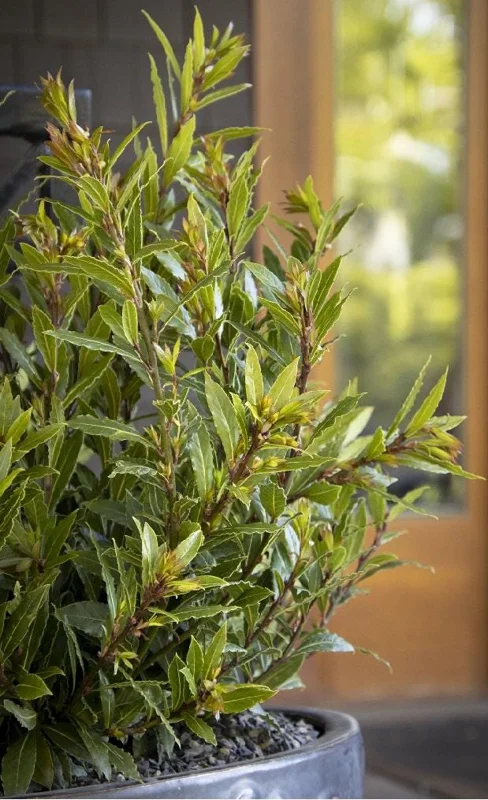
Introduce the timeless elegance and culinary versatility of the sweet bay live plant into your home or garden. This compact variety, often referred to as a little ragu bay tree, is a fantastic choice for both novice and experienced gardeners. Known botanically as Laurus nobilis, the Sweet Bay is cherished for its glossy, aromatic leaves, which are a staple in many cuisines around the world. Our offering is a healthy, vibrant specimen, approximately 1 foot tall, carefully cultivated and ready to thrive. It arrives securely potted in a 6-inch container, ensuring a smooth transition to its new environment. Whether you’re looking to elevate your cooking or simply enjoy the lush greenery, this bay laurel plant is a delightful addition.
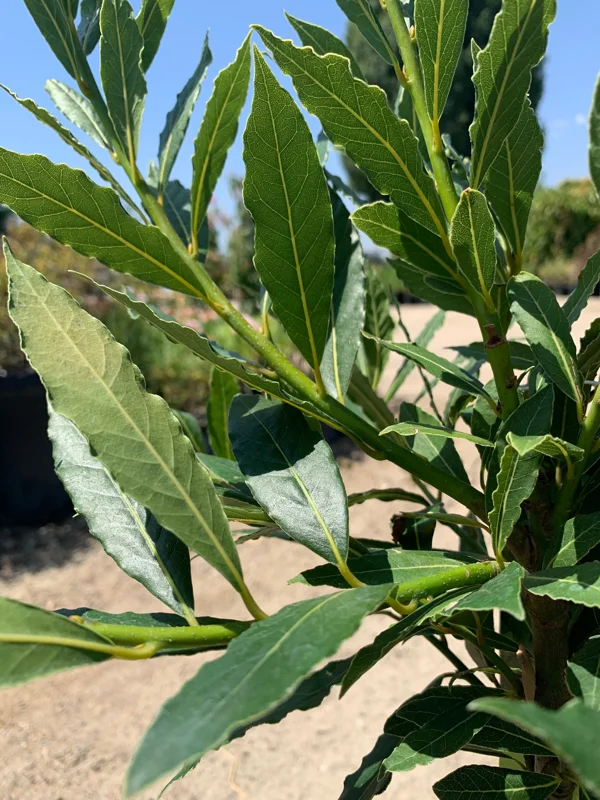
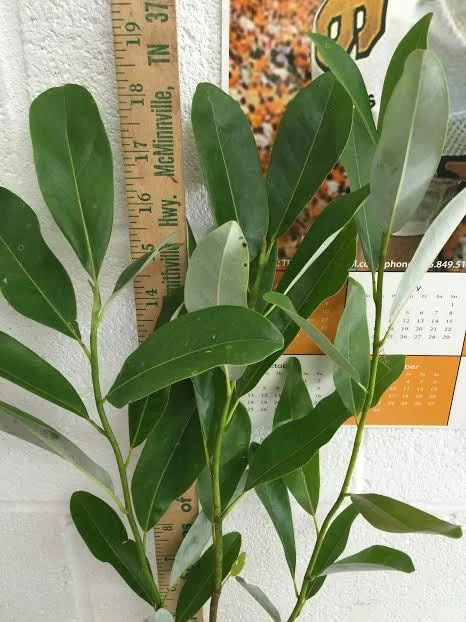
The sweet bay live plant is a slow-growing, evergreen tree or large shrub native to the Mediterranean region. Its dark green, leathery leaves are not only ornamental but also highly prized for their distinct fragrance and flavor, making them essential for stews, soups, and sauces. This particular ‘Little Ragu’ variety is known for its manageable size, making it suitable for container gardening on patios, balconies, or even indoors in a bright spot. It offers year-round beauty and a constant supply of fresh bay leaves, a true kitchen garden hero.
Key Benefits
The sweet bay live plant offers a multitude of benefits, combining aesthetic appeal with practical culinary utility. It’s a plant that truly gives back, enhancing both your living space and your cooking.
- Culinary Excellence: Fresh bay leaves from your own little ragu bay tree provide a superior flavor profile to dried store-bought versions. They impart a subtle, aromatic depth to a wide range of dishes, from classic French and Italian cuisine to hearty American stews. Having a constant supply means you’ll never run out of this essential herb.
- Aromatic Foliage: Beyond cooking, the leaves of the bay laurel plant release a pleasant, slightly spicy fragrance when brushed or crushed, contributing to a refreshing atmosphere indoors or out. This natural aroma can act as a gentle air freshener.
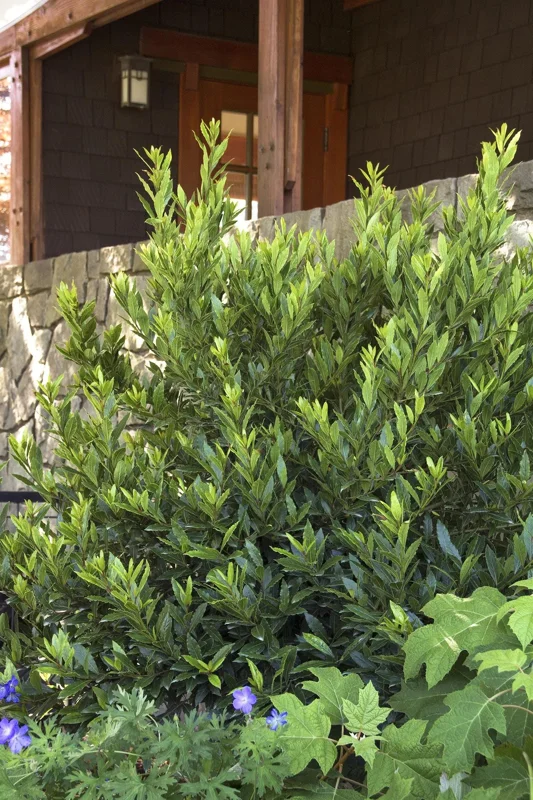
- Ornamental Value: With its dense, evergreen foliage and neat growth habit, the sweet bay live plant makes an attractive specimen plant. It can be easily shaped and pruned into various forms, adding a touch of classical elegance to any garden, patio, or indoor setting.
- Low Maintenance: Once established, this laurus nobilis plant is surprisingly resilient and requires minimal care. It tolerates a range of conditions and is relatively pest and disease resistant, making it ideal for busy gardeners.
- Versatile Growing: This plant thrives equally well in containers, allowing for portability and protection in colder climates, or planted directly in the ground in suitable zones. Its adaptability makes it a versatile choice for various gardening styles.
- Year-Round Greenery: As an evergreen, the sweet bay live plant maintains its lush green leaves throughout the year, providing continuous beauty and structure even during winter months when other plants may be dormant.
- Potential Health Benefits: Traditionally, bay leaves have been used in herbal remedies for their digestive and anti-inflammatory properties, adding another dimension to the value of this remarkable herb.
Plant Care & Growing Tips
Caring for your sweet bay live plant is relatively straightforward, ensuring you’ll enjoy its beauty and bounty for years to come. This plant prefers a location with full sun to partial shade. If growing indoors, place it near a south or west-facing window where it can receive at least 4-6 hours of direct sunlight daily. Outdoors, it can handle full sun in cooler climates but appreciates some afternoon shade in hotter regions to prevent leaf scorch. Ensure good air circulation to prevent fungal issues.
When it comes to watering, the little ragu bay tree prefers consistently moist, but not waterlogged, soil. Allow the top inch or two of soil to dry out between waterings. Overwatering can lead to root rot, so good drainage is crucial. During active growth in spring and summer, you may need to water more frequently, while reducing frequency in the cooler months. A well-draining potting mix is essential for container-grown plants. Fertilize your bay laurel plant sparingly. A balanced liquid fertilizer diluted to half strength can be applied every 4-6 weeks during the spring and summer growing season. Avoid fertilizing in fall and winter when the plant’s growth slows.
The laurus nobilis plant is generally hardy in USDA Zones 8-10. In colder climates, it’s best grown in containers and brought indoors before the first frost. Protect it from strong winds, which can damage the leaves. Pruning can be done to maintain its shape and size, especially if you wish to keep it compact or train it as a topiary. Pruning also encourages bushier growth and provides you with more fresh leaves. Watch out for common pests like scale insects or mealybugs, and treat them promptly with insecticidal soap if observed.
Size & Details
This sweet bay live plant arrives as a healthy, actively growing specimen, approximately 1 foot (12 inches) tall from the base of the pot to the top of the foliage. It is carefully nurtured and shipped in a sturdy 6-inch nursery pot, providing ample space for its initial growth and ensuring its roots are well-established for transplanting. The plant’s growth rate is moderate, and with proper care, it can reach a mature height of 4-8 feet when grown in a container, or significantly larger if planted in the ground in suitable climates. The sweet bay herb plant is a long-lived perennial, offering years of enjoyment and culinary use.
Our plants are carefully packaged to minimize stress during transit, ensuring your little ragu bay tree arrives in excellent condition, ready to thrive in its new home. The 6-inch pot provides a good foundation for continued growth, and you can choose to keep it in this pot for a while or transplant it into a larger container or directly into your garden. Expect to enjoy fresh, aromatic bay leaves from your plant shortly after it settles into its new environment.
Frequently Asked Questions
- Q: How big does this plant get? A: This sweet bay live plant is approximately 1 foot tall upon arrival. When mature, it can reach 4-8 feet in a container or up to 20 feet if planted in the ground in appropriate climates, though it can be kept smaller with pruning.
- Q: What size pot does it come in? A: The laurus nobilis plant is shipped in a 6-inch nursery pot, ready for you to enjoy or transplant into a larger container or garden bed.
- Q: Is this an indoor or outdoor plant? A: The sweet bay live plant can be grown both indoors and outdoors. In USDA Zones 8-10, it thrives outdoors year-round. In colder zones, it’s best grown in a container and brought indoors during winter.
- Q: How much sunlight does it need? A: This bay laurel plant prefers full sun to partial shade, ideally receiving at least 4-6 hours of direct sunlight daily. Provide some afternoon shade in very hot climates.
- Q: Is this plant easy to care for? A: Yes, the little ragu bay tree is considered relatively easy to care for. It’s drought-tolerant once established and generally pest-resistant, making it a good choice for beginners.
- Q: Can I use the leaves for cooking? A: Absolutely! The leaves of this sweet bay herb plant are perfect for culinary use. They add a rich, aromatic flavor to soups, stews, sauces, and roasts.
- Q: Is it pet-safe? A: Bay laurel leaves are generally considered mildly toxic to pets if ingested in large quantities. It’s best to keep the plant out of reach of curious pets.
- Q: When is the best time to plant? A: You can plant the sweet bay live plant any time of year if growing in a container indoors. If planting outdoors, spring or early fall are ideal to allow roots to establish before extreme temperatures.





Reviews
There are no reviews yet.