Overview
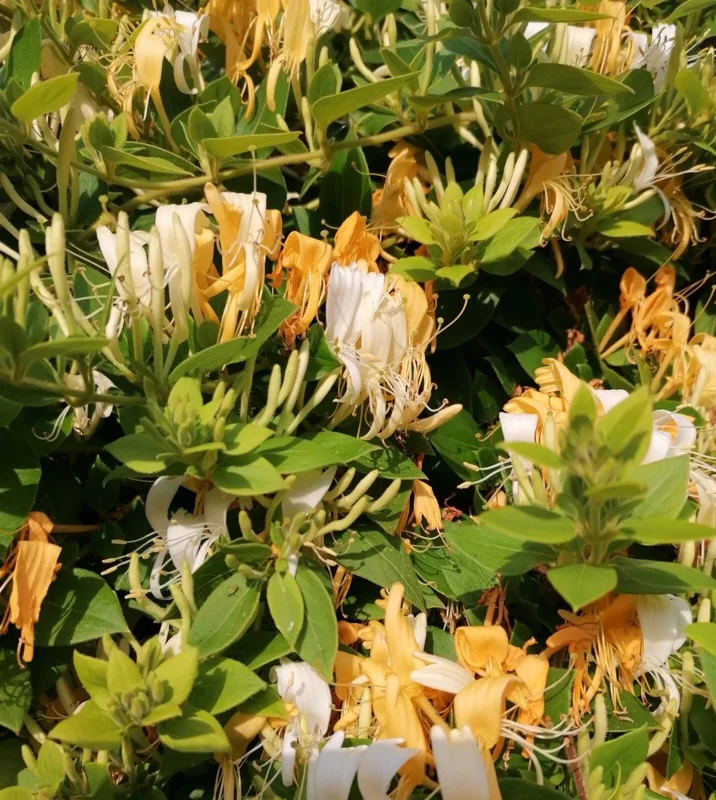
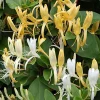
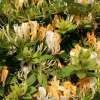
Introduce a cascade of color and intoxicating scent to your outdoor space with the Lonicera Japonica Honeysuckle Vine. This vigorous and adaptable climbing plant, also known as Japanese Honeysuckle, is celebrated for its rapid growth and prolific blooms. Producing delicate, creamy yellow flowers that fade to white, the Lonicera Japonica Honeysuckle Vine offers a truly sensory experience, filling the air with its sweet perfume, especially in the evening. It’s a fantastic choice for gardeners looking to quickly establish a beautiful, low-maintenance screen or groundcover, and its charming flowers are a magnet for local wildlife, including hummingbirds and butterflies. This starter plant, typically 6-10 inches tall, provides a healthy foundation for a thriving vine.
Key Benefits
The Lonicera Japonica Honeysuckle Vine is much more than just a pretty face; it offers a multitude of advantages for any garden. Its fast-growing nature means you won’t wait long to enjoy its full beauty and benefits. This fragrant honeysuckle plant transforms ordinary spaces into aromatic havens, enhancing your outdoor living experience.
- Beautiful & Fragrant Blooms: Enjoy a profusion of creamy yellow flowers throughout the growing season, emitting a delightful, sweet fragrance that sweetens the air, especially during warmer evenings.
- Attracts Pollinators: The trumpet-shaped flowers are irresistible to hummingbirds, butterflies, and bees, making your garden a lively and biodiverse sanctuary.
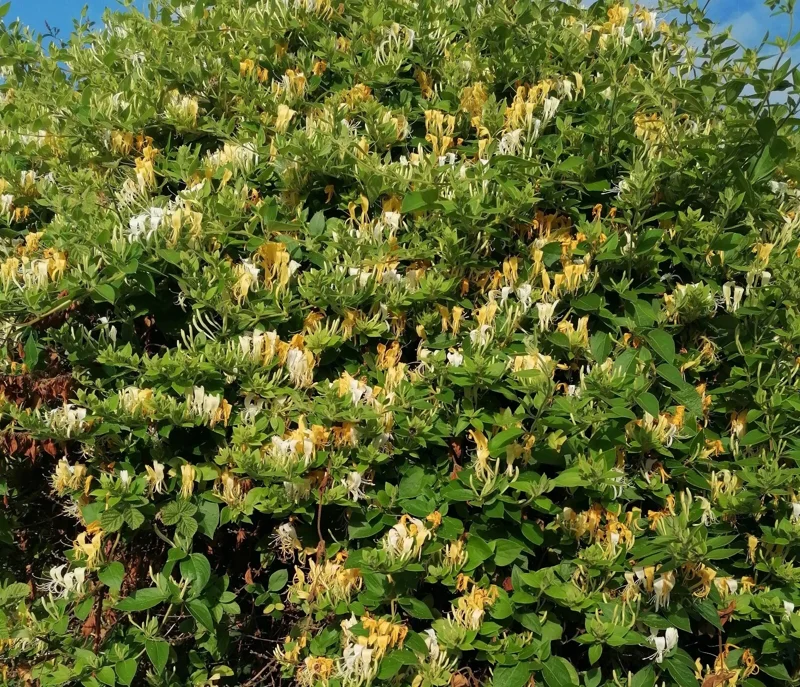
- Fast-Growing & Vigorous: Ideal for quickly covering fences, trellises, arbors, or acting as a robust groundcover, providing instant appeal and privacy.
- Low Maintenance: Once established, this Lonicera Japonica Honeysuckle Vine is remarkably resilient and requires minimal care, thriving in a variety of conditions.
- Erosion Control: Its extensive root system makes it an excellent choice for stabilizing slopes and preventing soil erosion in challenging landscape areas.
- Versatile Landscaping: Equally effective as a climbing ornamental, a sprawling groundcover, or even trained into a shrub-like form with proper pruning.
- Drought Tolerant: Exhibits good drought tolerance once mature, reducing the need for frequent watering in established gardens.
Plant Care & Growing Tips
Caring for your Lonicera Japonica Honeysuckle Vine is straightforward, making it a rewarding plant for both novice and experienced gardeners. For optimal growth and flowering, select a location that receives full sun to partial shade. Full sun (at least 6 hours of direct sunlight per day) will encourage the most abundant blooms, while partial shade can be tolerated, especially in hotter climates, though flowering may be slightly reduced. This climbing vine plant is adaptable to various soil types but thrives best in well-draining soil that is rich in organic matter. Avoid heavy, waterlogged soils, as this can lead to root rot. If your soil is clay-heavy, amend it with compost or sand to improve drainage.
Water your newly planted honeysuckle regularly to help it establish a strong root system. Once established, it is fairly drought-tolerant but will benefit from deep watering during prolonged dry spells. Fertilize in early spring with a balanced, slow-release granular fertilizer formulated for flowering vines. Pruning is essential for managing the growth of Japanese honeysuckle care and encouraging bushier growth and more flowers. The best time to prune is late winter or early spring before new growth begins. Remove any dead, damaged, or overcrowded stems, and cut back overly long vines to maintain desired size and shape. This honeysuckle is hardy in USDA zones 4-9 and is known for its resilience.
Size & Details
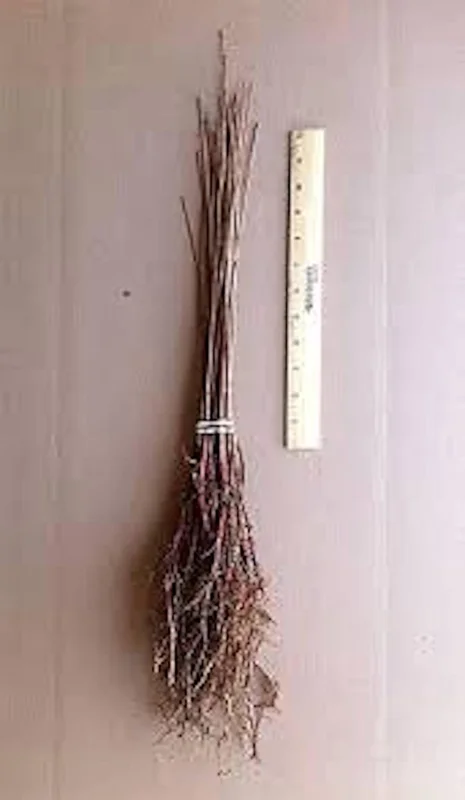
This offering is for one Lonicera Japonica Honeysuckle Vine starter plant, typically measuring between 6-10 inches in height upon arrival. This size provides a robust young plant ready for transplanting into your garden or a larger container. As a vigorous climbing vine plant, it can grow rapidly, reaching lengths of 15-30 feet or more, depending on growing conditions and support structures. It will spread to cover an area of 6-15 feet if allowed to ramble as a groundcover. The plant is shipped in a dormant or semi-dormant state, especially outside of peak growing season, ensuring it handles transit well and is ready to burst with growth once planted in its new home. Expect vibrant growth and the first fragrant blooms within the first season after planting.
Frequently Asked Questions
- Q: How big does this plant get? A: The Lonicera Japonica Honeysuckle Vine is a vigorous climber that can reach lengths of 15-30 feet or more, especially when given a strong support structure. As a groundcover, it can spread 6-15 feet.
- Q: Is this an indoor or outdoor plant? A: This honeysuckle is primarily an outdoor plant, thriving in garden settings where it can climb or spread. It requires ample space and sunlight to flourish.
- Q: How much sunlight does it need? A: For the best flowering and growth, the fragrant honeysuckle plant prefers full sun (6+ hours of direct sunlight daily) but can tolerate partial shade, particularly in hot afternoon sun.
- Q: Is this plant easy to care for? A: Yes, Japanese honeysuckle care is generally considered low-maintenance once established. It’s quite resilient and adaptable to various conditions.
- Q: What condition will it arrive in? A: Your Lonicera Japonica Honeysuckle Vine will arrive as a healthy starter plant, typically 6-10 inches tall, ready for planting. It may be dormant depending on the season.
- Q: How long until it blooms? A: With proper care, you can expect to see the first creamy yellow honeysuckle flowers during its first growing season after planting.
- Q: What’s the minimum temperature it can tolerate? A: This honeysuckle is quite hardy and can survive winter temperatures down to USDA Zone 4, tolerating temperatures well below freezing.
- Q: What type of soil does it prefer? A: It prefers well-draining soil that’s rich in organic matter. Avoid waterlogged conditions to ensure healthy root development.
- Q: Can I grow the creamy yellow honeysuckle in a pot? A: While possible, this vigorous vine requires a very large container and frequent watering/pruning to thrive in a potted environment due to its extensive root system and growth habit.
- Q: Does this plant attract beneficial insects? A: Absolutely! The fragrant flowers of this climbing vine plant are a favorite of hummingbirds, butterflies, and bees, making it excellent for pollinator gardens.




Reviews
There are no reviews yet.