Overview
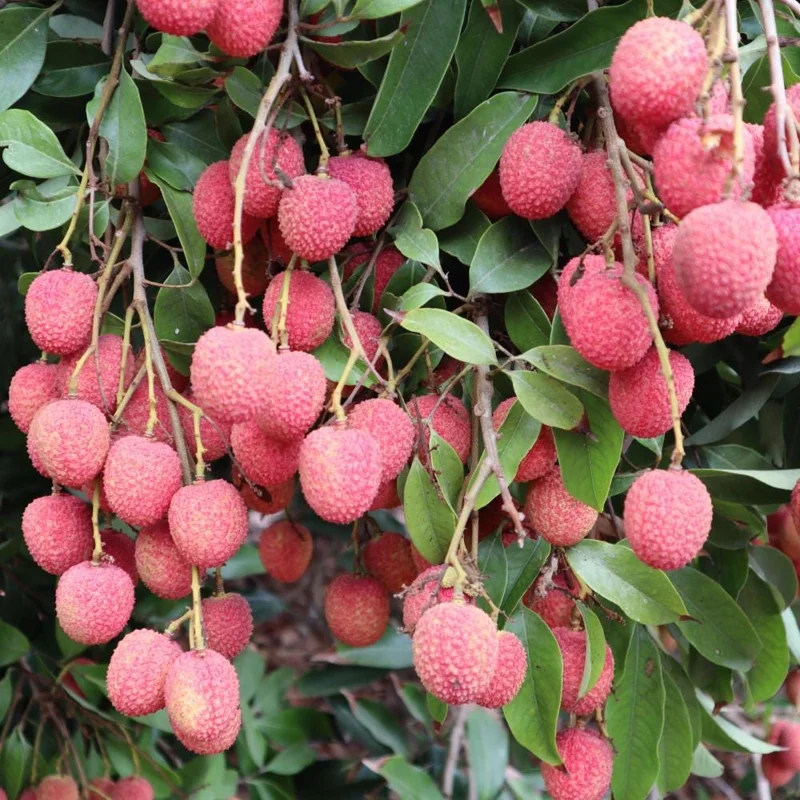
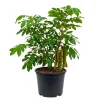
Embark on a rewarding gardening journey with this exquisite lychee live plant. This tropical fruit tree, known botanically as Litchi chinensis, is celebrated for its juicy, fragrant, and sweet red fruit. Originating from Southeast Asia, the lychee tree has captivated palates worldwide, and now you can grow your own. This particular specimen is a healthy 10-12 inch tall plant, ready to establish itself in your outdoor garden or orchard. While it requires patience, typically bearing fruit in 3-5 years, the reward of fresh, homegrown lychees is truly unparalleled. Imagine harvesting clusters of these delightful fruits right from your backyard, offering a taste of the tropics.
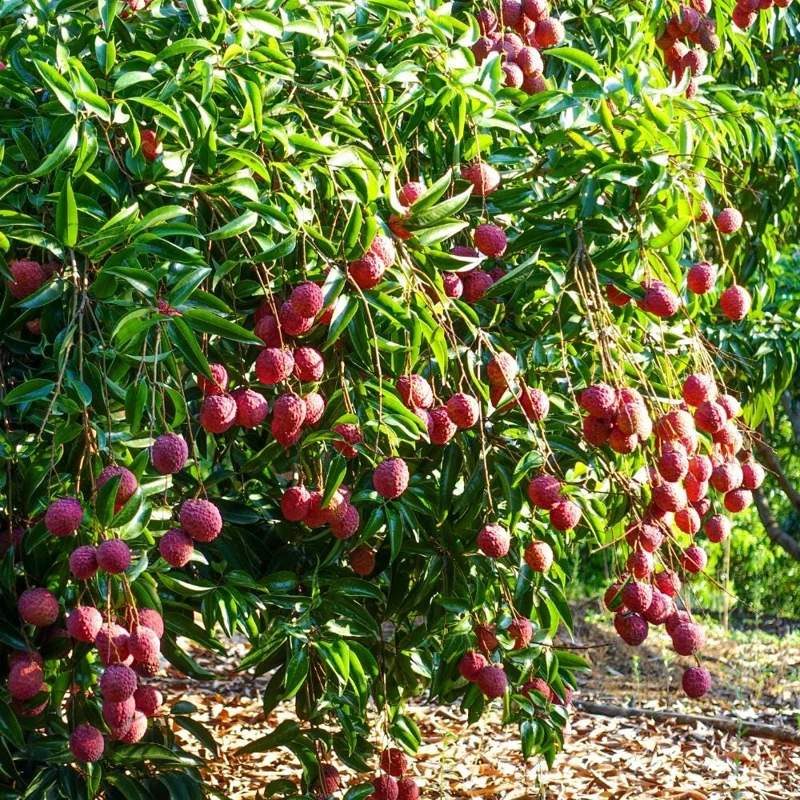
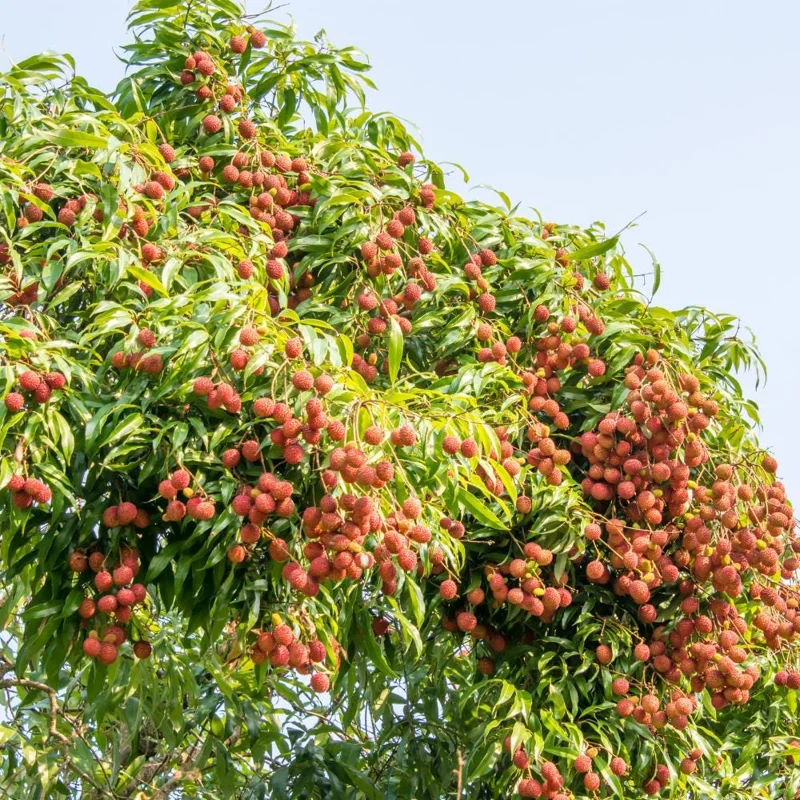
The lychee fruit tree is not just a producer of delicious fruit; it also makes an attractive addition to any landscape with its dense, evergreen foliage. It thrives in warm, humid climates and is a fantastic choice for gardeners in suitable hardiness zones. Cultivating an outdoor lychee plant allows you to enjoy the full growth potential of this magnificent tree, which can reach substantial heights when mature. With proper care and the right conditions, your lychee tree will become a cherished part of your garden, providing both beauty and bounty.
Key Benefits
Growing your own lychee tree offers a multitude of benefits, from the sheer joy of fresh fruit to enhancing your garden’s aesthetic and ecological value. This lychee live plant brings the exotic flavors of the tropics directly to your home.
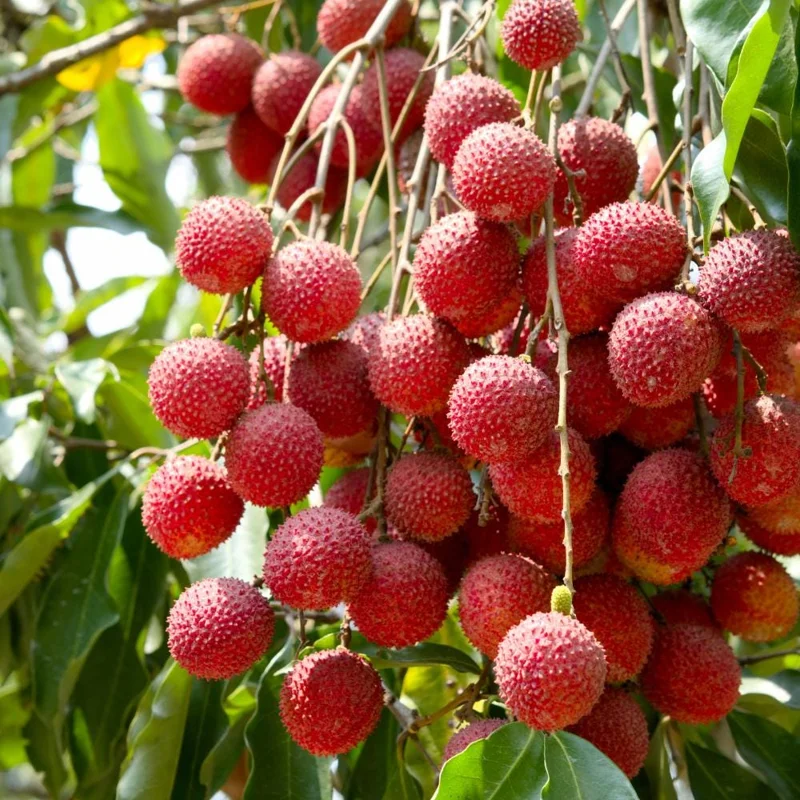
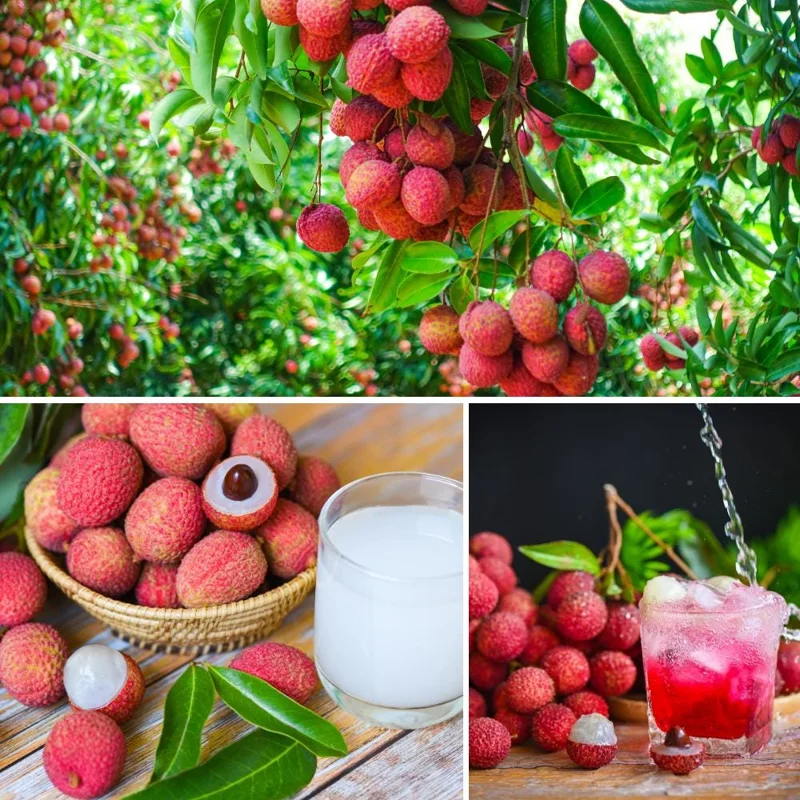
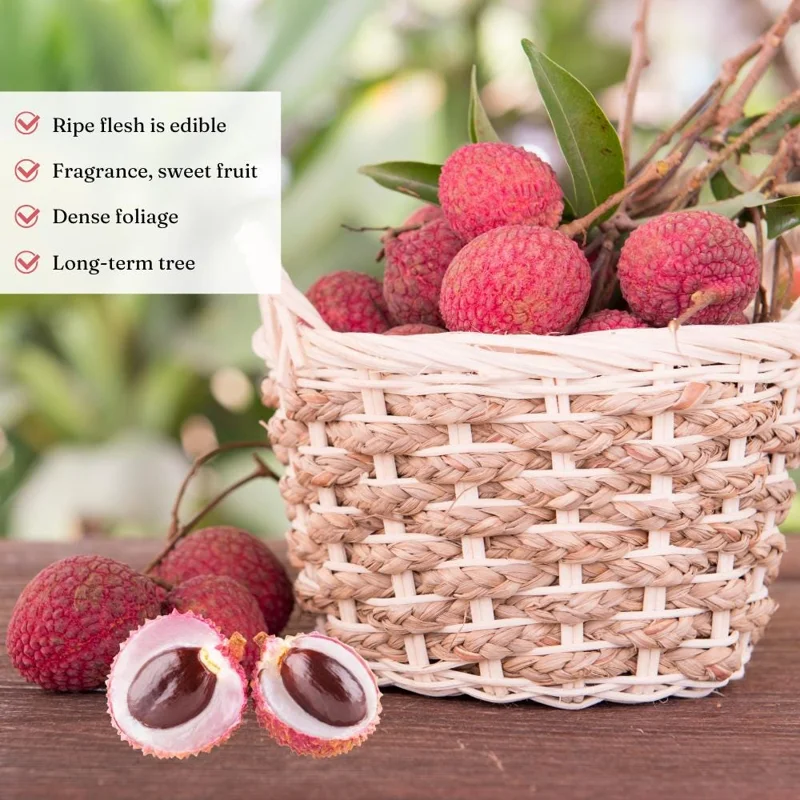
- Homegrown Sweet Fruit: Enjoy the distinct, aromatic, and juicy taste of sweet red lychee fruit, harvested fresh from your own tree. These fruits are a delightful treat, perfect for snacking, desserts, or adding to beverages.
- Attractive Landscape Addition: With its lush, evergreen leaves and eventual canopy, the lychee fruit tree serves as an ornamental plant, adding a touch of tropical elegance to your garden or orchard.
- Long-Term Investment: Once established, these trees are long-lived and can provide a consistent harvest for many decades, making it a valuable addition to your property.
- Unique Gardening Experience: Cultivating a tropical fruit tree like the lychee offers a unique and satisfying gardening challenge, expanding your horticultural skills and knowledge.
- Health Benefits: Lychees are rich in Vitamin C, antioxidants, and other beneficial compounds, contributing to a healthy diet.
- Shade and Shelter: A mature outdoor lychee plant can provide excellent shade during hot summer months, creating a comfortable outdoor living space.
- Pollinator Friendly: Lychee flowers attract bees and other pollinators, contributing to the biodiversity and health of your local ecosystem.
Plant Care & Growing Tips
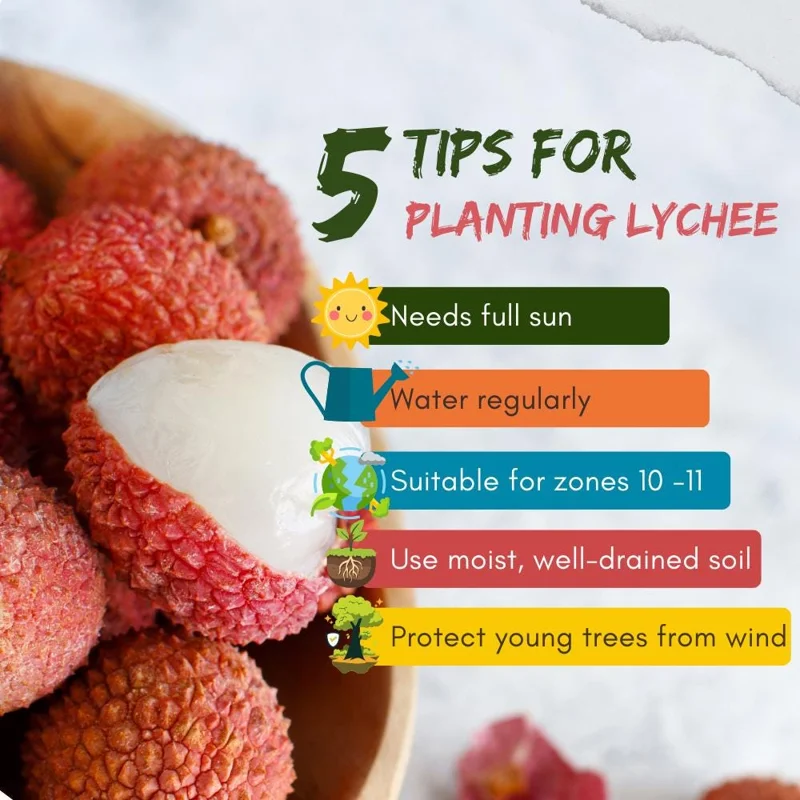
To ensure your lychee live plant thrives and eventually yields abundant fruit, understanding its specific care requirements is crucial. Lychee trees are tropical and prefer consistent warmth and humidity. They are best suited for outdoor planting in USDA Hardiness Zones 10 to 11. In cooler climates, they can be grown in containers and brought indoors during winter, though fruiting may be less prolific.
Sunlight Requirements: Lychee trees require full sunlight to flourish and produce fruit. This means at least 6-8 hours of direct sun exposure per day. Choose a location in your garden that receives ample sunlight throughout the day. For young plants, some protection from intense afternoon sun may be beneficial in extremely hot climates to prevent leaf scorch. Proper light is essential for the development of the sweet red lychee fruit.
Watering: Consistent moisture is vital for lychee trees, especially during their establishment phase and fruit development. Water regularly, ensuring the soil remains consistently moist but not waterlogged. Deep watering is preferred, allowing the water to penetrate the root zone. Reduce watering slightly during cooler months. Good drainage is paramount; standing water can lead to root rot. Monitoring soil moisture with a finger test is a good practice.
Soil Type and Drainage: Lychee trees prefer slightly acidic to neutral soil (pH 6.0-7.0) that is rich in organic matter and well-draining. A loamy soil mix is ideal. If your soil is heavy clay, amend it with compost, peat moss, or sand to improve drainage and aeration. Raised beds can also be an excellent option for areas with poor drainage. The health of your lychee fruit tree greatly depends on appropriate soil conditions.
Temperature and Hardiness: As tropical plants, lychees are sensitive to cold. They thrive in temperatures between 68-95°F (20-35°C). They can tolerate brief drops to 30-32°F (around 0°C) when mature, but young trees are more vulnerable to frost damage. Protect young plants from cold snaps with frost cloths or by bringing container-grown plants indoors. This attention to temperature is key for successful lychee tree care.
Fertilization: Fertilize your lychee tree regularly during the growing season (spring and summer) with a balanced fertilizer formulated for fruit trees or acid-loving plants. Look for a fertilizer with a slightly higher potassium content to encourage fruiting. Follow package instructions for application rates. Avoid fertilizing in late fall or winter when the tree is dormant. Micronutrients like iron, zinc, and manganese are also important for healthy growth.
Pruning: Prune your lychee tree to maintain a manageable size, remove dead or diseased branches, and encourage a strong framework for fruit production. Light pruning can be done after harvest. Avoid heavy pruning as it can reduce the following year’s crop. Proper pruning also improves air circulation within the canopy, which helps prevent fungal diseases. This contributes to overall lychee tree care.
Size & Details
This offering is for one lychee live plant, standing approximately 10-12 inch tall from the base of the pot to the top of the foliage. It ships as a healthy, actively growing specimen, carefully packaged to ensure its safe arrival. While this plant is currently young, a mature lychee fruit tree can reach an impressive height of 30 to 40 feet tall, forming a dense, rounded canopy. The growth rate is moderate, and with optimal conditions, you can expect steady development.
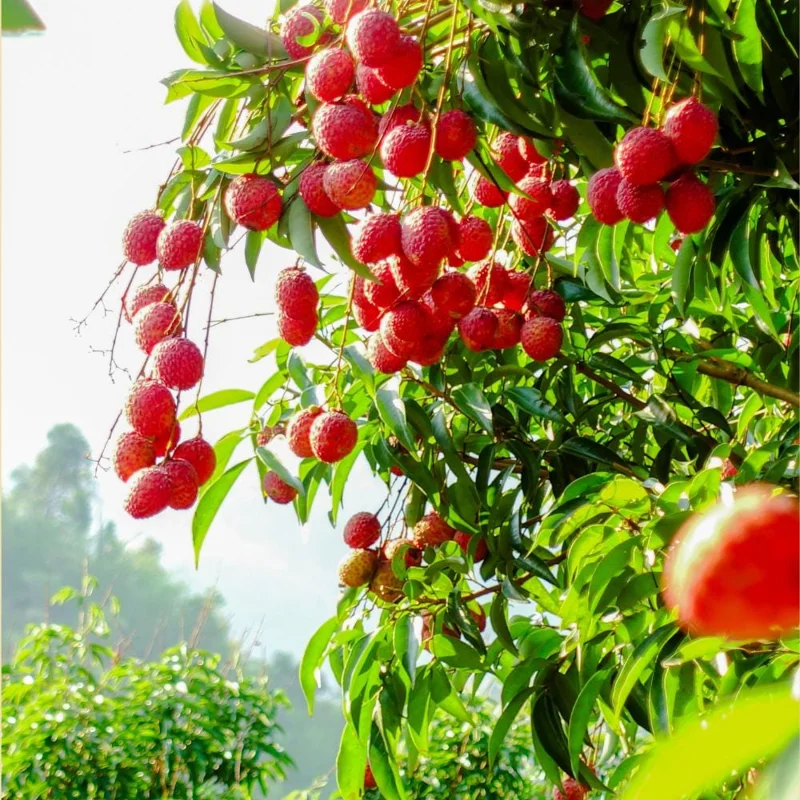
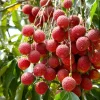
Lychee trees typically begin to bear fruit within 3 to 5 years of planting, with increasing yields as the tree matures. The fruit, known for its vibrant sweet red lychee skin, develops in clusters, usually ripening in late spring or early summer, depending on the specific variety and climate. This outdoor lychee plant is shipped in a nursery pot, ready for transplanting into a larger container or directly into your garden. The exact pot size may vary but will be appropriate for the plant’s current height and root system.
Frequently Asked Questions
- Q: How big does this lychee live plant get when mature? A: A mature lychee fruit tree can reach an impressive height of 30 to 40 feet tall, with a broad canopy, especially when planted directly in the ground in suitable climates.
- Q: What size pot does the lychee plant come in? A: The lychee live plant is shipped in a nursery pot appropriate for its 10-12 inch tall size, typically a 4-6 inch diameter container, ready for transplanting.
- Q: Is this an indoor or outdoor lychee plant? A: This is primarily an outdoor lychee plant, thriving in warm, tropical to subtropical climates (USDA Zones 10-11). It can be grown in containers and brought indoors during winter in cooler regions, but it performs best outdoors.
- Q: How much sunlight does a lychee tree need? A: Lychee trees require full sunlight, meaning at least 6-8 hours of direct sun exposure daily, to ensure healthy growth and optimal fruit production of sweet red lychee.
- Q: Is this plant easy to care for? A: Lychee trees require specific conditions, including full sun, consistent watering, and well-draining, slightly acidic soil. While not difficult for experienced gardeners, new growers should research lychee tree care thoroughly.
- Q: What condition will the lychee plant arrive in? A: Your lychee live plant will arrive carefully packaged, healthy, and actively growing, ready for you to plant and nurture.
- Q: How long until this lychee live plant starts bearing fruit? A: Lychee trees typically start bearing fruit in 3-5 years after planting, with yields increasing as the tree matures.
- Q: When is the best time to plant an outdoor lychee plant? A: The best time to plant an outdoor lychee plant is in spring or early summer, after the last threat of frost, allowing it ample time to establish before cooler temperatures.
- Q: Will a lychee tree survive winter in my zone? A: Lychee trees are tropical and are hardy only in USDA Zones 10-11. In zones below 10, they will need protection from frost or should be grown in containers and moved indoors during winter.
- Q: What is the minimum temperature a lychee tree can tolerate? A: Mature lychee trees can tolerate brief drops to around 30-32°F (0°C). Young trees are more sensitive and can be damaged by temperatures below 40°F (4°C).





Reviews
There are no reviews yet.