Overview
Bring the joy of homegrown kiwi to your garden with this vibrant male kiwi plant live. Standing 6–12 inches tall at shipping, this young vine is ready to establish itself and become a crucial component for successful kiwi fruit production. While male kiwi plants do not bear fruit themselves, they are indispensable pollinators for female kiwi vines, ensuring a plentiful harvest of delicious, fresh kiwi. This particular hardy kiwi vine is known for its vigorous growth and adaptability, making it an excellent choice for a variety of garden settings. Its climbing nature makes it perfect for training along trellises, arbors, or fences, adding both ornamental beauty and practical value to your outdoor space. Invest in a kiwi plant for trellis systems and enjoy the lush greenery and the promise of future fruit.
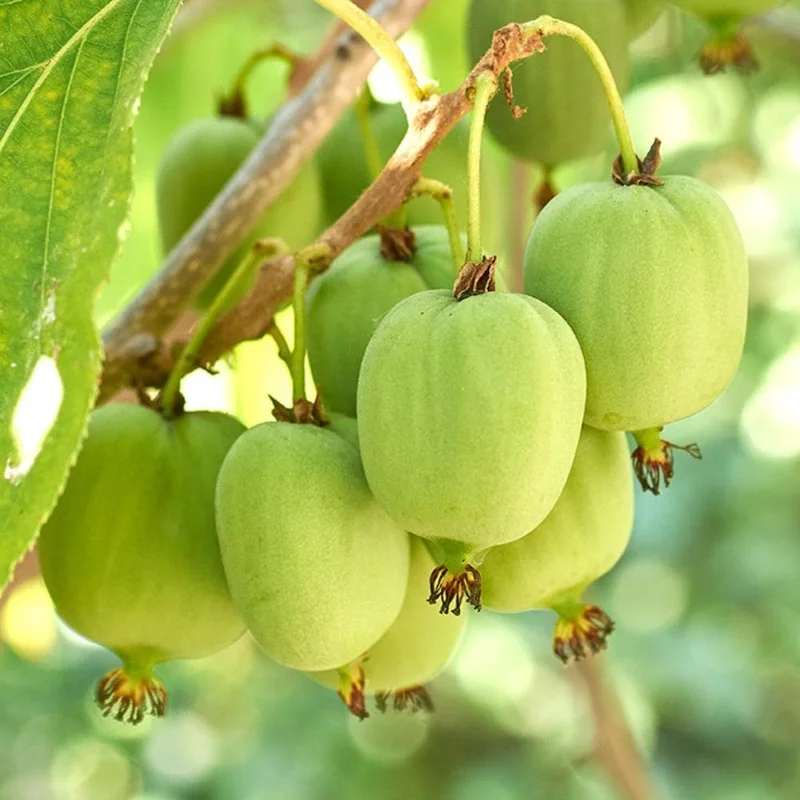
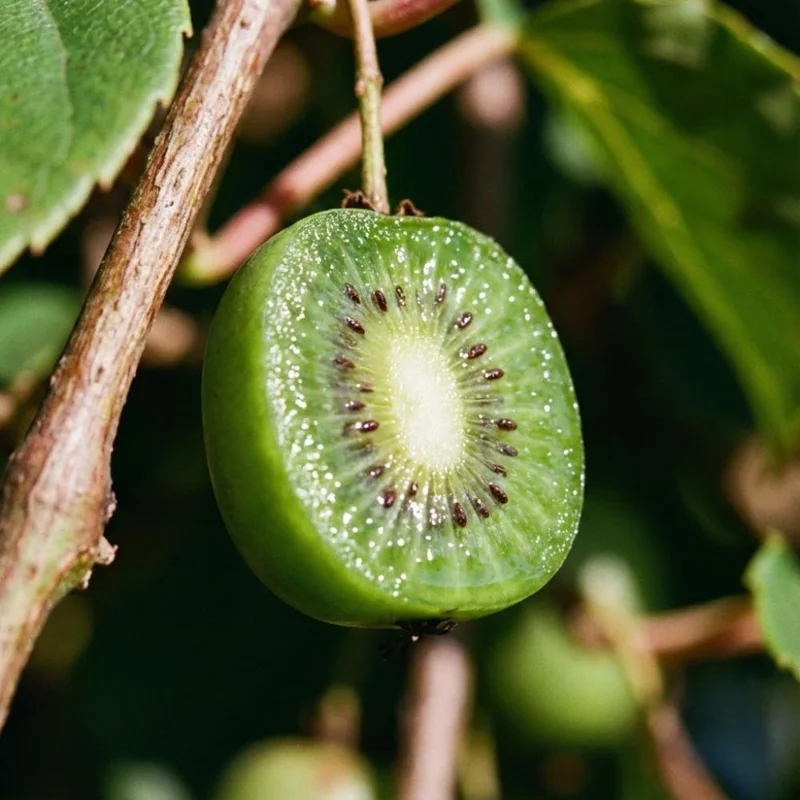
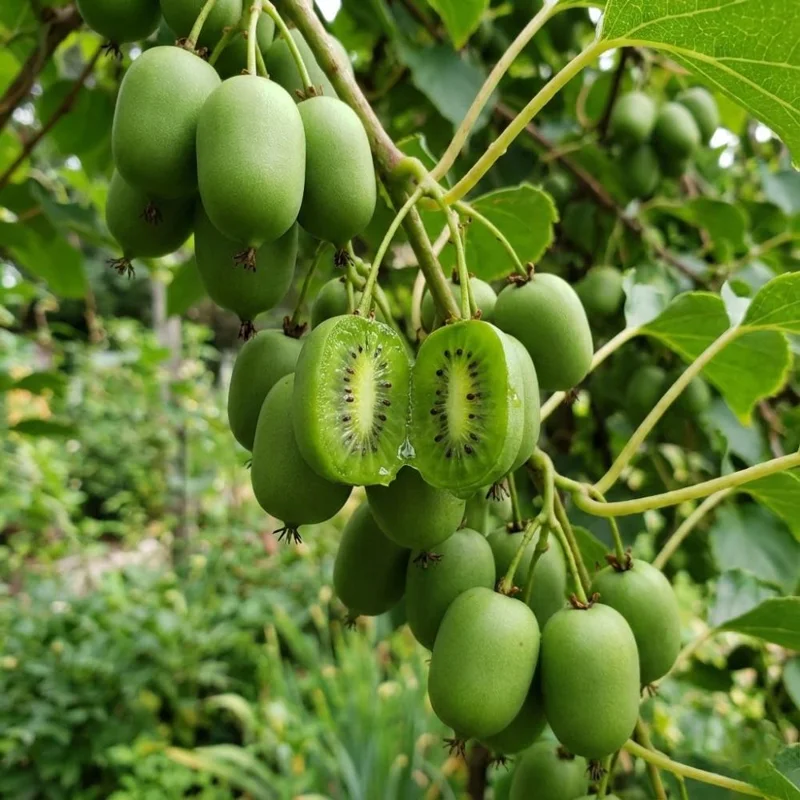
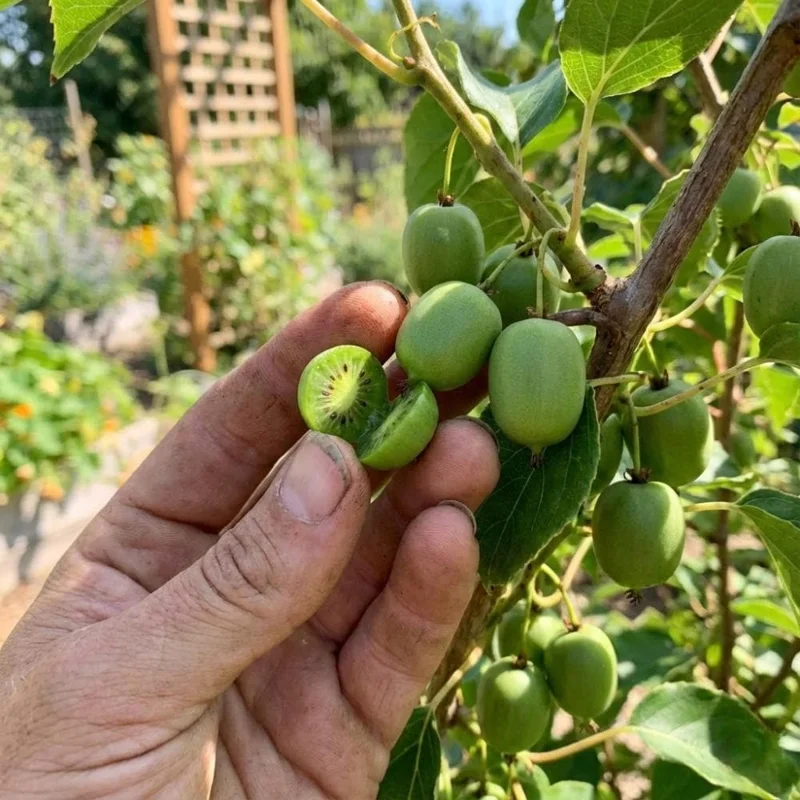
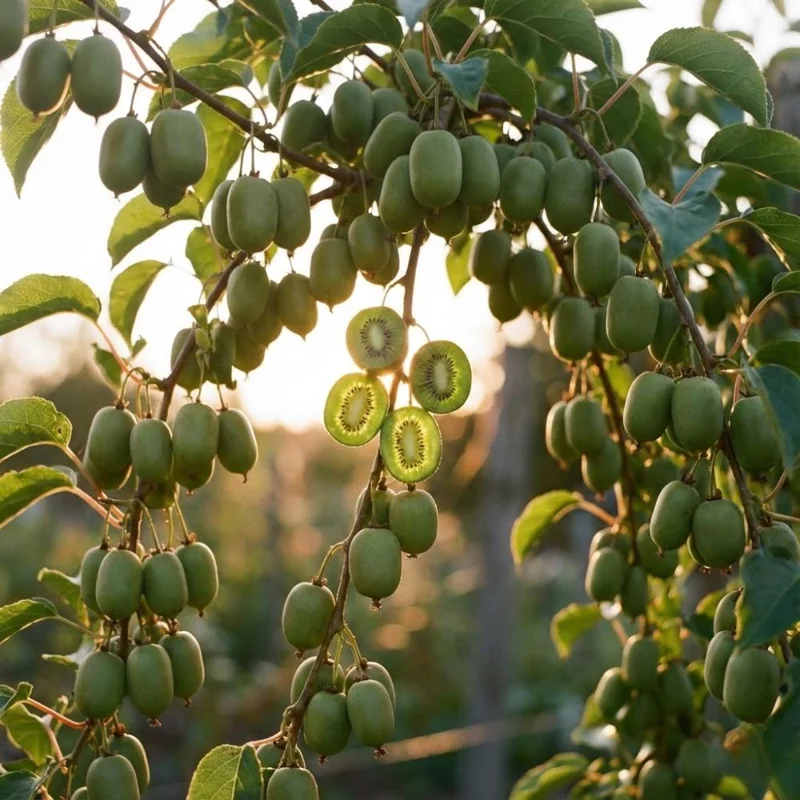
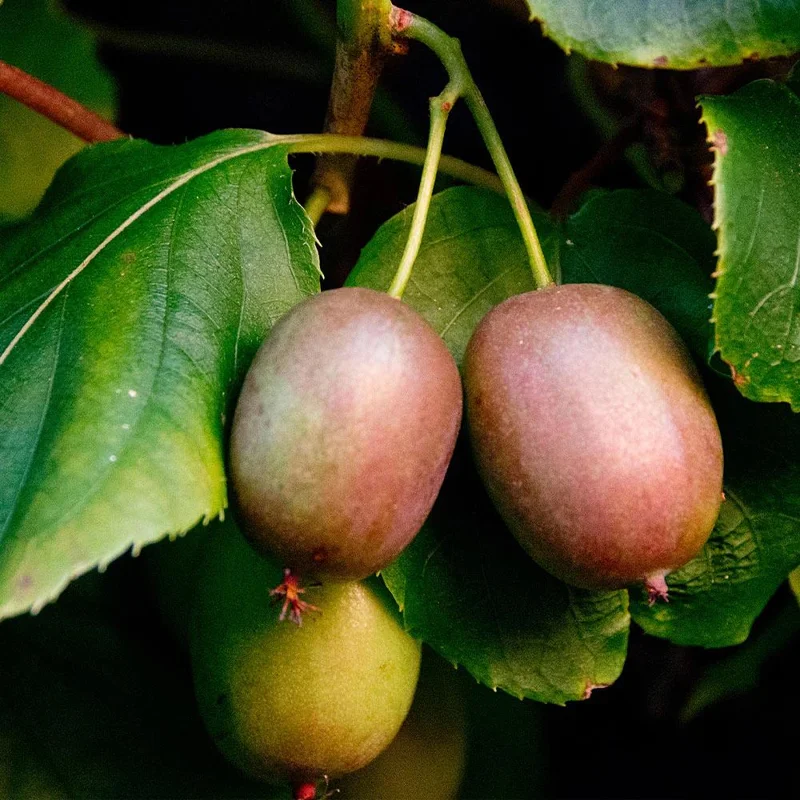
Known scientifically as Actinidia arguta, the hardy kiwi is distinct from the common fuzzy kiwi (Actinidia deliciosa) and is prized for its smooth-skinned, grape-sized fruits. This male kiwi plant live specimen will contribute to the pollination needed for those delightful, bite-sized treats. With proper care and a suitable support structure, this vine will thrive, providing years of lush growth and ensuring your female kiwi plants produce abundant, sweet fruit. It’s an exciting addition for any gardener looking to expand their edible landscape.
Key Benefits
Adding a male kiwi plant to your garden offers numerous advantages, primarily ensuring the successful pollination and fruiting of female kiwi vines. Beyond its pollinator role, this plant provides aesthetic and ecological benefits:
Essential Pollination: This male kiwi plant live is vital for the development of fruit on female kiwi vines. Without a male pollinator, female plants will not produce fruit, making this an indispensable addition for any kiwi grower.
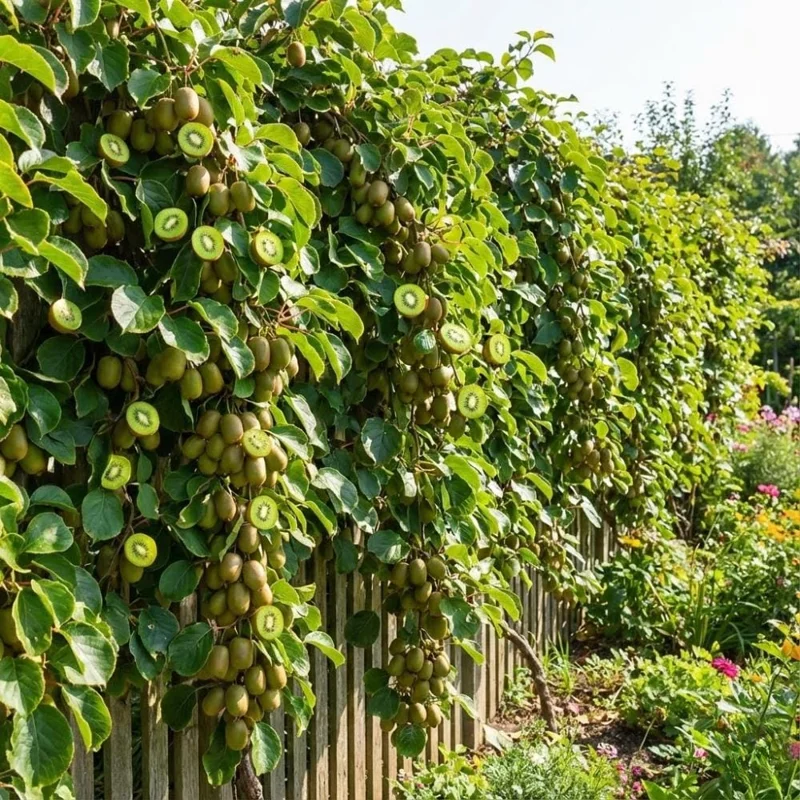
Vigorous Growth: Known for its robust and rapid growth, this hardy kiwi vine quickly establishes itself, covering trellises, arbors, or fences with dense, attractive foliage, creating a beautiful green screen.
Low Maintenance: Once established, hardy kiwi vines require relatively little care. They are resilient and can tolerate a range of conditions, making them suitable for busy gardeners.
Landscape Enhancement: The lush green leaves and climbing habit of this kiwi plant for trellis applications add significant aesthetic value to your garden, creating shaded areas or decorative features.
Hardy & Adaptable: These plants are generally quite cold-hardy, thriving in a wide range of USDA zones and adapting well to various soil types, ensuring success in many climates.
Supports Biodiversity: The flowers, though not fruit-bearing on male plants, attract pollinators to your garden, benefiting not only your kiwi plants but other flowering plants as well.
Plant Care & Growing Tips
Caring for your male kiwi plant live is straightforward, ensuring it grows into a strong, healthy pollinator for your female vines. Proper siting, watering, and pruning are key to its success. Begin by selecting a location that receives full sun to partial shade; at least 6-8 hours of direct sunlight is ideal for optimal growth and flowering. The soil should be well-draining, slightly acidic to neutral (pH 5.0-7.0), and rich in organic matter. Before planting, amend heavy clay soils with compost or peat moss to improve drainage and aeration. Dig a hole twice as wide as the root ball and just as deep, gently spreading the roots before backfilling with soil.
Water your young hardy kiwi vine regularly, especially during its first year, to help it establish a strong root system. The soil should be consistently moist but not waterlogged. Once established, mature kiwi plants are somewhat drought-tolerant but will benefit from deep watering during dry spells. Fertilize in early spring with a balanced, slow-release granular fertilizer or an organic compost. Avoid over-fertilizing, as this can lead to excessive foliage growth at the expense of flowering. Pruning is essential for managing growth and promoting good air circulation. In late winter or early spring, before new growth begins, prune out dead, damaged, or crossing branches. You can also thin out some of the older, less productive wood to encourage new growth. Understanding male kiwi plant care will lead to a thriving, productive vine.
Hardy kiwi vines are generally resilient, performing well in USDA Zones 4–8, depending on the specific variety. Protect young plants from late spring frosts, which can damage new growth. Provide a robust support structure, such as a strong trellis, arbor, or fence, for the vine to climb. Guide the main shoots onto the support as they grow. While generally disease-resistant, monitor for common pests like aphids or spider mites and treat if necessary with organic insecticidal soaps. With consistent care, your actinidia arguta male plant will flourish and fulfill its role as a vital pollinator.
Size & Details
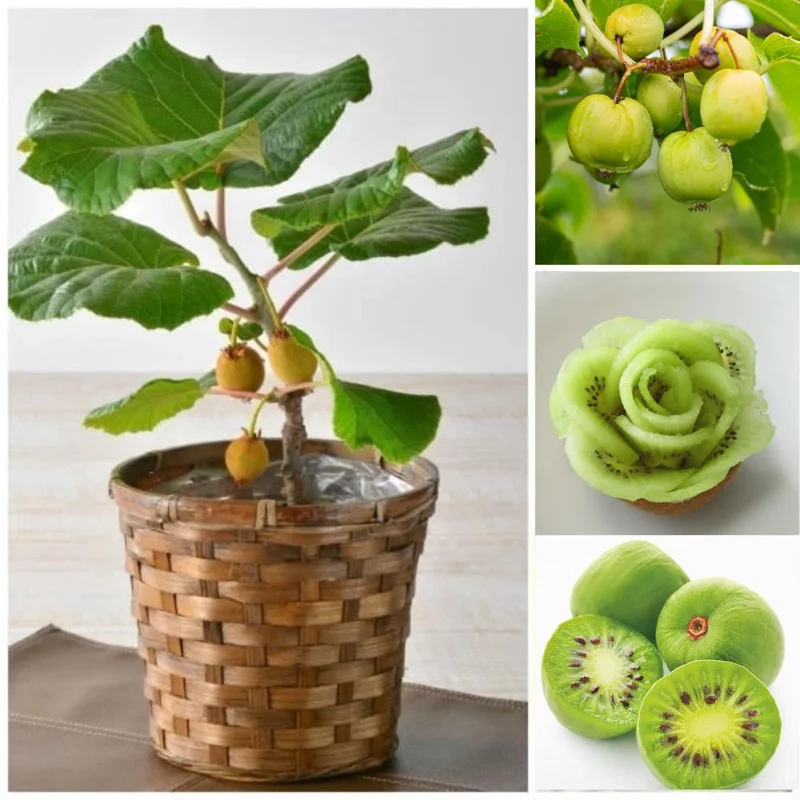
This male kiwi plant live typically arrives as a young, actively growing vine, measuring between 6 to 12 inches tall from the base of the plant to the tip of its tallest stem. It is shipped in a nursery pot, ensuring the root system is intact and moist for a smooth transition to your garden. The exact height may vary slightly depending on the growth stage at the time of shipping, but all plants are carefully selected for vigor and health. This size is ideal for planting, allowing the vine to quickly establish itself in its new environment.
As a vigorous climbing vine, this hardy kiwi vine will grow rapidly once planted, potentially reaching lengths of 15-20 feet or more when mature, especially with adequate support. Its leaves are typically green, sometimes with a reddish tint on new growth. The plant will produce small, fragrant, non-fruiting flowers that are essential for pollinating female kiwi plants. Expect a moderate to fast growth rate, allowing it to cover its support structure within a few growing seasons. The plant’s root system is well-developed, allowing for strong anchoring and nutrient uptake once transplanted.
Frequently Asked Questions
Q: How big does this plant get? A: This male kiwi plant live typically ships at 6-12 inches tall. Once established, it can grow into a vigorous vine reaching 15-20 feet or more in length, depending on growing conditions and pruning. It requires a strong support structure.
Q: Is this an indoor or outdoor plant? A: This hardy kiwi vine is an outdoor plant. It thrives when planted in the ground in suitable USDA hardiness zones, where it can climb and receive ample sunlight and space.
Q: How much sunlight does it need? A: A male kiwi plant live prefers full sun to partial shade, ideally receiving at least 6-8 hours of direct sunlight per day. Adequate light is crucial for healthy growth and prolific flowering, which is essential for pollination.
Q: Is this plant easy to care for? A: Yes, once established, this hardy kiwi vine is relatively low-maintenance. It requires consistent watering during its first year, well-draining soil, and a sturdy support structure. Regular pruning helps manage its vigorous growth.
Q: What condition will it arrive in? A: Your male kiwi plant live will arrive carefully packaged, typically in a nursery pot with its root ball intact and moist. It will be a healthy young plant, ready for transplanting into your garden.
Q: When is the best time to plant? A: The best time to plant your kiwi plant for trellis is in the spring after the last danger of frost has passed, or in early fall in milder climates. This allows the plant to establish its root system before extreme temperatures.
Q: Will it survive winter in my zone? A: This actinidia arguta male plant is typically hardy in USDA Zones 4–8. It is designed to withstand winter temperatures in these zones, often going dormant and then re-emerging in spring.
Q: Can this plant produce fruit? A: No, this is a male kiwi plant live and will not produce fruit itself. Its primary role is to provide pollen to fertilize female kiwi vines, which then produce the actual fruit. You will need a female plant for fruit production.
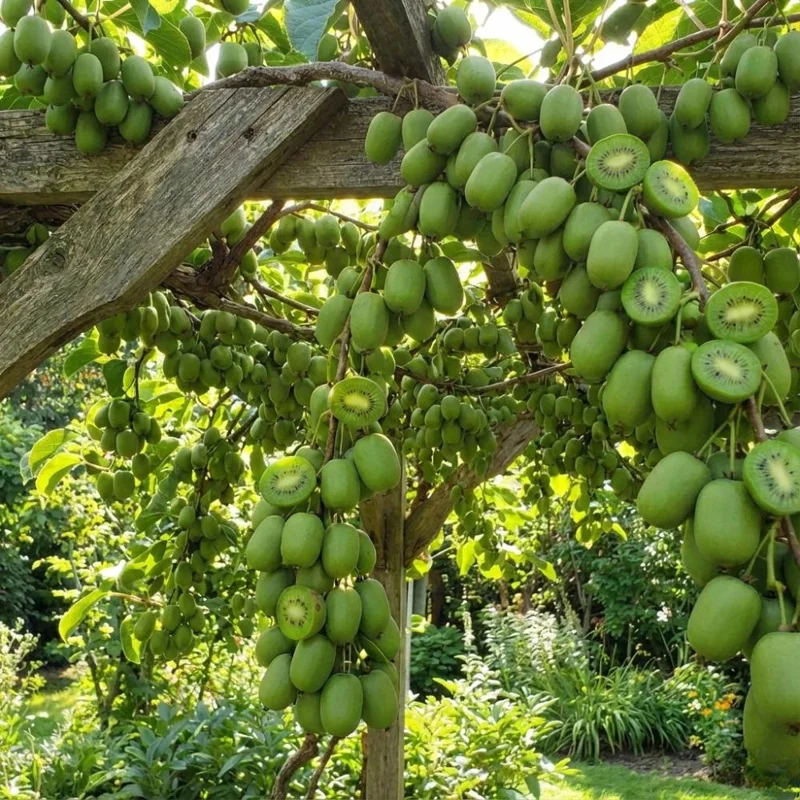
Q: What kind of support does it need? A: As a climbing vine, this hardy kiwi vine requires a robust support system such as a strong trellis, arbor, fence, or pergola. Ensure the support is durable enough to handle the mature weight of the vine.
Q: How often should I water it? A: For young plants, water regularly to keep the soil consistently moist but not soggy. Once established, water deeply during dry periods. Always check the soil moisture before watering to prevent over or under-watering.




Reviews
There are no reviews yet.