Overview
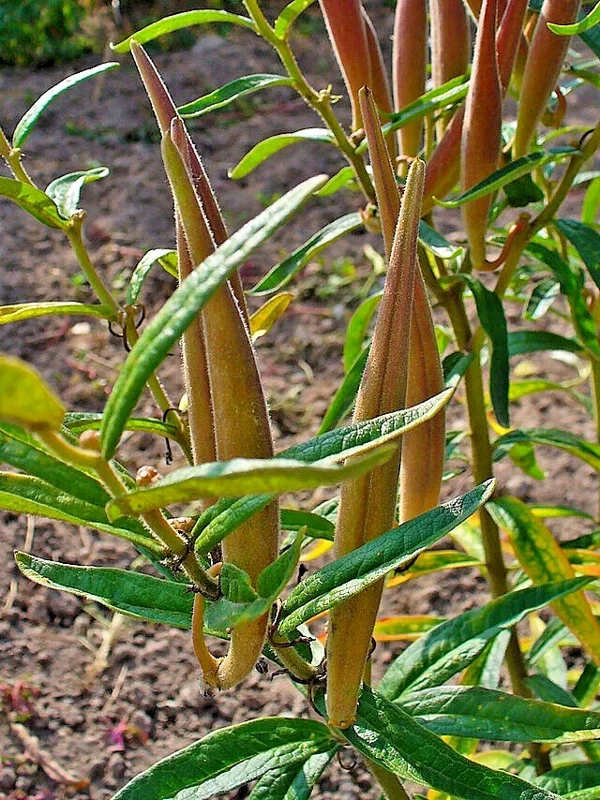
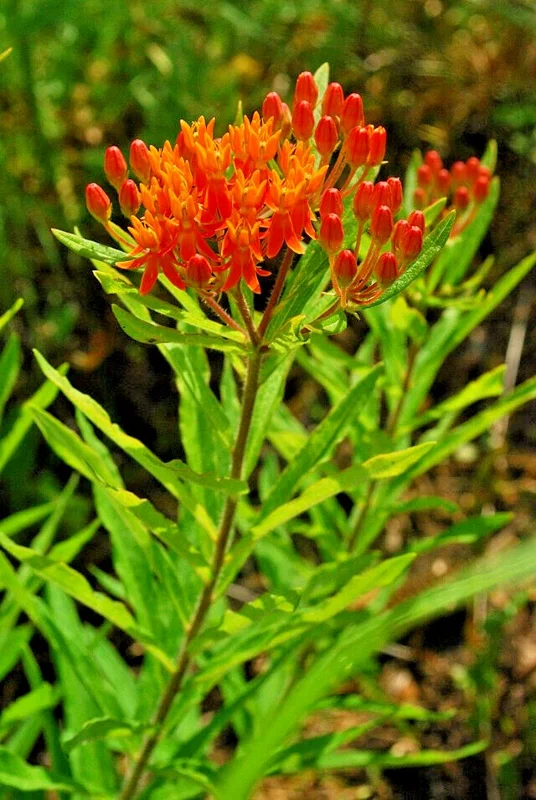
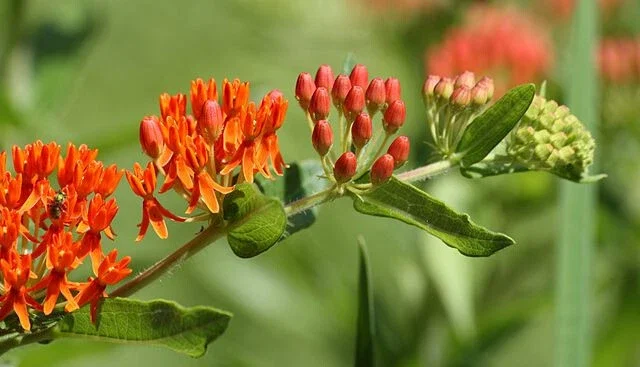
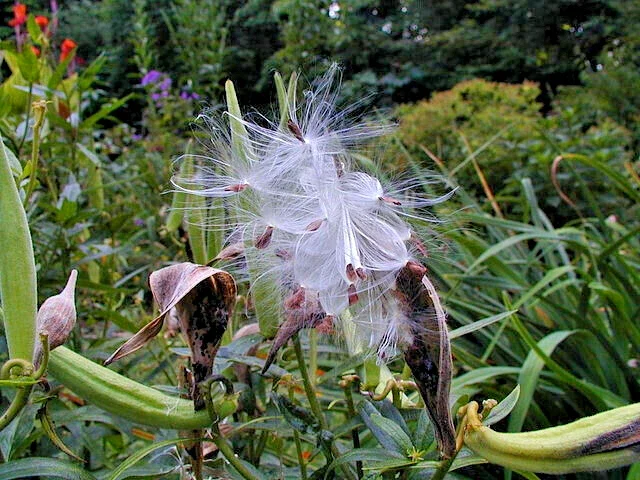
Transform your garden into a pollinator paradise with these premium milkweed seeds, specifically the vibrant Asclepias Tuberosa, commonly known as Orange Butterfly Weed. Each packet contains 100 seeds, offering a fantastic opportunity to establish a thriving habitat for monarch butterflies and other beneficial insects. Asclepias Tuberosa seeds are renowned for producing spectacular clusters of bright orange flowers that bloom throughout the summer, creating a dazzling display in any landscape. This native perennial is not only beautiful but also plays a crucial ecological role, serving as the primary host plant for monarch butterfly caterpillars. Growing your own milkweed from seed is a rewarding experience, contributing to the conservation of these magnificent creatures while enhancing the natural beauty of your outdoor space. These seeds are an excellent choice for both experienced gardeners and beginners looking to make a positive impact on local ecosystems.
The Orange Butterfly Weed is a hardy and drought-tolerant plant once established, making it a low-maintenance addition to sunny gardens. Its striking orange blossoms are a magnet for various pollinators, including bees and hummingbirds, further enriching your garden’s biodiversity. By choosing to grow milkweed, you are actively participating in the effort to support declining monarch populations, whose survival depends entirely on this plant. The ease of cultivation and the significant ecological benefits make these milkweed seeds an indispensable choice for anyone passionate about gardening and wildlife conservation. Prepare to enjoy a season full of color and life as your Orange Butterfly Weed plants mature and become a focal point in your garden.
Key Benefits
Planting these milkweed seeds offers a multitude of advantages, from aesthetic appeal to ecological impact. Here are some of the key benefits you can expect:
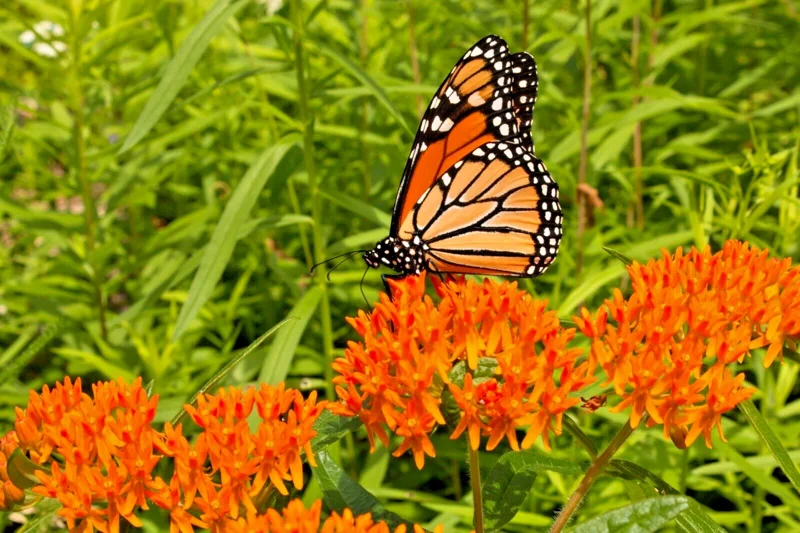
- Monarch Butterfly Habitat: The primary benefit of planting Asclepias Tuberosa seeds is providing a critical food source and breeding ground for monarch butterfly caterpillars. By growing these plants, you directly support the life cycle of monarch butterflies, aiding in their conservation efforts. Your garden will become a vital haven for these iconic pollinators.
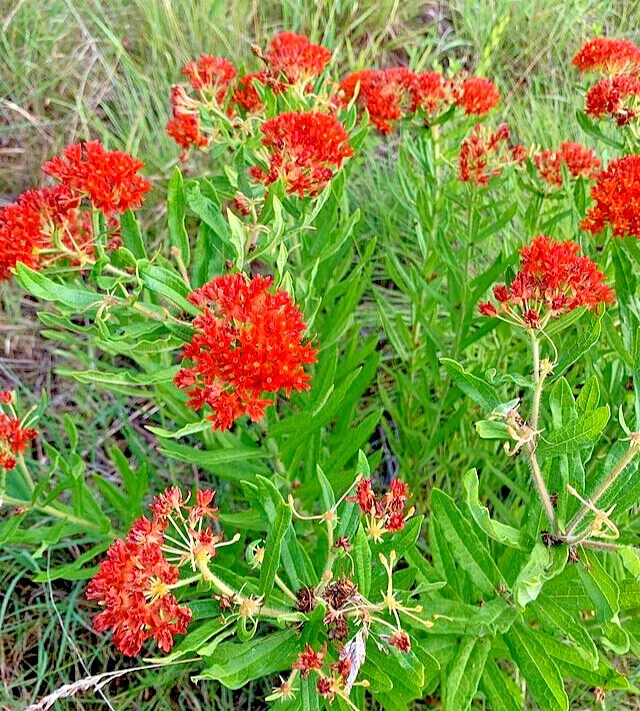
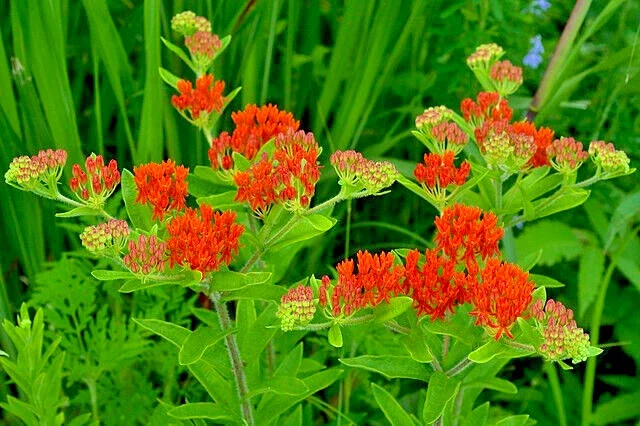
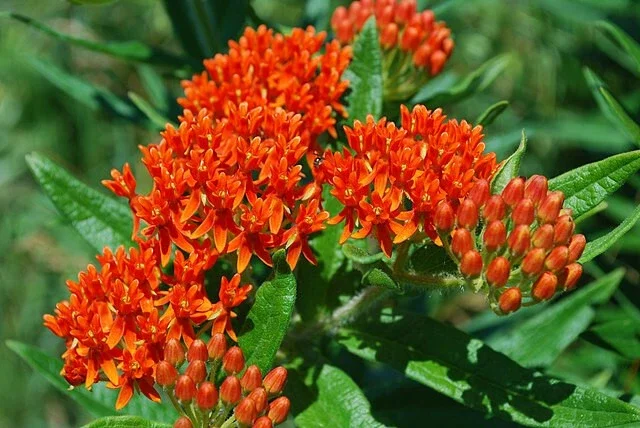
- Vibrant Orange Blooms: Enjoy a spectacular display of bright orange flowers that will instantly brighten your garden. The vivid color attracts attention and creates a cheerful, lively atmosphere throughout the summer months, making it a perfect addition to any flower bed or border.
- Attracts Diverse Pollinators: Beyond monarchs, the nectar-rich flowers of Orange Butterfly Weed are highly attractive to a wide array of pollinators, including various bee species, other butterflies, and hummingbirds. This enhances biodiversity in your garden and supports local ecosystems.
- Drought Tolerant and Low Maintenance: Once established, this perennial is remarkably drought-tolerant, requiring minimal watering and care. It thrives in full sun and well-draining soil, making it an ideal choice for gardeners seeking beautiful, resilient plants that don’t demand constant attention.
- Easy to Grow from Seed: These milkweed seeds are considered easy to germinate and grow, making them suitable for gardeners of all experience levels. With proper stratification and planting instructions, you can successfully cultivate a thriving patch of Orange Butterfly Weed.
- Hardy Perennial: As a perennial, Orange Butterfly Weed returns year after year, providing continuous beauty and ecological benefits without the need for replanting. It is hardy in USDA Zones 3-8, ensuring its resilience in a wide range of climates.
- Native Plant Appeal: Being a native plant to many regions of the United States, Asclepias Tuberosa is well-adapted to local conditions and contributes to the ecological balance of your area. Planting native species helps restore natural habitats and supports local wildlife.
Plant Care & Growing Tips
Successfully cultivating milkweed seeds of Asclepias Tuberosa requires attention to a few key factors, ensuring healthy growth and abundant blooms. This perennial thrives in specific conditions that mimic its natural habitat. For optimal germination, these seeds often benefit from cold stratification, which can be achieved by placing them in a moist medium (like sand or peat moss) in the refrigerator for 30-60 days before planting. Once stratified, sow the seeds directly outdoors in spring after the last frost, or start them indoors 6-8 weeks before the anticipated outdoor planting date. Plant the seeds about 1/4 inch deep and keep the soil consistently moist until germination occurs, which can take anywhere from 10 to 30 days.
Sunlight requirements for Orange Butterfly Weed are paramount; it needs full sun, meaning at least 6-8 hours of direct sunlight per day. Insufficient light will result in leggy growth and fewer flowers. When it comes to watering, young plants need regular moisture to establish a strong root system. However, once mature, Asclepias Tuberosa is highly drought-tolerant and prefers drier conditions. Overwatering can lead to root rot, so ensure the soil dries out between waterings. The ideal soil type is well-draining, sandy, or loamy soil with a neutral pH. Avoid heavy clay soils that retain too much moisture. Amending the soil with sand or grit can improve drainage if necessary. This plant is a fantastic choice for those looking to grow milkweed in challenging, drier spots.
The temperature range and hardiness of Orange Butterfly Weed make it suitable for a wide range of climates, thriving in USDA Zones 3-8. It is cold-resistant and can withstand winter conditions in these zones. Fertilization is generally not required for this native plant, as it prefers lean soils. If your soil is particularly poor, a light application of a balanced, slow-release fertilizer in early spring can be beneficial, but avoid over-fertilizing, which can promote foliage growth at the expense of flowers. Common problems are few, but watch for aphids, which can be managed with insecticidal soap or by introducing beneficial insects. By following these guidelines, your butterfly garden seeds will flourish, providing a beautiful and ecologically valuable addition to your landscape.
Size & Details
These milkweed seeds are packaged for convenience and success, with each packet containing 100 seeds of Asclepias Tuberosa. The Orange Butterfly Weed typically grows to a height of 1-3 feet (30-90 cm) and spreads about 1-2 feet (30-60 cm) wide, forming a bushy, clumping habit. The plants establish a deep taproot, which contributes to their drought tolerance and makes them somewhat challenging to transplant once mature. The seeds are intended for outdoor cultivation and are best suited for perennial gardens, meadows, or naturalized areas where they can spread and attract pollinators. The life cycle of this plant is perennial, meaning it will return year after year from its rootstock once established.
Expected bloom time for Orange Butterfly Weed is typically from early summer to late summer, with vibrant orange flowers that last for several weeks. The seeds are open-pollinating, ensuring genetic diversity and viability for future generations. Cultivating these Asclepias Tuberosa seeds is considered easy, making them accessible to gardeners of all skill levels. They are a perfect choice for creating a dedicated butterfly garden seeds area, providing essential resources for monarch caterpillars and adult butterflies. Allow ample space for these plants to grow and spread, creating a natural, impactful display.
Frequently Asked Questions
- Q: How many milkweed seeds are included in one packet? A: Each packet contains 100 seeds of Asclepias Tuberosa, providing a generous quantity to start your butterfly garden.
- Q: Is this an indoor or outdoor plant? A: Orange Butterfly Weed (Asclepias Tuberosa) is an outdoor perennial plant, best suited for garden beds, meadows, and naturalized landscapes. It requires full sun exposure to thrive.
- Q: How much sunlight does Orange Butterfly Weed need? A: This plant requires at least 6-8 hours of direct sunlight daily, making it ideal for sunny locations in your garden. Full sun is crucial for abundant flowering.
- Q: Is this plant easy to care for? A: Yes, Asclepias Tuberosa is considered easy to cultivate, especially once established. It is drought-tolerant and requires minimal maintenance, making it suitable for beginners looking to grow milkweed.
- Q: What condition will the milkweed seeds arrive in? A: The seeds arrive in new, viable condition, ready for stratification and planting. Proper storage and handling ensure their quality for successful germination.
- Q: When is the best time to plant these milkweed seeds? A: After cold stratification, the best time to plant is in spring after the last frost, or you can start them indoors 6-8 weeks before transplanting outdoors.
- Q: What USDA Hardiness Zones are suitable for Orange Butterfly Weed? A: This hardy perennial thrives in USDA Zones 3-8, tolerating a wide range of climates and winter conditions.
- Q: What kind of soil does Asclepias Tuberosa prefer? A: It prefers well-draining, sandy, or loamy soil with a neutral pH. Avoid heavy clay soils that can lead to waterlogging.
- Q: Will these orange butterfly weed attract monarch butterflies? A: Absolutely! Orange Butterfly Weed is a primary host plant for monarch caterpillars and a rich nectar source for adult monarch butterflies, making these butterfly garden seeds essential for monarch conservation.
- Q: How tall does the Orange Butterfly Weed grow? A: Typically, the Orange Butterfly Weed grows to a height of 1 to 3 feet (30-90 cm) and spreads 1 to 2 feet (30-60 cm) wide.








Reviews
There are no reviews yet.