Overview
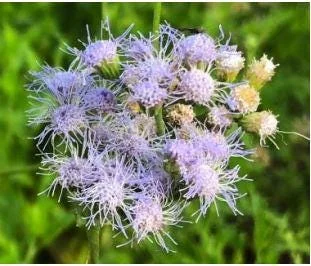
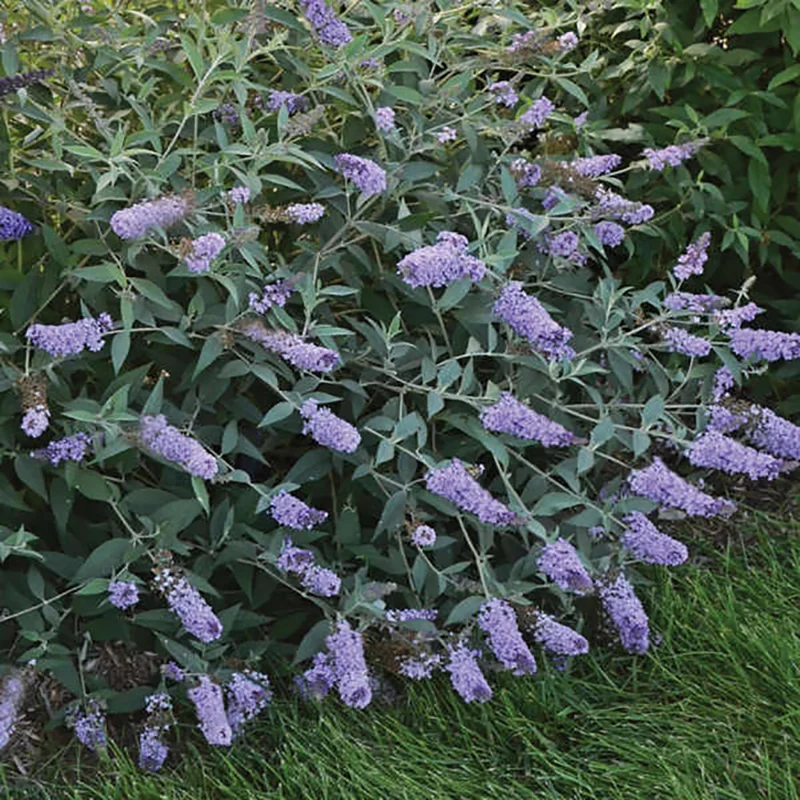
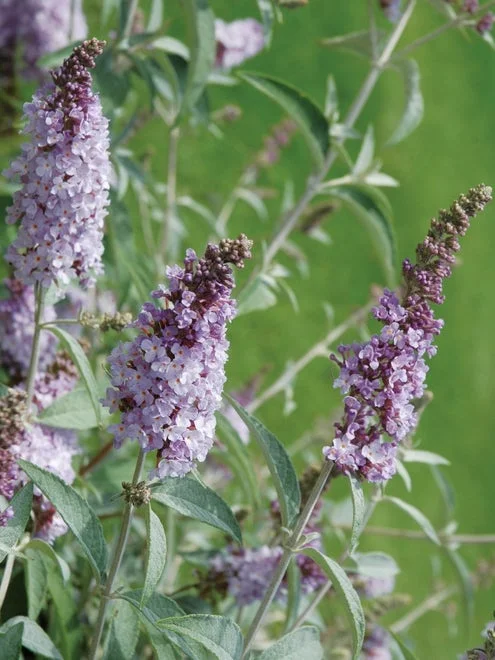
Introduce the enchanting mistflower live plant to your garden and transform it into a haven for pollinators. This delightful perennial, also known by its botanical name Conoclinium coelestinum or Wild Ageratum, is celebrated for its ethereal, fuzzy, lavender-blue to purple flowers that appear in late summer and fall. Unlike many other plants that fade as the season progresses, the mistflower provides a burst of vibrant color when many other garden plants are winding down. Our mistflower live plant arrives fully rooted in a 1-gallon pot, ready to be planted and establish quickly in your landscape. It’s an exceptional choice for gardeners seeking a low-maintenance yet highly impactful addition that supports local ecosystems by attracting a diverse array of butterflies and other beneficial insects.
The mistflower is a true garden workhorse, offering both beauty and ecological benefit. Its soft, cloud-like blooms create a picturesque display, often described as a ‘mist’ of color floating above the foliage. This native North American plant is incredibly adaptable and resilient, making it suitable for a wide range of garden styles, from formal borders to wild, naturalized settings. Planting a mistflower live plant is an investment in both the aesthetic appeal of your garden and the health of your local pollinator populations.
Key Benefits
The mistflower live plant offers a multitude of advantages for any garden, making it a highly desirable choice for both novice and experienced gardeners. Its unique characteristics contribute significantly to a vibrant and healthy outdoor space.
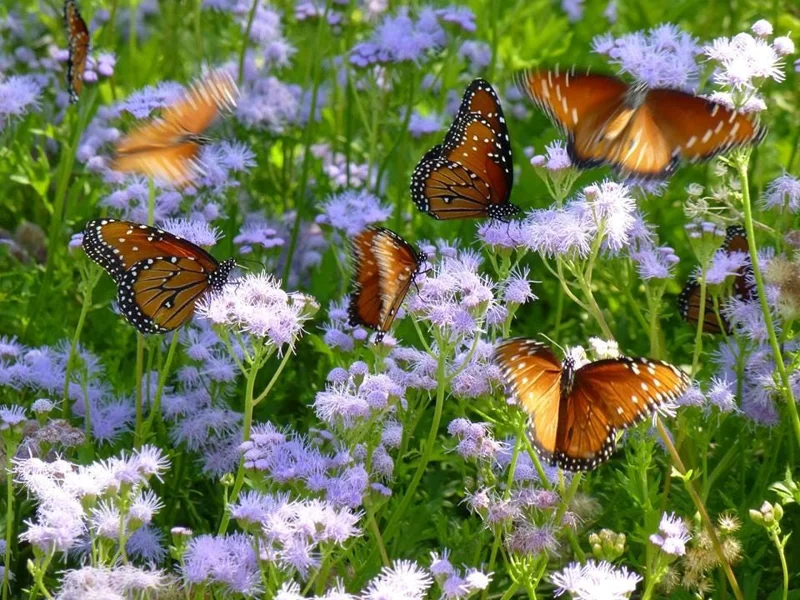
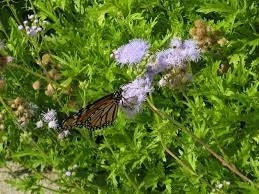
- Exceptional Pollinator Magnet: As a premier butterfly attractant plant, the mistflower’s nectar-rich blooms are irresistible to various butterfly species, including Monarchs, Painted Ladies, and Swallowtails, as well as bees and other beneficial insects. Watching these creatures flit among the flowers adds a dynamic and engaging element to your garden.
- Late Season Color: Providing a much-needed splash of lavender-blue color from late summer through fall, the mistflower extends the blooming season of your garden. This ensures continuous visual interest and a consistent food source for pollinators when other plants are beginning to fade.
- Low Maintenance & Hardy: This resilient perennial requires minimal care once established. It tolerates a range of soil conditions and is relatively pest and disease-free, making it an ideal choice for gardeners seeking beauty without extensive effort. Its hardiness ensures it returns year after year with stunning displays.
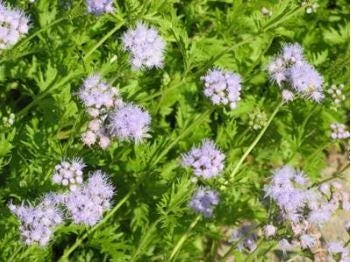
- Versatile Landscape Use: The mistflower’s moderate height and spreading habit make it perfect for various landscaping applications. Use it in perennial borders, cottage gardens, naturalized areas, woodland edges, or even as a groundcover where space allows. Its adaptability makes it a valuable asset for diverse garden designs.
- Deer Resistant: A significant advantage for many gardeners, mistflower is generally ignored by deer, allowing its beauty to remain unblemished in areas where deer browsing is a concern. This provides peace of mind and ensures a thriving, attractive garden.
- Erosion Control: Due to its spreading root system, conoclinium coelestinum can be effective in stabilizing soil on slopes or in areas prone to erosion, adding an ecological benefit beyond its ornamental value.
- Beautiful Cut Flower: The delicate, fluffy blooms also make excellent additions to fresh floral arrangements, bringing the beauty of your garden indoors. Their unique texture and color provide a lovely contrast to other cut flowers.
Plant Care & Growing Tips
Caring for your mistflower live plant is straightforward, ensuring a rewarding and beautiful display for years to come. This robust perennial is known for its adaptability, but providing optimal conditions will encourage the most vigorous growth and abundant blooms. For light, mistflower perennial thrives in full sun to partial shade. In hotter climates, some afternoon shade can be beneficial to prevent scorching and maintain vibrant foliage. Aim for at least 4-6 hours of direct sunlight daily for the best flowering performance.
When it comes to watering, mistflower prefers consistently moist soil, especially during dry spells and in its first growing season. However, it can tolerate some drought once established. Avoid waterlogging, as this can lead to root rot. The ideal soil for conoclinium coelestinum is well-draining, moderately fertile, and rich in organic matter. It can adapt to clay, loam, or sandy soils. Amending heavy clay soils with compost will improve drainage and aeration. Regarding temperature, the mistflower is quite hardy, typically thriving in USDA zones 5-10. It is a warm-season perennial, emerging in spring and blooming through fall until the first hard frost.
Fertilization is generally not heavily required for mistflower. If your soil is poor, a balanced, slow-release granular fertilizer applied in early spring can boost growth. Over-fertilization can lead to leggy growth and fewer flowers. Pruning can be done in early spring to encourage bushier growth and more blooms. You can also deadhead spent flowers to tidy up the plant, though it’s not strictly necessary for continued blooming. Common problems are rare, but watch for powdery mildew in humid conditions or if air circulation is poor. Ensure adequate spacing between plants to promote good airflow. This easy-care mistflower care routine will ensure a thriving and attractive plant.
Size & Details
This offering includes one robust mistflower live plant, fully rooted and established in a 1-gallon nursery pot. Upon arrival, the plant will be healthy and ready for transplanting into your garden or a larger container. Mistflower typically grows to an average height of 2 to 3 feet tall and spreads approximately 2 to 4 feet wide, forming a dense clump over time. Its growth rate is moderate to fast, allowing it to establish quickly and provide a substantial presence in your landscape within its first growing season. The plant’s spreading habit is due to rhizomes, which can form colonies over time, making it excellent for naturalized areas or for providing groundcover.
The delicate, fluffy blooms, characteristic of the mistflower live plant, emerge in late summer and continue through fall, offering a long season of color. Each flower head is composed of numerous tiny, disc-like florets that collectively create a soft, cloud-like appearance. Expect your plant to mature and reach its full size within 1-2 years after planting, with consistent bloom production each year thereafter. It ships as a living, actively growing specimen, carefully packaged to ensure its safe arrival at your doorstep, ready to bring its unique charm and pollinator appeal to your outdoor space.
Frequently Asked Questions
- Q: How big does this plant get? A: The mistflower live plant typically grows to a height of 2 to 3 feet and spreads 2 to 4 feet wide. It forms a dense, bushy clump, making it a substantial addition to garden beds and borders.
- Q: Is this an indoor or outdoor plant? A: Mistflower is primarily an outdoor perennial plant, ideally suited for garden beds, borders, and naturalized areas. While it could be temporarily grown indoors in a very bright spot, it thrives best in an outdoor environment where it can receive ample sunlight and attract pollinators.
- Q: How much sunlight does it need? A: This butterfly attractant plant performs best in full sun to partial shade. For optimal flowering and vigorous growth, aim for at least 4-6 hours of direct sunlight daily. In hotter climates, some afternoon shade can be beneficial.
- Q: Is this plant easy to care for? A: Yes, the mistflower is considered a low-maintenance and easy-to-care-for plant. Once established, it is quite drought-tolerant and generally resistant to pests and diseases, making mistflower care simple for gardeners of all experience levels.
- Q: What condition will it arrive in? A: Your conoclinium coelestinum will arrive as a healthy, fully rooted live plant in a 1-gallon nursery pot. It will be carefully packaged to minimize stress during transit, ensuring it reaches you in good condition, ready for planting.
- Q: When is the best time to plant mistflower? A: The best time to plant your mistflower perennial is in spring or early fall. This allows the plant sufficient time to establish its root system before the extreme heat of summer or the cold of winter.
- Q: Will it survive winter in my zone? A: Mistflower is a hardy perennial that typically thrives in USDA Zones 5-10. In these zones, it will die back to the ground in winter and re-emerge vigorously in the spring, providing reliable blooms year after year.
- Q: Is mistflower deer resistant? A: Yes, a great benefit of the mistflower is that it is generally considered deer resistant. Deer tend to avoid browsing on this plant, allowing it to flourish undisturbed in your garden.
- Q: How often should I water my mistflower? A: While establishing, keep the soil consistently moist. Once mature, mistflower care involves regular watering during prolonged dry periods, but it can tolerate some drought. Ensure the soil is well-draining to prevent waterlogging.
- Q: Can I use mistflower in floral arrangements? A: Absolutely! The delicate, fluffy blooms of the mistflower make wonderful additions to fresh cut flower arrangements. Their unique texture and lavender-blue color add a soft, ethereal touch to bouquets.





Reviews
There are no reviews yet.