Overview
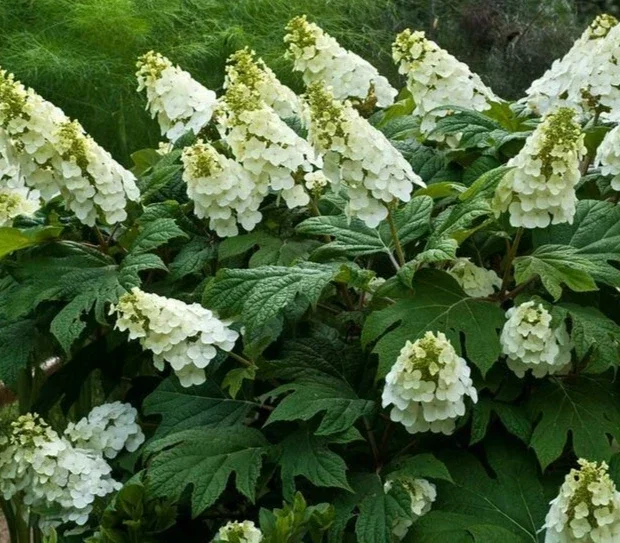
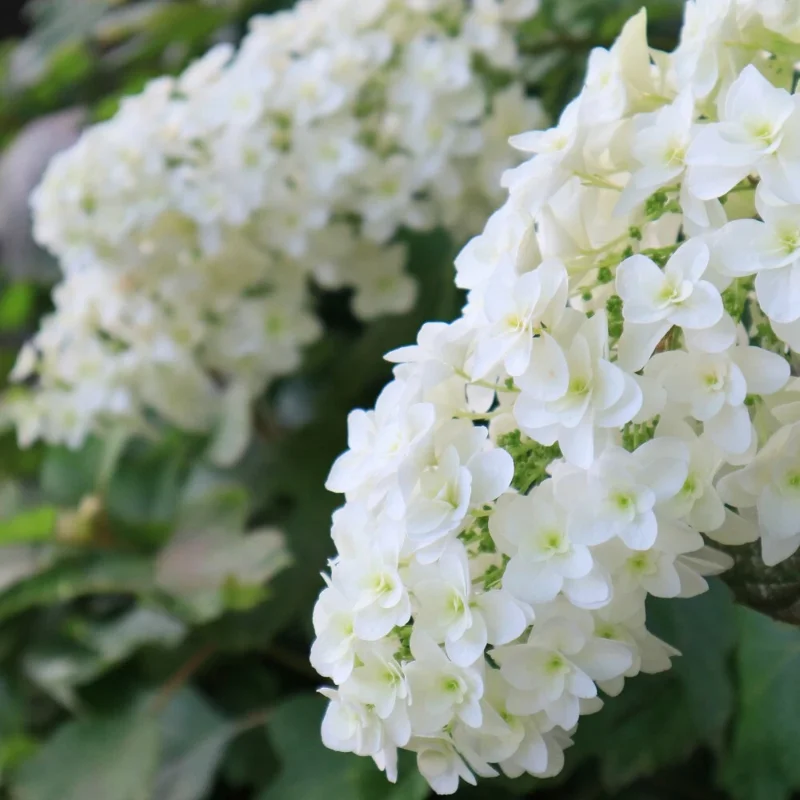
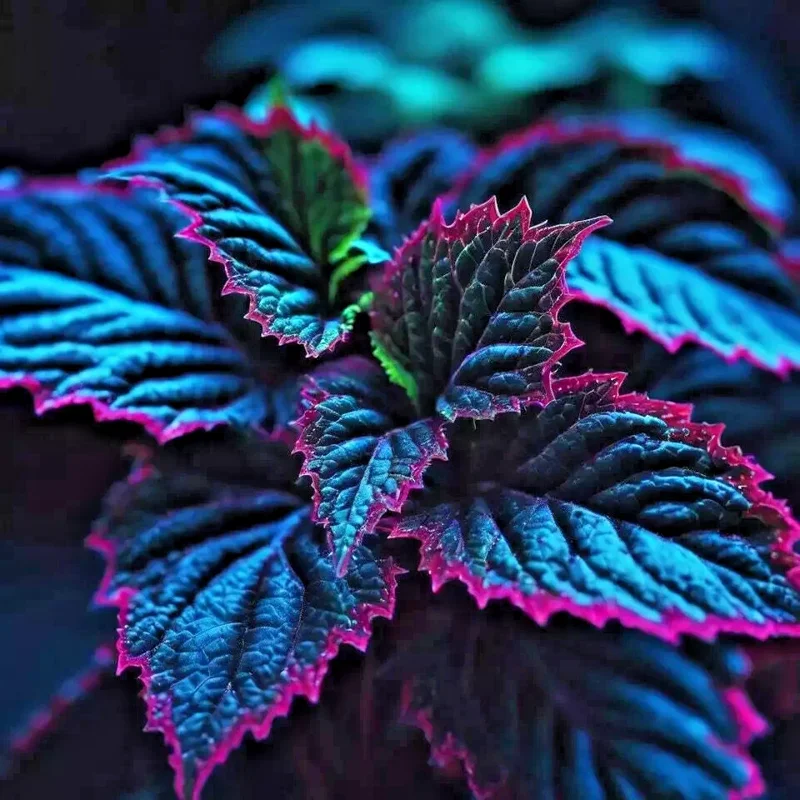
Introduce a touch of timeless elegance to your garden with the oak leaf hydrangea plant (Hydrangea Quercifolia). This distinctive deciduous shrub is celebrated for its unique, deeply lobed leaves that resemble those of an oak tree, providing exceptional textural interest even when not in bloom. The foliage transforms into brilliant shades of burgundy, crimson, and purple in the fall, making it a true four-season performer. Its cone-shaped clusters of flowers emerge in early summer, starting a fresh lime-white and gradually maturing to soft pink, adding a sophisticated charm to any landscape. This live shrub is a fantastic choice for gardeners seeking a plant that delivers visual appeal throughout the year.
The oak leaf hydrangea plant is native to the southeastern United States, making it a robust and adaptable choice for many climates. It’s known for its relatively low maintenance requirements once established, thriving in a variety of settings from woodland gardens to formal borders. Whether you’re looking to create a focal point or add a layered effect to your planting scheme, this hydrangea offers both beauty and resilience. Its impressive size and dramatic appearance make it a standout specimen.
Key Benefits
The oak leaf hydrangea plant provides numerous advantages for any garden, combining aesthetic appeal with ecological benefits. This versatile shrub is a fantastic investment for long-lasting beauty and easy maintenance.
- Stunning Seasonal Interest: Enjoy a dynamic display throughout the year. The large, conical flower clusters begin as a vibrant lime-white, gradually fading to a lovely pink, and finally drying to a papery tan, remaining attractive into winter. The distinctive oak-shaped leaves provide textural contrast in summer and transform into spectacular shades of red, burgundy, and purple in autumn, offering unparalleled fall foliage.
- Unique Foliage: Unlike other hydrangeas, the Hydrangea Quercifolia care also involves appreciating its deeply lobed leaves that mimic oak leaves. This unique characteristic provides excellent visual interest in the garden, adding a sophisticated texture that stands out from typical broadleaf shrubs.
- Drought Tolerance: Once established, this deciduous shrub is remarkably drought-tolerant, making it a water-wise choice for sustainable landscaping. This reduces the need for frequent watering, saving both time and resources.
- Shade Adaptability: While it can tolerate some sun, the oak leaf hydrangea thrives in partial shade, making it an excellent choice for shadier spots in your garden where other flowering shrubs might struggle. It brings bright blooms to areas that might otherwise be dark.
- Wildlife Attraction: The flowers, particularly when in bloom, can attract pollinators like bees and butterflies, contributing to the biodiversity of your garden. The plant also offers shelter for small birds.
- Low Maintenance: This hardy shrub requires minimal pruning and care, making it ideal for both experienced gardeners and beginners. Its natural growth habit is attractive, and it generally resists pests and diseases, simplifying your gardening tasks.
- Impressive Size: Growing to a substantial size, the oak leaf hydrangea plant can serve as a beautiful backdrop, a striking specimen plant, or an effective informal hedge, adding structure and grandeur to your landscape design.
Plant Care & Growing Tips
Proper Hydrangea Quercifolia care ensures a healthy and vibrant plant that will adorn your garden for years. This robust shrub is relatively easy to grow, but understanding its specific needs will help it flourish.
For sunlight, the oak leaf hydrangea plant prefers partial shade, especially in warmer climates where intense afternoon sun can scorch its leaves. Aim for a spot that receives morning sun and afternoon shade, or dappled light throughout the day. In cooler regions, it can tolerate more sun, but always ensure it’s protected from the harshest midday rays. Adequate sunlight, typically 4-6 hours, is crucial for optimal blooming and vibrant fall foliage. When it comes to watering, consistent moisture is key, especially during its establishment period. Water deeply once or twice a week, or more frequently during dry spells, to keep the soil evenly moist but not waterlogged. Established plants are quite drought-tolerant, but supplemental watering during prolonged dry periods will promote better health and flowering. Good drainage is essential to prevent root rot.
The ideal soil for this deciduous shrub is well-draining, fertile, and rich in organic matter. A slightly acidic to neutral pH (5.0-7.0) is preferred. Incorporating compost or other organic amendments into the planting hole will greatly benefit its growth. Regarding temperature and hardiness, the oak leaf hydrangea plant is hardy in USDA Zones 5-9. It is quite cold-tolerant, but in colder zones, a layer of mulch around the base can help protect the roots during winter. Fertilize in early spring with a slow-release, balanced granular fertilizer formulated for flowering shrubs. Avoid over-fertilizing, which can lead to excessive foliage growth at the expense of flowers. Pruning is generally minimal; remove any dead, damaged, or weak branches in late winter or early spring before new growth appears. Pruning after it blooms can help shape the plant and remove spent flower heads. Common problems are rare, but watch for leaf spot or powdery mildew in humid conditions, and treat with appropriate fungicides if necessary. Ensuring good air circulation can help prevent these issues. Its strong resistance to pests makes it a relatively trouble-free addition to your garden, allowing you to enjoy its beauty with minimal fuss.
Size & Details
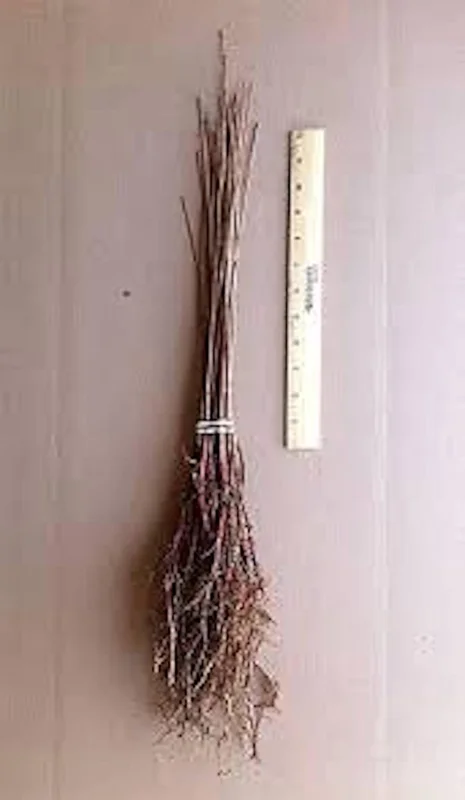
This oak leaf hydrangea plant is a live shrub, ready to establish itself in your garden. It typically arrives as a starter plant, approximately 5-7 inches tall, allowing it to adapt quickly to its new environment and develop a strong root system. When mature, Hydrangea Quercifolia can reach an impressive height and spread of 6-8 feet, making it a substantial presence in the landscape. Its growth rate is moderate, meaning it will gradually fill out your garden space without becoming unruly too quickly. The plant is shipped as a rooted starter plant, carefully packaged to ensure its health upon arrival. Expect the first significant blooms and the full glory of its lime white hydrangea flowers to appear within 1-2 growing seasons after planting, with its fall foliage color intensifying each year.
Frequently Asked Questions
- Q: How big does this oak leaf hydrangea plant get? A: A mature oak leaf hydrangea plant typically grows to a height and spread of 6-8 feet. Its size makes it suitable for a prominent spot in a garden or as part of a larger shrub border.
- Q: Is this an indoor or outdoor plant? A: The oak leaf hydrangea plant is an outdoor plant, best suited for garden beds, borders, or as a specimen shrub. It requires space to grow and is not typically grown as a houseplant due to its size and light requirements.
- Q: How much sunlight does the Hydrangea Quercifolia need? A: For optimal growth and flowering, Hydrangea Quercifolia care recommends partial shade, especially in hot afternoon sun. Morning sun with afternoon shade or dappled light throughout the day is ideal.
- Q: What condition will the plant arrive in? A: Your oak leaf hydrangea plant will arrive as a healthy, rooted starter plant, typically 5-7 inches tall. It will be carefully packaged to protect it during transit and ensure it reaches you in excellent condition, ready for planting.
- Q: Is this plant easy to care for? A: Yes, the oak leaf hydrangea plant is considered relatively easy to care for once established. It’s known for its hardiness and drought tolerance, requiring minimal pruning and general maintenance, making it a good choice for both novice and experienced gardeners.
- Q: When is the best time to plant an oak leaf hydrangea? A: The best time to plant your oak leaf hydrangea plant is in spring or early fall. This allows the plant sufficient time to establish its root system before the stress of summer heat or winter cold.
- Q: Will this deciduous shrub survive winter? A: Yes, as a hardy deciduous shrub, the oak leaf hydrangea is well-suited for USDA Zones 5-9. It is quite cold-tolerant and will lose its leaves in winter, preparing for new growth in spring.
- Q: Do the flowers of this lime white hydrangea change color? A: Yes, the flowers of this lime white hydrangea emerge as a fresh lime-white in early summer and gradually mature to soft pink, eventually drying to a papery tan, providing extended interest.
- Q: What soil type does the oak leaf hydrangea prefer? A: The oak leaf hydrangea plant thrives in well-draining, fertile soil that is rich in organic matter. A slightly acidic to neutral soil pH is ideal for its health and vigorous growth.
- Q: Does this plant attract pollinators? A: Yes, the flowers of the oak leaf hydrangea plant can attract various pollinators, including bees and butterflies, contributing to a vibrant and healthy garden ecosystem.





Reviews
There are no reviews yet.