Overview
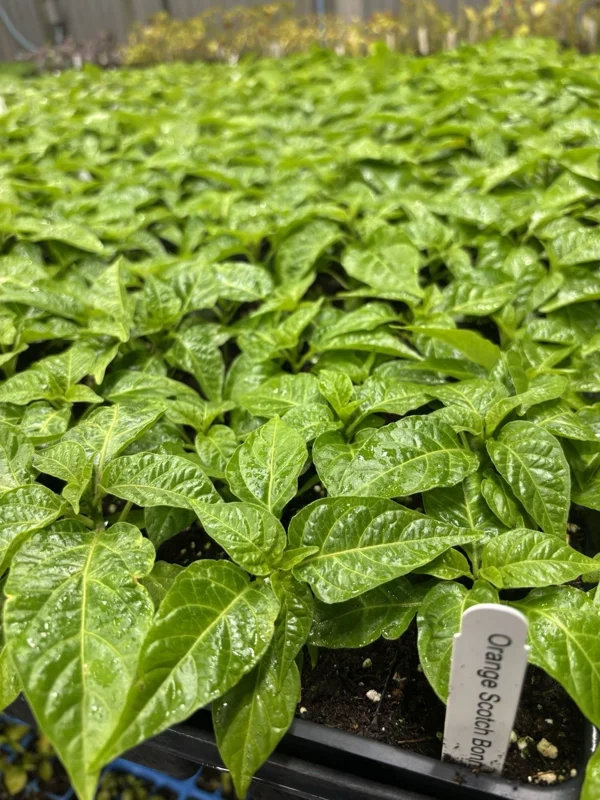
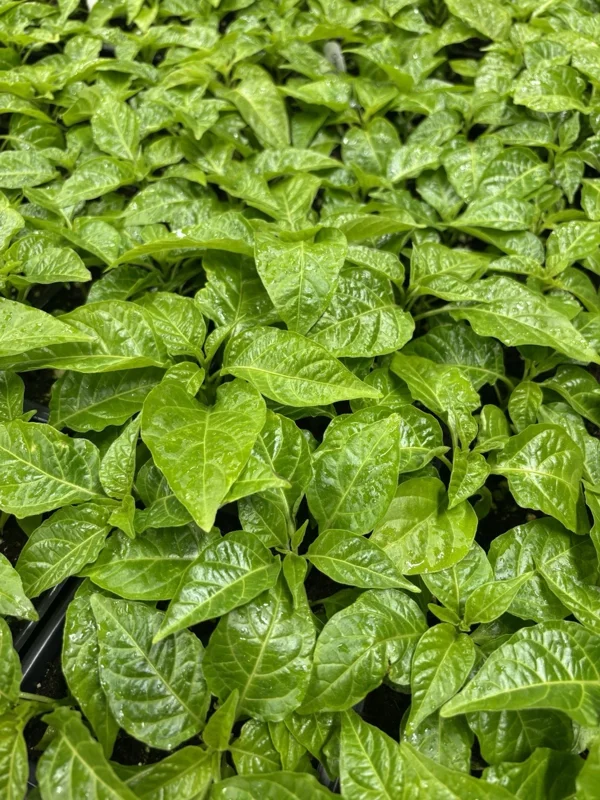
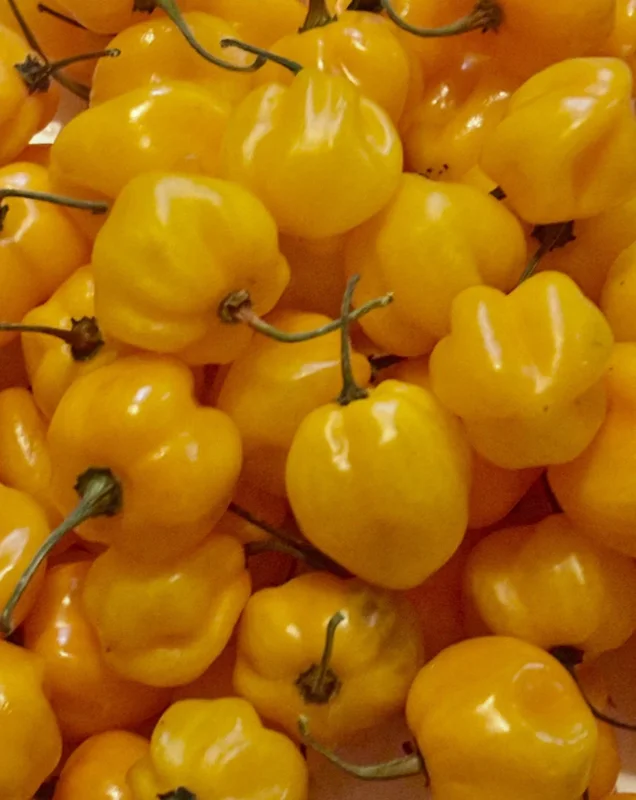
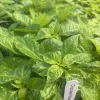
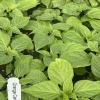
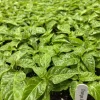
Ignite your garden and kitchen with this exciting lot of orange scotch bonnet live plant. Renowned for its distinctive shape, vibrant orange hue, and formidable heat, the Scotch Bonnet chili pepper is a staple in Caribbean cuisine and a favorite among those who appreciate a serious kick to their dishes. This offering includes three healthy, vegetative-stage live plants, ready to be transplanted and thrive in your garden. Each orange scotch bonnet live plant promises to deliver an abundance of these flavorful and super hot peppers, perfect for salsas, sauces, marinades, or fresh consumption. Growing your own ensures the freshest taste and the satisfaction of harvesting your own produce. These plants are carefully nurtured to arrive in excellent condition, prepared to bring an exotic and spicy addition to your home garden.
Key Benefits
Bringing these super hot pepper plants into your garden offers numerous advantages beyond just their intense flavor profile. They are a rewarding addition for both seasoned gardeners and those new to cultivating chilies, providing a unique blend of aesthetics and utility.
- Exceptional Flavor and Heat: The Orange Scotch Bonnet is celebrated for its fruity, slightly sweet undertones beneath its intense heat, making it a versatile ingredient for a wide range of culinary applications. You’ll enjoy the authentic taste that only fresh, homegrown peppers can provide.
- Abundant Harvest: Each of these three live plants is capable of producing a generous yield of peppers throughout the growing season, ensuring you have plenty for cooking, preserving, or sharing with friends.
- Vibrant Garden Addition: The bright orange peppers and lush green foliage add a beautiful, tropical aesthetic to any garden space, whether grown in pots on a patio or directly in garden beds.
- Culinary Versatility: From traditional Caribbean dishes to modern spicy delights, these peppers can be used to make hot sauces, marinades, rubs, or simply sliced fresh to add a fiery zest to meals. Grow your own grow chili peppers for superior freshness.
- Engaging Growth Cycle: Observing these scotch bonnet pepper care plants from their vegetative stage to full maturity, laden with colorful peppers, is a deeply satisfying experience for any gardener.
- Freshness and Control: Growing your own ensures you have access to fresh, organic peppers free from pesticides, giving you full control over your food source.
- Educational Opportunity: Ideal for teaching children about plant growth, responsible gardening, and the journey from plant to plate.
Plant Care & Growing Tips
For successful cultivation of your orange scotch bonnet live plant, understanding their specific needs is crucial. These are tropical plants that thrive in warm conditions and require consistent attention to produce their best yield. Proper scotch bonnet pepper care will ensure healthy plants and a bountiful harvest.
Sunlight Requirements: Scotch Bonnet peppers demand abundant sunlight. They should receive at least 6-8 hours of direct sunlight per day. In cooler climates, consider planting them in a location that receives full sun exposure throughout the day. In extremely hot regions, some afternoon shade can prevent scorching, but generally, more sun equals more peppers. If growing indoors, a south-facing window or supplemental grow lights are recommended.
Watering: Consistent moisture is key, but avoid waterlogging. Water deeply when the top inch of soil feels dry to the touch. During hot, dry periods, this might mean daily watering. Ensure excellent drainage to prevent root rot. Allow the soil to dry out slightly between waterings, but do not let the plants completely wilt. Overwatering can be as detrimental as underwatering.
Soil Type and Drainage: These peppers prefer rich, well-draining soil with a pH between 6.0 and 6.8. A good quality potting mix amended with compost or aged manure works well for container planting. For in-ground planting, ensure your garden bed has loose, fertile soil. Good drainage is paramount; heavy clay soils should be amended with organic matter to improve aeration.
Temperature and Hardiness: Scotch Bonnet peppers are truly heat-loving plants. They thrive in temperatures between 70°F and 85°F (21°C – 29°C). They are not frost-tolerant and should be protected if temperatures drop below 50°F (10°C). They are typically grown as annuals in most regions but can be overwintered indoors in USDA Zones 9-11. These super hot pepper plants will flourish in warm climates.
Fertilization: Begin fertilizing once the plants start to produce flowers and fruit. Use a balanced fertilizer initially, then switch to a fertilizer higher in phosphorus and potassium to encourage fruit development. Follow package instructions for application rates, being careful not to over-fertilize, which can lead to excessive foliage growth at the expense of fruit production. Regular feeding every 2-4 weeks during the growing season is beneficial.
Pest and Disease Management: Keep an eye out for common pepper pests like aphids, spider mites, and whiteflies. Use organic insecticidal soaps or neem oil for treatment. Ensure good air circulation to prevent fungal diseases. Proper spacing and pruning can help maintain plant health. Growing your own scotch bonnet plants for sale allows for careful monitoring and organic pest control methods.
Size & Details
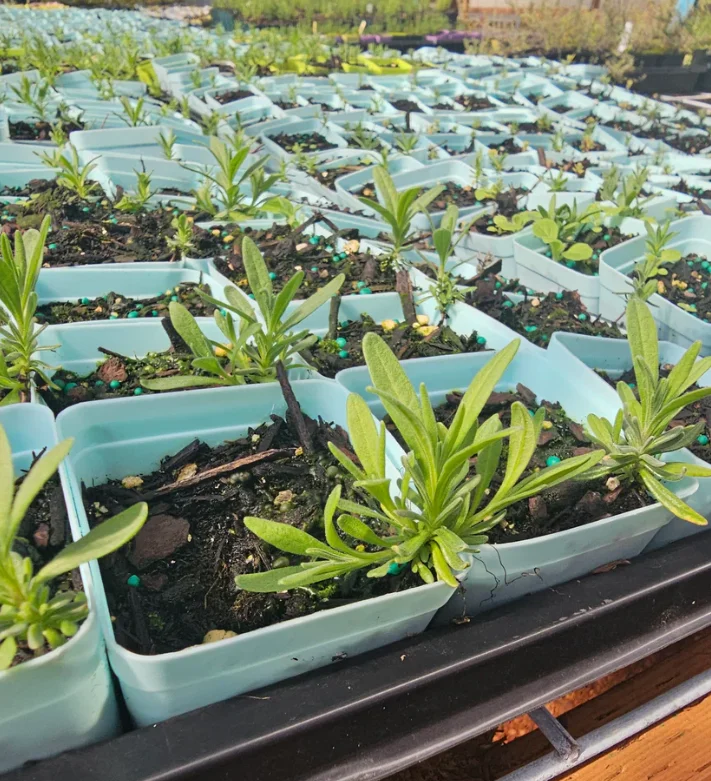
This offering includes a lot of 3 orange scotch bonnet live plant specimens, each in a vegetative growth stage. While specific dimensions can vary slightly depending on the exact age and growth rate at the time of shipping, you can expect healthy, established plants. Typically, these plants will arrive in small nursery pots, ready for transplanting into larger containers or directly into your garden. At maturity, a well-cared-for Scotch Bonnet pepper plant can reach a height of 2-4 feet and a similar spread, becoming a bushy producer of peppers. The growth rate is moderate to fast under ideal conditions. The peppers themselves are typically 1-2 inches in diameter, resembling a small tam o’ shanter or bonnet, and mature to a brilliant orange color. Expect fruit production within 70-90 days after transplanting. These plants are designed to provide you with a full season of homegrown, delicious grow chili peppers.
Frequently Asked Questions
- Q: How big does this plant get? A: A mature orange scotch bonnet live plant can typically grow to be 2-4 feet tall and equally wide, forming a bushy plant that produces many peppers. Growth can vary based on growing conditions and care.
- Q: What size pot does it come in? A: These plants are shipped in small nursery pots, usually around 2-4 inches in diameter, making them easy to transplant upon arrival.
- Q: Is this an indoor or outdoor plant? A: While they thrive outdoors in warm climates and full sun, super hot pepper plants like the Scotch Bonnet can also be grown indoors in a sunny window or under grow lights, especially in regions with shorter growing seasons.
- Q: How much sunlight does it need? A: For optimal growth and pepper production, the orange scotch bonnet live plant requires at least 6-8 hours of direct sunlight per day.
- Q: Is this plant easy to care for? A: Scotch Bonnet peppers are relatively easy to care for, provided they receive adequate sunlight, consistent watering, and warm temperatures. They are suitable for gardeners of all experience levels.
- Q: What condition will it arrive in? A: Your scotch bonnet plants for sale are carefully packaged to ensure they arrive healthy and ready for planting, typically in a vegetative stage. Some minor leaf yellowing due to transit stress is normal.
- Q: Can I use Scotch Bonnet peppers in cooking? A: Absolutely! Scotch Bonnet peppers are famous for their use in Caribbean cuisine, adding intense heat and a unique fruity flavor to sauces, stews, and marinades.
- Q: How long until it produces peppers? A: Under optimal conditions, you can expect your grow chili peppers to start producing fruit within 70-90 days after transplanting the live plants.
- Q: What’s the minimum temperature these plants can tolerate? A: Scotch Bonnet pepper plants are very sensitive to cold. They should not be exposed to temperatures below 50°F (10°C) and will not survive frost.
- Q: What type of soil is best for these plants? A: They prefer rich, well-draining soil with a neutral to slightly acidic pH (6.0-6.8). Amending with compost can greatly benefit their growth.



Reviews
There are no reviews yet.