Overview
Embark on a rewarding gardening journey with our premium Oregon Grape Holly seeds. Scientifically known as Mahonia aquifolium, this remarkable plant is a true native wildflower, celebrated for its striking evergreen foliage, bright yellow flowers, and edible, grape-like berries. These seeds offer a fantastic opportunity to introduce a resilient and beautiful specimen to your outdoor space, thriving in various conditions and adding year-round interest. The Oregon Grape Holly seeds are an excellent choice for gardeners looking to create a naturalized area, enhance a native plant garden, or simply enjoy a low-maintenance yet highly ornamental shrub.
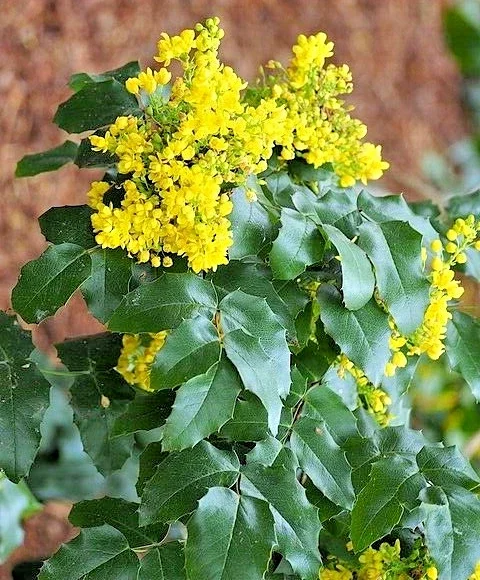
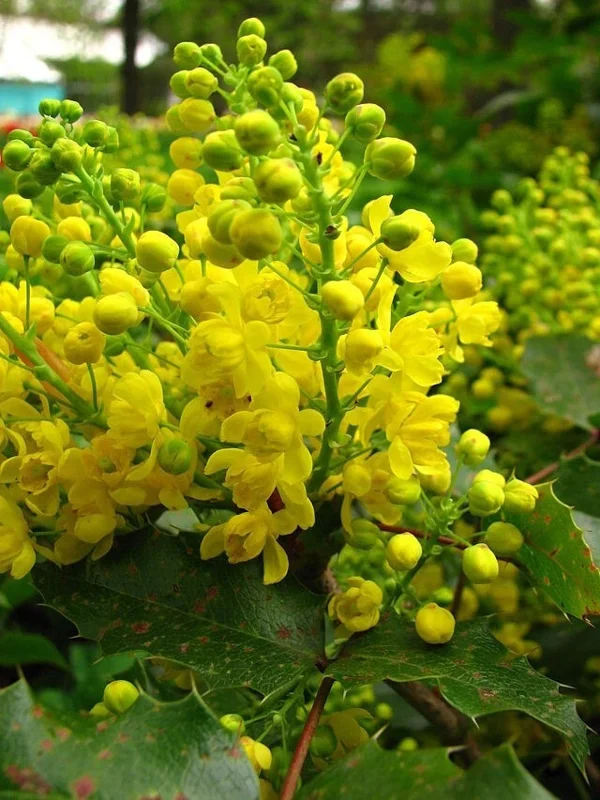
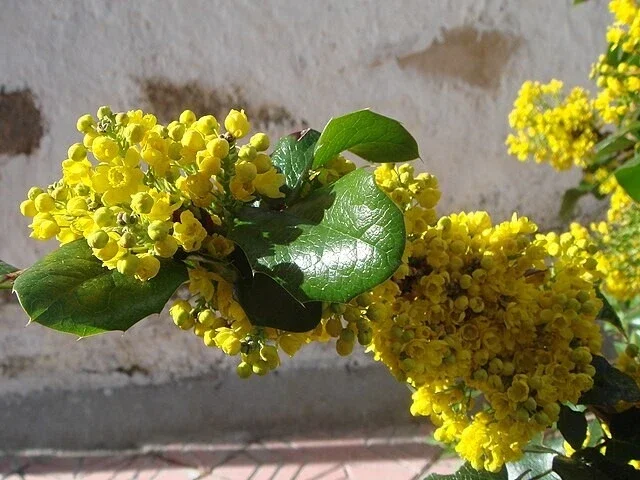
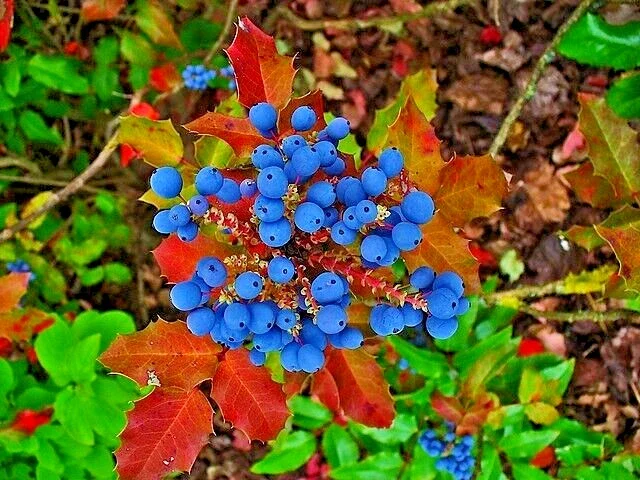
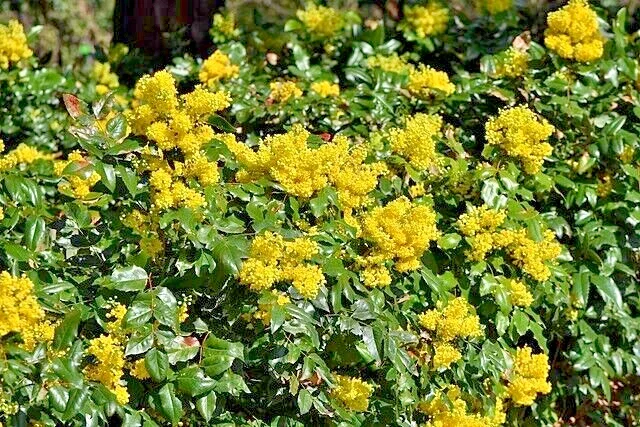
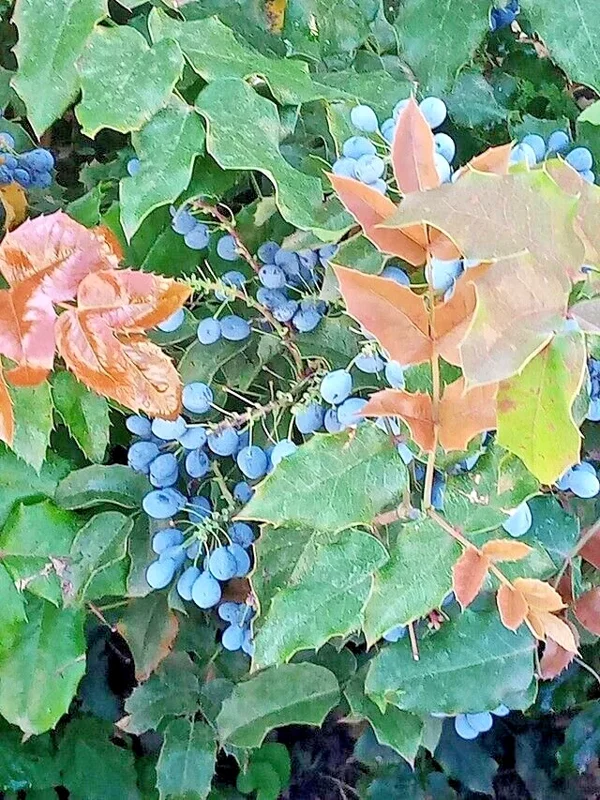
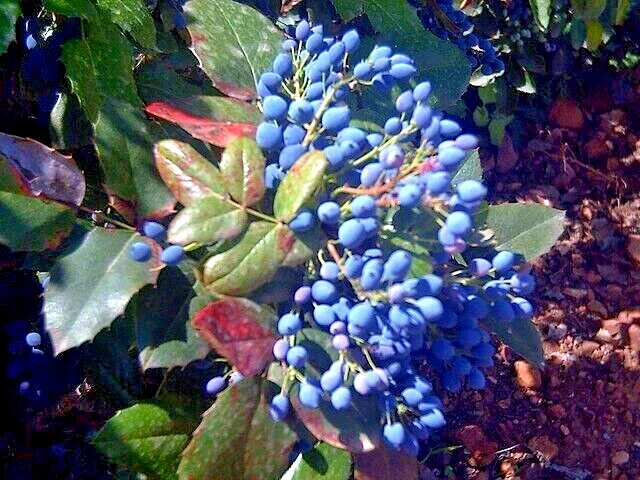
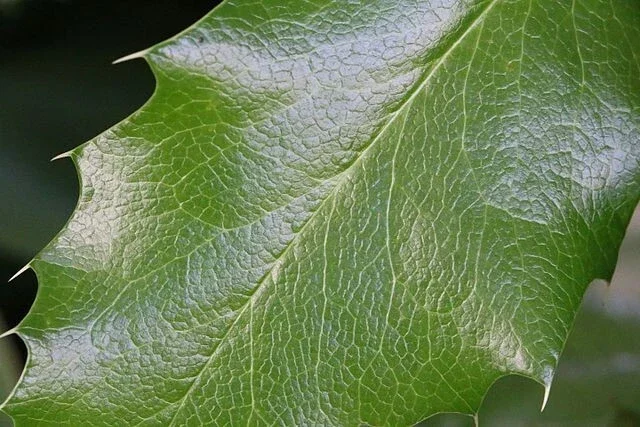
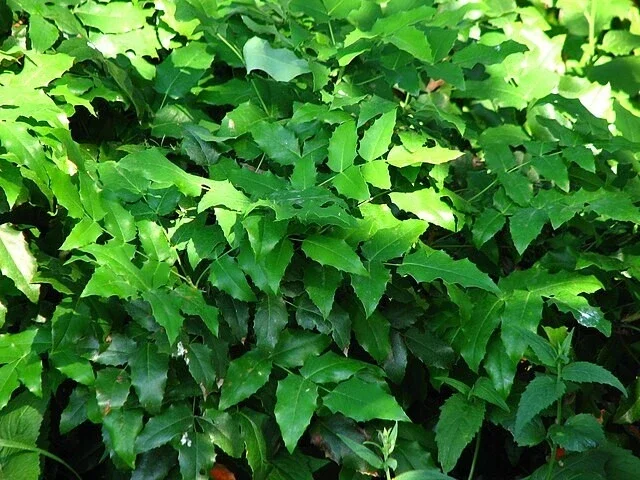
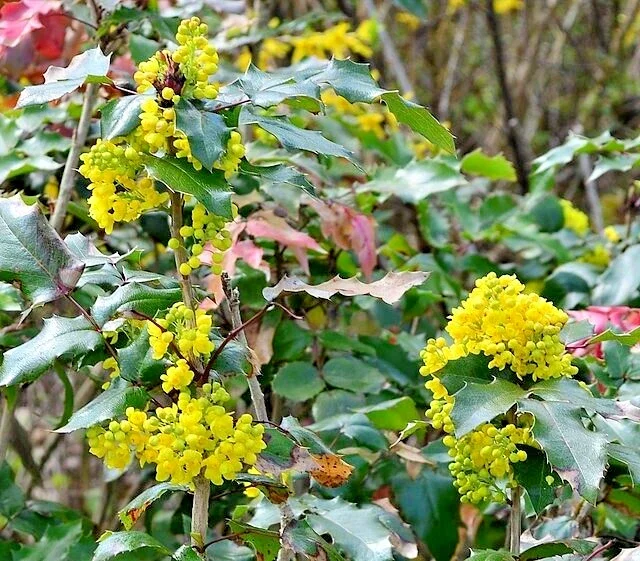
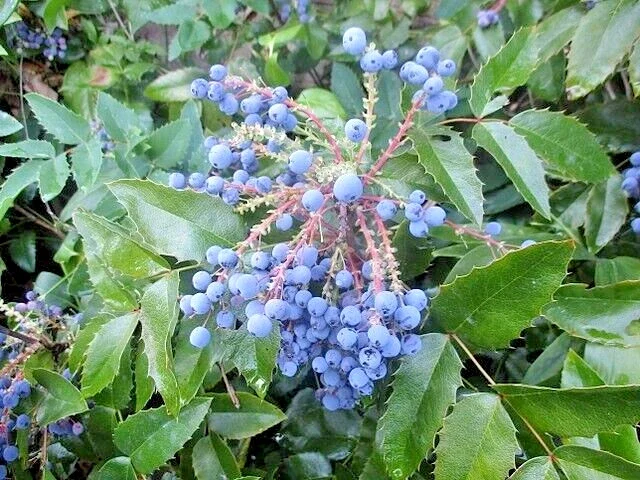
The Mahonia aquifolium is a versatile plant, often growing as a bushy, clumping shrub. Its distinctive spiny, holly-like leaves provide textural interest, while the clusters of cheerful yellow flowers that emerge in spring offer an early source of nectar for pollinators. Following the blooms, dark blue to black berries develop, attracting birds and providing a delightful visual contrast against the deep green leaves. Growing Mahonia aquifolium seeds allows you to witness the full life cycle of this robust shrub, from germination to a mature, thriving plant.
Key Benefits
Adding Oregon Grape Holly seeds to your garden offers a multitude of advantages, enhancing both the aesthetic appeal and ecological value of your outdoor environment. These seeds are a gateway to cultivating a plant that delivers continuous benefits.
- Year-Round Beauty: The evergreen foliage of the Mahonia aquifolium provides consistent color and structure in your garden, even through the colder months, ensuring your landscape remains vibrant.
- Wildlife Attraction: The bright yellow flowers are a magnet for early spring pollinators, and the subsequent berries are a favored food source for various bird species, supporting local wildlife.
- Edible Berries: The tart, dark berries produced by the Oregon Grape Holly are not only ornamental but also edible, often used in jams, jellies, and pies, offering a unique culinary experience.
- Cold Resistance: Known for its hardiness, this plant is exceptionally cold resistant, making it suitable for a wide range of climates and less susceptible to winter damage.
- Low Maintenance: Once established, Mahonia aquifolium is a remarkably self-sufficient plant, requiring minimal care and attention, freeing up your time to enjoy your garden.
- Native Plant Benefits: As a native wildflower seeds option, planting Oregon Grape Holly helps support local ecosystems, promotes biodiversity, and typically requires less water and intervention than non-native species.
- Erosion Control: Its clumping growth habit and strong root system make it an excellent choice for stabilizing slopes and preventing soil erosion in your garden.
Plant Care & Growing Tips
Growing Oregon Grape Holly seeds is considered easy, making it an ideal choice for both novice and experienced gardeners. For optimal growth, Mahonia aquifolium thrives in a variety of conditions, showing remarkable adaptability. These seeds prefer a location with partial shade to full sun. While it can tolerate full sun, especially in cooler climates, some afternoon shade can protect it from intense heat, particularly in warmer regions. Aim for at least 4-6 hours of sunlight daily for the best flowering and berry production.
When it comes to watering, Mahonia aquifolium prefers medium moisture. Water regularly during its establishment phase; once mature, it becomes quite drought-tolerant, only needing supplemental watering during prolonged dry spells. The ideal soil type for these evergreen shrub seeds is well-draining, with a neutral pH. It adapts well to loam, peat, sand, and silt soils. Good drainage is crucial to prevent root rot. This plant is cold-hardy and generally thrives in USDA Hardiness Zones 5-8, tolerating significant winter temperatures.
Fertilization is typically not heavily required for established plants. A light application of a balanced, slow-release fertilizer in early spring can promote vigorous growth, especially for young plants grown from Oregon Grape Holly seeds. Pruning can be done after flowering to maintain shape or control size, though it’s generally not essential. Common problems are few, but watch for powdery mildew in humid conditions or rust, which can usually be managed with good air circulation and appropriate fungicides if necessary. Its robust nature and adaptability truly make it a cold resistant plant seeds option.
Size & Details
Our offering includes 51 high-quality Oregon Grape Holly seeds, ready for planting. These seeds will germinate and grow into a beautiful bushy shrub with a clumping growth habit. Mature plants typically reach a height of 3 to 10 feet and a spread of 3 to 5 feet, depending on growing conditions and climate. The growth rate is generally fast once established, allowing you to enjoy a substantial plant within a few years. The foliage is evergreen, maintaining its lush green appearance throughout the year, with some varieties developing bronze or purplish hues in winter.
The seeds are new and carefully packaged to ensure viability upon arrival. As a perennial, the Oregon Grape Holly will return year after year, providing continuous beauty and benefits to your garden. The plant produces vibrant yellow flowers in spring, followed by attractive black/blue berries in late summer to fall. These berries are not only decorative but also edible, with a tart flavor. Expect a beautiful display of green foliage, yellow flowers, and multi-colored berries (black, blue, green, pink, white) depending on the season and ripeness. This is a perfect plant to grow from Mahonia aquifolium seeds for a lasting garden feature.
Frequently Asked Questions
- Q: How big does the Oregon Grape Holly plant get? A: The Oregon Grape Holly typically grows as a bushy shrub, reaching heights of 3 to 10 feet with a spread of 3 to 5 feet. Its size can vary based on growing conditions and pruning.
- Q: Is this an indoor or outdoor plant? A: Mahonia aquifolium is primarily an outdoor plant. It is a very hardy perennial shrub that thrives in garden settings and is well-suited for landscaping.
- Q: How much sunlight does it need? A: This plant prefers partial shade to full sun. While it can tolerate full sun, especially in cooler climates, providing some afternoon shade can be beneficial in hotter regions to protect its foliage.
- Q: Is this plant easy to care for? A: Yes, the Oregon Grape Holly is considered an easy plant to cultivate. Once established, it is quite low-maintenance, requiring minimal watering and care, making it an excellent choice for beginners.
- Q: What condition will the Oregon Grape Holly seeds arrive in? A: The seeds are new and are carefully packaged to ensure they arrive in excellent condition, ready for planting.
- Q: When is the best time to plant these seeds? A: The best time to plant native wildflower seeds like Oregon Grape Holly is typically in the fall or early spring, allowing them to establish before extreme temperatures.
- Q: Will it survive winter in my zone? A: Yes, the Oregon Grape Holly is highly cold-resistant and thrives in USDA Hardiness Zones 5-8, making it suitable for many climates with cold winters.
- Q: Are the berries of the Oregon Grape Holly edible? A: Yes, the dark blue to black berries of the Mahonia aquifolium are edible. They have a tart flavor and are often used in making jams, jellies, and pies.
- Q: What type of soil is best for growing evergreen shrub seeds like these? A: Well-draining soil with a neutral pH is ideal. It can adapt to various soil types including loam, peat, sand, and silt, as long as drainage is adequate.
- Q: Does this plant attract wildlife? A: Absolutely! The yellow flowers attract pollinators in spring, and the berries are a valuable food source for birds, making it a great addition for wildlife habitats.




Reviews
There are no reviews yet.