Overview
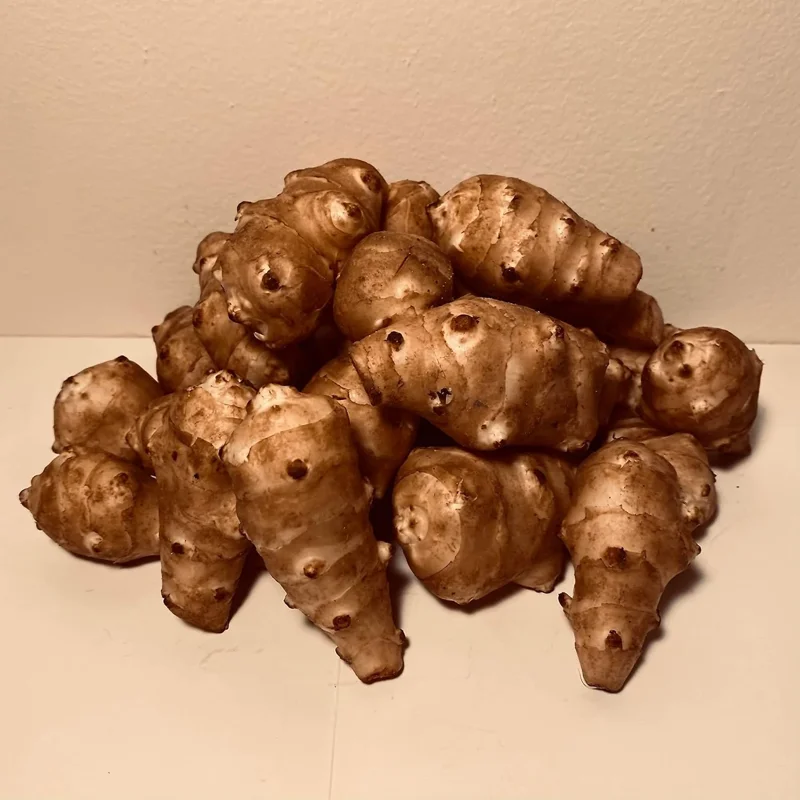
Embark on a rewarding gardening journey with our premium set of organic Jerusalem artichoke tubers. This collection features three robust Early Dwarf Sunray sunchoke tubers, specifically selected for their vigorous growth and delicious yield. Known scientifically as Helianthus tuberosus, the Jerusalem artichoke, or sunchoke, is not actually an artichoke but a species of sunflower native to North America. It produces edible tubers that are prized for their nutty, slightly sweet flavor, often compared to water chestnuts or jicama. These tubers are an excellent source of inulin, a prebiotic fiber, making them a healthy and versatile addition to any diet. Our organic Jerusalem artichoke tubers are grown without synthetic pesticides or fertilizers, ensuring you receive a pure and natural product ready for planting in your home garden. They are an ideal choice for both novice and experienced gardeners seeking to grow unique and nutritious vegetables.
The Early Dwarf Sunray variety is particularly favored for its more manageable size compared to other sunchoke varieties, making it suitable for smaller garden spaces while still delivering an abundant harvest. These tubers are remarkably resilient and can thrive in a variety of soil conditions, making them a low-maintenance option for sustainable gardening. Whether you’re planning to roast, boil, fry, or enjoy them raw, these Early Dwarf Sunray sunchoke tubers provide a delightful culinary experience straight from your garden. Prepare to enjoy fresh, wholesome produce with minimal effort and maximum satisfaction.
Key Benefits
Growing these organic Jerusalem artichoke tubers offers a multitude of advantages for both your garden and your plate. They are incredibly easy to cultivate and provide a reliable harvest year after year.
- Nutrient-Rich Edible Tubers: Harvest delicious, crisp tubers packed with inulin, vitamins, and minerals. These tubers are a healthy alternative to potatoes and can be enjoyed in various culinary applications, from stir-fries to soups.
- Low-Maintenance Gardening: Sunchokes are exceptionally hardy and require minimal care once established. They are drought-tolerant and can thrive in less-than-ideal soil conditions, making them perfect for busy gardeners.
- Sustainable Food Source: As a perennial plant, growing sunchokes means you plant them once and enjoy harvests for many years to come. They naturally replenish themselves, offering a continuous supply of fresh produce.
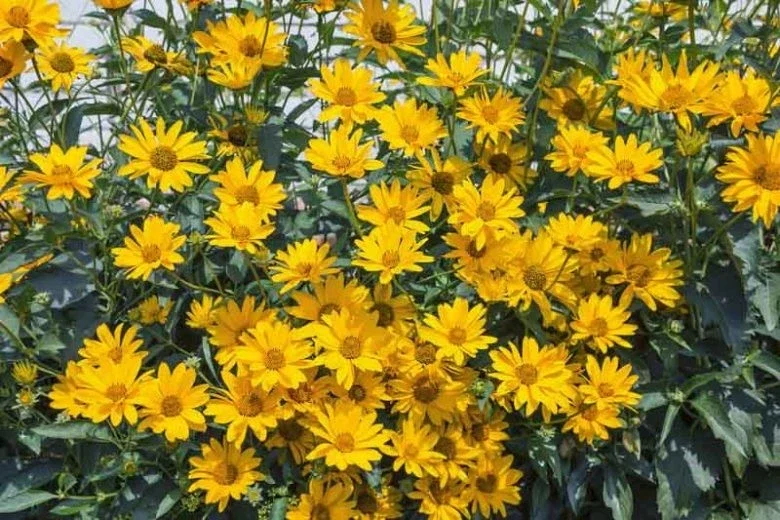
- Supports Pollinators: Like their sunflower cousins, Jerusalem artichoke plants produce bright yellow, daisy-like flowers in late summer, attracting bees and other beneficial pollinators to your garden.
- Natural Soil Improver: Their extensive root systems can help break up compacted soil and improve soil structure, contributing to a healthier garden ecosystem.
- Unique Culinary Versatility: The unique flavor and texture of these tubers make them a fantastic ingredient for adventurous cooks. They can be roasted, mashed, sautéed, pickled, or even eaten raw for a crunchy snack.
- Adaptable to Various Climates: These tubers are known for their hardiness across a wide range of USDA zones, making them suitable for many different growing environments.
Plant Care & Growing Tips
To ensure a successful yield from your organic Jerusalem artichoke tubers, consider these essential care and growing tips. Sunchokes are wonderfully resilient plants, but providing them with optimal conditions will maximize their growth and productivity. Plant your tubers in a location that receives full sun, meaning at least 6-8 hours of direct sunlight per day. While they can tolerate partial shade, full sun promotes stronger growth and a better tuber harvest. Ensure the planting site has good air circulation to prevent fungal issues later in the season.
These plants are not particular about soil type, thriving in almost any well-draining soil. However, for the best results, aim for a loamy soil enriched with organic matter. Avoid heavy clay soils that retain too much moisture, as this can lead to tuber rot. Plant the tubers about 4-6 inches deep and 12-18 inches apart in early spring, after the last frost date. Water thoroughly after planting. Once established, sunchokes are quite drought-tolerant, but consistent moisture, especially during dry spells, will encourage larger tuber development. Fertilize sparingly; a balanced organic fertilizer applied in early summer is generally sufficient. Excessive nitrogen can lead to more foliage and fewer tubers. Keep an eye out for common garden pests, though sunchokes are generally resistant. For optimal harvests and to prevent them from becoming invasive, consider planting Jerusalem artichoke in a dedicated bed or using root barriers.
Size & Details
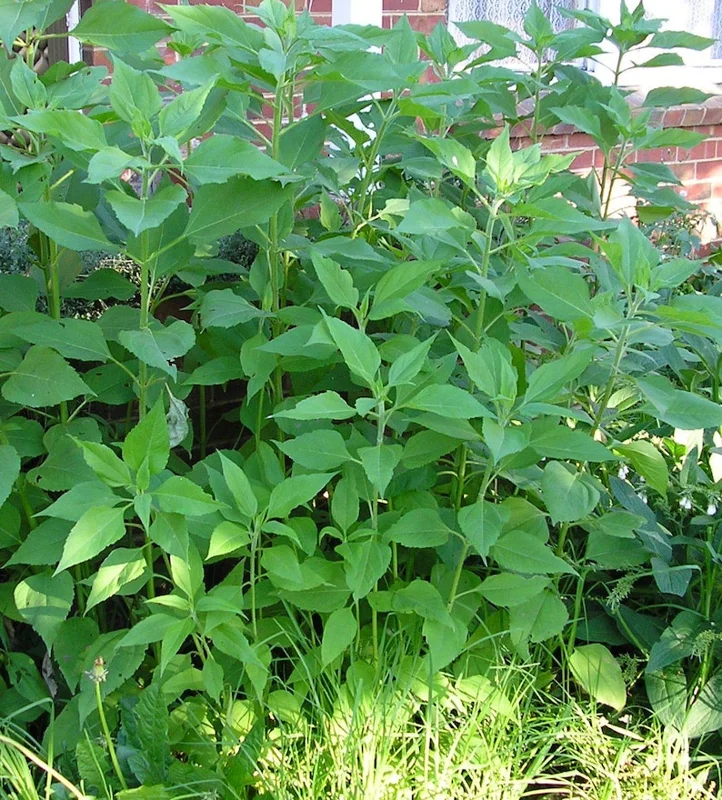
This offering includes a set of 3 organic Jerusalem artichoke tubers of the Early Dwarf Sunray variety, carefully selected for planting. Each tuber is approximately 1-3 inches in length, ready to sprout and establish itself in your garden. The Early Dwarf Sunray variety is known for its more compact growth habit, typically reaching a height of 4-6 feet, which is shorter than many other sunchoke varieties, making it more manageable for home gardens. These tubers are shipped dormant, ensuring they arrive in optimal condition for planting in early spring. Expect to see foliage emerge within a few weeks of planting, with the plants growing vigorously throughout the summer. The delicious edible tubers will be ready for harvest in late fall, after the first hard frost, which helps to sweeten their flavor. You can leave some tubers in the ground over winter for a continuous supply the following year, as they are very cold-hardy.
Frequently Asked Questions
- Q: How big does this plant get? A: The Early Dwarf Sunray sunchoke variety typically grows to a height of 4-6 feet, which is a more manageable size compared to other sunchoke varieties. Its spread can be about 2-3 feet wide.
- Q: What size tubers are included in this set? A: This set includes 3 organic tubers, each approximately 1-3 inches in length, perfectly sized for successful planting and vigorous growth.
- Q: Is this an indoor or outdoor plant? A: Jerusalem artichokes are primarily an outdoor plant, thriving in garden beds. While they can be grown in very large containers, they perform best when planted directly in the ground.
- Q: How much sunlight does it need? A: For optimal growth and tuber production, these plants require full sun, meaning at least 6-8 hours of direct sunlight per day. They can tolerate partial shade but may yield fewer tubers.
- Q: Is this plant easy to care for? A: Yes, growing sunchokes is considered very easy. They are hardy, drought-tolerant, and require minimal attention once established, making them excellent for beginner gardeners.
- Q: What condition will the tubers arrive in? A: The tubers will arrive dormant and ready for planting. They are carefully packaged to ensure they reach you in excellent condition, ready to sprout when planted.
- Q: When is the best time for planting Jerusalem artichoke? A: The best time for planting Jerusalem artichoke tubers is in early spring, after the last danger of frost has passed in your region.
- Q: Can I use these tubers in cooking? A: Absolutely! These are delicious and versatile edible tubers. They can be roasted, boiled, fried, mashed, used in soups, or eaten raw in salads, offering a unique nutty and slightly sweet flavor.
- Q: Will it survive winter in my zone? A: Jerusalem artichoke tubers are very cold-hardy and can overwinter successfully in the ground in most temperate climates, typically USDA Zones 3-9. You can leave some tubers in the soil for a perennial harvest.
- Q: How long until I can harvest the tubers? A: Tubers are typically ready for harvest in late fall, after the plant’s foliage has died back and ideally after the first hard frost, which improves their flavor.





Reviews
There are no reviews yet.