Overview
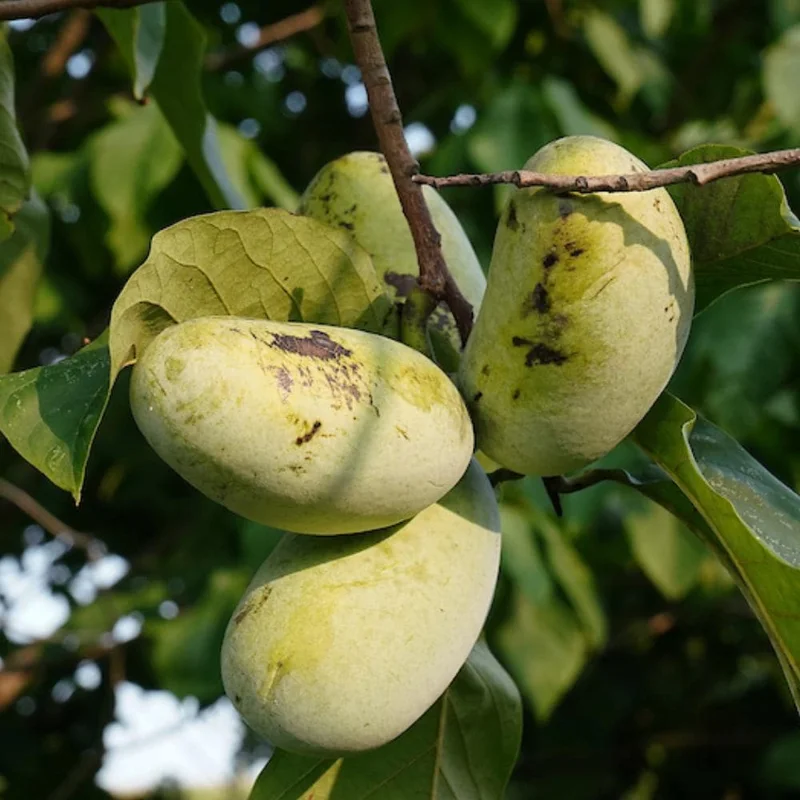
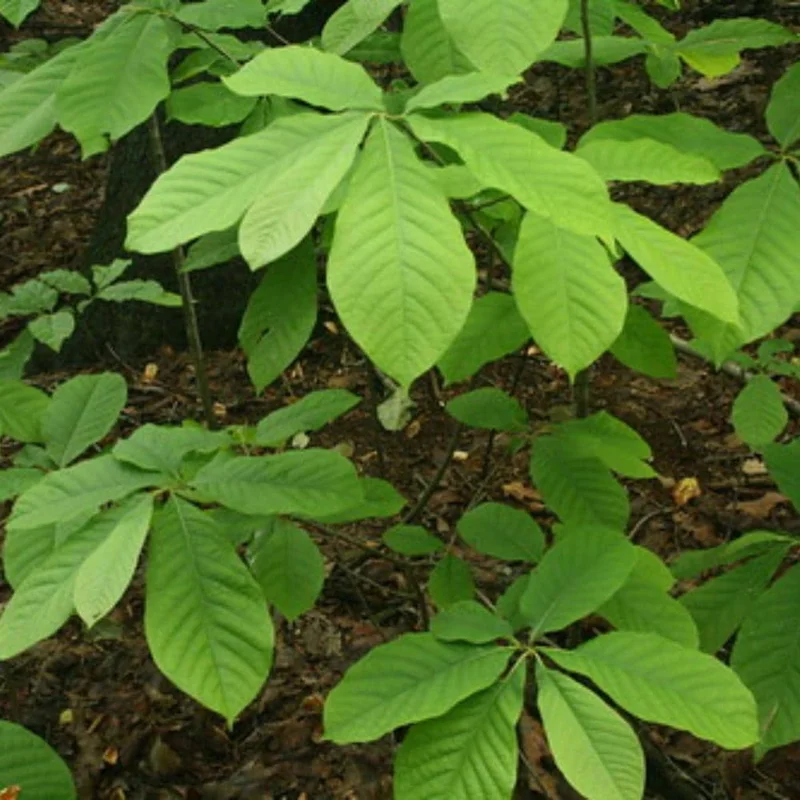
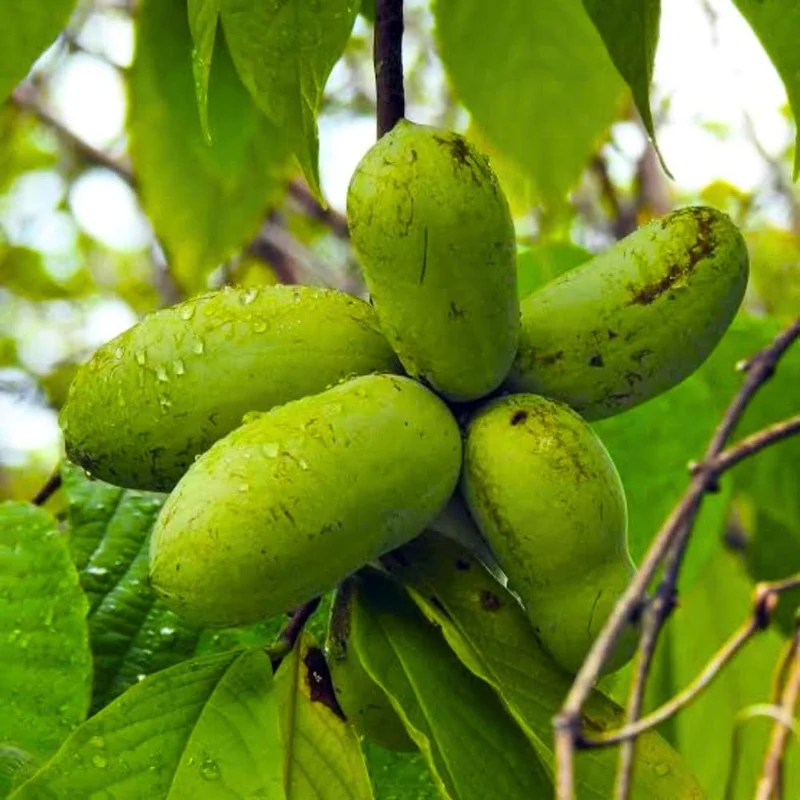
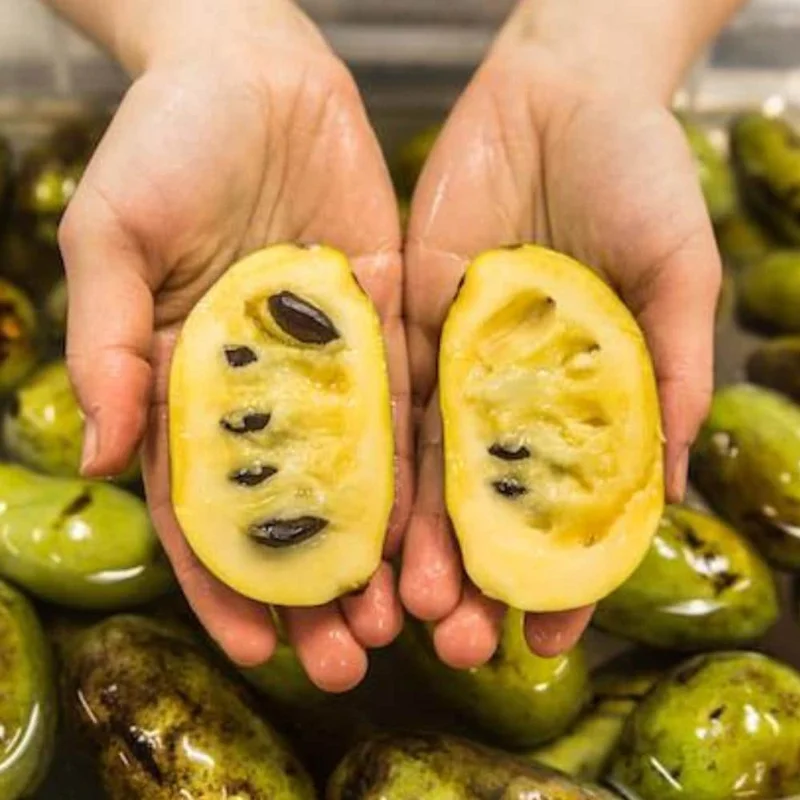
Discover the joy of growing your own exotic fruit with this remarkable paw paw live plant. Native to North America, Asimina triloba, commonly known as the American pawpaw, is a deciduous tree celebrated for its unique, creamy, banana-mango flavored fruit. This 1-year-old seedling arrives healthy and well-rooted in a quart pot, ready to be planted in your garden. The pawpaw is an often-overlooked native fruit tree that offers a delightful alternative to more common orchard selections, bringing a touch of the tropics to temperate climates.
The asimina triloba tree is a fascinating specimen for both seasoned gardeners and plant enthusiasts looking to expand their collection. It’s not only a source of delicious fruit but also an attractive addition to any landscape, providing shade and contributing to local biodiversity. Embrace the opportunity to cultivate this rare and rewarding fruit tree in your own backyard.
Key Benefits
Bringing a paw paw live plant into your garden offers numerous advantages, from its unique fruit to its resilient nature. This tree is a fantastic choice for those seeking a low-maintenance yet highly rewarding fruit-bearing specimen.
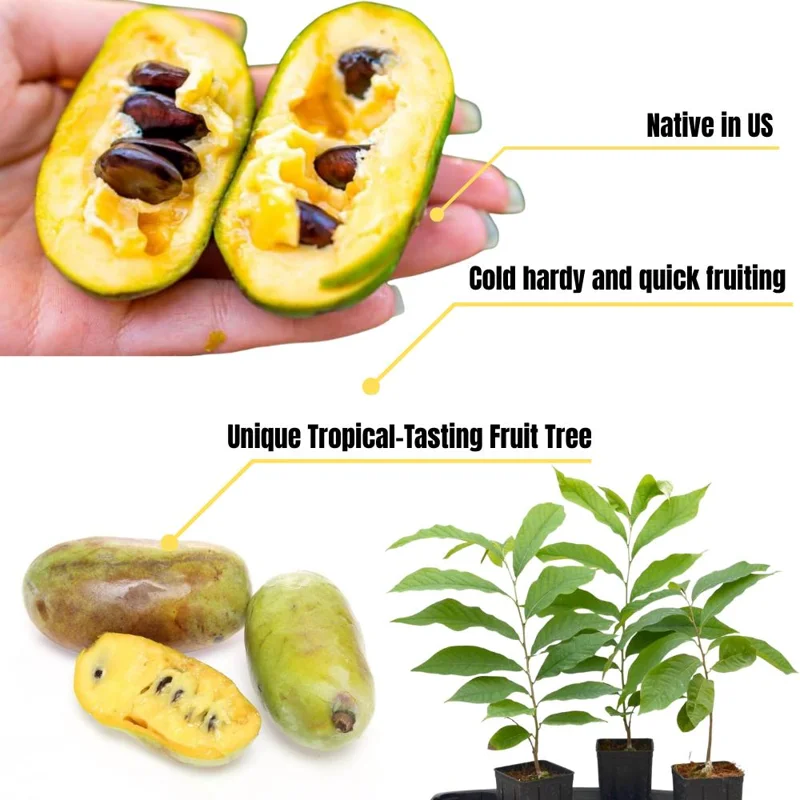
- Unique Tropical Fruit Production: Enjoy creamy, sweet fruit with a distinctive banana-mango flavor, a rare treat that often surprises those unfamiliar with the american pawpaw fruit. These fruits are nutrient-rich and delicious straight from the tree.
- Cold Hardy & Easy to Grow: Unlike many tropical fruit trees, the pawpaw is remarkably cold hardy, thriving in a wide range of USDA zones. It’s known for being relatively low-maintenance once established, making it suitable for various gardening skill levels.
- Native American Heritage: Plant a piece of American history! Pawpaws are native to the eastern United States and have been a food source for centuries, contributing to native ecosystems and wildlife.
- Attractive Landscape Addition: Beyond its fruit, the asimina triloba tree provides beautiful foliage, especially in autumn when leaves turn a vibrant yellow, adding ornamental value to your home garden or native landscape.
- Supports Local Wildlife: The fruit is a favorite of many animals, and the tree serves as a host plant for the zebra swallowtail butterfly, promoting biodiversity in your garden.
- Perfect for Home Orchards: Whether you’re starting a new orchard or adding to an existing one, the pawpaw offers a distinctive fruit that can diversify your harvest and provide a unique flavor profile.
- Beginner-Friendly Fruit Tree: With its resilience and adaptability, learning how to grow pawpaw is a rewarding experience, even for those new to fruit tree cultivation.
Plant Care & Growing Tips
Caring for your paw paw live plant is straightforward, especially once it’s established. Pawpaws prefer moist, well-drained soil with a slightly acidic to neutral pH. When planting, ensure the site receives full sun to partial shade. Young pawpaw trees often benefit from some afternoon shade in their first year or two to prevent sunscald, but mature trees produce best fruit in full sun. Consider using a temporary shade cloth if planting in a very sunny location.
Water your asimina triloba tree regularly, especially during dry spells and its first few years of growth, to ensure the soil remains consistently moist but not waterlogged. Deep watering encourages robust root development. Fertilize in early spring with a balanced, slow-release fertilizer, following product instructions. Pawpaws typically require cross-pollination, so planting at least two genetically different trees is essential for fruit production. If you’re wondering how to grow pawpaw successfully, remember that proper site selection and initial care are key to establishing a healthy, fruit-bearing tree.
The cold hardy fruit tree is generally pest and disease resistant, making it an excellent choice for organic gardening. Pruning is usually minimal, focused on removing dead, damaged, or crossing branches to maintain good air circulation and tree structure. Protect young trees from deer, as they may browse on tender new growth. Pawpaws are generally hardy in USDA Zones 5-8, tolerating winter temperatures well below freezing. This resilience makes it an ideal cold hardy fruit tree for many regions.
Size & Details
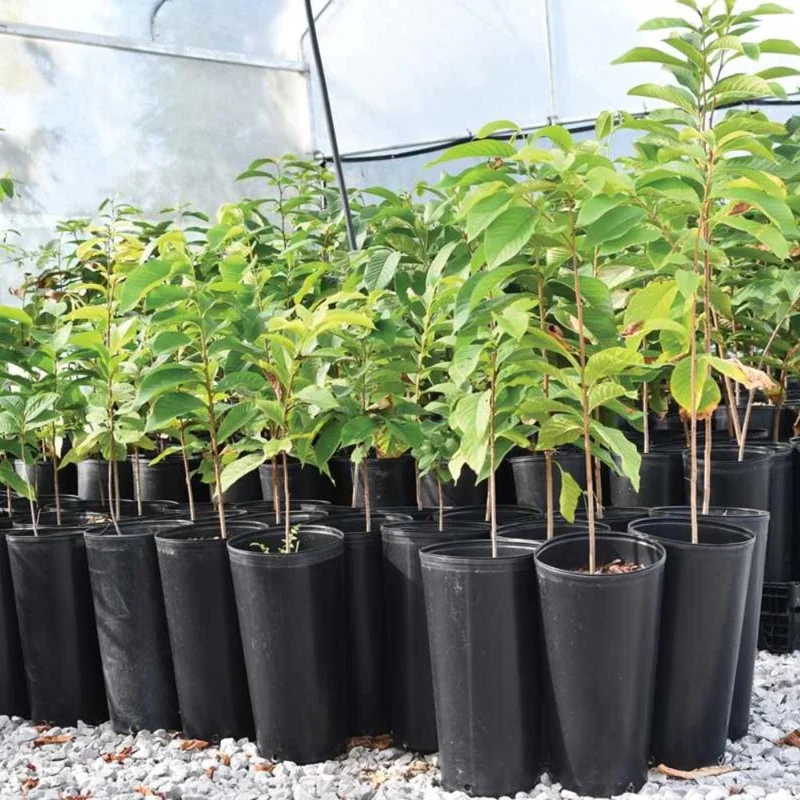
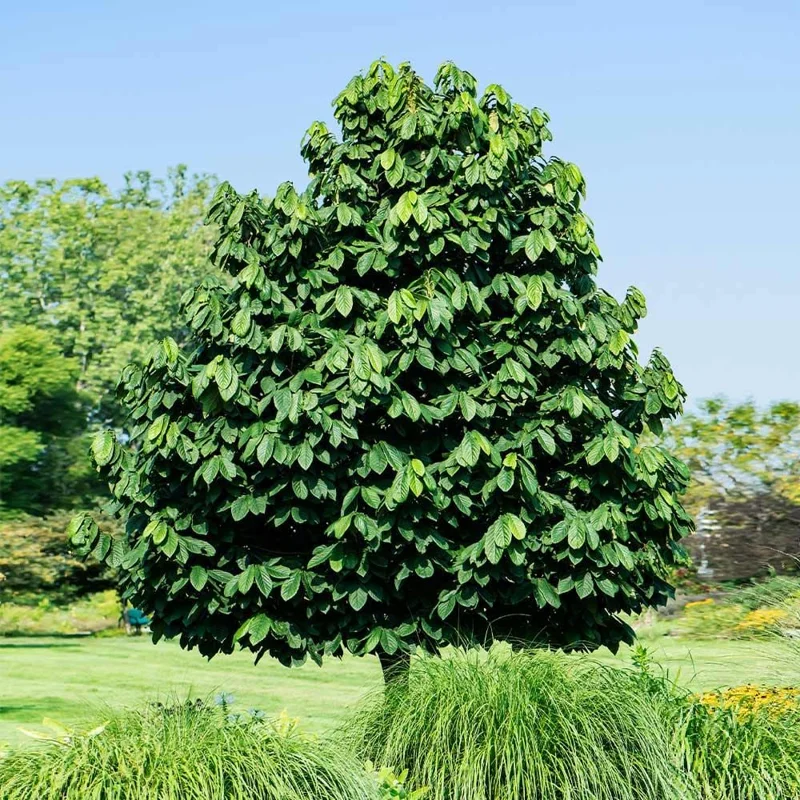
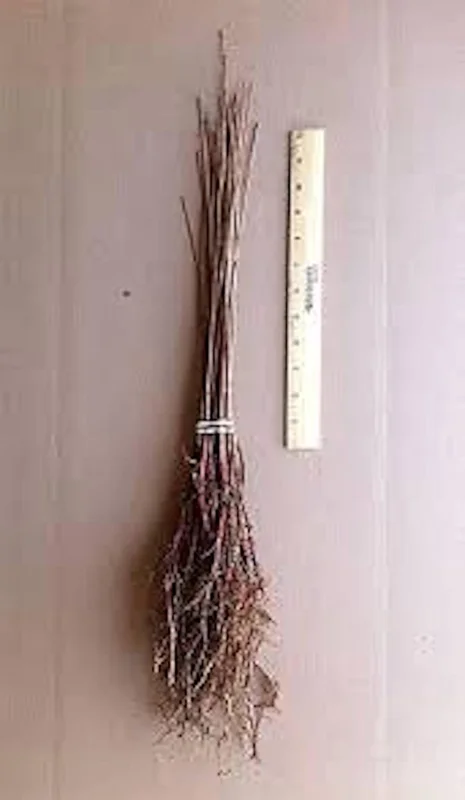
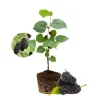
This offering is for a 1-year-old paw paw live plant, grown in a quart-sized nursery pot. The plant arrives well-rooted and healthy, typically standing between 6-12 inches tall, though exact dimensions may vary slightly depending on growth stage and genetics. Pawpaw trees are known for their moderate growth rate, eventually reaching heights of 15-20 feet with a similar spread, forming an attractive pyramid or oval shape. Expect your tree to begin flowering and producing american pawpaw fruit within 3-5 years after planting, depending on growing conditions and care.
The tree will ship in its nursery container, ensuring minimal transplant shock and providing a strong start in your garden. The asimina triloba tree is a valuable addition to native landscapes, woodland gardens, or as a specimen plant in a home orchard. Its unique characteristics make it a conversation starter and a source of delicious, homegrown fruit for years to come.
Frequently Asked Questions
- Q: How big does this paw paw live plant get? A: This is a 1-year-old seedling, typically 6-12 inches tall. Mature pawpaw trees can reach 15-20 feet in height and spread, forming a medium-sized tree.
- Q: Is this an indoor or outdoor plant? A: The asimina triloba tree is an outdoor plant. It is a deciduous tree that requires a period of dormancy and is very cold hardy, making it unsuitable for long-term indoor cultivation.
- Q: How much sunlight does the paw paw tree need? A: Young pawpaw trees benefit from partial shade, especially in the afternoon, for their first year or two. Mature trees thrive and produce the most fruit in full sun (at least 6-8 hours of direct sunlight daily).
- Q: Is this plant easy to care for? A: Yes, pawpaw trees are considered relatively easy to care for once established. They are tolerant of various soil types and are generally resistant to most pests and diseases, making them a great cold hardy fruit tree for gardeners.
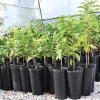
- Q: What condition will the paw paw live plant arrive in? A: Your paw paw live plant will arrive healthy and well-rooted in its quart-sized nursery pot, carefully packaged to ensure a safe journey.
- Q: How long until it produces american pawpaw fruit? A: Typically, a pawpaw tree grown from a seedling will begin to produce fruit within 3-5 years after planting, provided it has suitable growing conditions and cross-pollination.
- Q: Will it survive winter in my zone? A: Pawpaw trees are very cold hardy and are suitable for USDA Zones 5-8, tolerating winter temperatures well below freezing. This makes them a reliable option for many temperate climates.
- Q: Do I need more than one paw paw tree to get fruit? A: Yes, for optimal fruit production, you will need at least two genetically different pawpaw trees for cross-pollination. This is a crucial step when learning how to grow pawpaw for fruit.
- Q: What kind of soil does the asimina triloba tree prefer? A: Pawpaw trees prefer moist, well-draining soil that is rich in organic matter. A slightly acidic to neutral pH is ideal for healthy growth and fruit development.
- Q: What is the best time to plant a paw paw live plant? A: The best time to plant your pawpaw tree is in the spring after the last frost, or in early fall before the ground freezes, allowing it to establish before extreme temperatures.




Reviews
There are no reviews yet.