Overview
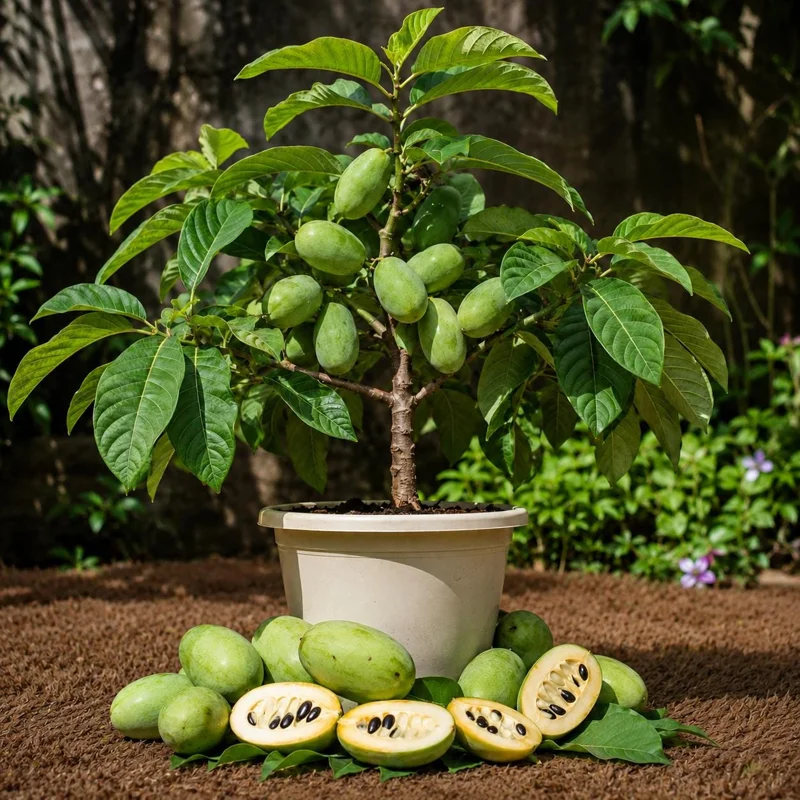
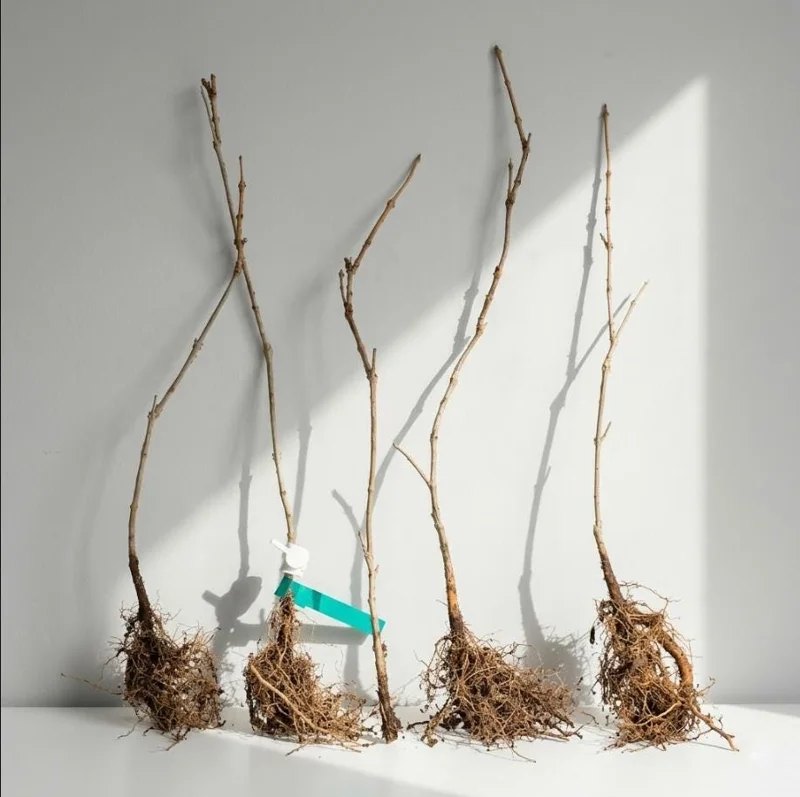
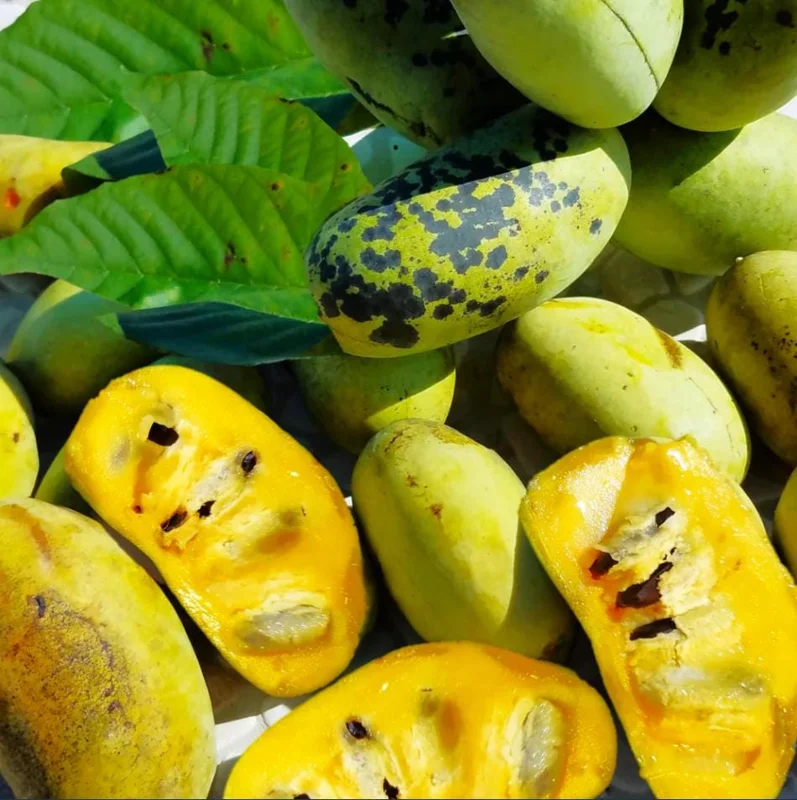
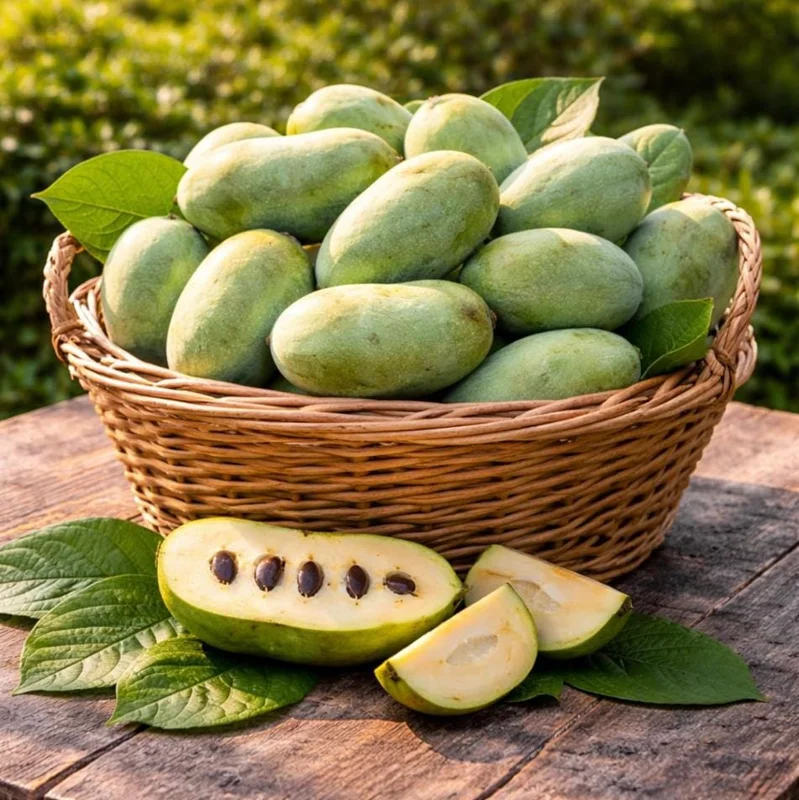
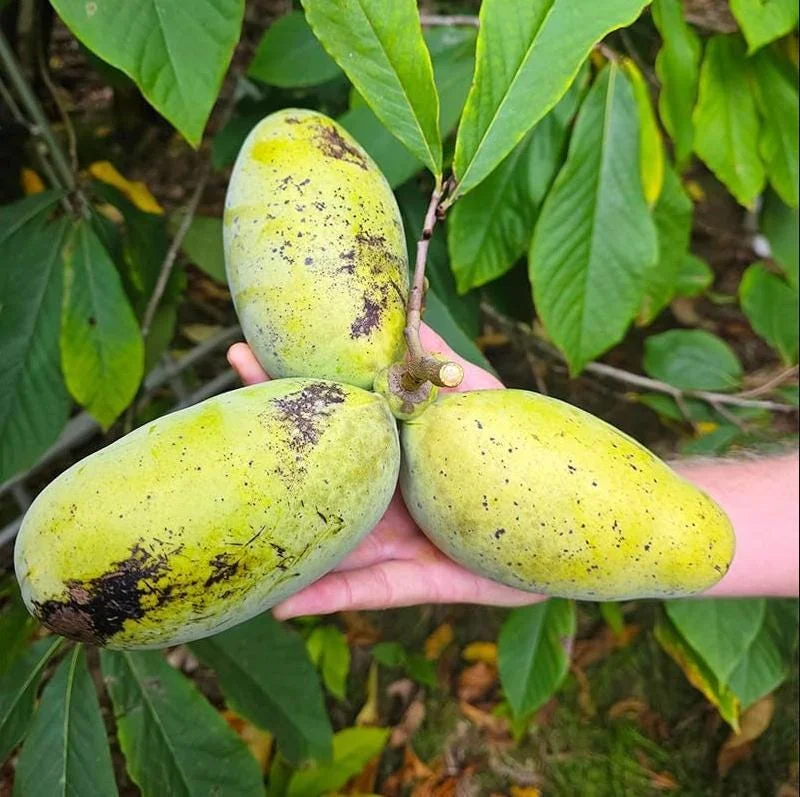
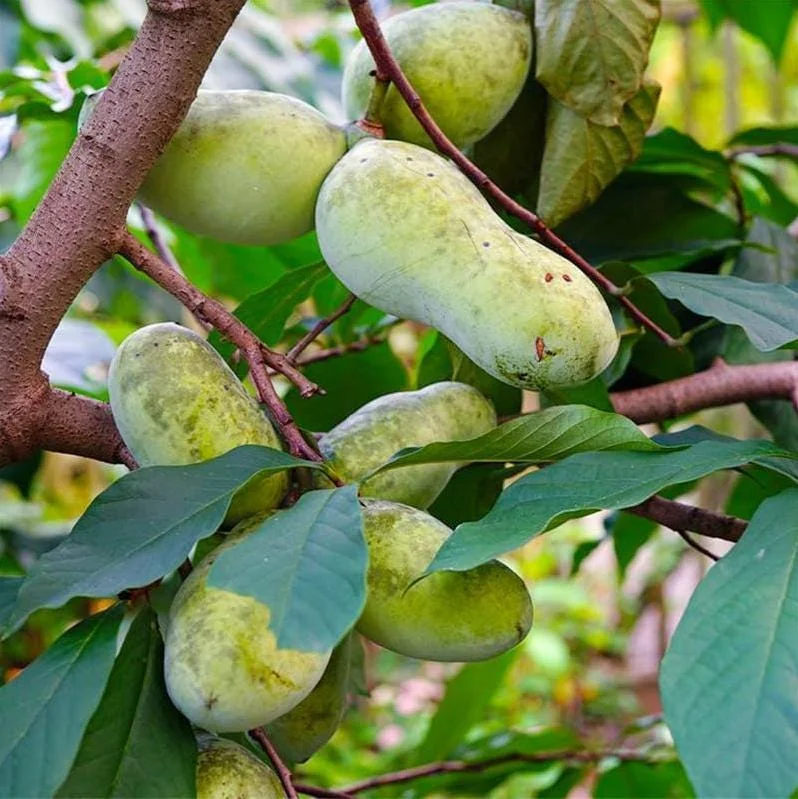
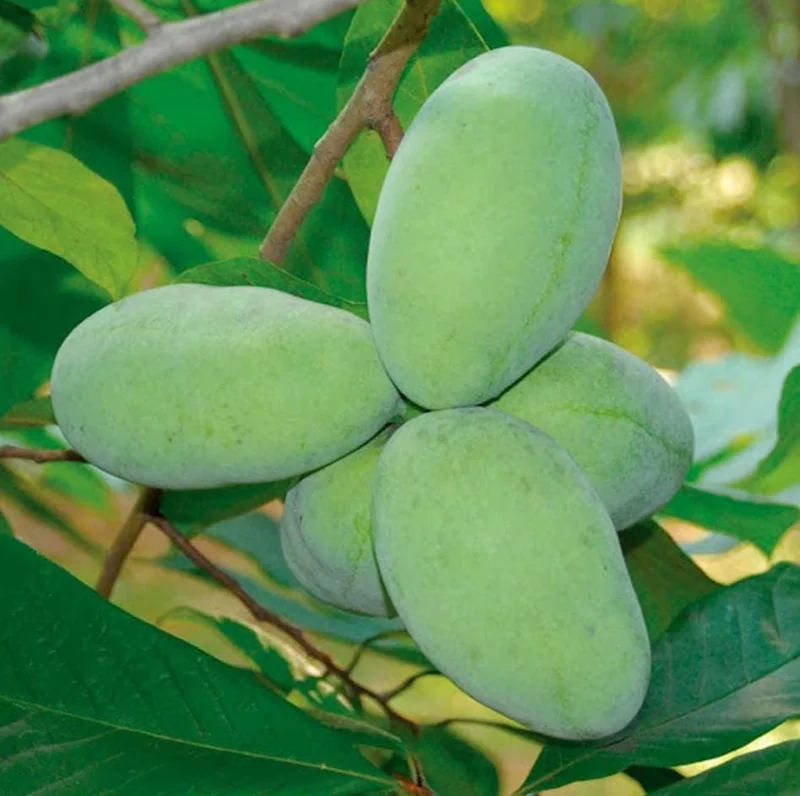
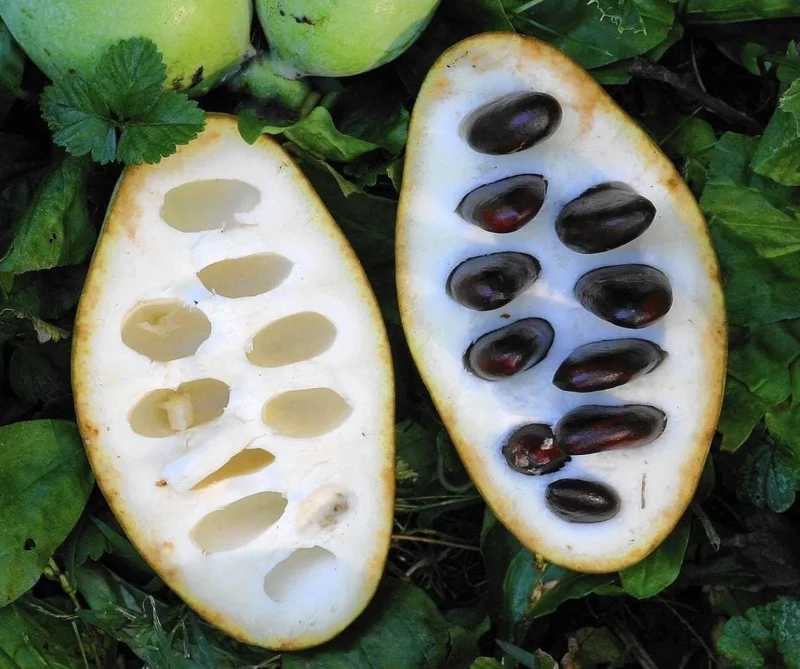
Bring the unique taste of America’s native fruit to your garden with this set of pawpaw bare root plants. Known botanically as Asimina triloba, the pawpaw is a fascinating deciduous fruit tree native to the eastern United States. These bare root specimens are supplied dormant and ready for planting, making them an excellent choice for establishing an orchard or adding a distinctive element to your garden. The pawpaw produces large, custard-like fruits with a flavor often described as a blend of banana, mango, and pineapple, making it a highly prized addition to any edible landscape. Our bare roots are a cost-effective and efficient way to grow these hardy and rewarding trees.
The pawpaw tree is a resilient and relatively low-maintenance plant once established. It’s an excellent option for gardeners looking for something unique and sustainable. Each bare root is carefully selected to ensure a strong start in your garden, promising future harvests of delectable, nutritious fruit. Discover the joy of growing this often-overlooked native treasure.
Key Benefits
Growing pawpaw bare root plants offers a wealth of benefits for both the gardener and the environment. These native fruit trees are not only a source of delicious fruit but also contribute to local ecosystems:
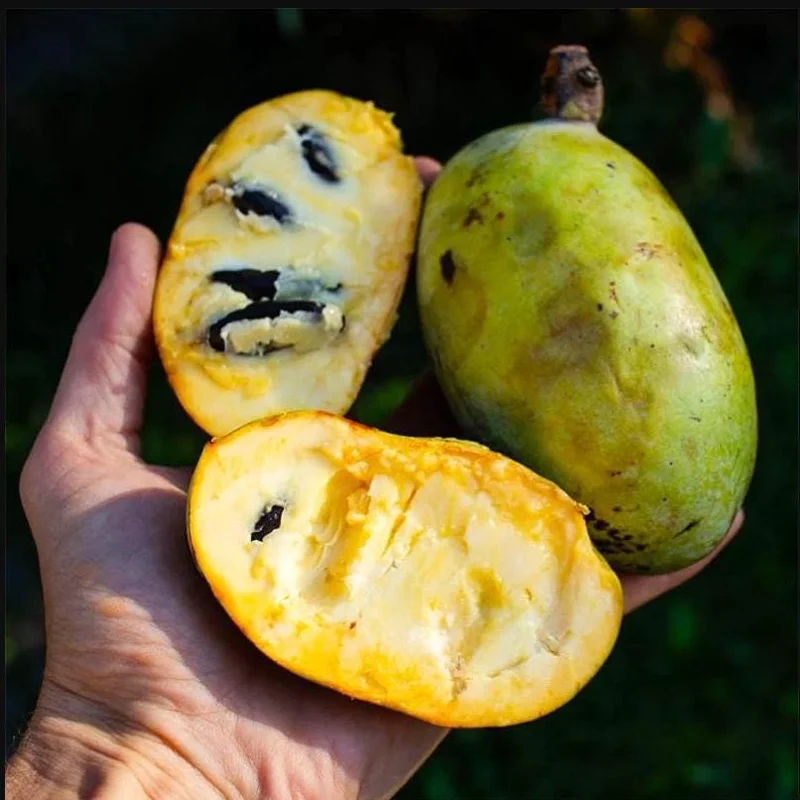
- Unique Edible Fruit: Enjoy the rich, tropical-like flavor of pawpaw fruits, a distinctive taste that stands out from common orchard fruits. The custardy pulp is excellent fresh, in desserts, or as a unique ingredient.
- Native & Hardy: As a native fruit tree, the pawpaw is well-adapted to temperate climates, showing excellent cold hardiness and disease resistance, requiring less intervention than many non-native fruit species.
- Low Maintenance: Once established, asimina triloba plants require minimal care, making them suitable for both experienced and novice gardeners looking for a rewarding fruit-bearing tree.
- Ecological Value: Pawpaw trees serve as a host plant for the zebra swallowtail butterfly, contributing to local biodiversity and supporting native wildlife. They are a valuable component of a thriving edible landscape.
- Shade Tolerance: Young pawpaw plants tolerate partial shade, allowing for more versatile planting locations compared to many other fruit trees that demand full sun from the start.
- Nutritional Benefits: Pawpaw fruits are rich in vitamins, minerals, and amino acids, offering a healthy and delicious addition to your diet.
- Sustainable Gardening: By planting native species like the pawpaw, you support sustainable gardening practices and reduce the need for excessive watering or chemical treatments.
Plant Care & Growing Tips
To ensure the successful establishment and growth of your pawpaw bare root plants, proper care is essential. Pawpaws prefer a location with full sun to partial shade. While mature trees thrive in full sun for optimal fruit production, young plants benefit from some afternoon shade to protect their tender leaves from scorching. Aim for at least 6 hours of direct sunlight once established. Consistent moisture is crucial, especially during the first few years after planting. The soil should be kept evenly moist but not waterlogged, particularly during dry spells. Mulching around the base of the plant can help retain soil moisture and regulate temperature.
Asimina triloba thrives in rich, fertile, slightly acidic, and well-drained soil. Amend heavy clay soils with organic matter like compost to improve drainage and fertility. A soil pH between 5.5 and 7.0 is ideal. Pawpaws are cold hardy and suitable for USDA Zones 5-8, tolerating winter temperatures well. Fertilize sparingly in the first year; once established, a balanced slow-release fertilizer can be applied in early spring. Protect young trees from strong winds and harsh winter conditions initially. While generally robust, keep an eye out for common pests like the pawpaw peduncle borer, though serious issues are rare for this resilient native fruit tree.
Size & Details
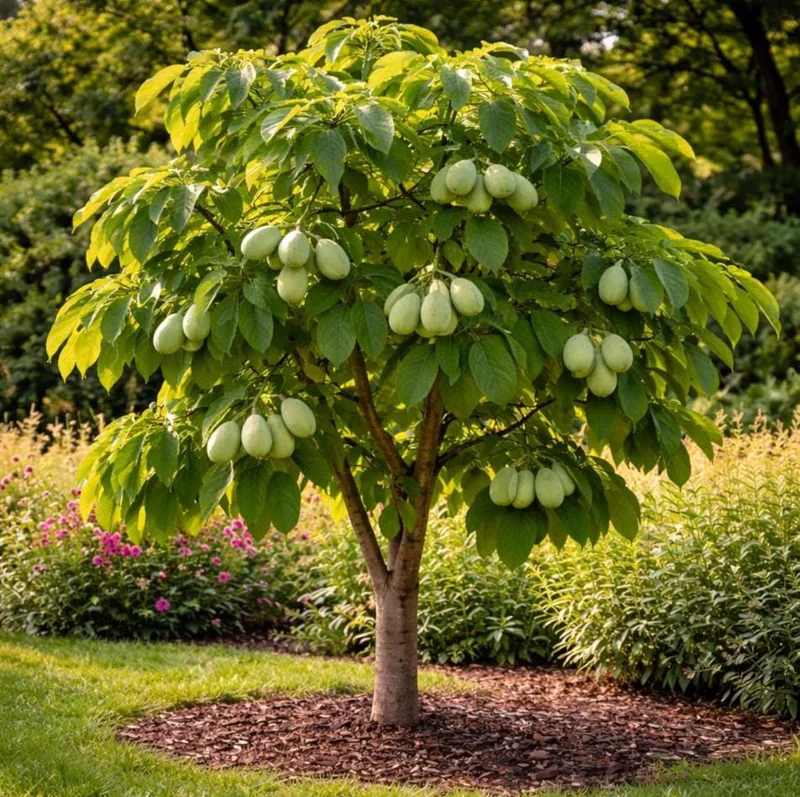
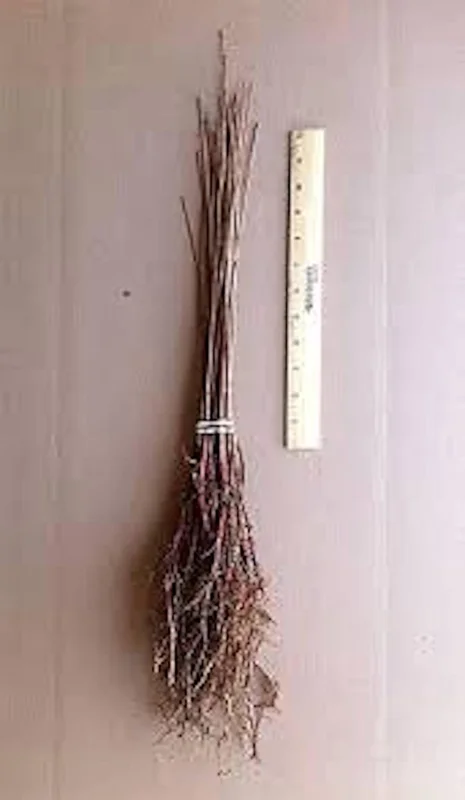
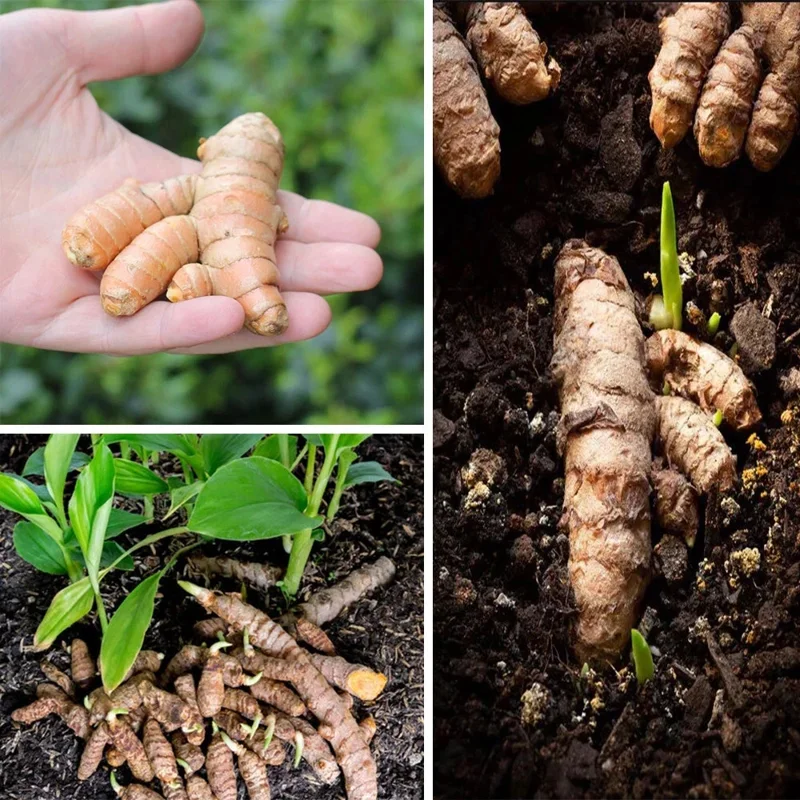
This offering includes a set of five (5) pawpaw bare root plants, each measuring approximately 10-15 inches tall. These bare roots are supplied dormant, without soil or a pot, which is the ideal state for planting these deciduous trees. Planting bare roots in late winter to early spring, before new growth begins, allows them to establish a strong root system before the demands of foliage and fruit production. Pawpaw trees have a moderate growth rate, typically reaching 15-20 feet tall and 10-15 feet wide at maturity, forming a small to medium-sized tree. Expect to see initial leaf growth in the first season, with fruit production usually beginning 3-5 years after planting. The pawpaw is a unique choice for a sustainable and productive edible landscape.
Frequently Asked Questions
- Q: How big does this pawpaw bare root get after planting? A: Your pawpaw bare root will typically grow into a small to medium-sized tree, reaching heights of 15-20 feet and widths of 10-15 feet at maturity. Growth rate is moderate, with visible development in the first year.
- Q: Is this an indoor or outdoor plant? A: The pawpaw tree is an outdoor deciduous fruit tree, best suited for temperate climates. It requires seasonal changes to thrive and produce fruit, making it unsuitable for indoor cultivation.
- Q: How much sunlight does a pawpaw bare root need? A: Young asimina triloba plants prefer partial shade, especially in the afternoon, to prevent leaf scorch. Established trees thrive in full sun (at least 6 hours daily) for optimal fruit production.
- Q: Is this plant easy to care for? Is it good for beginners? A: Once established, the pawpaw bare root is relatively low-maintenance. Its native hardiness makes it a good option for beginners interested in growing a unique native fruit tree. Initial care involves consistent watering and proper site selection.
- Q: What condition will the bare roots arrive in, and when is the best time to plant? A: The bare roots will arrive dormant, without leaves or soil, which is normal for this product type. The best time to plant them is in late winter to early spring, before bud break.
- Q: How long until the pawpaw tree produces fruit? A: You can typically expect your pawpaw tree to begin producing fruit 3-5 years after planting, depending on growing conditions and care. Patience is key for this rewarding fruit.
- Q: Will it survive winter in my zone? What’s the minimum temperature? A: Pawpaws are cold hardy and suitable for USDA Zones 5-8. They are accustomed to temperate winters and can tolerate temperatures well below freezing when dormant.
- Q: What kind of soil is best for a pawpaw bare root? A: Pawpaws prefer rich, fertile, slightly acidic (pH 5.5-7.0), and well-drained soil. Amending with organic matter will greatly benefit their growth.
- Q: Do I need more than one pawpaw tree for fruit production? A: While some pawpaw varieties are self-fertile, for best fruit production, it is highly recommended to plant at least two different pawpaw varieties to ensure cross-pollination. This set of five bare roots offers a good start for diverse genetics.
- Q: Can I use pawpaw fruit in cooking? A: Absolutely! The delicious, custardy pulp of the pawpaw fruit is versatile. It can be eaten fresh, used in pies, custards, ice cream, smoothies, and many other culinary applications. It’s a fantastic addition to any edible landscape.






Reviews
There are no reviews yet.