Overview
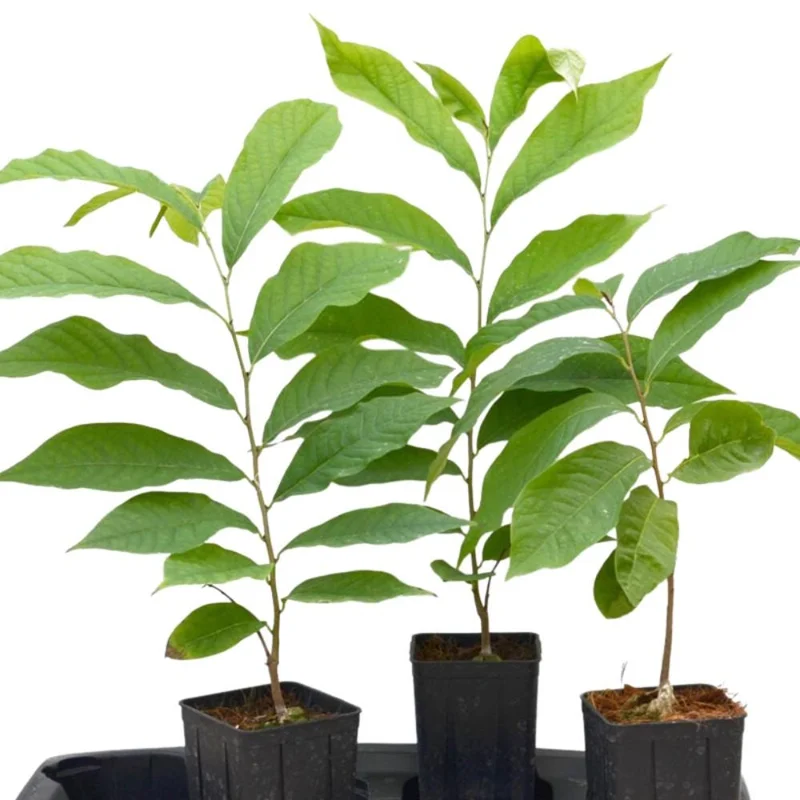
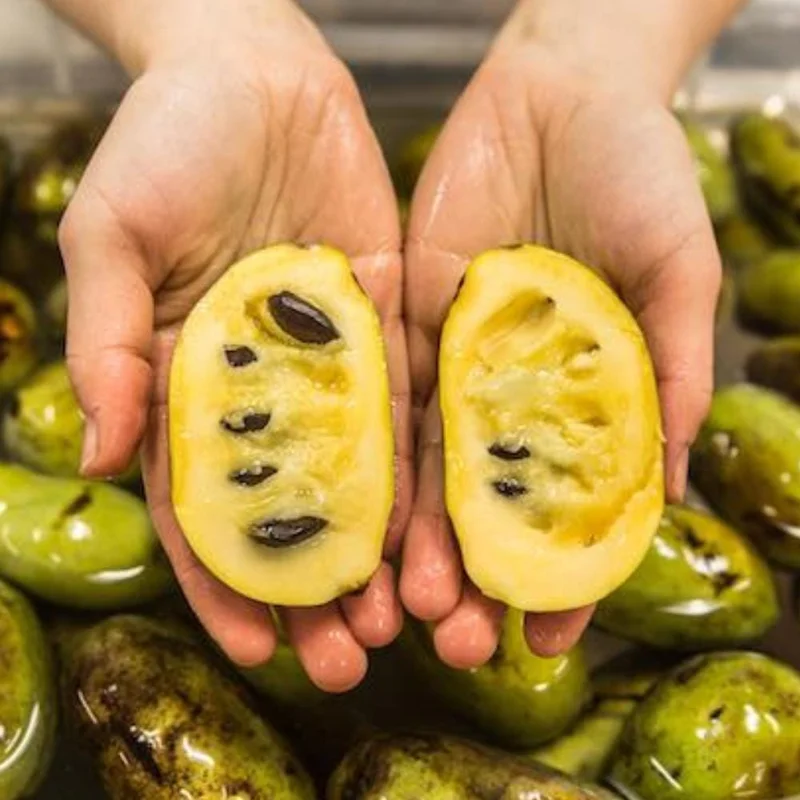
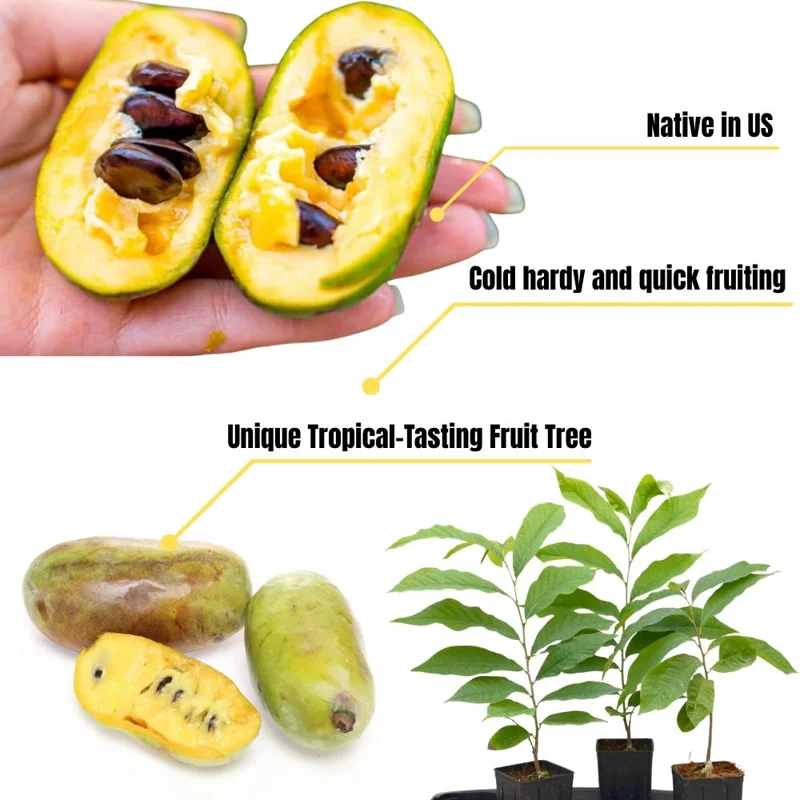
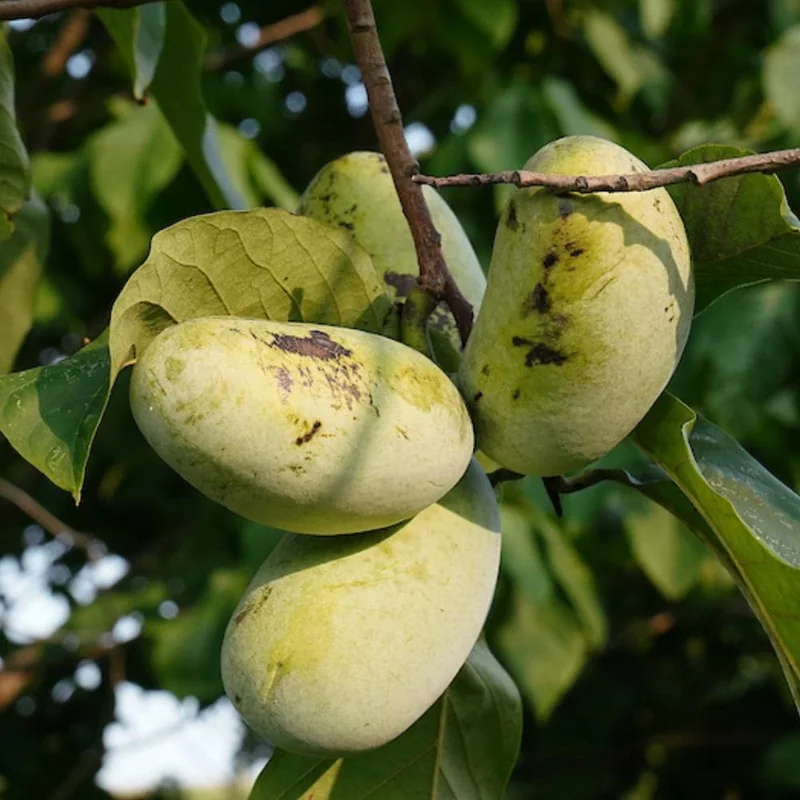
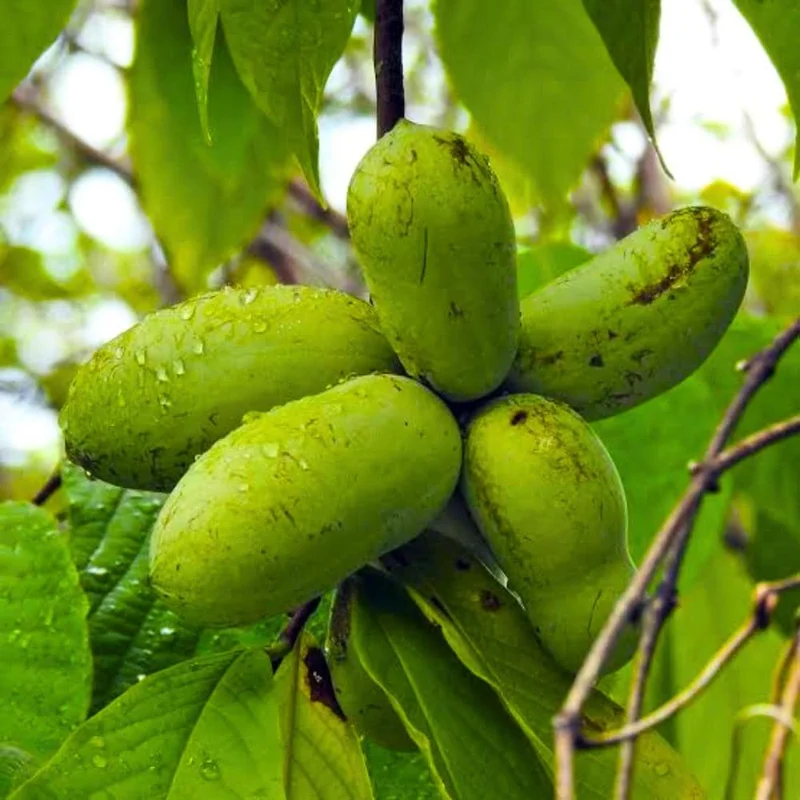
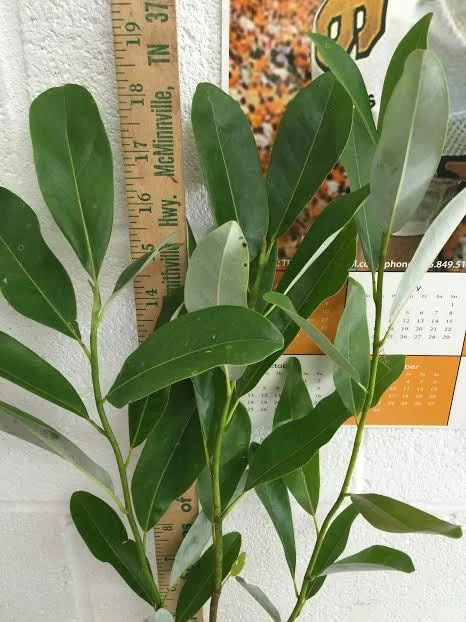
Cultivate a unique and rewarding addition to your garden with this pawpaw tree live plant. The Asimina triloba plant, commonly known as the American pawpaw, is a fascinating native species celebrated for producing the largest edible fruit indigenous to the United States. This healthy seedling, ranging from 6 inches to 1 foot in height, arrives well-rooted and prepared for immediate planting. Known for its distinct creamy, tropical flavor, the pawpaw fruit offers a delightful experience for any gardener or nature enthusiast. Beyond its delectable produce, the pawpaw tree provides ecological benefits, supporting local wildlife and contributing to a biodiverse habitat.
The American pawpaw is not just a fruit producer; it’s a resilient and beautiful tree that thrives in a variety of conditions. It’s an excellent choice for those looking to establish an edible landscape plant or incorporate more native species into their outdoor space. Unlike many exotic fruit trees, the pawpaw is remarkably cold hardy, making it suitable for a wide range of climates across the US. Its relatively low maintenance requirements also make it an appealing option for both experienced and novice gardeners. Embrace the charm and bounty of this incredible native tree.
Key Benefits
Adding a pawpaw tree live plant to your garden offers numerous advantages, from its unique fruit to its ease of care and ecological value. This resilient native tree provides both aesthetic appeal and practical benefits for any home gardener.
- Produces Unique, Delicious Fruit: Enjoy the distinctive, tropical-flavored pawpaw fruit, known for its creamy texture and sweet taste. It’s a rare treat not commonly found in grocery stores.
- Native & Environmentally Friendly: Support local ecosystems by planting a native American tree. The pawpaw provides food and habitat for native wildlife and contributes to biodiversity.
- Cold Hardy & Resilient: The asimina triloba plant is remarkably tolerant of cold temperatures, making it a reliable choice for many USDA zones where other tropical-tasting fruits cannot grow.
- Easy to Grow & Low Maintenance: Once established, these trees require minimal care, making them perfect for busy gardeners or those new to fruit tree cultivation.
- Ideal for Edible Landscapes: Create a functional and beautiful garden space with this edible landscape plant that offers both shade and fruit.
- Attracts Pollinators: The pawpaw flowers attract native pollinators, further enhancing your garden’s ecological health.
- Supports Sustainable Living: Grow your own food and reduce your carbon footprint with these sustainable native fruit trees.
Plant Care & Growing Tips
Caring for your pawpaw tree live plant is relatively straightforward, especially given its native resilience. Pawpaws prefer a site with at least six hours of direct sunlight per day, though young trees (especially those under two years old) benefit from some afternoon shade to prevent sunscald on their tender leaves. They thrive in rich, well-draining soil with a slightly acidic to neutral pH (5.5 to 7.0). Amending the planting hole with compost or other organic matter will provide a good start for your young tree. Ensure good drainage, as pawpaws do not tolerate standing water.
Watering is crucial during the first few years after planting to establish a strong root system. Keep the soil consistently moist but not waterlogged. Once established, the asimina triloba plant is quite drought-tolerant, though supplemental watering during dry spells will promote better fruit production. Fertilize sparingly in the spring with a balanced, slow-release fertilizer, or use compost around the base of the tree. Pawpaws are generally hardy in USDA Zones 5-9. Protecting young trees from strong winds and intense summer sun during their first year can significantly improve their survival rate and overall growth. Minimal pruning is typically needed, mainly to remove dead, damaged, or crossing branches to maintain good air circulation and shape.
Size & Details
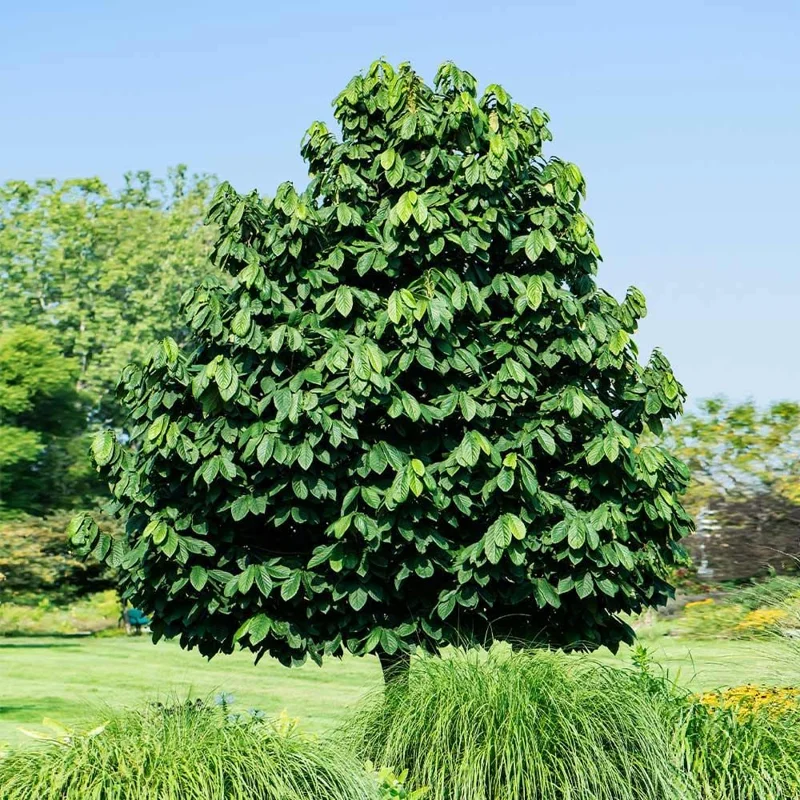
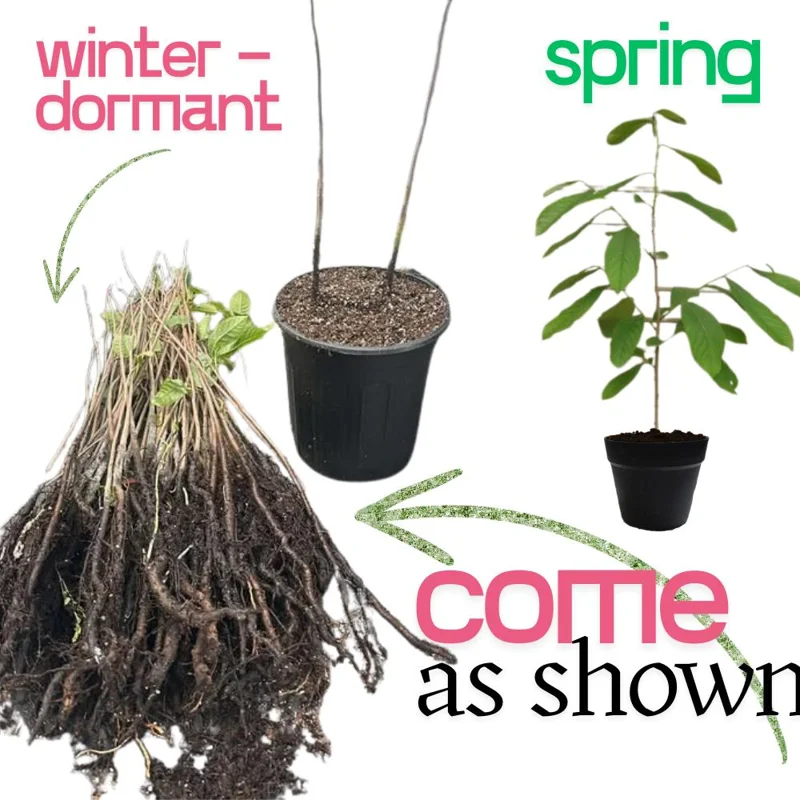
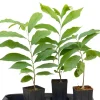
This offering is for one pawpaw tree live plant, a healthy seedling measuring between 6 inches and 1 foot (18-30 cm) tall from the base of the root ball to the top of the foliage. Each plant is well-rooted in its nursery pot, ensuring a robust start once transplanted into your garden. The trees are shipped in their pots to minimize transplant shock and encourage successful establishment. Pawpaw trees have a moderate growth rate, typically reaching 15-20 feet tall at maturity, with a spread of 10-15 feet. They usually begin to produce fruit within 3-5 years after planting, depending on growing conditions and care. These native fruit trees are perfect for adding a touch of the wild to your home landscape, promising delicious rewards for years to come.
Frequently Asked Questions
- Q: How big does this pawpaw tree get? A: At maturity, the pawpaw tree live plant typically reaches a height of 15-20 feet and a spread of 10-15 feet. Its growth rate is moderate, allowing it to establish well in various garden sizes.
- Q: Is this an indoor or outdoor plant? A: The asimina triloba plant is an outdoor tree, best suited for planting directly in the ground in a garden or native landscape. It is not typically grown indoors long-term.
- Q: How much sunlight does it need? A: Pawpaw trees thrive in full sun (at least 6 hours of direct sunlight daily) once established. Young seedlings, however, benefit from partial shade during the hottest part of the day to prevent leaf scorch.
- Q: What condition will it arrive in? A: Your pawpaw tree live plant will arrive as a healthy, well-rooted seedling, typically in a nursery pot, ready for planting. We ensure careful packaging to minimize stress during transit.
- Q: Can I use pawpaw fruit in cooking? A: Absolutely! Pawpaw fruit is excellent for eating fresh, and can also be used in various recipes like custards, pies, ice cream, and smoothies. It’s a versatile edible landscape plant.
- Q: How long until it produces fruit? A: Pawpaw trees generally begin to bear fruit within 3 to 5 years after planting, provided they have good growing conditions and are cross-pollinated by another pawpaw tree.
- Q: Will it survive winter in my zone? A: The American pawpaw (Asimina triloba) is known for its excellent cold hardiness, typically thriving in USDA Zones 5-9. It can withstand significant winter temperatures.
- Q: Is this plant easy to care for? A: Yes, the pawpaw tree live plant is considered easy to grow, especially once established. Its native resilience means it requires less intensive care compared to many other fruit trees, making it a great choice for those interested in pawpaw tree care.
- Q: What kind of soil does it prefer? A: Pawpaw trees prefer rich, well-draining soil with a slightly acidic to neutral pH. They do not tolerate waterlogged conditions, so good drainage is essential.
- Q: Is it shipped in soil? A: Yes, the seedling is shipped in its nursery pot with soil to ensure its roots remain moist and protected during transit, promoting a smooth transition to your garden.





Reviews
There are no reviews yet.