Overview
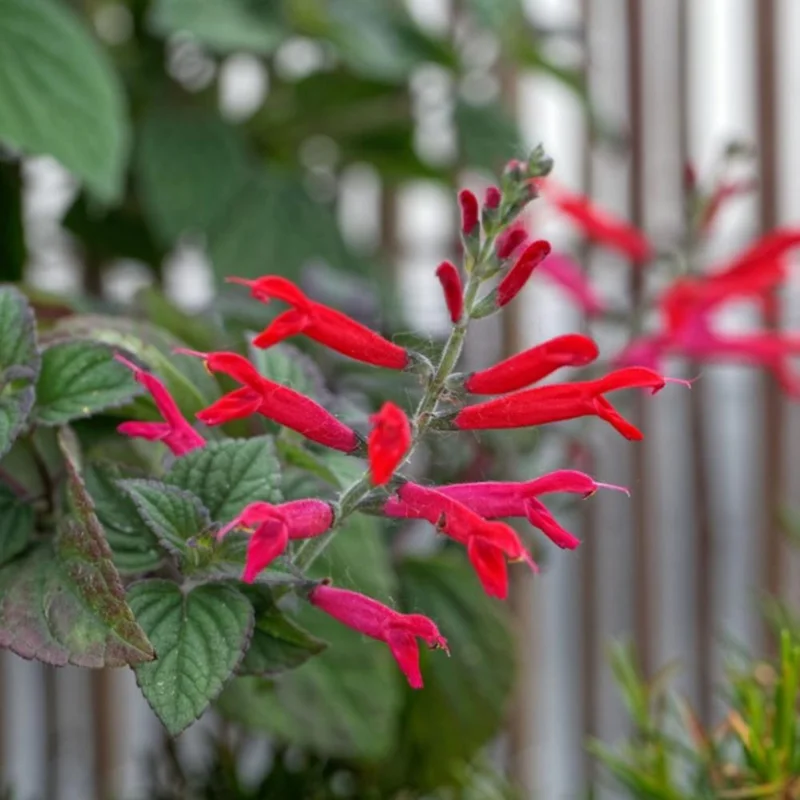
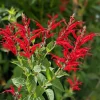
Discover the delightful charm of a pineapple sage live plant, an exceptional addition to any garden or culinary collection. This Salvia elegans variety is celebrated for its distinctively scented foliage, reminiscent of fresh pineapple, making it a favorite among gardeners and chefs alike. Our well-rooted starter plant comes in a convenient 4-inch pot, ready to thrive in your garden beds or decorative containers. Beyond its aromatic leaves, which can be harvested for teas, desserts, and savory dishes, this plant also boasts an impressive display of vivid red, tubular flowers. These late-season blooms not only extend the visual interest of your garden into fall but also act as a magnet for hummingbirds and other beneficial pollinators, adding life and movement to your outdoor space. The pineapple sage live plant is a true dual-purpose treasure, offering both aesthetic beauty and practical utility.
Whether you’re an experienced gardener or just starting out, the pineapple sage live plant provides an engaging and rewarding growing experience. Its robust nature and attractive features ensure it stands out. This perennial herb, often grown as an annual in colder climates, is relatively low-maintenance, making it accessible for various skill levels. Its upright, bushy growth habit makes it suitable for mixed borders, herb gardens, or as a striking focal point in patio pots. Embrace the unique fragrance and vibrant color that this remarkable plant brings to your home and garden.
Key Benefits
Adding a pineapple sage live plant to your collection offers a multitude of benefits, blending ornamental beauty with practical culinary uses. This versatile herb enriches your garden and kitchen in several ways:
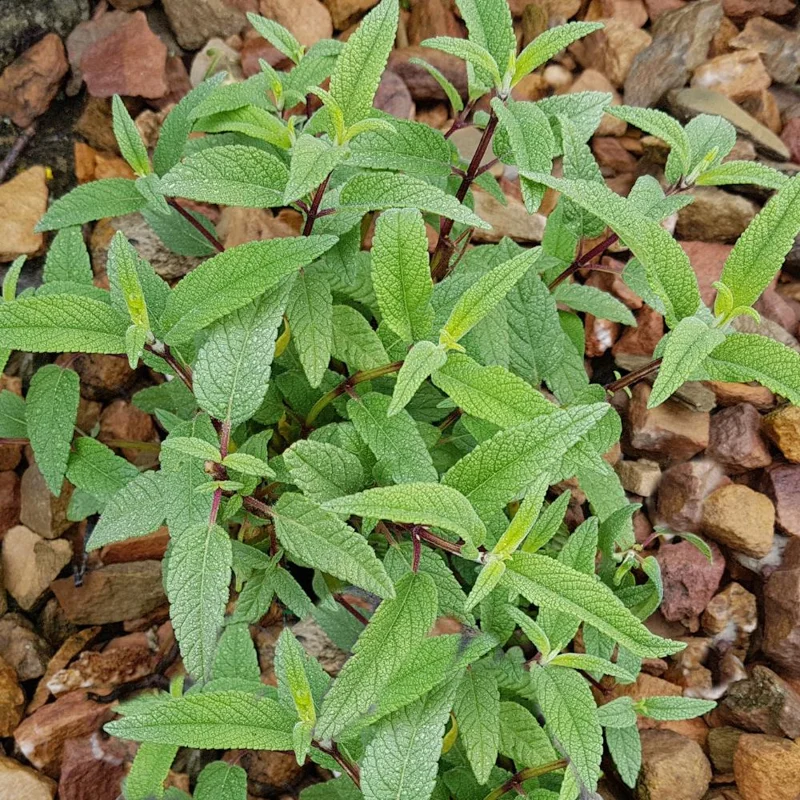
- Aromatic Edible Leaves: The distinctive, sweet pineapple-scented leaves are perfect for culinary exploration. Use them fresh in fruit salads, iced teas, or cocktails, or dry them for fragrant potpourris and herbal infusions. They add a unique flavor profile to various dishes.
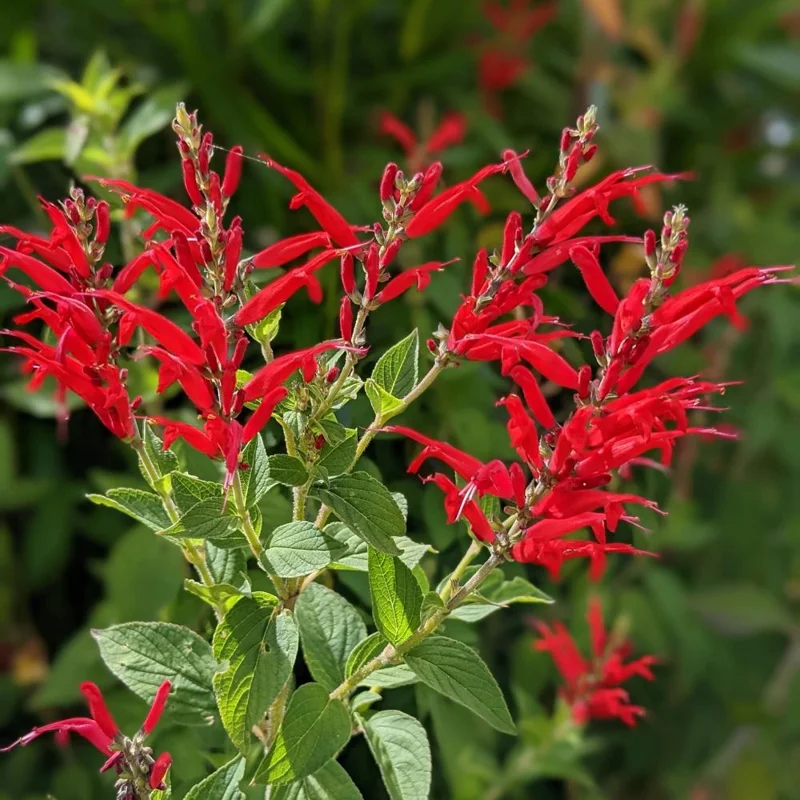
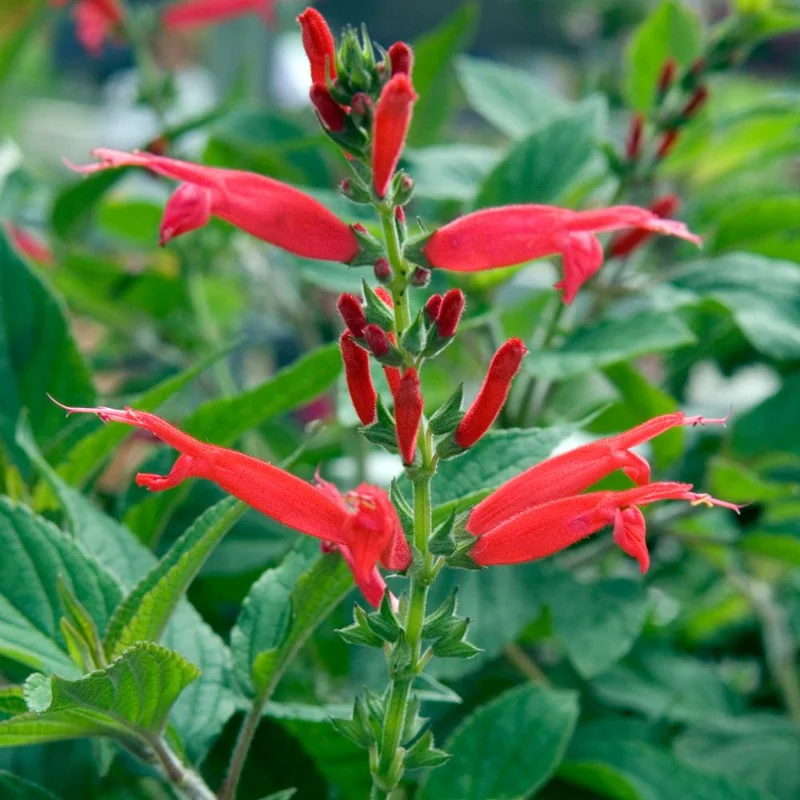
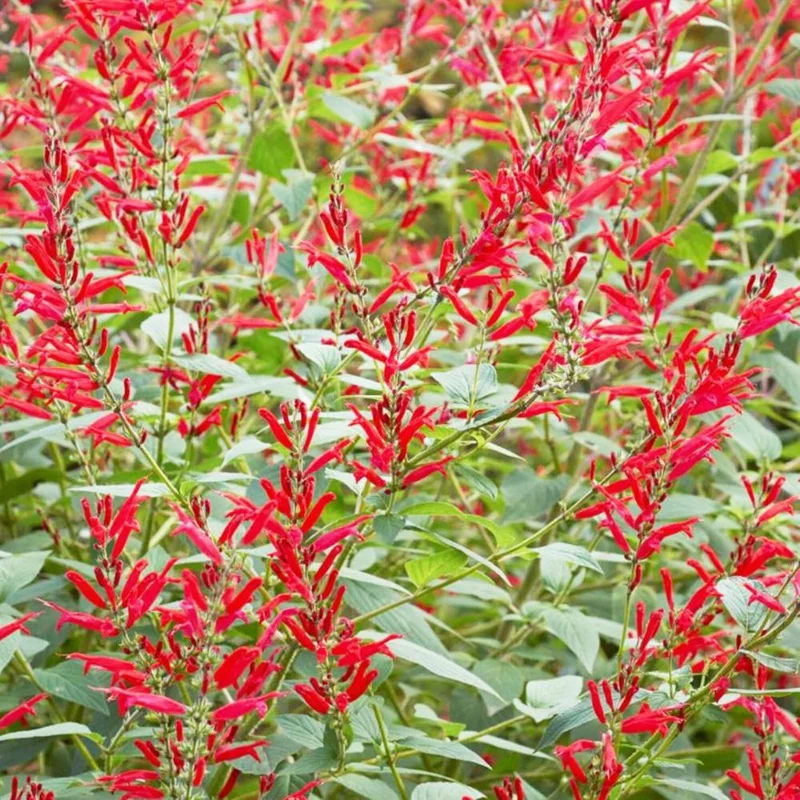
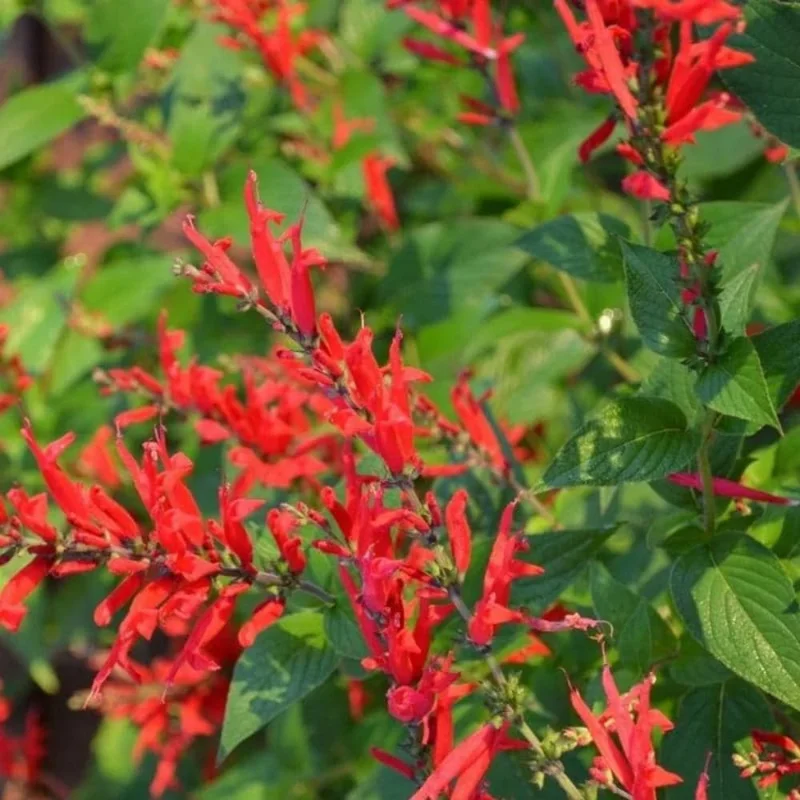
- Vibrant Red Flowers: Enjoy a spectacular display of bright red, tubular flowers from late summer through fall. These eye-catching blooms provide essential late-season color and extend the visual appeal of your garden long after other plants have faded.
- Attracts Pollinators: The brilliant red flowers are highly attractive to hummingbirds, butterflies, and bees, making your garden a haven for beneficial wildlife. This helps support local ecosystems and enhances garden biodiversity.
- Low Maintenance & Drought Tolerant: Once established, the pineapple sage herb is remarkably resilient. It requires minimal care, tolerating periods of drought, which makes it an excellent choice for busy gardeners or those in drier climates.
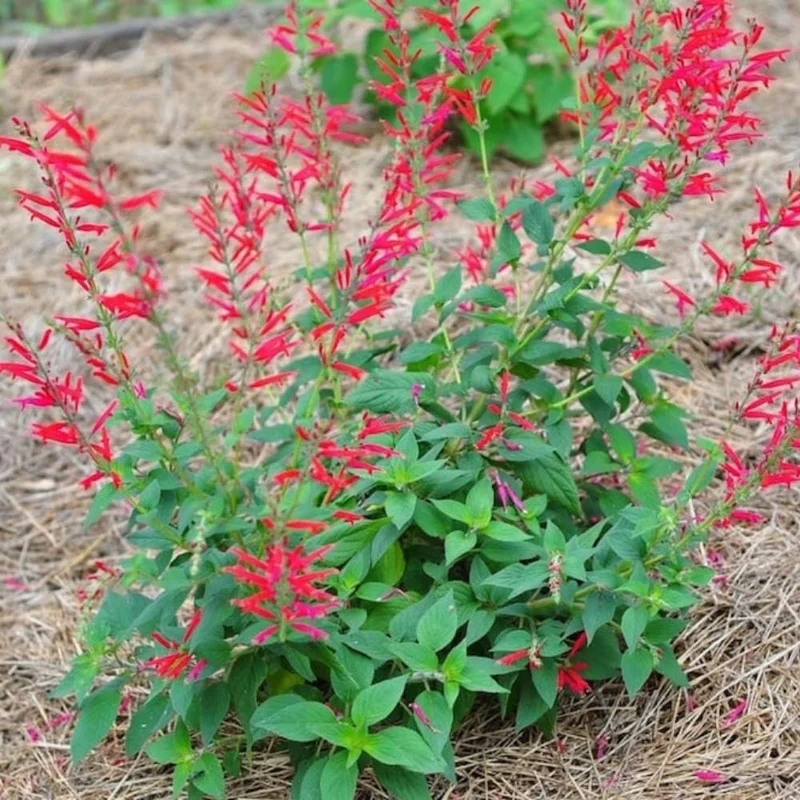
- Versatile Garden Use: This plant is suitable for a variety of settings, including herb gardens, perennial borders, container plantings, and even as an informal hedge. Its upright, bushy habit ensures it fits well into diverse garden designs.
- Natural Pest Deterrent: The strong aroma of sage can help deter certain garden pests, contributing to a healthier garden environment without the need for chemical interventions.
- Medicinal Properties: Historically, various sage varieties have been used for their potential medicinal benefits, including digestive aid and anti-inflammatory properties. While not a substitute for medical advice, it adds another layer of interest to this plant.
Plant Care & Growing Tips
Caring for your pineapple sage live plant is straightforward, ensuring a rewarding experience with fragrant foliage and beautiful blooms. This robust perennial thrives with moderate attention, making it suitable for gardeners of all levels. For optimal growth, plant your salvia elegans plant in a location that receives full sun to partial shade. Full sun (at least 6 hours of direct sunlight per day) will encourage the most prolific flowering and strongest fragrance, while partial shade can be beneficial in hotter climates to prevent leaf scorch during the intense afternoon sun.
When it comes to watering, pineapple sage prefers consistently moist but not waterlogged soil, especially during its establishment phase. Once the plant is established, it becomes quite drought tolerant, requiring less frequent watering. A good rule of thumb is to water deeply when the top inch or two of soil feels dry to the touch. Ensure your plant is in well-draining soil to prevent root rot, which is a common issue for many herbs. Amending heavy clay soils with organic matter like compost can significantly improve drainage. This fragrant herb plant performs best in USDA Hardiness Zones 8-11, where it can be grown as a perennial. In colder zones (7 and below), it is typically grown as an annual or brought indoors for winter protection.
Maintenance for pineapple sage is relatively low. Light pruning after a flush of blooms or in late summer can help maintain its bushy shape and encourage new growth. You can also pinch back young plants to promote a denser habit. Fertilization is generally not heavily required; a balanced, all-purpose fertilizer applied once in spring is usually sufficient if your soil is poor. Avoid over-fertilizing, as this can lead to excessive foliage growth at the expense of flowers. Watch out for common garden pests like aphids, though the plant’s strong aroma often acts as a natural deterrent. With these simple care practices, your pineapple sage live plant will flourish, providing beauty and fragrance throughout the season.
Size & Details
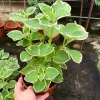
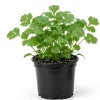
Your pineapple sage live plant will arrive as a healthy starter plant, well-rooted in a 4-inch nursery pot, ready for transplanting into your garden or a larger container. While the exact size may vary slightly by season due to natural growth cycles, each plant is carefully selected to ensure vigorous growth upon arrival. This particular variety of salvia elegans plant is known for its upright, bushy growth habit. At maturity, it typically reaches a height of 3 to 5 feet and spreads 3 to 4 feet wide, creating a substantial presence in the garden.
The growth rate is moderate, allowing you to enjoy its development throughout the growing season. Expect to see its characteristic vivid red flower perennial blooms from late summer into fall, providing a burst of color when many other plants are winding down. This plant is a perennial in warmer climates (USDA Zones 8-11) and can be grown as an annual in colder regions. Its mature size and robust nature make it an excellent choice for adding structure and fragrance to perennial borders, herb gardens, or large patio containers. Plan your planting location accordingly to allow for its mature dimensions.
Frequently Asked Questions
- Q: How big does this pineapple sage live plant get? A: This plant typically reaches a mature height of 3-5 feet tall and spreads 3-4 feet wide, forming an upright, bushy plant. It’s a substantial addition to your garden or a large container.
- Q: What size pot does it come in? A: Your pineapple sage live plant will arrive in a 4-inch nursery pot, ready for you to transplant into its permanent home.
- Q: Is this an indoor or outdoor plant? A: Pineapple sage is primarily an outdoor plant, thriving in garden beds or outdoor containers. In colder climates (below USDA Zone 8), it can be grown as an annual or brought indoors during winter.
- Q: How much sunlight does the pineapple sage herb need? A: For best results, plant your pineapple sage in a location that receives full sun (at least 6 hours of direct sunlight daily) to partial shade. Full sun promotes the best flowering and fragrance.
- Q: Is this plant easy to care for? A: Yes, this fragrant herb plant is relatively low-maintenance. Once established, it is drought-tolerant and requires minimal pruning to maintain its shape. It’s a great choice for beginners.
- Q: What condition will it arrive in? A: We ship healthy, well-rooted starter plants in their nursery pots. We take great care in packaging to ensure they arrive in the best possible condition, ready to thrive.
- Q: Can I use the leaves of this salvia elegans plant in cooking? A: Absolutely! The leaves of pineapple sage have a distinct pineapple aroma and flavor. They are excellent fresh in teas, fruit salads, desserts, and even savory dishes.
- Q: How long until it blooms? A: Pineapple sage typically produces its vibrant red, tubular flowers from late summer through fall, extending your garden’s interest into the cooler months.
- Q: Will it survive winter in my zone? A: Pineapple sage is perennial in USDA Hardiness Zones 8-11. In zones below 8, it is generally grown as an annual or requires winter protection to survive.
- Q: What kind of soil does this red flower perennial prefer? A: This plant thrives in well-draining soil. If your soil is heavy clay, amending it with organic matter like compost can improve drainage significantly.



Reviews
There are no reviews yet.