Overview
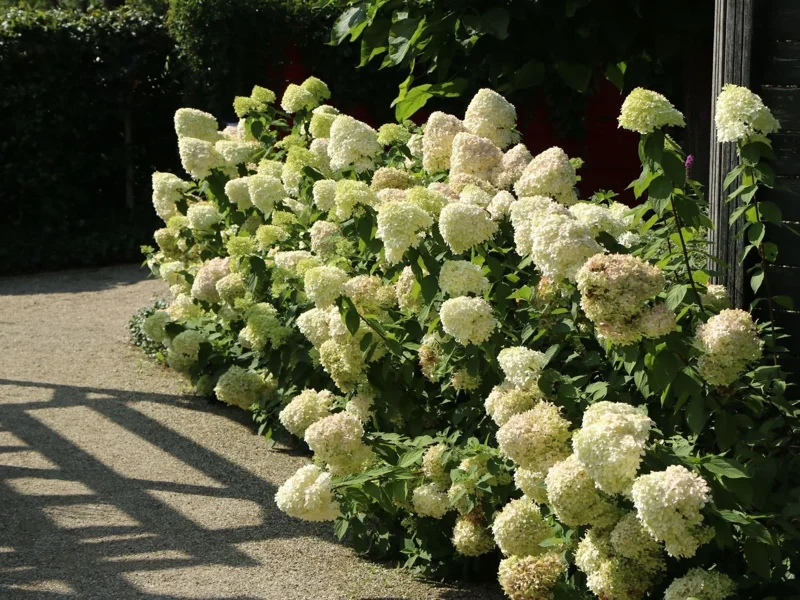
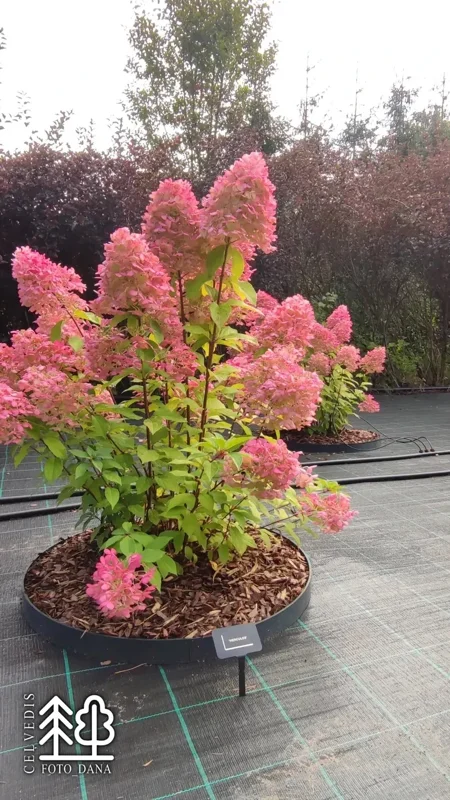
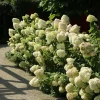
Transform your garden into a vibrant oasis with this stunning pink hydrangea live plant. This beautiful flowering shrub arrives as a healthy, established plant, typically ranging from 5 to 7 inches in height, ready to be transplanted into your garden or a larger decorative pot. Hydrangeas are renowned for their magnificent, large flower heads that can bloom in various shades, and this particular variety promises lovely pink hues, adding a classic charm to any landscape. Known for their robust nature and impressive floral displays, hydrangeas like this hydrangea flower plant are a favorite among gardeners for their ability to create dramatic visual impact throughout the summer and fall.
This particular potted hydrangea is ideal for those looking to add immediate beauty and structure to their outdoor spaces. Whether you’re a seasoned gardener or just starting, the allure of a big, colorful hydrangea bush is undeniable. Its presence can elevate garden beds, create stunning borders, or act as a focal point in a patio container. Enjoy the lush foliage and abundant blooms that make this an exceptional choice for any home.
Key Benefits
Investing in a pink hydrangea live plant offers a multitude of benefits for your garden and home:
- Stunning Visual Appeal: Hydrangeas are celebrated for their large, showy flower clusters that provide a spectacular display of color. The vibrant pink blooms of this variety will instantly brighten any garden setting, creating a focal point that draws the eye.
- Long Blooming Season: Enjoy beautiful flowers from early summer through fall, providing continuous color and interest in your landscape for several months. This extended bloom time ensures your garden remains lively and attractive.
- Versatile Landscaping: This hydrangea bush care is relatively straightforward, making it suitable for a variety of garden designs. It can be used as a standalone specimen, in mixed borders, as a low hedge, or even grown in large containers on patios and decks.
- Attracts Pollinators: While hydrangeas are not primary pollinator magnets, their blooms can still attract bees and butterflies, contributing to the biodiversity and health of your garden ecosystem.
- Relatively Low Maintenance: Once established, hydrangeas are quite hardy and require minimal fuss. With proper planting and initial care, they are a robust addition to your outdoor space, making them a great choice for busy gardeners.
- Excellent for Cut Flowers: The beautiful, long-lasting blooms of this hydrangea flower plant are perfect for cutting and bringing indoors. Create stunning floral arrangements that showcase the charm of your garden inside your home.
- Enhances Property Value: Well-maintained flowering shrubs like hydrangeas can significantly boost the curb appeal and perceived value of your property, creating a welcoming and attractive environment.
Plant Care & Growing Tips
Caring for your pink hydrangea live plant is a rewarding experience that ensures beautiful blooms year after year. Hydrangeas generally prefer a location with morning sun and afternoon shade, especially in hotter climates. Too much direct, intense sun can scorch the leaves and fade the flowers, while too much shade can result in fewer blooms. Aim for at least 4-6 hours of morning sunlight. When it comes to watering, consistent moisture is key, particularly during dry spells and the blooming season. The soil should remain evenly moist but not waterlogged. Deep watering two to three times a week is often more effective than shallow, daily watering.
The ideal soil for a potted hydrangea is well-draining, rich in organic matter, and slightly acidic to neutral (pH 5.5 to 7.0). For pink hydrangeas, a slightly alkaline soil (pH above 6.0) tends to enhance the pink coloration, while acidic soil can shift them towards blue or purple. Amend heavy clay soils with compost to improve drainage. Fertilize your hydrangea in early spring with a slow-release granular fertilizer formulated for flowering shrubs. Avoid over-fertilizing, as this can lead to lush foliage at the expense of flowers. Pruning is best done after the plant has finished flowering in late summer or early fall, removing only dead or weak stems and shaping the plant as desired. Understanding hydrangea bush care is crucial for a thriving plant.
Size & Details
This pink hydrangea live plant is typically supplied as a vigorous young shrub, measuring between 5 to 7 inches in height from the base of the plant to the top of its foliage. It arrives planted in its original nursery pot, ensuring the root system is well-established and ready for transplanting. While the exact mature size can vary based on cultivar and growing conditions, hydrangeas generally grow into a substantial shrub, often reaching 3 to 6 feet tall and wide. This starter plant provides a fantastic foundation for a beautiful, mature hydrangea bush in your garden. Expect to see significant growth and an abundance of flowers within its first few growing seasons, especially with proper growing hydrangeas techniques.
Upon arrival, the plant will have healthy foliage and a robust root system. It is advised to plant it in its permanent location as soon as possible after receiving it. The 5-7 inch height refers to a compact, manageable size that makes it easy to handle and establish. This flowering shrub is a fantastic living addition to your landscape, offering both immediate appeal and long-term beauty.
Frequently Asked Questions
- Q: How big does this pink hydrangea live plant get? A: This particular plant measures 5-7 inches tall upon arrival. When mature, most hydrangea bushes can reach a height and spread of 3 to 6 feet, depending on the specific variety and growing conditions in your garden.
- Q: Is this an indoor or outdoor plant? A: Hydrangeas are primarily outdoor plants, thriving in garden beds, borders, and large outdoor containers. While they can be brought indoors temporarily for display, they require specific outdoor conditions to flourish long-term.
- Q: How much sunlight does this hydrangea flower plant need? A: Hydrangeas prefer locations with morning sun and afternoon shade. In cooler climates, they can tolerate more sun, but in hotter regions, protection from intense afternoon rays is crucial to prevent leaf scorch and ensure healthy blooms.
- Q: What condition will it arrive in? A: Your hydrangea will arrive as a healthy, live plant in its nursery pot, with its root system intact and soil moist. It will be carefully packaged to minimize stress during transit, ready for planting.
- Q: Is this plant easy to care for? A: Yes, hydrangeas are generally considered easy to care for once established. They require consistent watering, especially during dry periods, and benefit from annual fertilization. Following basic hydrangea bush care guidelines will ensure success.
- Q: When is the best time to plant this potted hydrangea? A: The best time to plant hydrangeas is in spring or early fall. This allows the plant to establish its root system before the extreme heat of summer or the cold of winter.
- Q: Will it survive winter in my zone? A: Hydrangeas are hardy in USDA Zones 5-9, meaning they can typically survive winter in these regions. Protection may be needed in colder zones, such as mulching around the base. This plant is suitable for growing hydrangeas in a wide range of climates.
- Q: How do I ensure pink flowers? A: The color of hydrangea flowers can be influenced by soil pH. To maintain or enhance pink blooms, aim for a more alkaline soil (pH 6.0 and above). You can amend your soil with lime to increase alkalinity.
- Q: What kind of soil is best for this plant? A: Hydrangeas prefer well-draining soil that is rich in organic matter. A slightly acidic to neutral pH is generally good, but for pink flowers, a slightly alkaline soil is preferred. Amendments like compost can improve soil quality.
- Q: Can I grow this hydrangea in a container? A: Yes, this potted hydrangea can be successfully grown in a large container. Ensure the container has good drainage and use a high-quality potting mix. Container-grown hydrangeas may require more frequent watering than those planted in the ground.




Reviews
There are no reviews yet.