Overview
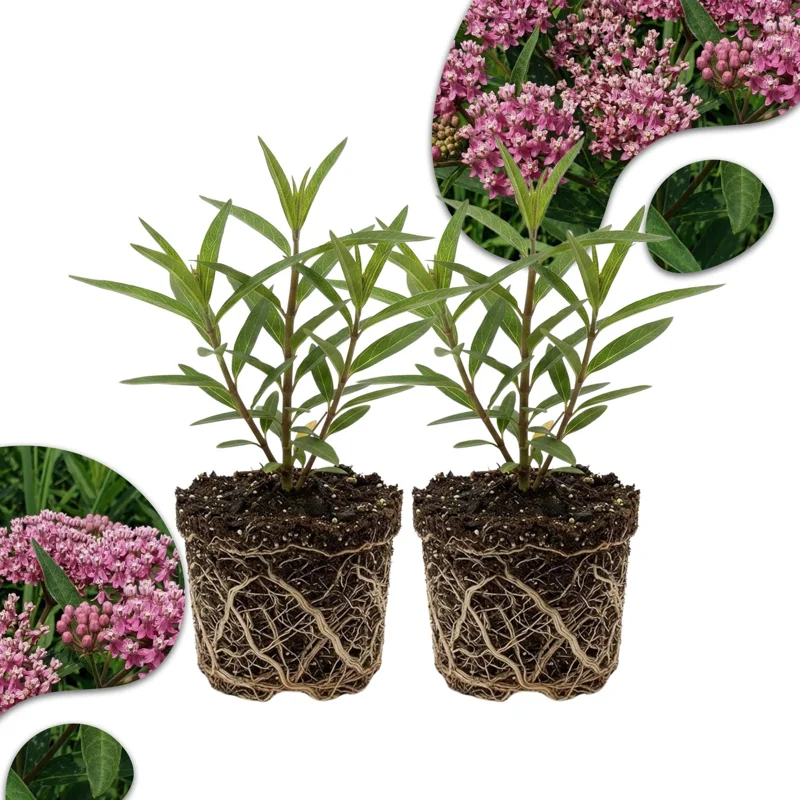
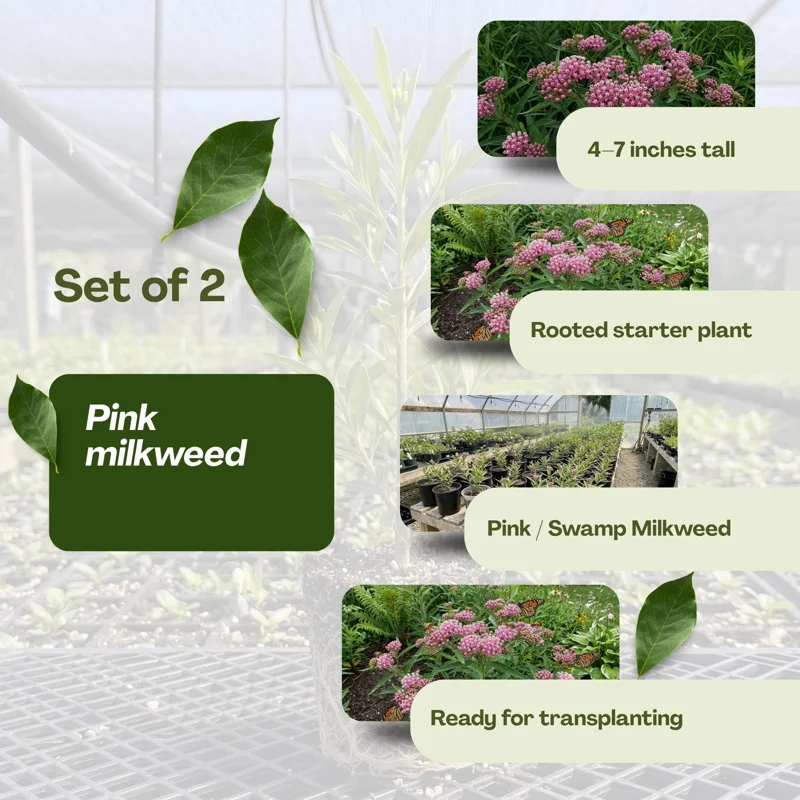
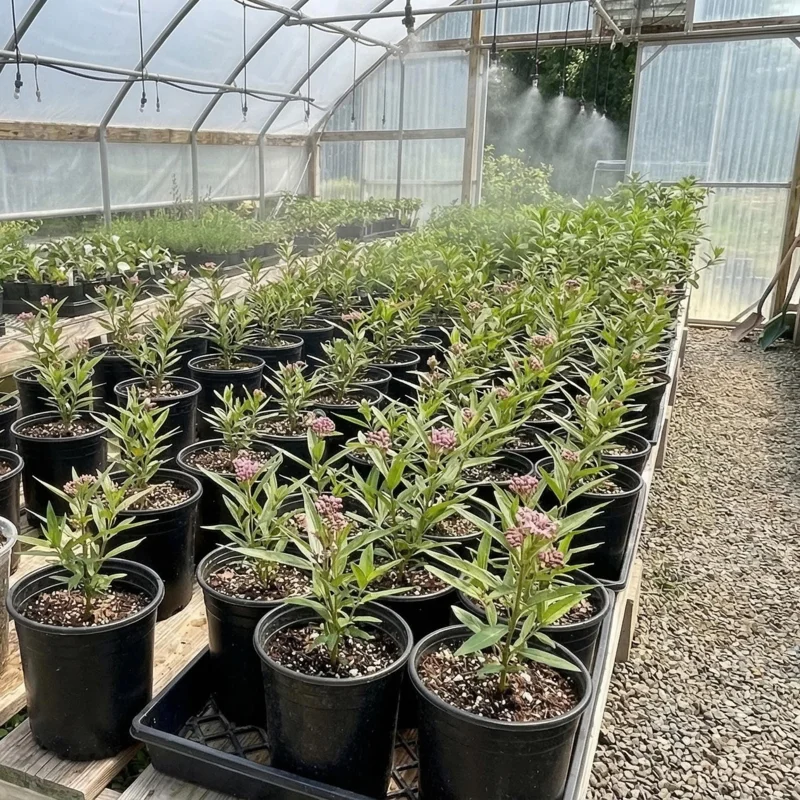
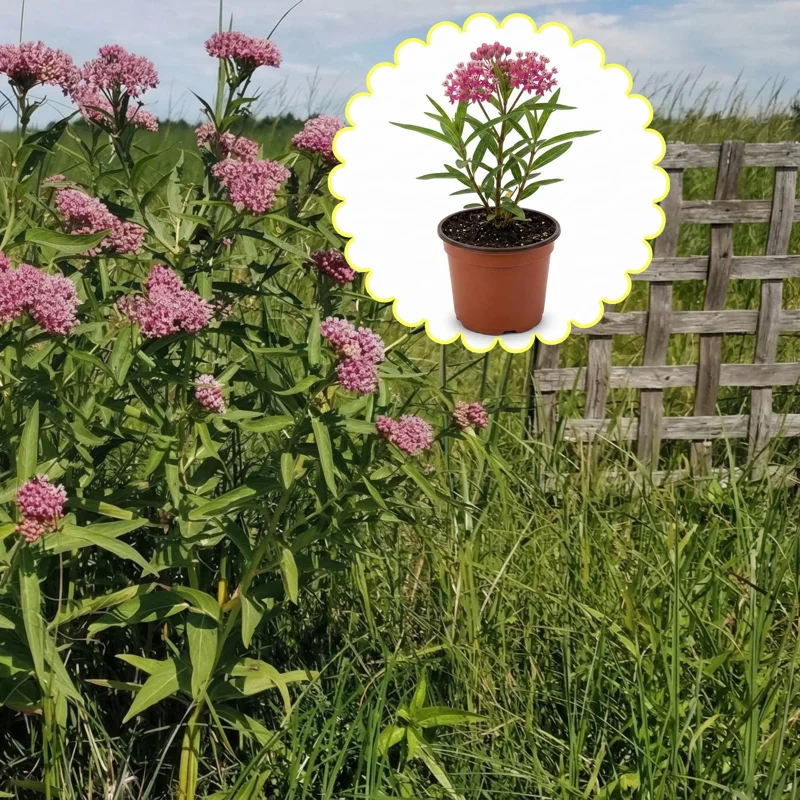
Introduce a splash of vibrant color and ecological support to your garden with our pink milkweed live plant. This offering includes two healthy live plants, each standing approximately 4–7 inches tall, ready to thrive in your outdoor space. Known botanically as Asclepias tuberosa, this specific variety of milkweed is celebrated for its beautiful pink blooms and its crucial role as a butterfly host plant. It is an indispensable addition for anyone looking to create a thriving ecosystem in their backyard, drawing in not only butterflies but also a variety of other beneficial pollinators like bees. Unlike many other plants, milkweed is the sole food source for monarch butterfly caterpillars, making it a cornerstone for monarch conservation efforts. These robust perennials will return year after year, offering continuous beauty and ecological benefits.
Key Benefits
Cultivating pink milkweed live plant in your garden offers a multitude of advantages, transforming your outdoor area into a haven for wildlife and a source of natural beauty.
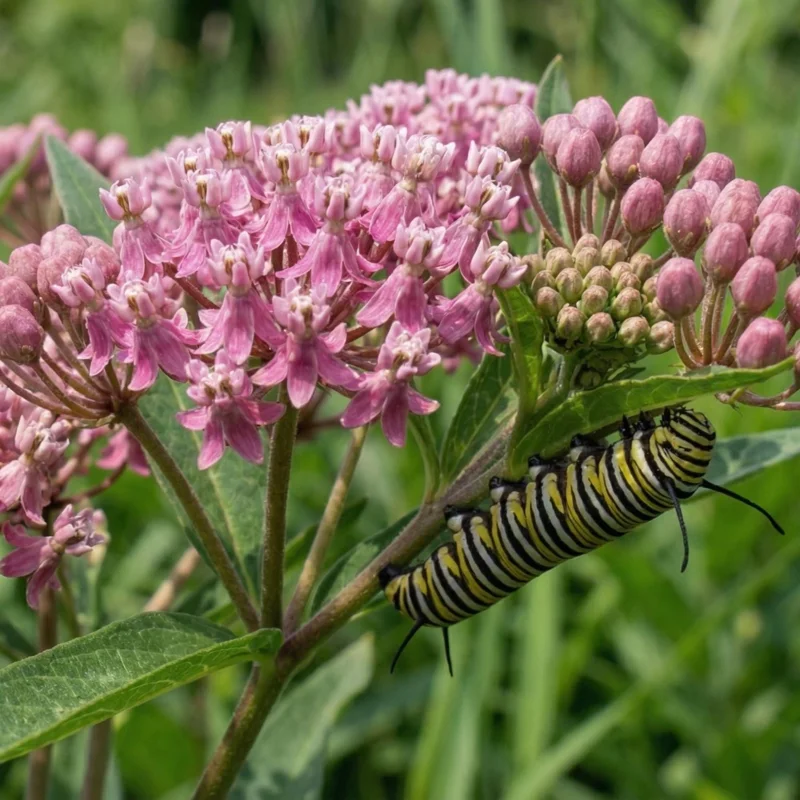
- Essential Butterfly Host: This plant is critical for the lifecycle of monarch butterflies, providing the only food source for their caterpillars. By planting it, you directly contribute to monarch conservation.
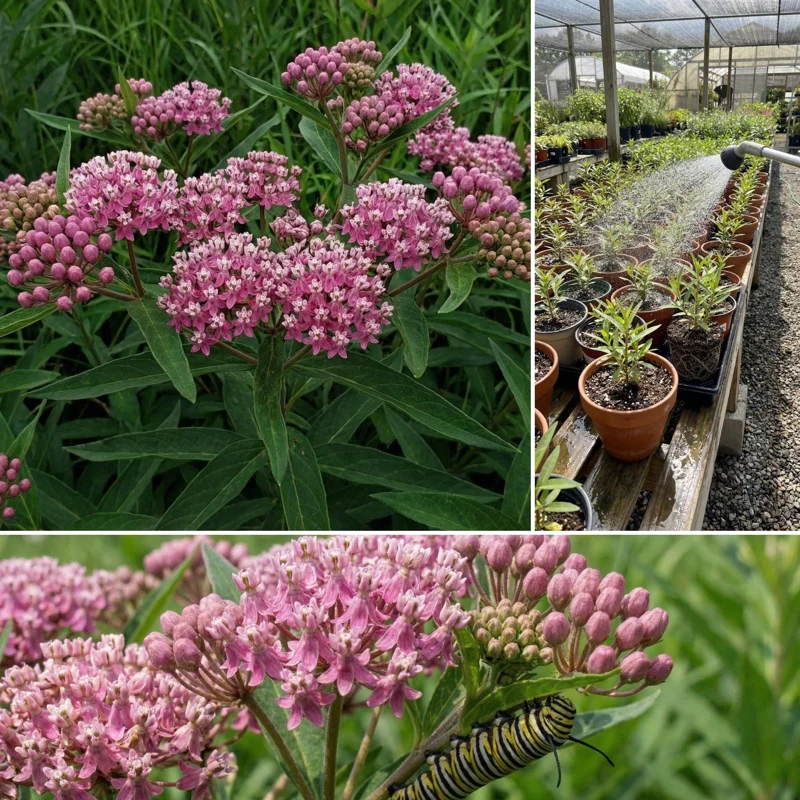
- Attracts Pollinators: Beyond monarchs, the vibrant pink flowers are a magnet for various bees, hummingbirds, and other beneficial insects, enhancing biodiversity in your garden.
- Vibrant Garden Color: The striking pink blossoms add a beautiful and cheerful aesthetic to any garden, creating a lively visual display throughout its blooming season.
- Hardy Perennial: As an outdoor perennial milkweed, these plants will return each year, providing long-lasting beauty and requiring less effort than annuals. They are well-suited for a wide range of climates.
- Low Maintenance: Once established, Asclepias tuberosa is remarkably drought-tolerant and requires minimal care, making it an excellent choice for both experienced and novice gardeners.
- Supports Native Ecosystems: Incorporating native plants like milkweed helps to restore local ecosystems and provides vital resources for indigenous wildlife.
- Educational Opportunity: Observing the lifecycle of butterflies on your own butterfly host plant offers a fascinating and educational experience for families and children.
Plant Care & Growing Tips
Caring for your pink milkweed live plant is straightforward, ensuring a vibrant and healthy addition to your garden. These plants thrive in full sun, meaning they need at least 6 hours of direct sunlight per day to produce the most abundant blooms and support vigorous growth. When choosing a location, consider an area that receives ample morning and afternoon sun. Proper watering is essential during the establishment phase. While young, keep the soil consistently moist but never waterlogged. Once mature, Asclepias tuberosa is remarkably drought-tolerant and prefers moderate watering, allowing the soil to dry out slightly between waterings. Overwatering can lead to root rot, so ensure good drainage.
For soil, pink milkweed live plant prefers well-drained soil, including sandy or rocky conditions. It is not particular about soil pH but avoids heavy clay soils that retain too much moisture. These plants are hardy perennials, suitable for USDA zones 3–9, meaning they can withstand a wide range of winter temperatures and will typically return from their roots each spring. Fertilization is generally not necessary in rich garden soil; however, if your soil is poor, a light application of a balanced, slow-release fertilizer in early spring can be beneficial. Watch out for common pests like aphids, which can be managed with a strong spray of water or insecticidal soap. Providing ample space for these upright perennials will ensure good air circulation and robust growth, making them a beautiful and beneficial pollinator garden plant.
Size & Details
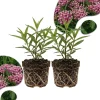
This offering includes two individual pink milkweed live plant specimens, each carefully nurtured to reach a height of approximately 4–7 inches tall upon shipment. These plants are typically shipped without pots to ensure minimal stress during transit and are ready for immediate planting in your garden. Asclepias tuberosa will mature into an upright perennial, typically reaching a height of 2–3 feet and a spread of 1–2 feet, providing a significant presence in your landscape. They exhibit a moderate growth rate, establishing themselves well in their first season and expanding their presence in subsequent years. Expect beautiful pink flowers to emerge from summer into fall, providing continuous nectar for pollinators and a host site for monarch caterpillars. The exact bloom time can vary slightly depending on your specific climate and planting conditions.
Frequently Asked Questions
- Q: How big does this pink milkweed live plant get? A: Each pink milkweed live plant typically grows to an mature height of 2–3 feet tall with a spread of 1–2 feet. They are upright perennials that provide a good structure to a garden.
- Q: Is this an indoor or outdoor plant? A: This is an outdoor perennial milkweed, specifically suited for garden beds, pollinator habitats, and native landscaping in full sun. It is not typically grown as an indoor houseplant.
- Q: How much sunlight does it need? A: Asclepias tuberosa thrives in full sun, requiring at least 6 hours of direct sunlight daily to produce abundant flowers and support healthy growth.
- Q: Is this plant easy to care for? A: Yes, once established, the pink milkweed live plant is relatively low-maintenance. It is drought-tolerant and adaptable to various soil types, making it a good choice for beginners.
- Q: What condition will it arrive in? A: Your two pink milkweed live plant specimens will arrive as healthy, live rooted plants, approximately 4–7 inches tall, ready for planting. They are typically shipped without pots to minimize transit stress.
- Q: When is the best time to plant Asclepias tuberosa? A: The best time to plant asclepias tuberosa is in spring after the last frost, or in early fall in warmer climates. This allows the roots to establish before extreme temperatures.
- Q: Will it survive winter in my zone? A: This outdoor perennial milkweed is hardy in USDA zones 3–9, meaning it will typically die back to the ground in winter and re-emerge from its roots in the spring.
- Q: Why is this considered a butterfly host plant? A: It is a butterfly host plant because monarch butterfly caterpillars feed exclusively on milkweed leaves. Planting it provides essential sustenance for their growth and metamorphosis.
- Q: What kind of soil does it prefer? A: It prefers well-drained soil and can tolerate sandy or rocky conditions. Avoid overly wet or heavy clay soils for optimal growth.
- Q: How often should I water my pollinator garden plant? A: Water regularly to keep the soil moist during establishment. Once mature, it is drought-tolerant and can be watered moderately, allowing the soil to dry out between waterings.







Reviews
There are no reviews yet.