Overview
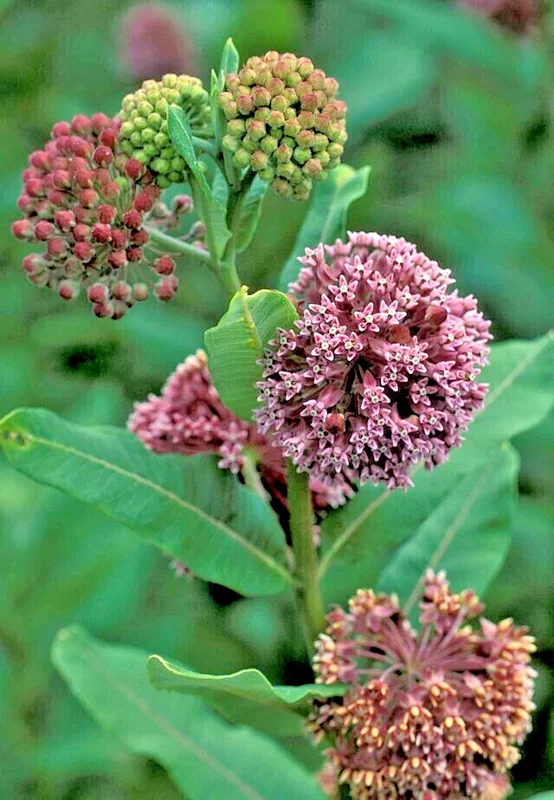
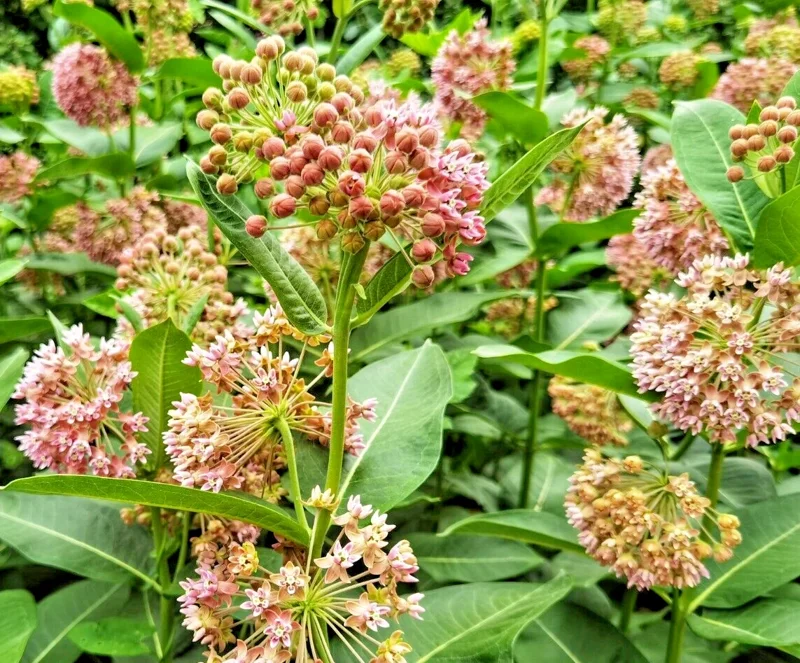
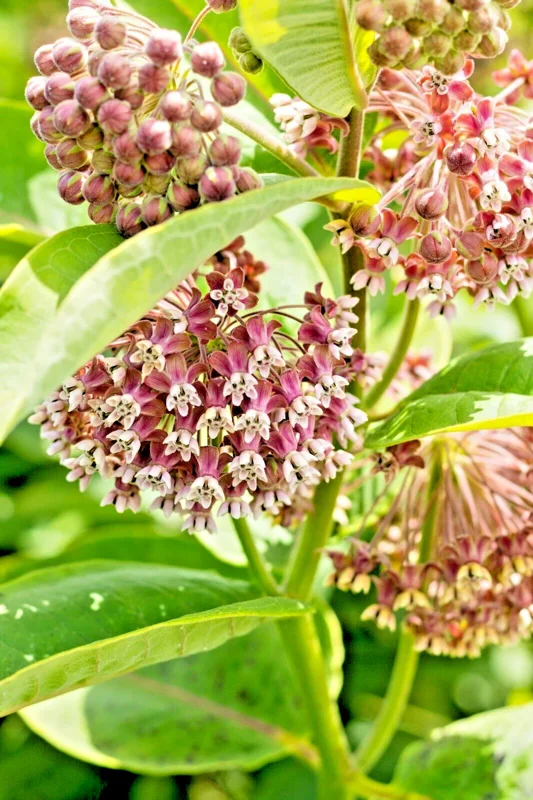
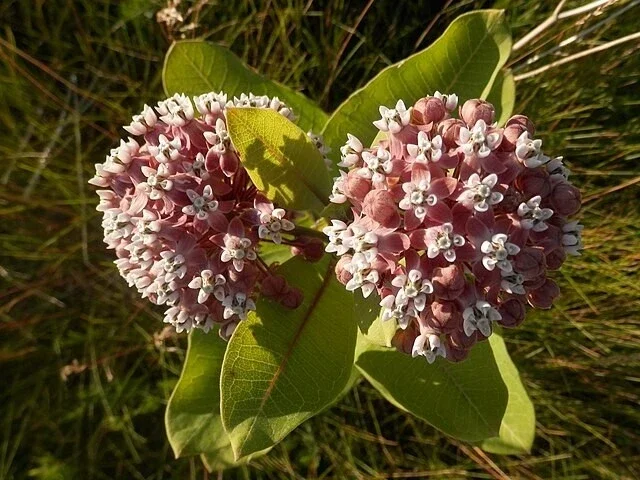
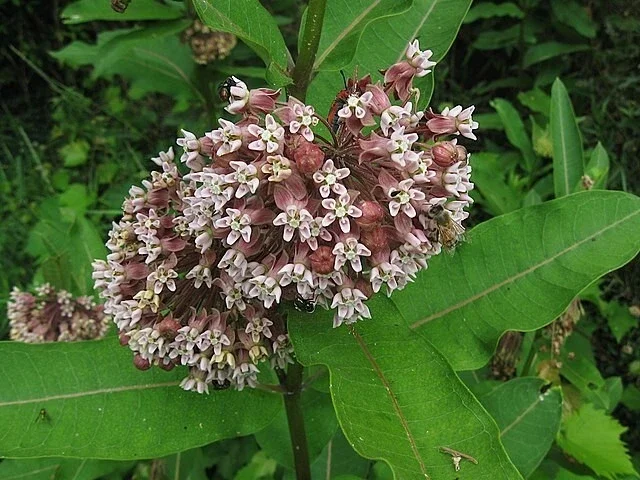
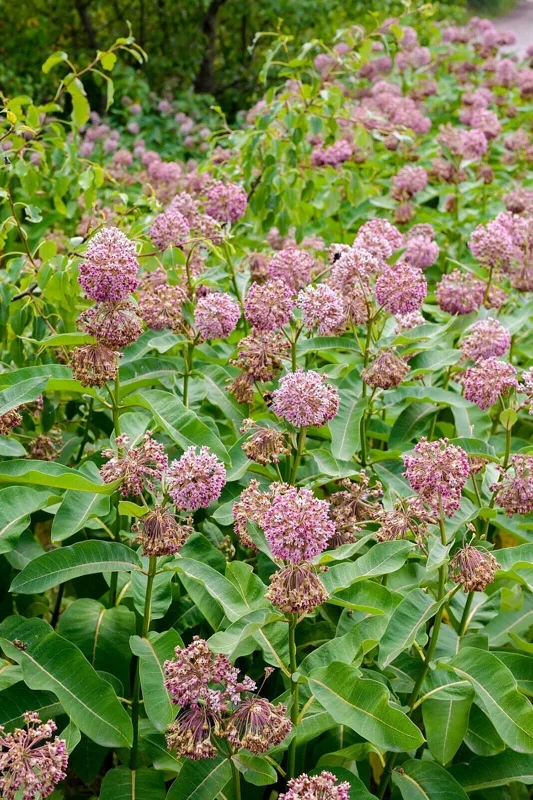
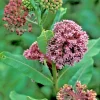
Introduce the vital beauty of pink milkweed seeds into your garden. This offering provides 101 high-quality seeds of Asclepias Syriaca, commonly known as Common Milkweed. This native North American perennial is renowned for its charming pink-purple flower clusters and, more importantly, its indispensable role as the primary host plant for monarch butterfly caterpillars. Growing asclepias syriaca seeds is a rewarding experience, contributing significantly to local ecosystems by supporting these iconic pollinators. The robust nature of Common Milkweed ensures a thriving, low-maintenance addition to any sunny garden or naturalized area, creating a picturesque landscape that buzzes with life.
Each packet contains 101 seeds, providing a generous quantity to establish a substantial patch of this beneficial plant. These seeds are perfect for gardeners looking to make a positive environmental impact, attract diverse wildlife, and enjoy the delicate beauty of native wildflowers. Whether you’re starting a new pollinator garden or expanding an existing one, these pink milkweed seeds offer an accessible and effective way to contribute to monarch conservation efforts.
Key Benefits
Planting monarch butterfly flower seeds like Pink Milkweed offers a multitude of advantages for both your garden and the environment. These benefits extend beyond aesthetic appeal, providing crucial ecological support and creating a dynamic, living space:
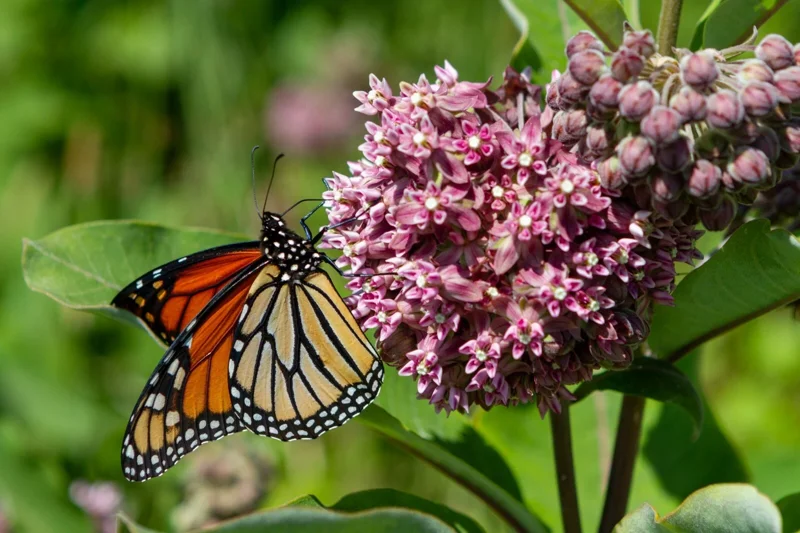
- Monarch Butterfly Support: Asclepias syriaca seeds are essential for the survival of monarch butterflies, serving as the sole food source for their caterpillars. By planting these, you directly contribute to monarch conservation.
- Pollinator Attraction: The sweet, fragrant flowers of Common Milkweed attract a wide array of pollinators, including bees, other butterflies, and beneficial insects, enhancing the biodiversity of your garden.
- Easy to Grow: Known for its resilience, Pink Milkweed is an incredibly easy plant to establish from seed, making it suitable for gardeners of all experience levels. It tolerates various soil conditions once established.
- Hardy Perennial: As a hardy perennial seed, these plants will return year after year, providing continuous beauty and ecological benefits without the need for annual replanting.
- Drought Tolerant: Once mature, Common Milkweed is remarkably drought-tolerant, requiring minimal watering and thriving even in drier conditions.
- Low Maintenance: After initial establishment, Pink Milkweed requires very little care, making it an ideal choice for naturalized areas, meadows, or low-maintenance garden designs.
- Native Plant: Planting native species like Asclepias Syriaca helps restore natural habitats, supports local wildlife, and generally performs better in its native environment.
Plant Care & Growing Tips
Growing pink milkweed seeds is straightforward, especially with a few key guidelines. These plants are remarkably adaptable and resilient, making them a joy for any gardener. For optimal germination, milkweed seeds often benefit from a period of cold stratification. This can be achieved by placing the seeds in a moist paper towel or sand inside a sealed plastic bag in your refrigerator for 30-60 days before planting. This mimics natural winter conditions and breaks dormancy, significantly improving germination rates.
Once stratified, sow the pink milkweed seeds directly outdoors in spring after the last frost, or start them indoors 6-8 weeks before the last frost. Plant seeds about 1/4 inch deep and space them 12-18 inches apart. Common Milkweed thrives in full sun, requiring at least 6 hours of direct sunlight per day. It prefers average, well-draining soil and can tolerate a range of soil types, including loam, sand, and even clay. While establishing, keep the soil consistently moist but not waterlogged. Once mature, these plants are quite drought-tolerant and will only need watering during extended dry periods. Fertilization is generally not necessary, especially in rich soils. In poorer soils, a light application of balanced fertilizer in spring can be beneficial. Watch for common garden pests, though milkweed is generally robust. The presence of monarch caterpillars is a sign of success, so be mindful not to harm them during garden maintenance. These monarch butterfly flower seeds will grow into strong, supportive plants.
Size & Details
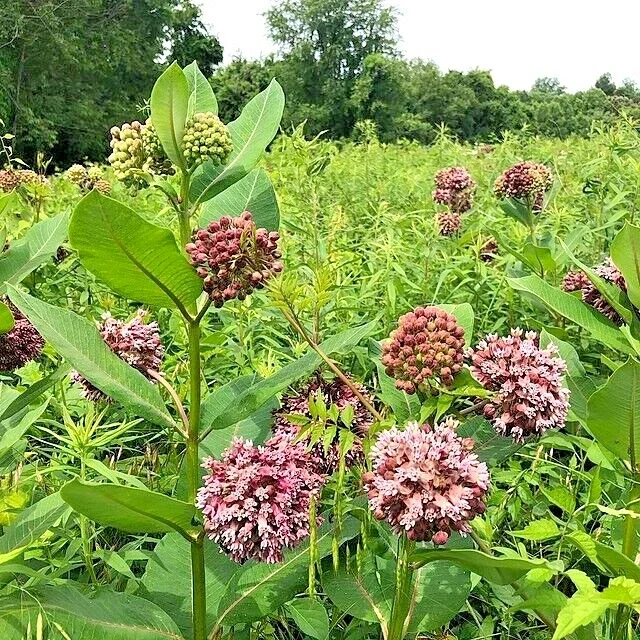
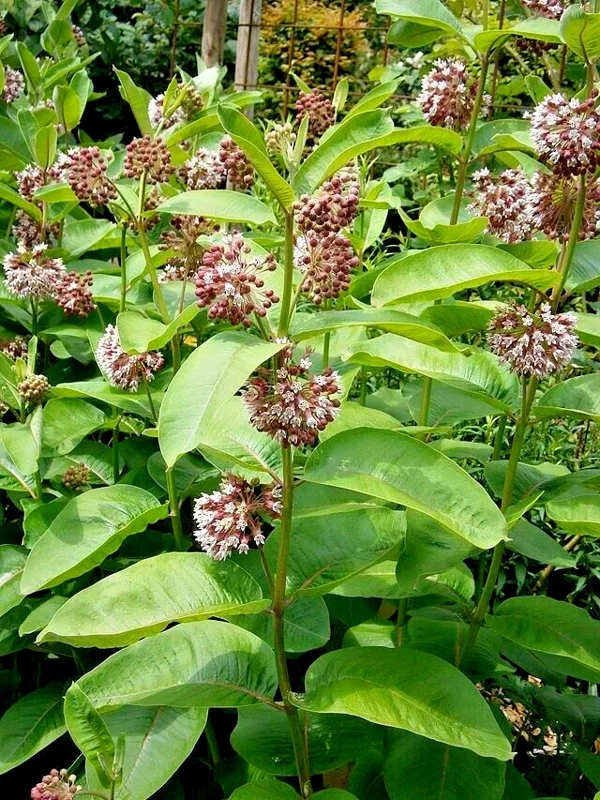
This product includes 101 high-quality pink milkweed seeds (Asclepias Syriaca), ready for planting. These seeds will grow into robust perennial plants that typically reach a height of 3 to 6 feet and spread 2 to 3 feet wide, forming attractive clumps. The plants feature broad, oval leaves and produce clusters of fragrant, showy pink-purple flowers from early summer through late summer, particularly from spring to early summer and throughout summer. Common Milkweed is deciduous, with foliage dying back in winter and reappearing in spring. It is a bushy plant that grows well outdoors, providing a medium watering requirement once established. The seeds are suitable for planting in a wide range of climates (Highland, Humid Continental, Humid Subtropical, Marine West Coast, Mediterranean, Cold, Temperate), specifically hardy in USDA Zones 4-9. Expect flowers to appear typically in the second year after planting from seed. These open-pollinating, cross-pollinating, and self-pollinating plants offer ease of cultivation and cold resistance for a thriving garden.
Frequently Asked Questions
- Q: How big does this milkweed plant get? A: Pink milkweed seeds will grow into plants that typically reach 3 to 6 feet tall and spread 2 to 3 feet wide, forming substantial clumps. They are known for their vigorous growth once established.
- Q: Is this an indoor or outdoor plant? A: Common Milkweed (Asclepias Syriaca) is an outdoor plant, best suited for gardens, meadows, and naturalized areas where it can receive ample sunlight and space.
- Q: How much sunlight does it need? A: These plants thrive in full sun, requiring a minimum of 6 hours of direct sunlight per day for optimal growth and flowering.
- Q: Is this plant easy to care for? Is it good for beginners? A: Yes, Common Milkweed is considered an easy plant to grow from hardy perennial seeds. It is drought-tolerant and low-maintenance once established, making it an excellent choice for beginners.
- Q: What condition will the seeds arrive in? A: The pink milkweed seeds will arrive as fresh, viable seeds, ready for stratification and planting. They are carefully packaged to ensure their quality upon arrival.
- Q: Can I use milkweed in cooking? Is it pet-safe? A: While some parts of milkweed have been historically used, it is generally not recommended for culinary use due to potential toxicity. It is also not considered pet-safe if ingested in large quantities.
- Q: How long until it blooms? When is the best time to plant? A: Milkweed typically blooms in its second year after planting from seed. The best time to plant stratified seeds outdoors is in the spring after the last frost.
- Q: Will it survive winter in my zone? What’s the minimum temperature? A: Common Milkweed is a hardy perennial seed and is cold-resistant, thriving in USDA Hardiness Zones 4-9. It is well-adapted to survive cold winters in these regions.
- Q: Why is planting Asclepias Syriaca important? A: Planting asclepias syriaca seeds is crucial because it is the exclusive host plant for monarch butterfly caterpillars, meaning monarchs cannot complete their life cycle without it. It’s vital for monarch conservation.
- Q: Will these seeds attract monarch butterflies? A: Absolutely! These monarch butterfly flower seeds are specifically sought out by monarch butterflies for laying eggs, and the resulting plants provide both food for caterpillars and nectar for adult butterflies.









Reviews
There are no reviews yet.