Overview
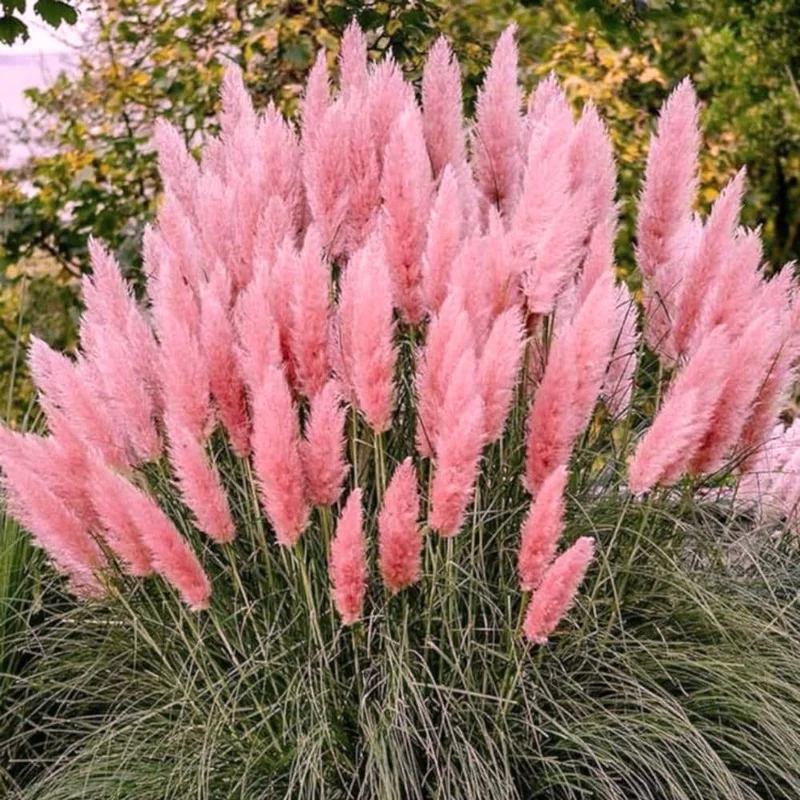
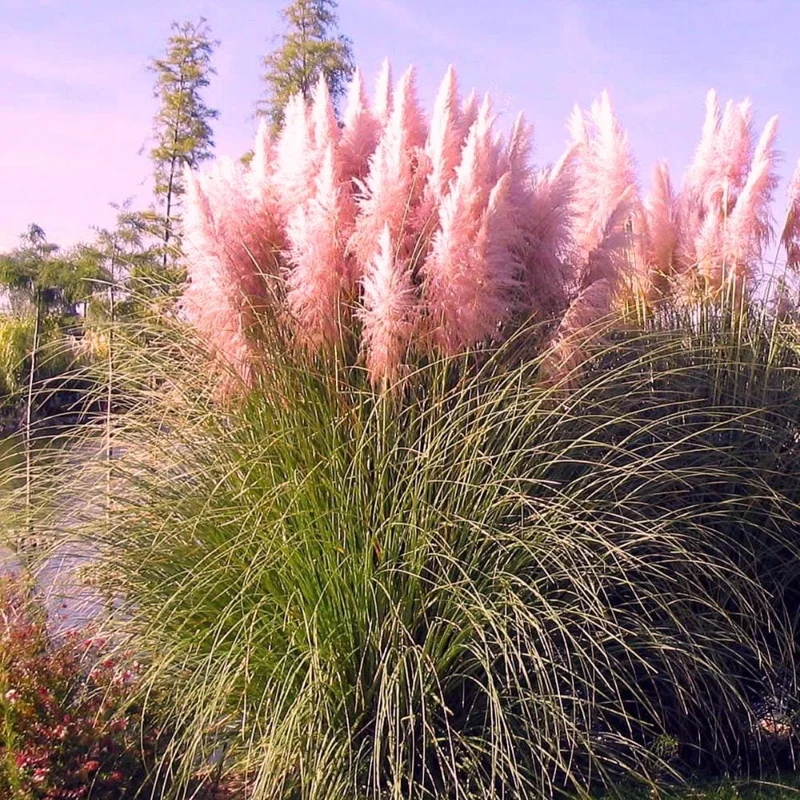
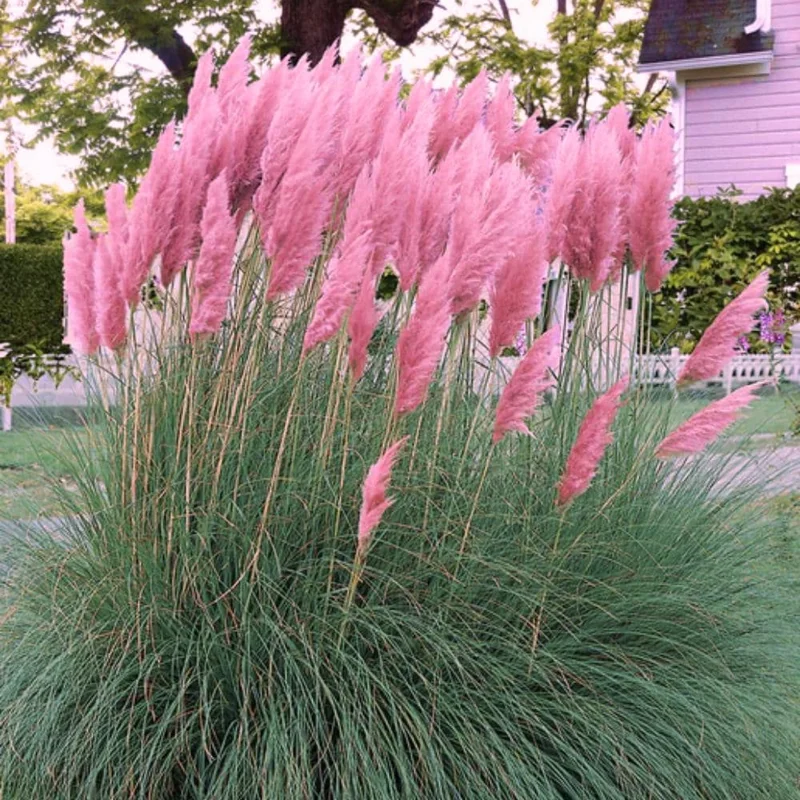
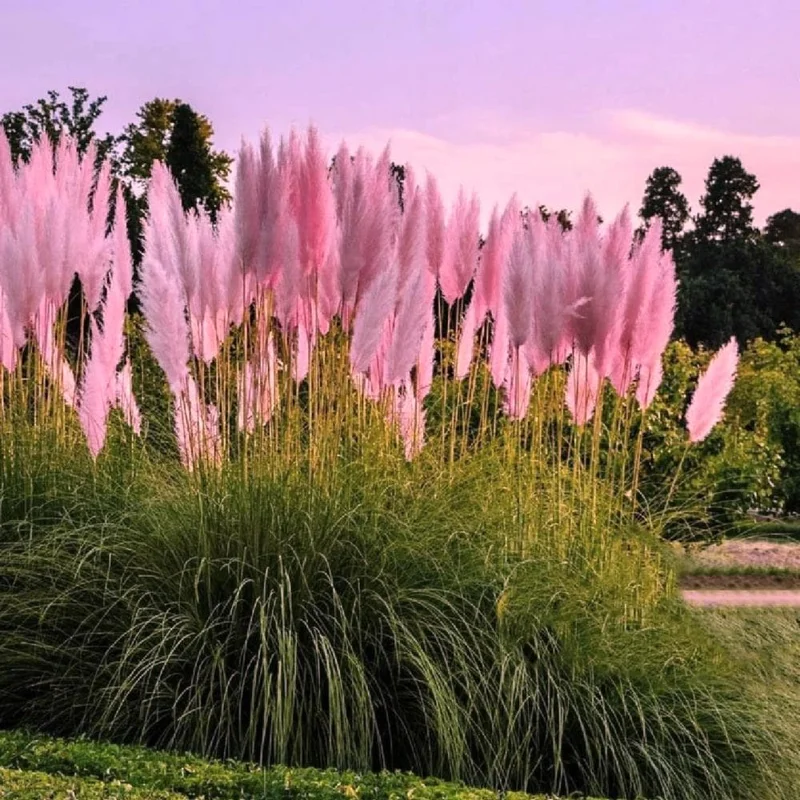
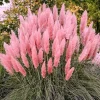
Introduce a touch of sophisticated beauty to your outdoor living areas with our exquisite pink pampas grass live plant. This ornamental grass is renowned for its striking feathery, pink plumes that sway gracefully in the breeze, creating a dynamic and captivating display. Originating from South America, Cortaderia selloana, commonly known as Pampas Grass, has become a popular choice for gardeners seeking a low-maintenance yet high-impact plant. Our pink pampas grass live plant arrives ready to thrive, offering instant appeal and long-lasting elegance to your landscape. It’s an excellent choice for adding texture, movement, and a unique color palette to borders, garden beds, or large containers, making it a truly versatile and decorative plant for home and garden.
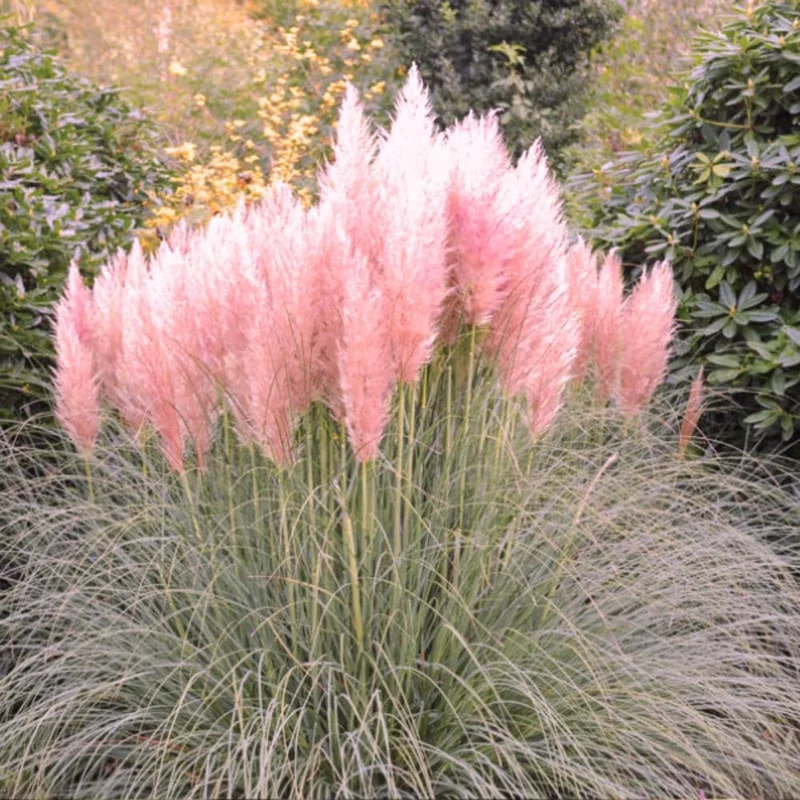
This particular variety, specifically cultivated for its charming pink hue, stands out from traditional white or tan pampas grass. Its vibrant plumes emerge in late summer and persist through fall, providing an extended season of visual interest. Whether you’re a seasoned gardener or just starting, this hardy and adaptable plant promises to transform your outdoor space into a picturesque retreat. The pink pampas grass live plant is not just a plant; it’s a statement piece, designed to elevate the aesthetic of any garden, large or small.
Key Benefits
Our pink pampas grass live plant offers a multitude of benefits that make it an exceptional addition to any garden or landscape design. Its robust nature and stunning appearance contribute significantly to its appeal and ease of integration into various garden styles.
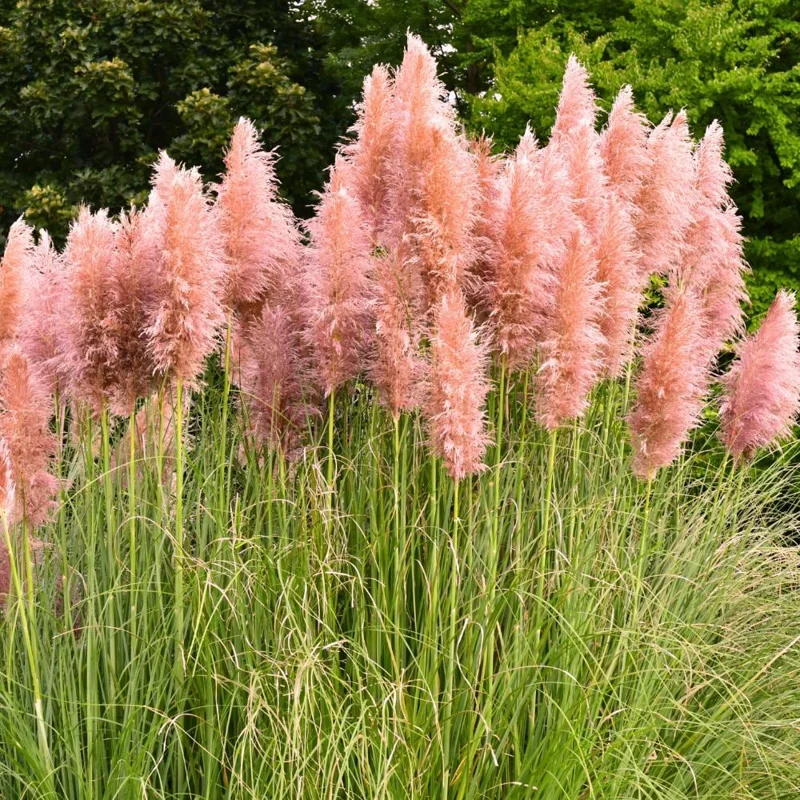
- Exceptional Ornamental Appeal: The primary draw of this plant is its breathtaking feathery pink plumes. These vibrant inflorescences create a dramatic visual impact, serving as a natural focal point and adding a unique color dimension to your garden, making it a truly ornamental grass for garden.
- Low Maintenance & Hardy: This grass is incredibly forgiving and requires minimal attention once established. It’s drought-tolerant and resilient, making it perfect for busy gardeners or those in drier climates. This ease of care contributes to its reputation as an excellent decorative plant for home and landscape.
- Adds Texture and Movement: The delicate, flowing plumes and slender foliage introduce dynamic texture and graceful movement to your garden, softening harsh lines and creating a serene, natural ambiance. It’s perfect for creating a sense of wild beauty.
- Versatile Landscape Use: Ideal for a variety of applications, including mass plantings, borders, privacy screens, erosion control, or as a striking specimen plant. Its adaptability allows it to thrive in different garden settings.
- Attracts Wildlife: While not a primary pollinator plant, the dense foliage can offer shelter for small birds and other garden creatures, contributing to local biodiversity.
- Long-Lasting Interest: The beautiful plumes persist well into the fall and even winter, providing continuous visual appeal long after many other garden plants have faded. This extended season of interest makes it a valuable asset for year-round garden beauty.
- Adaptable to Various Soils: While it prefers well-drained soil, pink pampas grass live plant can tolerate a range of soil types, making it suitable for many different garden conditions.
Plant Care & Growing Tips
Caring for your pink pampas grass live plant is relatively straightforward, making it an excellent choice for gardeners of all experience levels. To ensure vigorous growth and abundant plumes, follow these simple guidelines. This ornamental grass for garden thrives with proper care.
Sunlight Requirements: Pink Pampas Grass performs best in full sun, meaning it needs at least 6-8 hours of direct sunlight per day. While it can tolerate partial shade, too little sun may result in fewer and less vibrant plumes, and the plant may become leggy. When choosing a location, consider areas that receive ample morning and afternoon sun. For optimal growth and color, a south or west-facing exposure is often ideal.
Watering Schedule and Soil Moisture: Once established, pink pampas grass live plant is remarkably drought-tolerant. During its first growing season, water regularly to help it establish a strong root system. Aim for about 1 inch of water per week, either from rainfall or irrigation. After establishment, water only during prolonged dry spells. Overwatering can lead to root rot, so ensure the soil dries out between waterings. The plant prefers consistent moisture but not soggy conditions.
Soil Type and Drainage: This grass is not particularly fussy about soil type, but excellent drainage is crucial. It thrives in well-drained soil, including sandy, loamy, or even clay soils, as long as they don’t retain excessive moisture. If you have heavy clay soil, consider amending it with organic matter like compost or sand to improve drainage. A pH range of 5.5 to 7.5 is generally suitable for optimal growth. Good drainage is key to healthy pink pampas grass care.
Temperature Range and USDA Hardiness Zone: Pink Pampas Grass is a hardy perennial, typically thriving in USDA Hardiness Zones 7-11. In these zones, it can withstand winter temperatures without significant damage. In colder regions (Zone 6 and below), it might be grown as an annual or require significant winter protection. It tolerates a wide range of temperatures, from hot summers to mild winters. Ensure protection from extreme cold snaps in transitional zones.
Fertilization Schedule and Type: Pink Pampas Grass is not a heavy feeder. A light application of a balanced, slow-release granular fertilizer in early spring, just as new growth begins, is usually sufficient. Avoid over-fertilizing, as this can lead to excessive foliage growth at the expense of plumes. If your soil is particularly poor, a second light application in mid-summer might be beneficial. Look for fertilizers with an NPK ratio like 10-10-10 or similar.
Common Problems and Solutions: This grass is generally pest and disease resistant. The most common issues arise from improper watering (either too much or too little) or insufficient sunlight. Watch for signs of root rot (yellowing leaves, stunted growth) if your soil is poorly drained. Rust or other fungal diseases can occur in very humid conditions; ensure good air circulation. Pruning annually in late winter or early spring helps maintain vigor and prevents dead foliage accumulation. Wear gloves and long sleeves when handling, as the leaf blades can be sharp. Understanding these aspects is vital for effective pink pampas grass care.
Size & Details
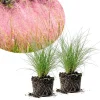
This pink pampas grass live plant arrives as a young, vibrant specimen, typically measuring 4-7 inches tall from the base of the plant to the tip of its foliage. It is carefully nurtured and shipped in a nursery pot, ensuring it is ready for immediate planting upon arrival. While compact at this stage, this ornamental grass has a moderate to fast growth rate and will quickly establish itself in your garden, growing significantly larger over time. When mature, Pink Pampas Grass can reach impressive heights of 5-8 feet with a similar spread, forming a substantial and impactful presence in your landscape. The iconic pink plumes typically emerge in late summer and early fall, offering a spectacular show that lasts for months.
The plant’s mature size makes it an excellent choice for creating dramatic backdrops, natural screens, or bold specimen plantings. It’s a truly spectacular decorative plant for home and garden, adding grace and color. The robust root system ensures good establishment, and with proper care, it will become a long-lived feature in your outdoor space. Expect the plant to start producing its signature plumes in its first or second growing season, depending on planting conditions and climate.
Frequently Asked Questions
- Q: How big does this pink pampas grass live plant get? A: This plant arrives 4-7 inches tall. When mature, it can reach an impressive height of 5-8 feet and a similar spread, creating a substantial presence in your garden.
- Q: Is this an indoor or outdoor plant? A: Pink Pampas Grass is primarily an outdoor ornamental grass. It thrives in full sun and is best suited for garden beds, borders, or large outdoor containers in USDA Zones 7-11.
- Q: How much sunlight does pink pampas grass live plant need? A: For optimal growth and the most vibrant plumes, this plant requires full sun, meaning at least 6-8 hours of direct sunlight per day. Less sun may result in fewer flowers.
- Q: Is this plant easy to care for? A: Yes, Pink Pampas Grass is known for being very easy to grow and maintain, especially once established. It’s drought-tolerant and generally pest-resistant, making it a great choice for both beginners and experienced gardeners who are looking for an ornamental grass for garden.
- Q: What condition will it arrive in? A: Your pink pampas grass live plant will arrive carefully packed in a nursery pot, ready for planting. We ensure it is healthy and well-rooted to withstand shipping.
- Q: When is the best time to plant Pink Pampas Grass? A: The best time to plant Pink Pampas Grass is in the spring after the danger of the last frost has passed, or in early fall. This allows the plant sufficient time to establish its root system before extreme weather.
- Q: Will it survive winter in my zone? A: Pink Pampas Grass is hardy in USDA Zones 7-11. In these zones, it will survive winter outdoors. In colder zones, it may need significant winter protection or be treated as an annual.
- Q: What kind of soil does it prefer? A: This plant prefers well-draining soil but is adaptable to various soil types, including sandy, loamy, or clay, as long as drainage is good. Poorly drained soil can lead to root issues.
- Q: Can I grow pink pampas grass live plant in a pot? A: Yes, you can grow Pink Pampas Grass in a large container or pot, especially if you have limited garden space or live in a colder zone where you might want to move it indoors for winter. Ensure the pot has good drainage.
- Q: How do I prune Pink Pampas Grass? A: Prune Pink Pampas Grass annually in late winter or early spring before new growth appears. Cut back the entire plant to about 6-12 inches from the ground. Wear protective gloves and long sleeves as the blades can be sharp.




Reviews
There are no reviews yet.