Overview
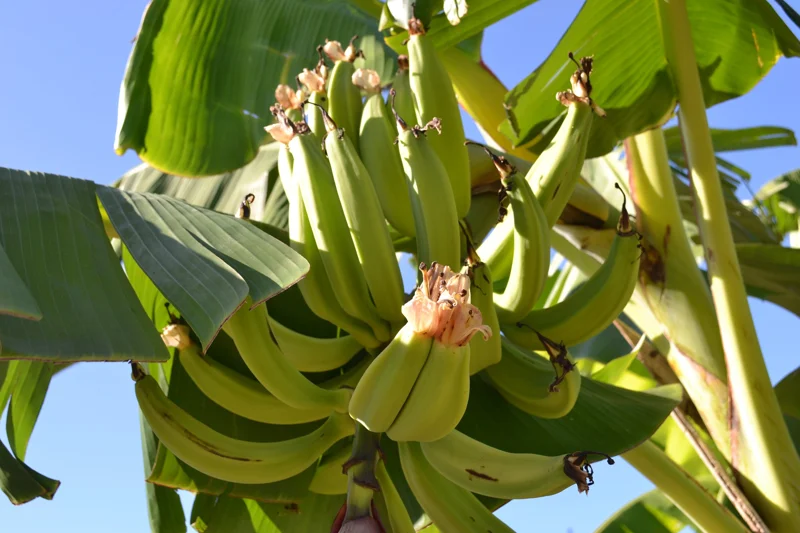
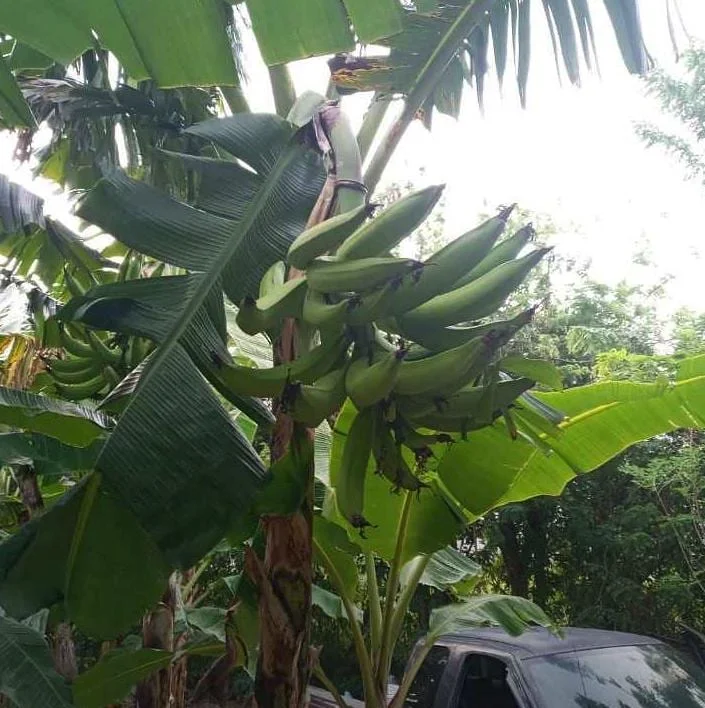
Embark on an exciting journey of tropical gardening with this plantain plant rhizome, ready to grow into a robust and productive plant. Plantains, often referred to as cooking bananas, are a staple in many cuisines worldwide and offer a unique, savory flavor distinct from dessert bananas. This well-rooted rhizome provides a strong foundation for a healthy plant, ensuring a higher success rate for gardeners looking to cultivate their own plantain supply. Imagine harvesting your own fresh plantains, perfect for frying, baking, or boiling, right from your backyard. This particular variety, scientifically known as Musa paradisiaca, is known for its vigorous growth and delicious fruit.
Growing a plantain plant rhizome is a rewarding experience, offering both an ornamental touch to your landscape with its large, lush leaves and the practical benefit of homegrown food. These plants thrive in warm, humid conditions, making them excellent choices for tropical and subtropical gardens, or as impressive container plants in cooler climates where they can be brought indoors during colder months. The rhizome is the underground stem from which the plant grows, providing a resilient and established start for your new plant.
Key Benefits
Cultivating a plantain plant from a rhizome offers numerous advantages, from fresh produce to an exotic garden aesthetic. Here are some of the key benefits:
Homegrown Harvest: Enjoy the satisfaction and flavor of fresh, organic plantains grown right in your own garden. You’ll have direct control over the growing conditions, ensuring a healthy and delicious yield. This makes growing your own plantain plant rhizome a truly rewarding endeavor.
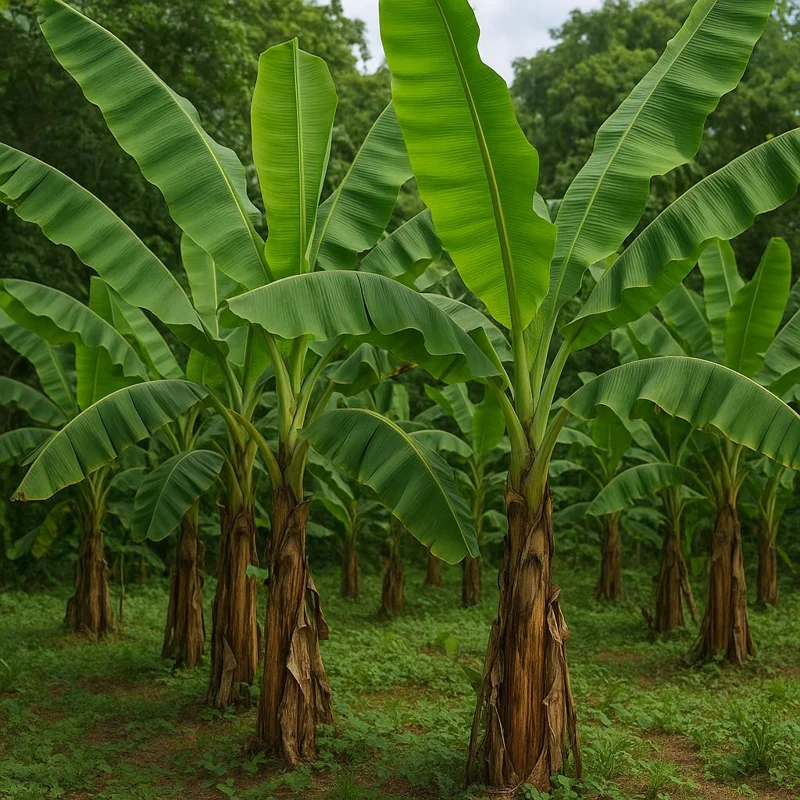
Exotic Garden Addition: The large, paddle-like leaves of the plantain plant create a dramatic, tropical ambiance in any garden or patio. Its striking appearance can transform an ordinary space into an exotic retreat, adding a unique visual appeal.
Culinary Versatility: Plantains are incredibly versatile in the kitchen, suitable for a wide range of dishes, from savory fried plantains to sweet baked treats. Having a fresh supply means you can experiment with various recipes and enjoy their unique taste.
Strong Start: Starting with a well-rooted rhizome provides a significant advantage over seeds, as it ensures a more established and vigorous plant from the outset. This leads to faster growth and earlier fruit production.
Nutritional Value: Plantains are a good source of vitamins (A, C, B6), minerals (potassium, magnesium), and dietary fiber, contributing to a healthy diet. Growing your own ensures you have access to these nutrient-rich fruits.
Sustainable Living: Growing your own food reduces your carbon footprint and promotes self-sufficiency. A plantain plant rhizome is a step towards a more sustainable and environmentally conscious lifestyle.
Plant Care & Growing Tips
To ensure your plantain plant rhizome flourishes and produces abundant fruit, understanding its specific care requirements is crucial. Plantains are tropical plants that thrive in conditions mimicking their native environments. They require plenty of sunlight, consistent moisture, and rich, well-draining soil to reach their full potential. With proper care, your plantain plant can become a long-term producer in your garden.
Sunlight Requirements: Plantain plants need full sun to thrive, meaning at least 6-8 hours of direct sunlight per day. In very hot climates, some afternoon shade can be beneficial to prevent leaf scorching. If growing indoors, place your plant in the brightest south-facing window possible, or supplement with a grow light. Adequate sunlight is essential for fruit development. Ensure your plantain banana plant receives ample light.
Watering and Soil: These plants are heavy feeders and drinkers. They prefer consistently moist, but not waterlogged, soil. Water deeply when the top inch of soil feels dry to the touch. During hot, dry periods, daily watering may be necessary. Ensure excellent drainage to prevent root rot. A rich, loamy soil with a slightly acidic to neutral pH (6.0-7.0) is ideal. Amending the soil with compost or well-rotted manure will provide essential nutrients. The key to successful growth is ensuring the soil remains consistently moist but never soggy.
Temperature and Hardiness: Plantains are tropical plants and are sensitive to cold. They thrive in temperatures between 75°F and 85°F (24°C-29°C). Most varieties are suitable for USDA hardiness zones 9-11, where they can be grown outdoors year-round. In cooler zones, they can be grown in large containers and brought indoors when temperatures drop below 50°F (10°C). Protect them from frost, as it can severely damage or kill the plant. Understanding proper plantain care is vital for success.
Fertilization: Plantain plants are heavy feeders and require regular fertilization to support their rapid growth and fruit production. Use a balanced fertilizer (e.g., 8-10-8 or similar) every 4-6 weeks during the growing season. Alternatively, organic options like compost tea or fish emulsion can be used. Reduce fertilization during dormant periods or in cooler months. Regular feeding will help your musa paradisiaca produce healthy leaves and delicious fruit.
Size & Details
This offering is for a single, well-rooted plantain plant rhizome, ready for planting. While the exact size of the rhizome can vary, it will be robust enough to establish quickly once planted. Plantain plants typically grow quite large, often reaching heights of 10-20 feet (3-6 meters) with a spread of 5-10 feet (1.5-3 meters) in ideal outdoor conditions. When grown in containers, their size can be somewhat constrained, making them more manageable for patios or indoor spaces, though they will still require a very large pot (at least 15-20 gallons).
The growth rate of a plantain plant is fast under optimal conditions, with fruit production typically beginning 12-18 months after planting from a well-established rhizome. The rhizome will arrive carefully packaged to ensure its health during transit, ready for immediate planting upon arrival. Expect lush, broad leaves to emerge quickly as the plant establishes its root system. This plantain plant rhizome offers a fantastic opportunity to cultivate your own tropical harvest at home.
Frequently Asked Questions
Q: How big does this plant get? A: In optimal outdoor conditions, a plantain plant can grow 10-20 feet tall with a spread of 5-10 feet. When grown in a large container, its size will be more constrained, typically reaching 6-10 feet depending on pot size and pruning.
Q: Is this an indoor or outdoor plant? A: Plantains are primarily outdoor plants in USDA zones 9-11. In cooler climates, they can be grown outdoors during warm months and brought indoors as a container plant when temperatures drop, making them versatile for many gardeners who want to grow plantain plant.
Q: How much sunlight does it need? A: Plantain plants require full sun, meaning at least 6-8 hours of direct sunlight daily. In extremely hot climates, some afternoon shade can be beneficial to prevent leaf burn, which is important for good plantain care.
Q: Is this plant easy to care for? A: While plantains require consistent watering and feeding, they are relatively straightforward to care for if their basic needs for warmth, sun, and moisture are met. They are not typically prone to many pests or diseases when healthy.
Q: What condition will it arrive in? A: Your plantain plant rhizome will arrive well-rooted and carefully packaged to ensure its health and vitality during shipping. It will be ready for immediate planting upon arrival.
Q: How long until it produces fruit? A: With a well-rooted rhizome and optimal growing conditions, you can typically expect your plantain plant to start producing fruit within 12-18 months after planting. The first harvest is a rewarding experience.
Q: Can I use the fruit in cooking? A: Absolutely! Plantains are specifically grown for their culinary versatility. They are excellent for frying, baking, boiling, and can be used in a wide variety of savory and sometimes sweet dishes, providing a delicious homegrown ingredient.
Q: What type of soil is best for a plantain plant? A: Plantains thrive in rich, well-draining, loamy soil with a slightly acidic to neutral pH (6.0-7.0). Amending the soil with plenty of organic matter like compost is highly recommended for optimal growth and fruit production for your musa paradisiaca.
Q: Will it survive winter in my zone? A: Plantain plants are tropical and will only survive winter outdoors year-round in USDA zones 9-11 without protection. In zones 8 and below, they must be brought indoors or heavily protected from frost during the colder months.
Q: Is the plantain plant rhizome the same as a banana plant? A: Plantains are a type of banana, specifically cooking bananas. While they belong to the same genus (Musa), they are distinct from dessert bananas and have different culinary uses and some variations in growth habits.




Reviews
There are no reviews yet.