Overview
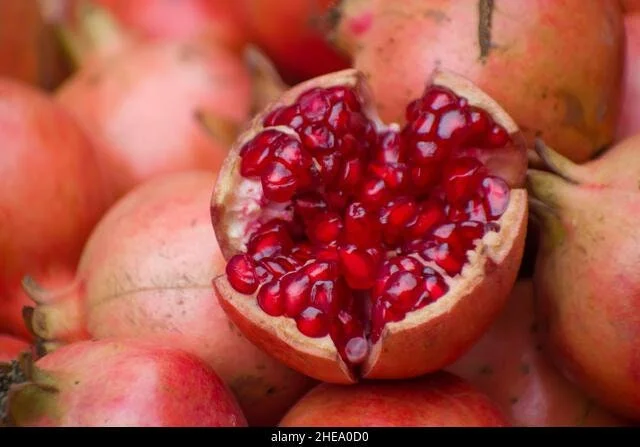
Cultivate your own delicious fruit with this vibrant pomegranate live plant. Reaching an impressive height of 2 to 3 feet, this healthy specimen is eager to establish itself in your garden or a large container, promising the delight of fresh pomegranates in the near future. Pomegranates, botanically known as Punica granatum, are cherished for their striking flowers, ornamental appeal, and, most importantly, their juicy, antioxidant-rich fruits. This particular plant is a fantastic choice for those looking to add an exotic and productive element to their landscape, whether you’re an experienced gardener or just starting your journey to grow pomegranate at home.
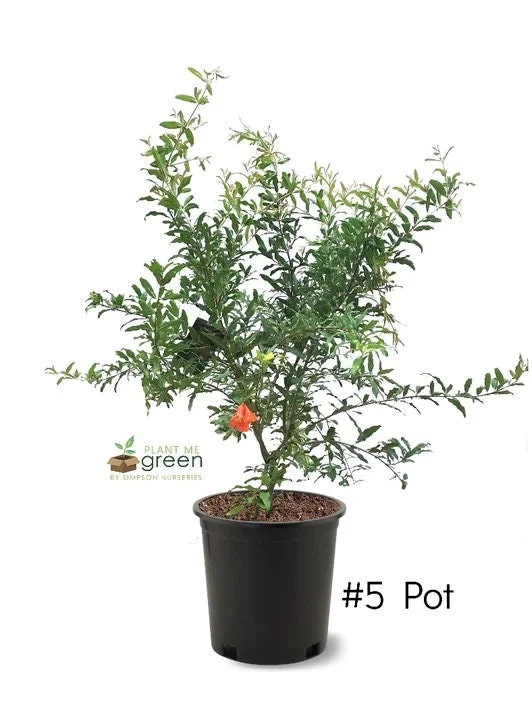
Our pomegranate live plant arrives ready for planting, carefully nurtured in a 3-gallon pot to ensure a strong root system and a smooth transition to its new environment. Pomegranates are known for their resilience and adaptability, thriving in various climates and soil conditions, making them a rewarding addition to many home gardens. Enjoy the satisfaction of harvesting your own sweet and tart fruits, perfect for snacking, juicing, or culinary creations.
Key Benefits
Adding a pomegranate live plant to your home garden offers a wealth of benefits, from its aesthetic charm to its incredible fruit production. This versatile plant is not only beautiful but also highly rewarding.
- Delicious, Nutritious Fruit: Harvest your own sweet and tart pomegranates, packed with antioxidants, vitamins, and fiber. Enjoy them fresh, in juices, salads, or desserts, knowing exactly where your food comes from.
- Ornamental Appeal: Beyond its fruit, the pomegranate plant boasts attractive glossy green foliage and vibrant, trumpet-shaped red-orange flowers that add a touch of exotic beauty to any landscape or patio.
- Drought Tolerance: Once established, pomegranate live plant varieties are remarkably drought-tolerant, making them a sustainable choice for water-wise gardening in many regions.
- Versatile Growing Options: This plant can be grown as a shrub, trained as a small tree, or kept in a large container, offering flexibility for various garden sizes and styles, including those interested in a dwarf pomegranate tree.
- Low Maintenance: Pomegranates are generally easy to care for, requiring minimal fuss once established, making them suitable for busy gardeners. Regular pruning helps maintain shape and encourage fruit production.
- Long Lifespan: With proper care, a pomegranate plant can be a productive and beautiful fixture in your garden for many years, providing a long-term source of fresh fruit.
- Pollinator Attractor: The bright flowers of the pomegranate attract bees and other beneficial pollinators to your garden, contributing to local biodiversity and improving overall garden health.
Plant Care & Growing Tips
Caring for your pomegranate live plant is straightforward, ensuring years of beautiful foliage and abundant fruit. Pomegranates thrive in conditions that mimic their native Mediterranean climate, which means plenty of sun and well-draining soil. For optimal growth and fruit production, select a site that receives at least 6-8 hours of direct sunlight per day. While they tolerate partial shade, full sun is essential for the best fruiting. If growing in a container, choose a large pot (at least 15-20 gallons) to accommodate its root system and move it to a sunny location.
When it comes to watering, young pomegranate live plant specimens need consistent moisture to establish. Water deeply and regularly, especially during dry spells, allowing the top few inches of soil to dry out between waterings. Once established, pomegranates are quite drought-tolerant, but regular watering during fruit development will lead to larger, juicier fruits. Overwatering can lead to root rot, so ensure excellent drainage. The ideal soil for a pomegranate is well-draining loam with a slightly acidic to neutral pH (6.0-7.0). Amend heavy clay soils with organic matter to improve drainage, or sandy soils to improve water retention. Fertilize in early spring with a balanced slow-release fertilizer or an organic option like compost.
Pomegranates are generally hardy and resistant to most pests and diseases. Pruning is important to maintain the plant’s shape, encourage air circulation, and promote fruit production. Prune in late winter or early spring before new growth begins, removing suckers, dead or crossing branches, and thinning out dense growth. For those looking to grow pomegranate at home, understanding these basic care requirements will ensure a thriving and productive plant. Protecting young plants from extreme winter cold in colder zones is advisable; container-grown plants can be moved indoors or to a sheltered location.
Size & Details
This pomegranate live plant stands approximately 2 to 3 feet tall from the soil line, providing a substantial head start for your garden. It is shipped securely in a 3-gallon nursery pot, ensuring a well-developed root system ready for transplanting. Pomegranates are known for their moderate growth rate, and with proper care, this plant will continue to grow, eventually reaching a mature height of 10-20 feet if grown in the ground, though it can be maintained smaller with pruning or when grown as a dwarf pomegranate tree in a container. Expect the plant to begin producing fruit within 1-2 years of planting, offering a relatively quick turnaround for your efforts. The plant will arrive with healthy foliage and is ready to be planted in its permanent location.
Frequently Asked Questions
- Q: How big does this plant get? A: This pomegranate live plant is currently 2-3 feet tall. When mature, it can reach 10-20 feet in height if grown in the ground, but its size can be managed with pruning or by growing it in a large container as a dwarf pomegranate tree.
- Q: What size pot does it come in? A: The plant is shipped in a 3-gallon nursery pot, ensuring a healthy root system and an easier transition to your garden or a larger container.
- Q: Is this an indoor or outdoor plant? A: Pomegranates are primarily outdoor plants, thriving in full sun. However, they can be grown in large containers and brought indoors during winter in colder climates, especially when you grow pomegranate at home outside its hardiness zone.
- Q: How much sunlight does it need? A: A pomegranate live plant requires at least 6-8 hours of direct sunlight daily for optimal growth and fruit production. More sun generally leads to more and better-quality fruit.
- Q: Is this plant easy to care for? A: Yes, pomegranates are considered relatively easy to care for once established. They are drought-tolerant and generally resistant to pests, making them a good choice for both experienced and novice gardeners.
- Q: What condition will it arrive in? A: Your pomegranate live plant will arrive carefully packed in its 3-gallon pot, with healthy foliage and a well-established root system, ready for planting.
- Q: Can I expect fruit soon after planting? A: This plant is mature enough that you should get fruit soon, typically within 1-2 years after planting, given proper care and ideal growing conditions.
- Q: Will it survive winter in my zone? A: Pomegranates are generally hardy in USDA Zones 7-10. If you are in a colder zone, you may need to provide winter protection or grow the plant in a container and move it indoors.
- Q: What type of soil is best for a pomegranate live plant? A: Pomegranates prefer well-draining soil, ideally a loamy soil with a pH between 6.0 and 7.0. Good drainage is crucial to prevent root rot.
- Q: How often should I water my pomegranate plant? A: Water deeply and regularly while the plant is establishing. Once mature, water when the top few inches of soil are dry, especially during fruit development. Reduce watering in cooler months.








Reviews
There are no reviews yet.