Overview
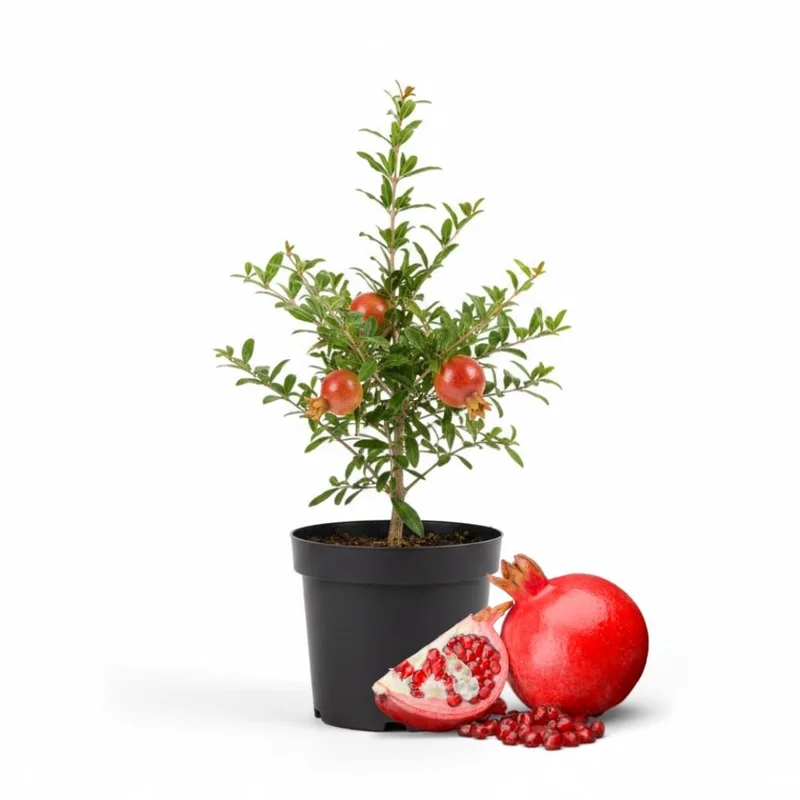
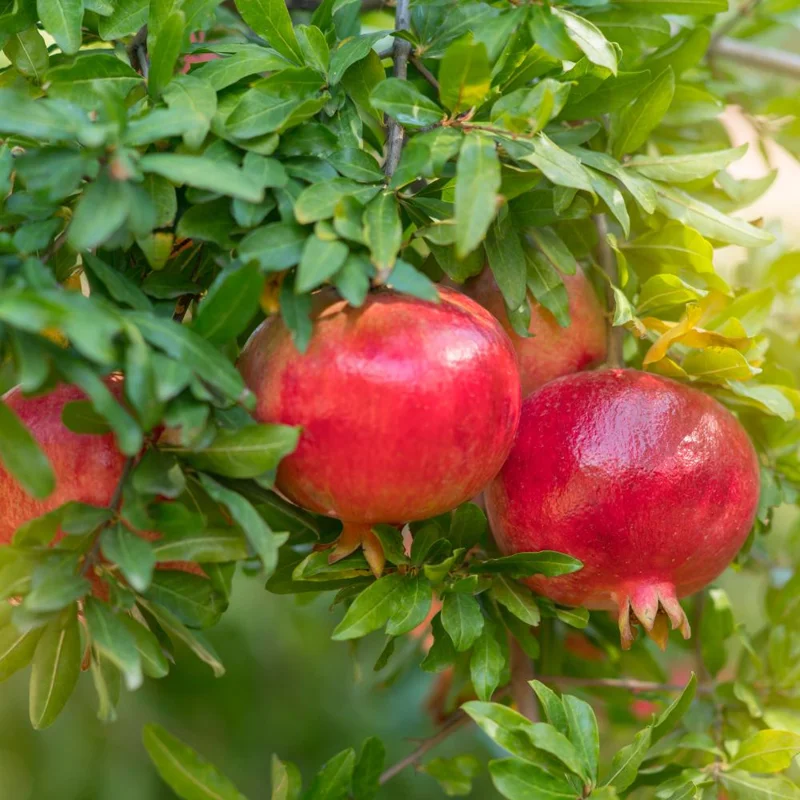
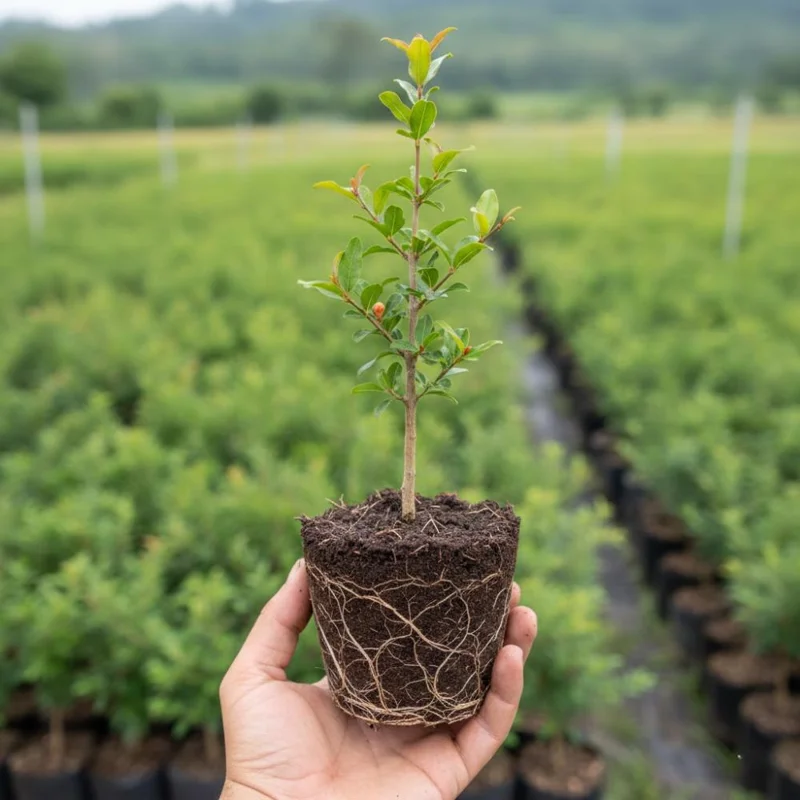
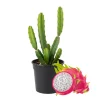
Experience the joy of growing your own fruit with this vibrant pomegranate tree live plant. Known for its distinctive red fruit and ornamental appeal, the pomegranate (Punica granatum) is a deciduous shrub or small tree that adds a touch of Mediterranean charm to any landscape. This particular plant arrives in a half-gallon pot, standing approximately 8 to 12 inches tall, making it an excellent starter for gardeners looking to cultivate a productive fruit tree. Its upright stems and glossy green leaves provide an attractive structure, whether planted directly in the ground or kept in a large container. The pomegranate tree is not only a source of delicious, antioxidant-rich fruit but also a beautiful addition to garden beds and patios, thriving in warm, sunny environments and offering a rewarding gardening experience for both novice and experienced growers.
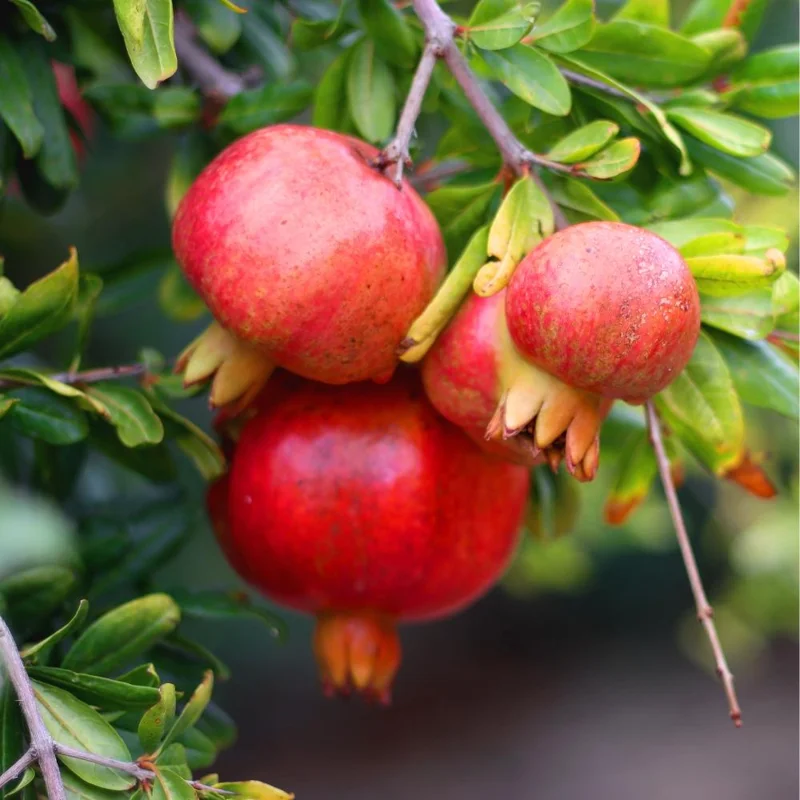
This pomegranate tree live plant is carefully cultivated to ensure a strong, healthy start in your garden. Its moderate size upon arrival makes it easy to transport and plant, quickly establishing itself to begin its journey toward fruit production. With proper care, this tree will provide not only a bountiful harvest but also captivating seasonal interest, from its showy orange-red flowers in spring to its unique fruit in late summer and fall. It’s an investment in both your garden’s beauty and your culinary adventures.
Key Benefits
Bringing a pomegranate tree live plant into your garden offers numerous advantages, from its aesthetic appeal to the delicious fruit it produces. This versatile plant is a fantastic choice for many outdoor settings.
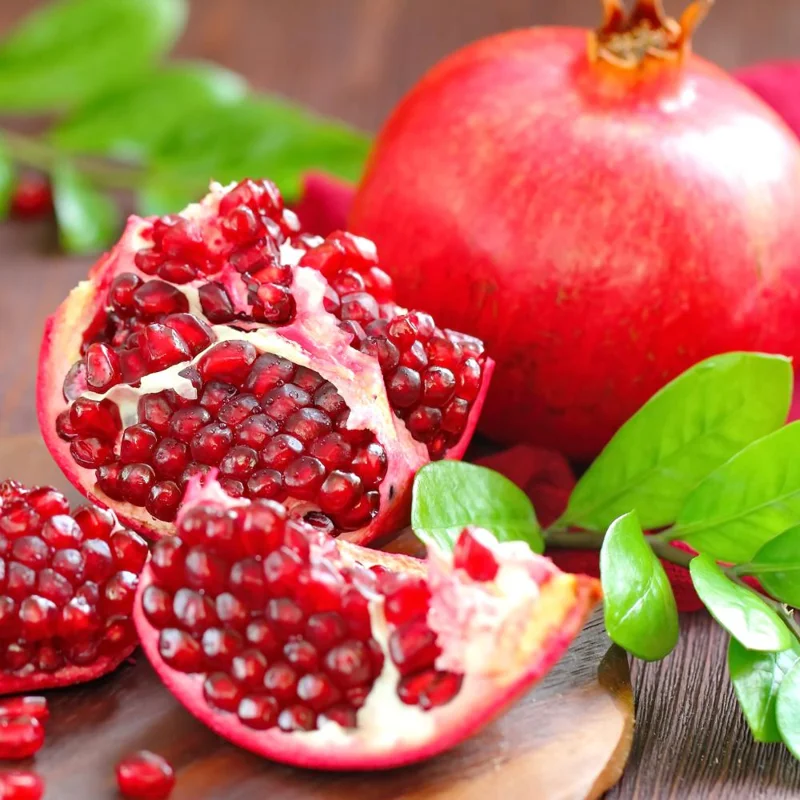
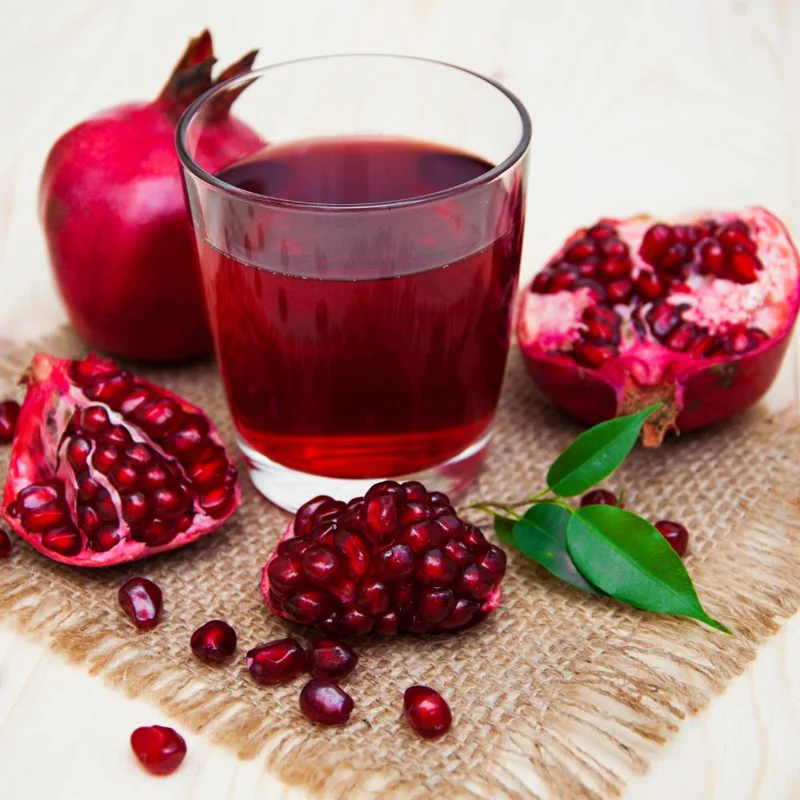
- Homegrown Fruit: Enjoy fresh, juicy pomegranates directly from your own garden. These fruits are packed with antioxidants and can be used in a variety of culinary applications, from juices and salads to desserts. Growing your own ensures freshness and quality.
- Ornamental Value: Beyond its fruit, the pomegranate tree boasts attractive features, including glossy green leaves, a distinctive growth habit, and beautiful, often showy, orange-red flowers that bloom in spring. This makes it an excellent focal point or a complementary plant in your landscape design.
- Adaptable & Resilient: This tree performs well in USDA hardiness zones 8–11, showcasing excellent adaptability to warm and sunny climates. It’s known for its resilience once established, capable of tolerating various soil conditions as long as they are well-draining.
- Drought Tolerance: Once mature, pomegranate trees are quite drought-tolerant, making them a suitable choice for water-wise gardening in appropriate regions. This reduces the need for frequent watering compared to many other fruit-bearing plants.
- Versatile Planting Options: Whether you have a spacious garden bed or a smaller patio, this pomegranate tree live plant can thrive. It’s suitable for planting directly in the ground or for growing in large containers, offering flexibility for different garden sizes and styles.
- Support Pollinators: The vibrant flowers of the pomegranate tree attract bees and other beneficial pollinators to your garden, contributing to a healthier ecosystem and supporting local biodiversity.
- Long-Lived & Productive: With proper care, a pomegranate tree can be a long-term asset to your garden, producing delicious fruit for many years. This makes growing a pomegranate tree a truly rewarding endeavor.
Plant Care & Growing Tips
To ensure your pomegranate tree live plant thrives, understanding its specific care requirements is crucial. Pomegranates are relatively easy to grow once established, provided they receive the right conditions. For optimal growth and fruit production, full sun exposure is essential. Aim for at least 6-8 hours of direct sunlight per day. In hotter climates, some afternoon shade can be beneficial to prevent scorching, but generally, more sun equals more fruit. When planting, choose a location that receives ample sunlight and has well-draining soil. Pomegranates are not particular about soil type, tolerating sandy, loamy, or even heavier clay soils, as long as drainage is good. Avoid areas where water tends to sit, as this can lead to root rot.
Watering should be consistent, especially during the establishment phase and when the plant is fruiting. Water regularly, allowing the soil to dry out slightly between watering cycles. While mature trees are somewhat drought-tolerant, consistent moisture will result in larger, juicier fruits. Reduce watering in the fall as the plant prepares for dormancy. Fertilize your pomegranate tree live plant in early spring with a balanced slow-release fertilizer or one formulated for fruit trees. Avoid high-nitrogen fertilizers, which can encourage leafy growth at the expense of fruit production. Pruning is best done in late winter or early spring before new growth begins. Remove dead, damaged, or crossing branches, and thin out overcrowded areas to improve air circulation and sunlight penetration. This also helps maintain the tree’s shape and encourages fruit development. Keep an eye out for common pests like aphids or whiteflies, and address them with organic insecticides or horticultural oil if necessary. Understanding pomegranate plant care is key to a successful harvest.
Size & Details
This pomegranate tree live plant is supplied in a half-gallon pot, providing a robust root system for easy transplanting. Upon arrival, the plant stands approximately 8 to 12 inches tall, offering a manageable size for immediate planting in your garden or a larger container. Pomegranate trees are known for their moderate growth rate, typically reaching a mature height of 10 to 20 feet if left unpruned, though they can be kept smaller with regular pruning, making them suitable as a dwarf pomegranate tree option. They develop a spreading canopy, often as wide as they are tall. Expect your tree to begin producing fruit within 2-3 years, with peak production occurring after 5-7 years. The plant will be shipped healthy and ready for planting, ensuring a smooth transition to its new home. Its adaptability to USDA hardiness zones 8-11 makes it a reliable choice for many warm-temperate and subtropical regions.
Frequently Asked Questions
- Q: How big does this pomegranate tree get? A: This pomegranate tree live plant arrives 8-12 inches tall in a half-gallon pot. If planted in the ground and left unpruned, it can grow 10-20 feet tall and wide. With regular pruning, it can be maintained at a smaller, more manageable size, similar to a dwarf pomegranate tree.
- Q: Is this an indoor or outdoor plant? A: This is primarily an outdoor fruit tree. Pomegranates thrive in full sun and warm climates. It can be grown in a large container and brought indoors during winter in colder zones, but it requires significant light to do well.
- Q: How much sunlight does it need? A: A pomegranate tree requires full sun for optimal growth and fruit production, meaning at least 6-8 hours of direct sunlight per day. More sun generally leads to more fruit.
- Q: Is this plant easy to care for? A: Yes, once established, pomegranate trees are relatively low-maintenance. They are quite hardy and drought-tolerant. The main requirements are full sun, well-draining soil, and regular watering during fruit development. Pomegranate plant care is generally straightforward.
- Q: What condition will it arrive in? A: Your pomegranate tree live plant will arrive healthy and well-rooted in its half-gallon pot, carefully packaged to ensure its safe journey to your home. It will be ready for immediate planting or repotting.
- Q: When is the best time to plant a pomegranate tree? A: The best time to plant a pomegranate tree is in early spring after the last danger of frost has passed, or in early fall in warmer climates. This allows the plant time to establish its root system before extreme temperatures.
- Q: Will it survive winter in my zone? A: This pomegranate tree performs well in USDA hardiness zones 8–11. If you are in a colder zone, you may need to provide winter protection or grow it in a container that can be moved indoors.
- Q: How long until it produces fruit? A: Typically, a pomegranate tree live plant will start producing fruit within 2-3 years of planting, with production increasing significantly as the tree matures, usually by 5-7 years.
- Q: What kind of soil does it prefer? A: Pomegranates are adaptable but prefer well-draining soil. They can tolerate sandy, loamy, or even heavier clay soils as long as water does not sit and cause root rot.
- Q: Can I grow this in a container? A: Yes, this pomegranate tree can be successfully grown in a large container, which is an excellent option for patios or for gardeners in colder climates who wish to bring the plant indoors during winter. Ensure the container has good drainage.






Reviews
There are no reviews yet.