Overview
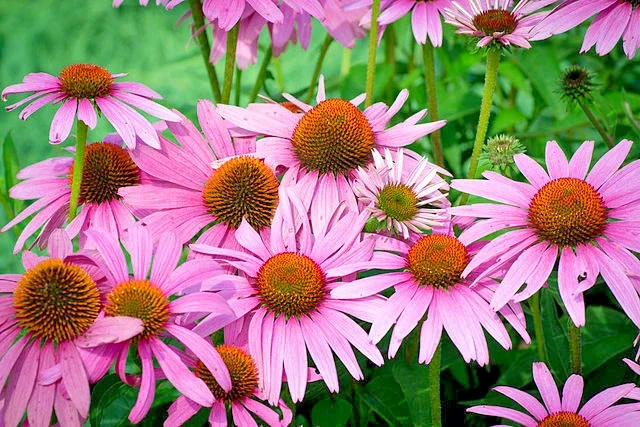
Introduce a touch of natural beauty and ecological benefit to your garden with our premium purple coneflower seeds. Also known by its botanical name, Echinacea purpurea, the coneflower is a beloved perennial herb celebrated for its striking, daisy-like blooms and robust nature. Each packet contains 100 high-quality seeds, ready to transform your outdoor space into a vibrant haven. These magnificent plants are not only visually appealing but also play a crucial role in supporting local ecosystems by attracting a variety of pollinators, including bees and butterflies. Growing coneflowers from seed is a rewarding experience, offering a sense of accomplishment as you watch them flourish from tiny seeds into majestic garden centerpieces. The purple coneflower is a versatile plant, fitting perfectly into various garden styles, from formal borders to wild, naturalized areas, making it an excellent choice for both novice and experienced gardeners.
The purple coneflower seeds we offer are carefully selected to ensure strong germination rates and healthy plant development. Echinacea purpurea is well-known for its resilience and adaptability, thriving in a wide range of climates and soil conditions. This makes it an ideal plant for gardeners seeking low-maintenance yet high-impact flora. Once established, coneflowers require minimal attention, making them perfect for busy individuals or those new to gardening. Beyond their aesthetic appeal, coneflowers are also recognized for their traditional uses as a medicinal herb, adding another layer of value to these remarkable plants. Embrace the charm and ecological advantages of the purple coneflower by planting these seeds and enjoying their splendor for years to come. You’ll find that Echinacea seeds are a fantastic addition to any garden.
Key Benefits
Planting purple coneflower seeds offers a multitude of benefits for your garden and the environment. These resilient plants provide long-lasting beauty and contribute to a healthier ecosystem.
- Attracts Pollinators: Coneflowers are a magnet for bees, butterflies, and other beneficial insects, helping to pollinate other plants in your garden and support local wildlife. This makes them a vital component for a thriving garden ecosystem.
- Drought Tolerant: Once established, these plants are remarkably drought-resistant, requiring less frequent watering than many other flowering perennials. This feature makes them an excellent choice for water-wise gardening.
- Low Maintenance: Echinacea purpurea is an easy-care plant, flourishing with minimal intervention. It’s perfect for gardeners who desire beautiful blooms without extensive upkeep, making coneflower plant care straightforward.
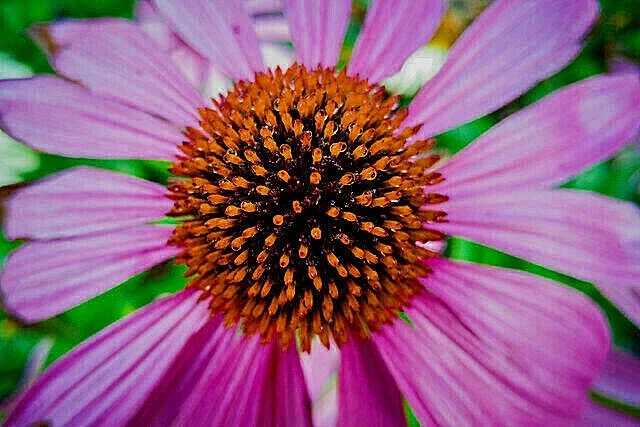
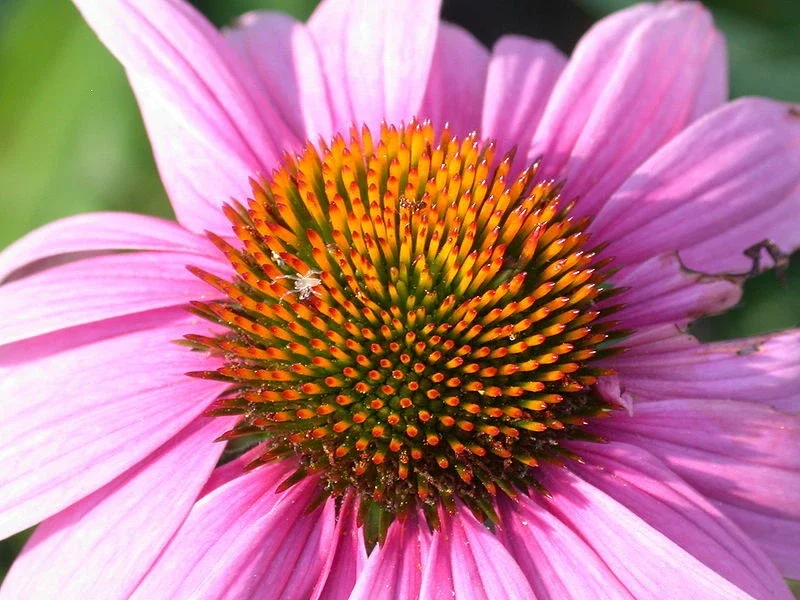
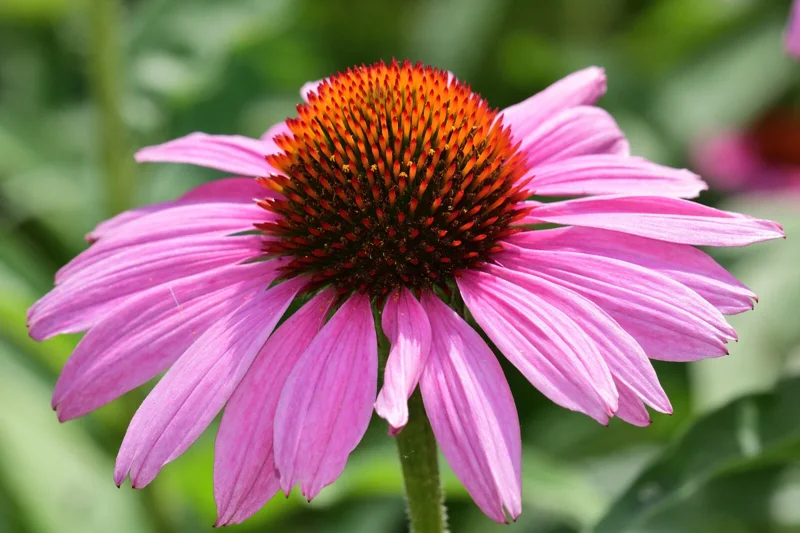
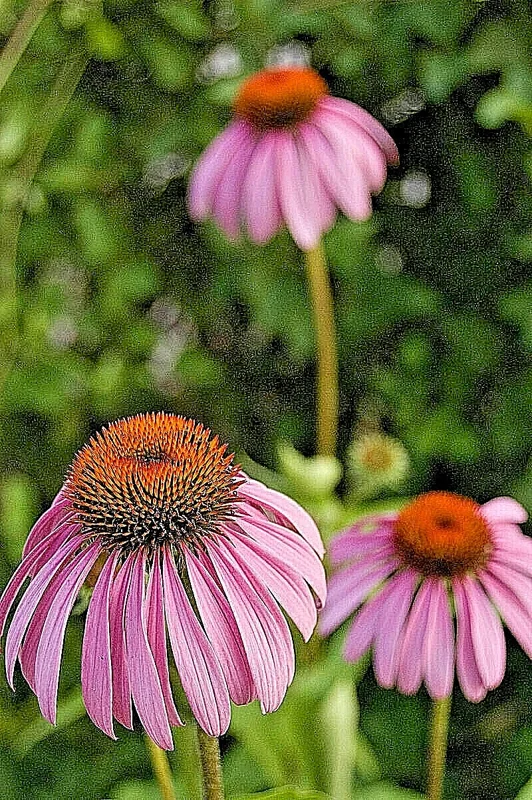
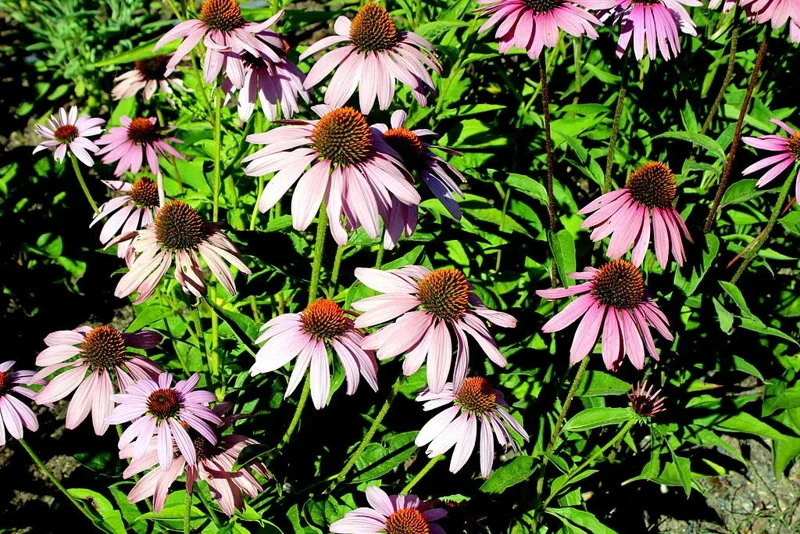
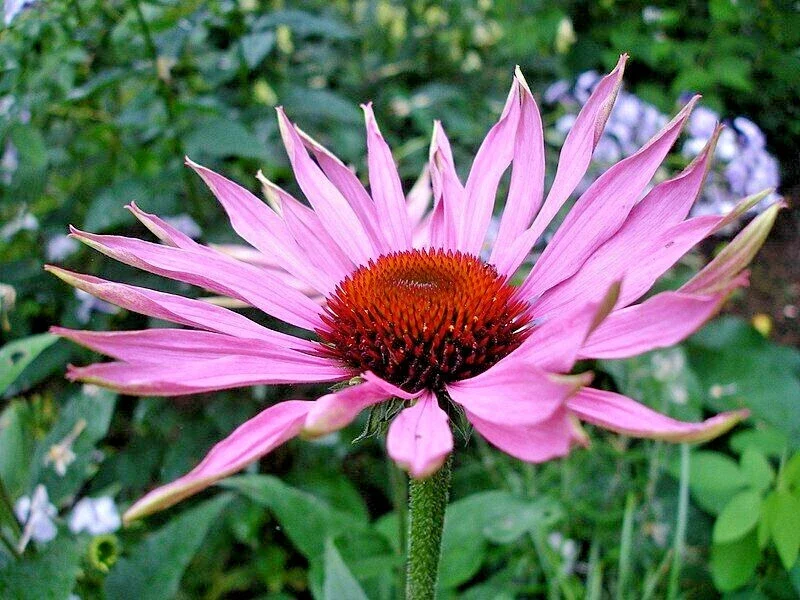
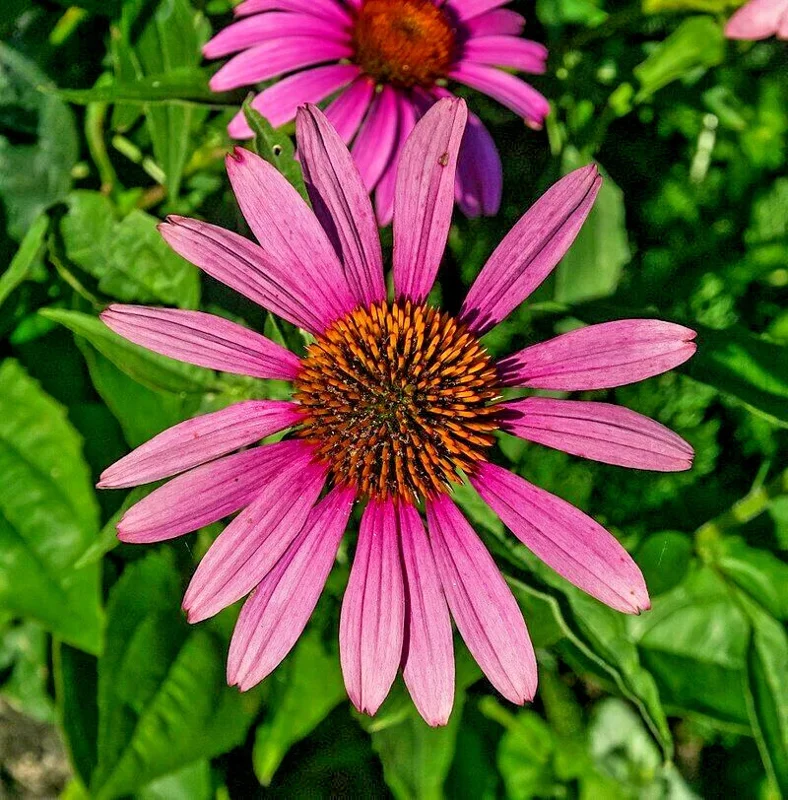
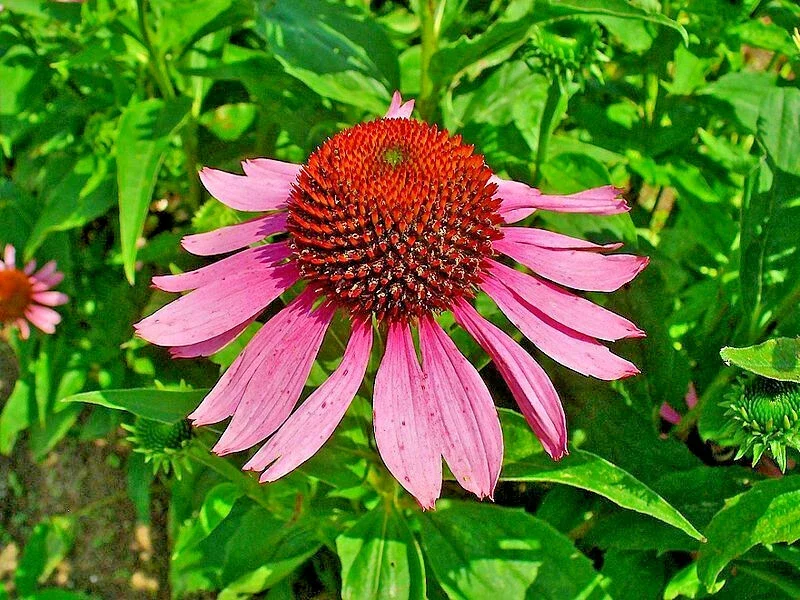
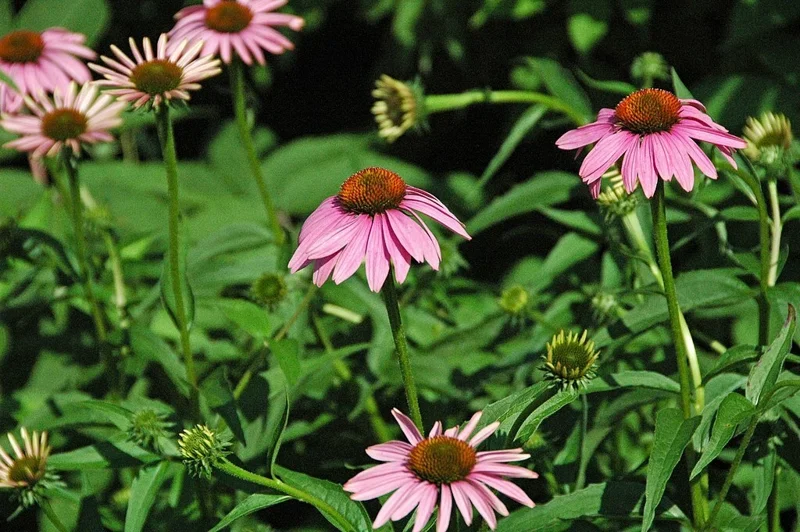
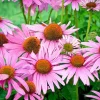
- Vibrant Blooms: Enjoy large, striking purple flowers with prominent central cones that add a dramatic visual element to your garden from summer to fall. These blooms provide continuous color and interest throughout the growing season.
- Perennial Growth: As a perennial, coneflowers return year after year, providing enduring beauty and reducing the need for annual replanting. This ensures a consistent display of color and form in your garden.
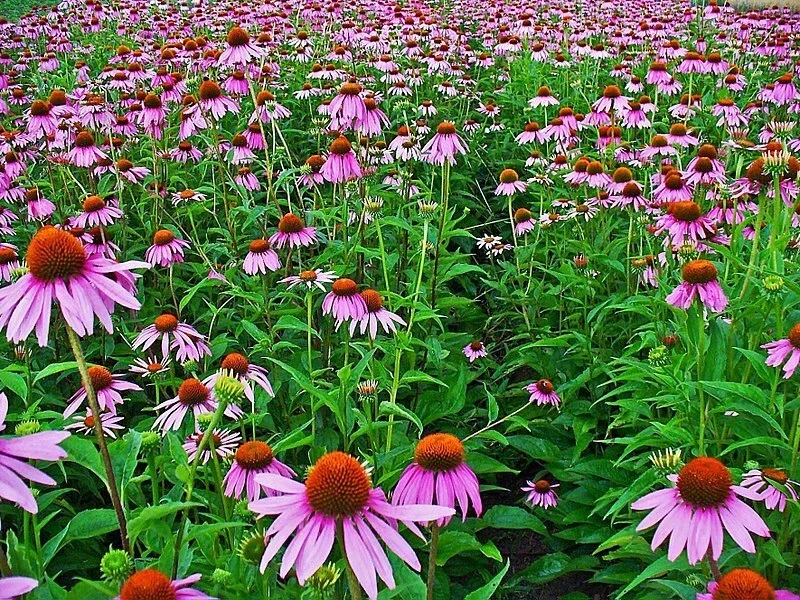
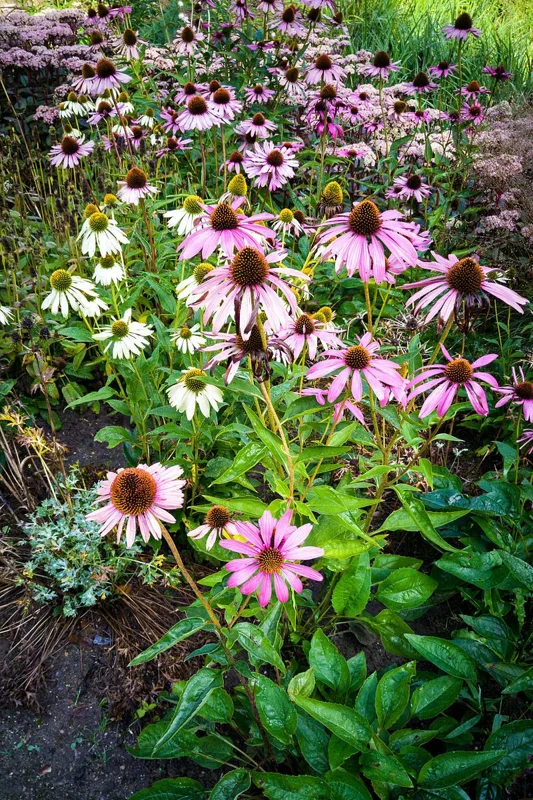
- Versatile Landscaping: Ideal for borders, mass plantings, wildflower gardens, or as cut flowers, these plants adapt well to various garden designs. Their strong stems make them excellent for floral arrangements.
- Traditional Herb: Beyond their ornamental value, coneflowers are also recognized for their traditional uses as an herb, adding a unique dimension to your garden. Many enjoy the benefits of this versatile plant.
Plant Care & Growing Tips
Successful growing coneflower from seed begins with proper site selection and planting techniques. Choose a location in your garden that receives full sun, meaning at least 6 hours of direct sunlight per day. While coneflowers can tolerate partial shade, they will produce fewer blooms and may become leggy. The ideal soil for purple coneflower seeds is well-draining, loamy, or sandy soil with a neutral pH. Avoid heavy clay soils that retain too much moisture, as this can lead to root rot. If your soil is heavy, amend it with compost or sand to improve drainage.
Plant seeds in spring after the last frost, or in late fall for germination the following spring. Sow seeds about 1/4 inch deep and 12-18 inches apart. Keep the soil consistently moist until germination, which typically occurs within 10-20 days. Once established, coneflowers are drought-tolerant and prefer moderate watering; water deeply once a week during dry periods. Fertilize sparingly, perhaps once in early spring with a balanced slow-release fertilizer. Deadhead spent blooms to encourage more flowering and prevent self-seeding, though allowing some to go to seed can provide food for birds in winter. For optimal coneflower plant care, monitor for common pests like aphids or Japanese beetles and treat with organic solutions if necessary. These plants are generally quite hardy and resistant to most diseases.
Size & Details
Our purple coneflower seeds will grow into robust, clumping plants that typically reach a height of 2 to 4 feet (60-120 cm) and spread about 1 to 2 feet (30-60 cm) wide. The large, daisy-like flowers can measure 3 to 5 inches (7-12 cm) in diameter, featuring vibrant purple petals surrounding a prominent, spiky central cone. These seeds are designed for outdoor cultivation and are hardy in USDA Zones 4-9, making them suitable for a wide range of climates across the United States. They are perennial, meaning they will return year after year, providing continuous beauty and enjoyment without the need for annual replanting.
The seeds are shipped as a packet of 100 individual seeds, ready for planting. Expect blooms from early summer through fall, providing a long season of interest and a consistent food source for pollinators. These plants have an easy cultivating difficulty, making them accessible even for beginner gardeners. The bushy growth habit ensures a full and lush appearance in your garden beds. With proper care, your coneflowers will establish quickly and become a resilient, beautiful addition to your landscape for many seasons to come. Consider these a fantastic option for those interested in perennial herb seeds.
Frequently Asked Questions
- Q: How many purple coneflower seeds are included in a packet? A: Each packet contains 100 high-quality purple coneflower seeds, providing ample opportunity to establish a beautiful patch of these perennials in your garden. This quantity allows for multiple plantings or a dense display.
- Q: Is this an indoor or outdoor plant? A: The purple coneflower is primarily an outdoor plant, thriving in full sun conditions in garden beds, borders, and naturalized areas. While they can be started indoors, they should be transplanted outside for optimal growth.
- Q: How much sunlight does a coneflower need? A: Coneflowers perform best in full sun, requiring at least 6 hours of direct sunlight per day to produce abundant blooms and maintain a healthy, sturdy growth habit. They can tolerate partial shade but may have reduced flowering.
- Q: Is this plant easy to care for? A: Yes, coneflower plant care is considered easy. Once established, they are drought-tolerant and require minimal watering and fertilization, making them an excellent choice for low-maintenance gardening.
- Q: When is the best time to plant Echinacea seeds? A: The best time to plant Echinacea seeds is in the spring after the last frost, or in late fall. Fall planting allows the seeds to undergo a natural cold stratification period over winter, leading to spring germination.
- Q: What condition will the seeds arrive in? A: The seeds will arrive in a sealed packet, ensuring their freshness and viability for planting. They are carefully packaged to protect them during transit and maintain their quality.
- Q: How tall do purple coneflowers typically grow? A: Purple coneflowers generally grow to a height of 2 to 4 feet (60-120 cm) with a spread of 1 to 2 feet (30-60 cm), creating a substantial and attractive presence in the garden.
- Q: What USDA Hardiness Zones are suitable for these seeds? A: These purple coneflower seeds are suitable for USDA Hardiness Zones 4-9, indicating their adaptability to a wide range of temperate climates. This broad range makes them a versatile choice for many gardeners.
- Q: Can perennial herb seeds like coneflower be used for medicinal purposes? A: While Echinacea is traditionally known as an herb with potential medicinal properties, this product is sold for gardening and ornamental purposes. Any herbal use should be discussed with a healthcare professional.
- Q: Do coneflowers attract butterflies? A: Absolutely! Coneflowers are renowned for attracting butterflies, bees, and other beneficial pollinators, making them a fantastic addition to a pollinator-friendly garden. Their nectar-rich blooms are a favorite food source.




Reviews
There are no reviews yet.